Earl Sweatshirt, a prominent figure in West Coast hip-hop, has roots that deeply connect him to the cultural and musical landscape of California. Born in Los Angeles and raised amid its vibrant scene, his journey reflects the complexities of youth culture, creativity, and the pursuit of artistic authenticity. As you delve into the exploration of Earl’s origins and the influences that shaped his music, you’ll discover not just the stories behind his lyrics but also the broader context of West Coast hip-hop. This journey isn’t just about Earl; it’s an opportunity to understand the rich tapestry of sounds and experiences that define a significant era in rap history. By examining his background, you’ll gain insight into how location and upbringing influence artistic expression, creating a map of emotions, struggles, and triumphs. So, let’s embark on this exploration together and uncover the essence of Earl Sweatshirt’s West Coast roots.
The Origin Story of Earl Sweatshirt: Exploring His Background
Earl Sweatshirt, born Thebe Neruda Kgositsile, embodies the complex tapestry of West Coast hip-hop, woven from his diverse upbringing and personal experiences. Born in Chicago but raised primarily in Los Angeles, Earl’s early life was infused with cultural richness and artistic influence. His father, a prominent South African poet, played an instrumental role in shaping his worldview, while living in L.A. introduced him to the vibrant street life and varied musical styles that define the region’s sound.
From an early age, Earl gravitated towards music, finding solace and expression in writing and performing. He became a pivotal member of the Odd Future collective, a group that not only revolutionized the West Coast hip-hop scene but also altered perceptions of youth culture in the early 2010s. This connection with Odd Future allowed Earl to merge his literary talents with hip-hop, culminating in a unique blend of introspective lyrics and innovative production.
Earl’s journey through music reflects his personal evolution-from a teenager exploring his identity and grappling with profound themes of loss and responsibility to a seasoned artist recognized for his lyrical depth and musical experimentation. His work serves as a bridge between the rawness of West Coast hip-hop’s traditional roots and a contemporary take that challenges listeners to confront uncomfortable truths, making him an emblematic figure in the progression of the genre.
Earl Sweatshirt’s Influence on West Coast Hip-Hop
Earl Sweatshirt has carved out a distinctive space within the landscape of West Coast hip-hop, heavily influencing the genre with his unique sound and lyrical approach. His integration of complex wordplay and introspective themes sets him apart from many of his contemporaries. Drawing from his diverse upbringing and rich cultural heritage, Earl’s music embodies the struggles and triumphs of youth in a volatile environment. Born in Chicago and raised in Los Angeles, Earl’s experiences in these contrasting locales contribute to a lyrical style that is both grounded and expansive.
One of the most significant ways Earl has influenced West Coast hip-hop is through his affiliation with the Odd Future collective. Odd Future not only reshaped the landscape of contemporary hip-hop but also redefined how youth culture was portrayed in the media. Earl’s contributions, particularly through his early mixtape “Earl,” resonated with a generation disenchanted with conventional narrative themes in hip-hop. This project’s raw emotion and candid exploration of identity and mental health challenged the expected bravado often found in the genre, paving the way for future artists to express vulnerability without sacrificing authenticity.
Earl’s production style also reflects the West Coast’s evolving musical landscape. Collaborating with local producers and artists, his sound often incorporates elements of jazz, soul, and alternative influences, which complement his introspective lyrics. Tracks like “Chum” showcase his ability to weave narratives around personal experiences and cultural commentary, creating a sonic space that is both introspective and engaging. This innovative blend contributes to the richness of West Coast hip-hop, demonstrating that the genre is not static but rather a living, evolving form of art.
Moreover, Earl’s influence extends beyond his own music; he has served as a mentor and collaborator to a new generation of artists, encouraging them to explore their creativity and authenticity. This embodies the spirit of West Coast hip-hop, where collaboration and community uplift the voices of emerging talent. As Earl continues to evolve as an artist, his foundational impact on the genre remains undeniable, inspiring countless musicians to pursue their artistic visions boldly. Through his innovative approach and profound lyrical insight, Earl Sweatshirt is not just a product of West Coast hip-hop but a driving force in its ongoing evolution.
Key Tracks that Define Earl’s West Coast Sound

Earl Sweatshirt’s musical catalog serves as a powerful reflection of his West Coast roots, blending introspective lyricism with eclectic production that resonates deeply within the genre. A key track that encapsulates this distinct sound is “Chum,” where Earl delves into personal themes of identity and familial relationships, employing a minimalist beat that highlights his poignant delivery. The song’s candid exploration of vulnerability starkly contrasts the machismo often found in hip-hop, showcasing Earl’s dedication to authenticity and introspection.
Another standout track, “Hive,” features contributions from notable artists such as Vince Staples and Casey Veggies, emphasizing the collaborative spirit of West Coast hip-hop. The production, infused with rhythmic complexity and atmospheric elements, complements Earl’s intricate wordplay, a hallmark of his style. This track not only reinforces his connections with other artists but also marks a pivotal moment in his evolution, melding community with individual narrative.
Earl’s collaboration with producer The Alchemist on tracks like “Faucet” further exemplifies his commitment to pushing sonic boundaries. The fusion of jazzy instrumentation and haunting samples creates a soundscape that is uniquely his while remaining grounded in the West Coast tradition. This track’s layered production allows for deep analysis, serving as a platform where his lyrical dexterity can shine through even the most experimental beats.
Lastly, “Nowhere2go” exemplifies Earl’s ability to blend his emotional depth with a more laid-back vibe characteristic of West Coast hip-hop. The song, filled with contemplative reflections, evokes a sense of wandering-a nod to his journey and experiences shaped by both Los Angeles and Chicago. This track serves as a microcosm of Earl’s broader musical philosophy, continuously challenging traditional genres and themes while cultivating a distinct voice in the hip-hop landscape.
Through these key tracks, Earl Sweatshirt not only defines his personal narrative but also cements his role as a pivotal figure in the evolution of West Coast hip-hop, reminding listeners of the power of introspective lyricism paired with innovative sound.
Cultural Significance of Earl’s Lyrics in Hip-Hop
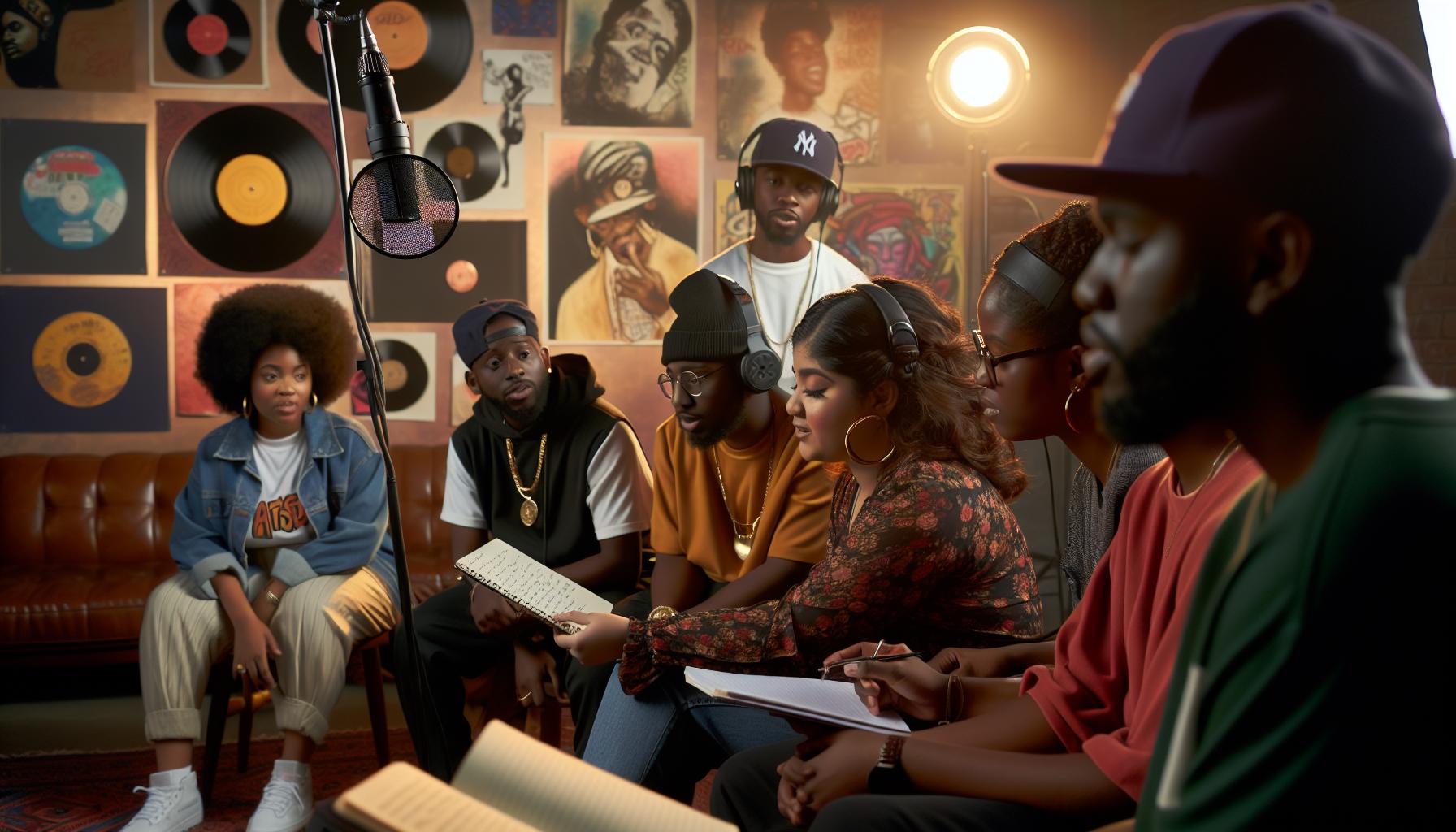
Earl Sweatshirt’s lyrics carry a cultural significance that resonates deeply within the landscape of hip-hop, particularly due to their introspective nature and authenticity. He has often drawn from his personal experiences and emotional struggles, pushing against the prevalent narratives in mainstream hip-hop that emphasize bravado and materialism. For instance, in tracks like “Chum,” he explores complex themes such as familial relationships and self-identity, communicating vulnerability in a manner that diverges from the more aggressive posturing typical of his contemporaries. This candidness has allowed listeners to connect with him on a personal level, sharing in the collective experience of introspection and self-discovery.
The complexity of Earl’s lyrical content also reflects a broader cultural movement within hip-hop that values authenticity and emotional depth. His work challenges the notion that hip-hop must adhere to a specific mold, instead opening the door to diverse expressions and perspectives. This shift is evident in collaborations like “Hive,” where he blends his narrative style with contributions from other West Coast artists, reinforcing the idea of community while also highlighting individual stories. This adaptability makes his work particularly significant in a genre that has historically been critiqued for its lack of emotional nuance.
Moreover, Earl Sweatshirt’s dedication to exploring sensitive subjects through his music contributes to the normalization of mental health discussions within hip-hop. He has openly discussed his struggles with depression and existential anxiety, making his experiences relatable to a generation that increasingly values mental well-being. By addressing these themes, Earl not only destigmatizes conversations surrounding mental health but also encourages others to seek clarity amidst their own struggles, thereby fostering a supportive community.
In essence, Earl Sweatshirt’s lyrics encapsulate the evolving landscape of hip-hop, where emotional honesty takes center stage alongside traditional bravado. His work not only defines his unique voice but also shapes the narratives that future artists within the genre might explore, making him a pivotal figure in the cultural significance of modern hip-hop.
The Role of Odd Future in Earl Sweatshirt’s Journey
Earl Sweatshirt’s journey in music intertwined significantly with the collective known as Odd Future Wolf Gang Kill Them All (OFWGKTA), a hip-hop group formed in Los Angeles that redefined the sound of West Coast hip-hop in the early 2010s. This collective not only provided a platform for Earl but also fostered a distinct culture of creativity and collaboration that helped shape his artistic identity. Odd Future emerged as a raw, rebellious force in the music scene, characterized by its unconventional lyrics, unique production, and a strong emphasis on individuality. Earl, as one of its prominent members, found both inspiration and a sense of belonging within this dynamic.
The group’s early projects, especially the mixtape “Nostalgia, Ultra,” showcased Earl’s intricate wordplay and introspective themes, setting him apart from typical hip-hop narratives. His contribution to Odd Future’s chaotic energy allowed him to explore his lyrical depth in a space that encouraged vulnerability amidst bravado. Tracks like “Orange Juice” highlight not only his distinctive flow but also the group’s collective ethos of embracing unfiltered emotions in their music. This partnership also introduced Earl to a wider audience, as Odd Future’s viral success helped elevate all its members, bridging local West Coast sounds with national recognition.
Additionally, the role of Odd Future extended beyond just music; it encapsulated a lifestyle that embraced DIY culture and artistic experimentation. Earl and his collaborators often cross-pollinated in visual arts, fashion, and beyond, which enriched their music and storytelling. For instance, the group’s infamous merchandise, seen in their signature hoodies and skate-inspired style, reflected their commitment to authenticity and self-expression. This aesthetic not only turned them into cultural icons but also made their music more relatable to young fans seeking an authentic voice amidst mainstream offerings.
As Odd Future evolved, so did Earl’s artistry. The pressure of the group’s initial acclaim led to a period of re-evaluation for Earl, resulting in a more mature and introspective sound found in albums like “Doris” and “Some Rap Songs.” His experiences with the collective allowed him to articulate personal struggles with greater clarity while maintaining the distinctive flair that fans cherished. Thus, Odd Future didn’t merely play a supporting role; it was instrumental in shaping Earl Sweatshirt’s trajectory, driving him to continuously redefine what it means to be an artist in the West Coast hip-hop scene.
Comparative Analysis: Earl vs. Other West Coast Artists
Earl Sweatshirt’s artistry emerges from a distinctive blend of introspection and sharp lyrical prowess that sets him apart from his contemporaries in West Coast hip-hop. Unlike many of his peers who often lean toward brash bravado and party-centric themes, Earl’s depth lies in his exploration of personal struggles, mental health, and the complexities of youth. His unique narrative style reflects a poetic sensibility that resonates with listeners on a profound level, offering a refreshing contrast to the often superficial subject matter found in mainstream hip-hop.
When comparing Earl to other prominent West Coast artists such as Kendrick Lamar and Schoolboy Q, it’s evident that while they share a geographical and cultural background, their lyrical approaches diverge significantly. Kendrick, with his socially conscious storytelling, often tackles broader societal issues, weaving personal experiences into a context that speaks to collective cultural struggles. His tracks are imbued with a sense of urgency, urging change and awareness. Schoolboy Q, meanwhile, draws on his experiences with street life and the party scene, delivering hard-hitting verses filled with bravado and charisma.
Earl’s music, particularly in albums like “Doris” and “Some Rap Songs,” presents a more subdued, often melancholic approach, characterized by experimental production and abstract lyricism. This artistic choice aligns him more closely with the avant-garde side of West Coast hip-hop, akin to artists like Flying Lotus or even the chaotic, emotional narratives found in the works of some Odd Future members. His willingness to delve into uncomfortable themes creates an intimacy that invites listeners into his psyche, making his music not just a listening experience but a compelling journey into vulnerability.
The diversity within West Coast hip-hop, exemplified by Earl’s juxtaposition against artists like Kendrick and Q, illustrates the rich tapestry of voices and stories originating from this region. As Earl continues to evolve, he not only reinforces his place within this landscape but also challenges the norms of hip-hop, encouraging a broader acceptance of varied lyrical themes and emotional expressions in West Coast music.
Earl Sweatshirt’s Evolution: From Laid-Back to Lyrical
Earl Sweatshirt’s music journey is a fascinating evolution that mirrors both personal growth and shifting trends in hip-hop. Initially known for his laid-back, almost ethereal sound, Earl began his career with tracks that resonated with the carefree, youthful vibe of the Odd Future collective. His early work, like “Earl,” highlighted a raw and unfiltered style, showcasing a love for intricate wordplay layered over minimalist beats. This laid-back, yet intense approach to hip-hop set a foundation that distinguished him from more mainstream West Coast artists who focused on more aggressive or flashy themes.
As he matured both as an artist and an individual, Earl’s music underwent a significant transformation. This evolution is particularly apparent in his later albums, such as “Doris” and “Some Rap Songs,” where he embraces a more introspective and complex narrative style. Unlike the party-centric anthems that often characterize West Coast hip-hop, his newer works delve into themes of mental health, identity, and vulnerability. The production became more experimental, incorporating elements that challenge traditional hip-hop structures. Earl’s use of abstract lyricism and sonic exploration not only reflects his own personal growth but also pushes the boundaries of the genre, setting him apart from his contemporaries.
This shift toward lyrical depth and critical self-reflection is significant in the context of West Coast hip-hop, where many artists often emphasize bravado and celebration. Earl’s emphasis on personal struggles resonates deeply with listeners who seek authenticity and a connection to their own experiences. His willingness to tackle uncomfortable subjects invites audiences into his psyche, facilitating a deeper emotional experience through his music. This evolution symbolizes a broader trend within hip-hop, where vulnerability and honesty are increasingly embraced as powerful tools for storytelling.
In essence, Earl Sweatshirt is a testament to the potential for artists to evolve and adapt, all while maintaining their roots. His journey from a laid-back, carefree lyricist to a thought-provoking storyteller reflects not only his personal experiences but also the growing diversity in West Coast hip-hop. Earl’s artistry encourages fellow musicians to explore new themes and narratives, demonstrating that introspection and innovation can coexist beautifully within the genre. As he continues to grow, his impact on hip-hop remains profound, inspiring both fans and creators to embrace their own stories and voices.
Impact of West Coast Scenes on Earl’s Music Style
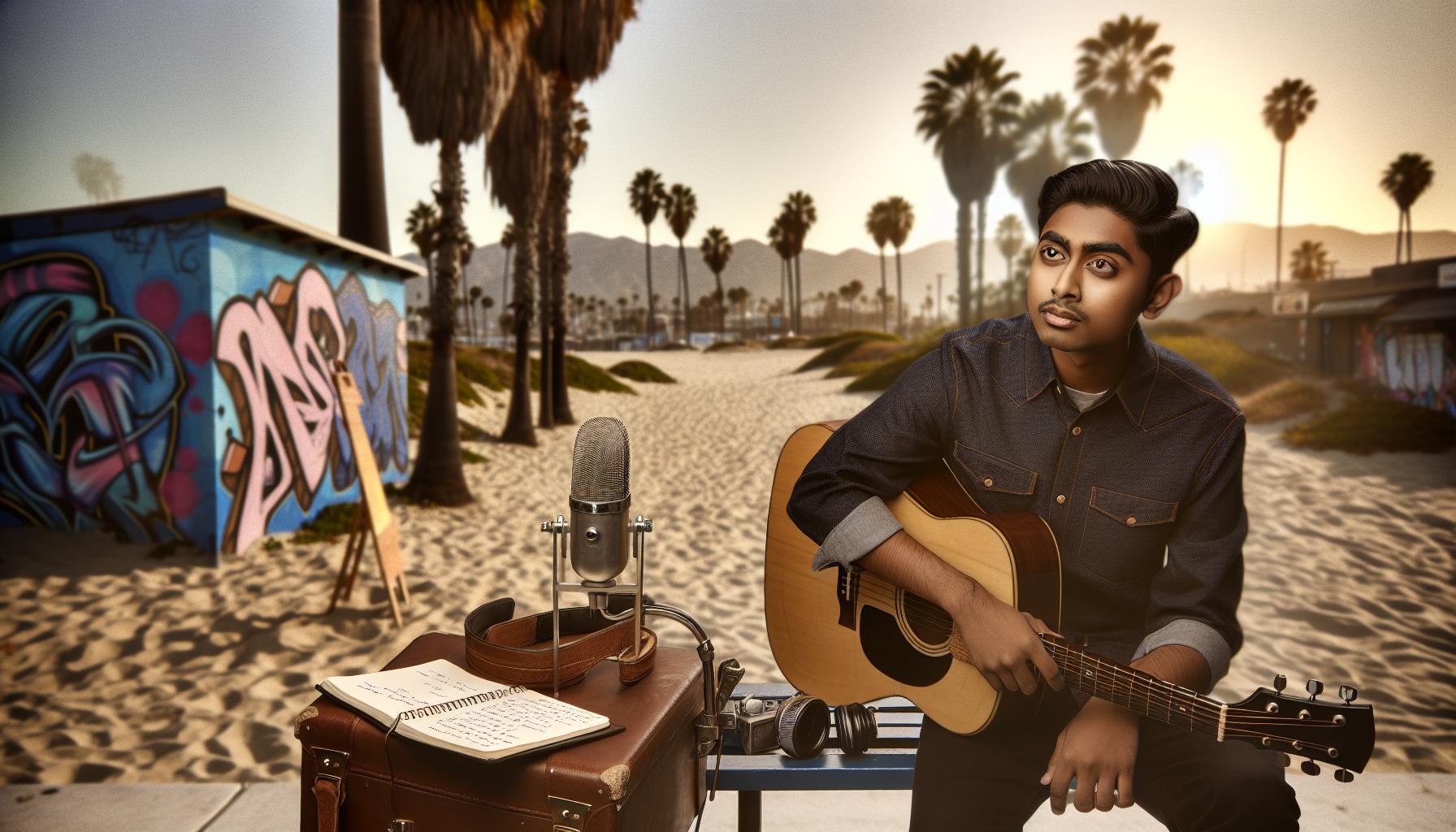
Earl Sweatshirt’s music is deeply rooted in the rich tapestry of West Coast hip-hop, a genre known for its distinctive sounds and cultural influences. Growing up in Los Angeles, Earl was immersed in the vibrant music scene that shaped his artistic identity. The West Coast is characterized by its laid-back rhythms and sun-soaked beats, and this influence is evident in Earl’s earlier work. Tracks like “Earl” and “Chum” encapsulate that relaxed vibe but juxtaposed with introspective lyrics that challenge the typical braggadocio often associated with the genre.
The evolution of Earl’s style reflects his engagement with the diverse musical landscape of Los Angeles. He draws inspiration not only from the prevailing sounds but also from the city’s multifaceted culture. Collaborations with other West Coast artists have further enriched his music, allowing him to explore various sonic possibilities. Songs like “Doris,” featuring standout guest spots, signify a melding of ideas and experiences, showcasing both the collaborative spirit of West Coast hip-hop and Earl’s unique voice within it.
Additionally, the cultural significance of Los Angeles, with its history of struggle and resilience, informs Earl’s narratives. His lyrics often delve into personal battles, mental health, and identity, resonating with listeners who appreciate authenticity over flashy lifestyles. This connection to the local scene ensures that Earl’s work remains relevant, as he articulates the complexities of life in a way that many can relate to. His ability to weave personal storytelling into the broader narrative of West Coast hip-hop exemplifies how the scene has shaped his artistry.
Through his work, Earl Sweatshirt not only preserves the essence of West Coast hip-hop but also elevates it by introducing themes of vulnerability and introspection. As he continues to evolve, the impact of the West Coast scene on his music remains significant, influencing not just his sound but also his message, fostering a deeper connection with audiences that spans beyond geographical borders.
Iconic Collaborations with West Coast Artists
Earl Sweatshirt’s collaborations with West Coast artists not only highlight his artistic versatility but also underscore the interconnectedness of the region’s hip-hop scene. One of the standout partnerships is with Tyler, the Creator, his childhood friend and a prominent figure in Odd Future. Tracks like “Awkward” and “52 Pickup” exemplify their chemistry, blending Earl’s introspective lyricism with Tyler’s exuberant energy, creating a unique fusion that resonates with the West Coast’s aesthetic of creativity and experimentation.
Another significant collaboration took place on the project “Doris,” where Earl featured notable West Coast figures such as Vince Staples and Tyler, the Creator. The song “Hive” showcases a gritty, raw production that complements the artists’ sharp lyrical exchanges. This track not only reflects Earl’s talent for collaboration but also illustrates how collective experiences in Los Angeles shape their narratives. Fellow West Coast artist Kendrick Lamar, though not directly featured on Earl’s albums, has influenced the genre significantly, and their respective paths occasionally run parallel, illustrating the rich tapestry of narratives within the Los Angeles scene.
Additionally, Earl’s work with artists like Zale and Mavi has introduced a refreshing diversity into his discography. The collaboration with Mavi on “Warlord” exemplifies Earl’s ability to blend styles seamlessly, marrying Mavi’s rhythmic flow with Earl’s introspective and layered storytelling. This collaboration showcases the continual evolution of West Coast hip-hop, morphing and adapting through various influences while retaining its core essence.
Through these iconic collaborations, Earl Sweatshirt has not only carved out his niche within West Coast hip-hop but has also contributed significantly to the genre’s ongoing evolution. Each partnership enriches his music, cultivates a sense of community, and propels the narratives unique to the West Coast culture, emphasizing the importance of collaboration in artistic expression. As he continues to work with both established and emerging artists, Earl’s collaborations will likely remain a benchmark for innovation in hip-hop.
The Future of West Coast Hip-Hop and Earl’s Place in It
The landscape of West Coast hip-hop continues to shift and evolve, and Earl Sweatshirt remains a pivotal figure within this dynamic scene. As an artist who has consistently challenged conventions and explored new territories within hip-hop, Earl not only draws from his deep cultural roots but also actively shapes the future of the genre. His approach serves as a blueprint for emerging artists who seek to blend personal storytelling with broader themes that resonate within and beyond their communities.
With the rise of platforms like streaming services, the accessibility of music allows for a more diverse array of voices to be heard. Earl’s introspective lyrics and unique sound resonate with younger artists who value authenticity, sparking a renaissance of creativity in the West Coast scene. Collaborations with both established and emergent artists, like his work on the album Doris featuring Vince Staples, illustrate how these relationships are central to the growth of West Coast hip-hop. This network not only reinforces Earl’s legacy but also propels a new generation of lyricists to explore uncharted sonic and thematic territories.
Earl’s influence extends beyond his immediate collaborations; he acts as a mentor figure within the community, encouraging artists to embrace vulnerability in their music. Tracks filled with personal narratives and reflections on mental health echo the sentiments of a younger generation struggling with similar issues, further solidifying Earl’s role as a voice for this era. This next wave of West Coast hip-hop, imbued with varied influences from genres like R&B and electronic, reflects the cultural melting pot that is Los Angeles.
As we look ahead, the trajectory of West Coast hip-hop seems promising. Artists inspired by Earl’s fearless experimentation and artistry are already emerging, ready to leave their marks. Earl Sweatshirt’s rich exploration of lyrical content and soundscapes positions him at the forefront of this movement, ensuring his legacy will be a guiding light for newcomers on their artistic journeys. In an ever-evolving landscape, his voice and vision will undoubtedly continue to inspire and chart the course for the next generation of West Coast hip-hop.
Fan Reception: Why Earl Sweatshirt Resonates with Audiences
Earl Sweatshirt has cultivated a deep connection with his audience through his raw honesty and artistic authenticity, resonating with fans on multiple levels. His introspective lyrics dive into themes of mental health, identity, and personal struggle, providing solace to listeners who relate to his experiences. Earl’s unique blend of vulnerability and lyrical dexterity taps into a universal emotional language, drawing in a diverse audience that appreciates genuine storytelling in hip-hop. By offering insight into his inner world, he creates a safe space for fans to explore their thoughts and feelings, establishing a powerful bond between artist and listener.
Fans also admire Earl for his distinct sound, which intertwines lush production with complex rhythms, setting him apart from mainstream hip-hop. His ability to experiment with various styles while maintaining a cohesive vision keeps listeners engaged, showcasing an artistic evolution that many find inspiring. Collaborations with fellow West Coast artists, such as Vince Staples and Tyler, the Creator, further enhance his music’s depth and breadth, allowing fans to experience a range of sounds and perspectives within the West Coast hip-hop scene. This openness to collaboration amplifies Earl’s influence and helps to elevate the entire genre, creating a rich tapestry that fans eagerly explore.
Moreover, Earl Sweatshirt’s journey from the shadows of Odd Future to his current status as a respected solo artist illustrates a narrative of growth and resilience that resonates with many. His commitment to personal growth and artistic integrity serves as a beacon for aspiring musicians, encouraging them to embrace their uniqueness and to be unafraid to delve into difficult subjects. Fans connect with this narrative, recognizing their own struggles and triumphs within Earl’s story, thus fostering a strong community around his music.
In summary, Earl’s authenticity, his adventurous sound, and his relatable journey allow him to forge impactful connections with his audience. These elements not only define his appeal in the competitive landscape of West Coast hip-hop but also ensure that his work continues to resonate and inspire future generations of listeners and artists alike.
FAQ
Q: What city is Earl Sweatshirt originally from?
A: Earl Sweatshirt hails from Los Angeles, California, which is pivotal to his identity and music, deeply rooted in the West Coast hip-hop scene.
Q: How did Earl Sweatshirt’s upbringing influence his music?
A: Growing up in Los Angeles, Earl Sweatshirt was immersed in diverse cultural contexts and musical influences, which shaped his unique sound and lyrical depth.
Q: What role did Odd Future play in Earl Sweatshirt’s career?
A: Odd Future, the hip-hop collective Earl was part of, provided a platform for his artistry, influencing not just his career trajectory but also the wider West Coast hip-hop scene.
Q: What distinguishes West Coast hip-hop from other regional styles?
A: West Coast hip-hop is characterized by its laid-back beats, G-funk elements, and lyrical focus on California culture, which Earl Sweatshirt incorporates into his music.
Q: Which artists has Earl Sweatshirt collaborated with from the West Coast?
A: Earl has collaborated with notable West Coast artists like Tyler, The Creator and Vince Staples, blending styles that enrich his sound and broaden his audience.
Q: Why is Earl Sweatshirt considered influential in modern hip-hop?
A: Earl’s introspective lyrics and experimental sounds challenge mainstream conventions, making him a significant figure in evolving the genre and inspiring new artists.
Q: What themes are prevalent in Earl Sweatshirt’s lyrics?
A: Common themes in Earl’s lyrics include introspection, mental health struggles, and critiques of societal norms, offering a raw and authentic perspective within hip-hop.
Q: How has Earl Sweatshirt evolved as an artist over the years?
A: Earl has transitioned from a youthful style associated with Odd Future to a more mature, introspective approach, reflecting personal growth and a refined artistic vision.
Concluding Remarks
As we’ve explored Earl Sweatshirt’s unique roots in West Coast hip-hop, it’s clear that his journey shapes not just his music, but the culture itself. His innovative style pushes boundaries, urging you to dive deeper into the nuances of hip-hop. Feeling inspired? Don’t stop here! Check out our articles on the evolution of West Coast rap and how artists like Kendrick Lamar and Tyler, the Creator are redefining the scene.
If you’re looking to stay connected with the latest in hip-hop, be sure to subscribe to our newsletter for exclusive insights and updates. And while you’re at it, why not take a moment to share your thoughts in the comments below? We love hearing from you! Remember, the world of hip-hop is ever-evolving; keep exploring to discover more about the artists shaping the soundtracks of our lives.
Get our latest guides, news, and insights highlighted in your Google Search & AI Overviews.