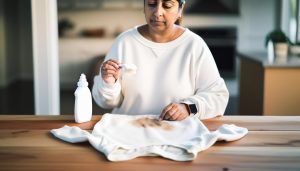
Did you know that a little care during washing can make your favorite sweatshirt last years longer? Keeping your sweatshirts soft is not just about comfort; it’s about preserving the fabric and style that define your laid-back wardrobe. Whether you’re snuggling up with a book or hitting the streets, a soft, cozy sweatshirt can elevate your experience. In this guide, we’ll reveal essential washing secrets and care tips to help you maintain that plush feel. From choosing the right detergent to proper drying techniques, we’ll cover everything you need to keep your hoodies looking and feeling their best. Say goodbye to stiff, scratchy fabric and hello to your perfect, cloud-like companion for every occasion! Ready to unlock the secrets? Let’s dive in!
How to Wash Sweatshirts for Maximum Softness
Washing your sweatshirts the right way can make all the difference in maintaining that soft, cozy feel we love. It’s not just about getting them clean; it’s about preserving the fabric’s natural softness and ensuring they remain your go-to comfort items for years to come. You’ll want to treat your sweatshirts like the precious pieces of clothing they are while also keeping in mind practical care tips to avoid wear and tear.
To start, always check the care label on your sweatshirt. This small tag provides invaluable information on the fabric type and recommended washing instructions. Most sweatshirts are made from cotton or blends, which are generally machine washable. However, using cold water is advisable, as it helps prevent fading and shrinking. When tossing your sweatshirt in the washer, turn it inside out to protect its outer layer and graphics, if present. Additionally, use a gentle cycle to further reduce friction that could lead to pilling.
Detergent selection also plays a crucial role in keeping your sweatshirts soft. Opt for a mild detergent that’s free from harsh chemicals, fragrances, or whitening agents, as these can strip the fabric of its softness. If you’re interested in an extra boost of softness, consider adding a fabric softener during the rinse cycle-just be cautious, as overuse can lead to build-up and reduce the sweatshirt’s breathable quality.
Lastly, avoid overcrowding your washing machine. Allowing enough space for your sweatshirts ensures they can move freely, which aids in thorough washing and prevents snagging. By following these simple yet effective washing techniques, you can keep your sweatshirts looking and feeling their best, ready for any casual occasion.
Essential Fabric Types and Their Care Needs
Sweatshirts are cherished staples in our wardrobes, offering a delightful blend of comfort and versatility. Understanding the different fabric types used in sweatshirts can be crucial for maintaining their soft feel and overall quality. Common fabrics include cotton, polyester, and blended materials. Each fabric type has its own needs when it comes to washing, drying, and general care.
- Cotton: Typically the most breathable and softest option, cotton sweatshirts are easy to care for. They can be washed in cold water to prevent shrinking and fading. It’s best to avoid bleach as it can cause discoloration, and gentle cycles are recommended to preserve fabric integrity.
- Polyester: Known for its durability, polyester sweatshirts tend to resist shrinking and fading better than cotton. They can be machine washed, but should be kept on a gentle cycle to minimize pilling. Using a fabric softener is a good idea to enhance softness and static resistance.
- Blends: Many sweatshirts are made from a cotton-polyester blend, offering a combination of softness and durability. Care is similar to that of cotton, but they may require slightly more attention in terms of gentle washing and avoiding high heat during drying, which can cause shrinking.
Choosing the right washing method tailored to the fabric type is essential not only for maintaining softness but also for extending the life of your sweatshirt. A cold wash followed by either air drying or a low-heat tumble dry can ensure your favorite piece stays feeling fresh and cozy. By understanding these fundamental differences, you can become a pro at caring for your sweatshirts-ensuring they remain your go-to comfort items for years to come.
The Importance of Fabric Softeners and Alternatives
When it comes to washing your favorite sweatshirts for that coveted softness, fabric softeners can be game-changers. These products are specifically formulated to enhance the feel of fabrics, making them softer and more pleasant to wear. They work by coating the fibers, which can help reduce static cling and give that comforting, cozy feel that we’re all after. However, while conventional retail softeners are effective, exploring natural alternatives can elevate your laundry routine without the chemicals.
Using fabric softeners during the rinse cycle can significantly improve the texture of your sweatshirts. Look for liquid softeners that are safe for your fabric type, as some formulas work better with specific materials. Additionally, dryer sheets can also provide a wonderful finish by preventing static and leaving your garments smelling fresh. But if you’re keen on avoiding commercial products, natural alternatives like white vinegar or baking soda can also do wonders. Adding half a cup of white vinegar during the rinse cycle not only softens the fabric but also helps to remove detergent residues, which can cause stiffness over time.
DIY Fabric Softeners
If you’re into DIY, consider creating your own fabric softeners from ingredients found in your kitchen. Here are a couple of simple recipes:
- Vinegar Softener: Mix one part white vinegar with one part water in a spray bottle. Shake well and spray lightly on your sweatshirts before drying.
- Baking Soda and Essential Oils: In a jar, mix 1 cup of baking soda with 10-15 drops of your favorite essential oil (like lavender or lemon). Use this mixture in your wash cycle for added softness and scent.
Incorporating these softening agents-whether commercial or homemade-can significantly enhance the lifespan and comfort of your favorite sweatshirts. Remember, a little experimentation may be needed to find what works best for your fabric type, giving you that perfect combination of softness and durability for years of cozy wear.
DIY Natural Softeners: Easy Kitchen Recipes
From reducing static cling to enhancing the overall tactile experience of your beloved sweatshirts, creating your own natural fabric softeners can be an enjoyable and practical solution. Not only do these DIY methods keep your clothing ultra-soft, but they also allow you to avoid the chemicals commonly found in commercial products, making them safer for both you and the environment. Plus, they can be a fun way to personalize your laundry routine while being mindful of your fabric’s care.
One of the easiest and most effective recipes you can try involves using white vinegar, a household staple known for its versatility. Simply combine equal parts of white vinegar and water in a spray bottle. After washing your sweatshirts, spray this solution lightly over the fabric before tossing it into the dryer or hanging it to dry. The vinegar helps to break down detergent residues that can cause stiffness, leaving your hoodies feeling soft and fresh.
Another fantastic option is a mixture of baking soda and essential oils. In a jar, mix 1 cup of baking soda with 10-15 drops of your favorite essential oil-think lavender for a calming scent or lemon for a refreshing aroma. This combination not only softens the fabric but also infuses it with a delightful fragrance. Add a couple of tablespoons of this mixture to your wash cycle, and you’ll notice a lovely softness that rivals any commercial product without the harsh chemicals.
Embracing these DIY natural softeners can transform your laundry day into a delightful experience, resulting in cozy, supple sweatshirts that you’ll absolutely love to wear. Whether you’re lounging at home or dressing up your hoodie for an outing, knowing how to maintain that softness opens the door to style and comfort while celebrating the spirit of casual wear.
Proper Washing Techniques to Preserve Softness
Keeping your sweatshirts feeling luxuriously soft starts with understanding the right washing techniques. Did you know that one of the biggest culprits in fabric wear and tear is the way we wash our clothes? The right approach can not only preserve the softness but can also extend the life of your favorite hoodies. Here’s how to make the most out of your laundry routine.
Choose the Right Cycle and Temperature
When it comes to washing sweatshirts, always opt for a gentle or delicate setting on your washing machine. This cycle minimizes agitation, which can cause the fibers to break down more quickly. Additionally, use cold water whenever possible, as hot water can shrink fabrics and strip away the softeners that keep them cozy. Cold washing also helps prevent color fading, ensuring that your vibrant sweatshirts stay looking fresh.
Mind Your Detergent
Not all laundry detergents are created equal. Traditional detergents can be harsh on fabrics, so consider using a gentle, liquid detergent designed for delicates. This type is less likely to leave residue that could cause stiffness. If you want to be even more eco-friendly, look for detergent pods or biodegradable options that are effective yet soft on your clothes.
Protect Your Fabrics
Before tossing your sweatshirts into the wash, it can be helpful to turn them inside out. This simple trick protects the outer surface from friction against other clothing and the washer drum. Furthermore, be sure to wash similar fabrics together-grouping heavier items like towels with lighter fabrics can lead to unnecessary wear and tear.
Rinse Thoroughly
Avoiding detergent buildup is essential for maintaining softness. Be mindful of the rinse cycle; make sure your washing machine completes the rinse properly. If you’re using fabric softeners (or natural alternatives), you might find it beneficial to run an extra rinse cycle. This helps ensure that nothing remains on the fabric that can lead to stiffness or irritation against your skin.
By implementing these washing techniques, you can successfully maintain the refreshing softness and comfort of your sweatshirts, making them a cherished staple in your casual wardrobe. Remember, a little attention to detail in your laundry routine goes a long way in keeping those cozy hoodies looking and feeling their best!

Drying Methods: Air Drying vs. Machine Drying
When it comes to preserving the softness of your sweatshirts, the drying method you choose can make all the difference. Whether you prefer the gentle embrace of fresh air or the efficiency of a machine, each method has its own set of benefits that cater to different needs and lifestyles.
Air drying is one of the best ways to keep your sweatshirts soft and cozy. By hanging them up outside or draping them over a rack indoors, you avoid the harsh heat of a dryer that can cause fabrics to shrink or become stiff. This method allows sweatshirts to retain their plush texture, and the natural airflow helps eliminate odors without the use of artificial fragrances. Plus, if you’re concerned about your environmental footprint, air drying is a sustainable option that saves energy and extends the life of your garments. Just make sure to choose a shaded area to prevent fading from direct sunlight.
On the flip side, machine drying offers convenience and speed. For those busy days when you need your favorite hoodie ready to go, a tumble dryer can be a lifesaver. To keep your sweatshirt soft while using this method, select a low heat setting or, even better, a fluff cycle that tumbles the fabric without applying intense heat. Adding dryer balls can also help reduce drying time and promote loftiness by preventing clumping. Remember, though, that over-drying can lead to loss of softness, so setting a timer or periodically checking on your sweatshirt will help you catch it at just the right moment.
Ultimately, choosing between air drying and machine drying depends on your preference for convenience versus care. For the ultimate balance, consider incorporating both methods: air drying for everyday wear and the convenience of machine drying for those last-minute needs. This way, your sweatshirts will remain functional and fabulous while feeling luxuriously soft every time you slip them on!
Removing Stains Without Compromising Softness
No one wants to say goodbye to their favorite sweatshirt just because of a stubborn stain. Luckily, removing stains without sacrificing softness is not only possible but also easy with the right techniques. The key lies in gently treating the stain while preserving the fabric’s integrity. Most sweatshirts are made from soft cotton or fleece, and harsh chemicals can lead to stiffness or discoloration. Therefore, opting for gentle, natural stain removal methods is essential.
Start by addressing the stain as soon as possible-this will make your life much easier! For common stains like food or drink spills, simply dab the area with a clean, dry cloth to absorb excess liquid. Next, create a solution using warm water mixed with a few drops of mild dish soap or laundry detergent. Gently rub the stained area with a soft cloth or your fingers, working from the outside toward the center of the stain to avoid spreading it. Rinse the area with cool water and pat it dry. Always test your cleaning solution on an inconspicuous area first to ensure it doesn’t harm the fabric.
DIY Stain Removal Recipes
If you prefer a natural approach, here are a couple of effective DIY recipes you can whip up in your kitchen:
- Baking Soda Paste: Mix three parts baking soda with one part water to create a paste. Apply it to the stain, let it sit for 30 minutes, and then rinse with cold water.
- White Vinegar Solution: Combine one cup of white vinegar with two cups of water. Spray or dab the solution onto the stain, let it sit for about 10 minutes, and rinse thoroughly.
Remember to always rewash the sweatshirt after stain removal to eliminate any leftover residue from your cleaning solution. Use a gentle cycle in cold water to keep everything nice and soft. Avoid bleach or any aggressive detergents that can cause the fabric to lose its plush feel and color.
Finally, incorporating fabric softeners during the washing process amplifies the softness factor and provides an additional layer of protection against future stains. By following these gentle techniques, your sweatshirts can remain as cozy and cherished as the day you bought them, ready to snuggle back into whenever you need that warm hug of comfort!
Creative Ways to Style and Customize Sweatshirts
Sweatshirts are more than just cozy garments; they are a blank canvas for creativity and personal expression. From trendy streetwear to DIY masterpieces, customizing your hoodie can transform it from a simple wardrobe staple to a unique statement piece. If you’re looking to elevate your sweatshirt game while also keeping it soft and comfortable, there are plenty of fun and practical ways to style and customize your favorites.
One popular method of personalization is tie-dyeing. Not only does this technique allow for vibrant color combinations, but it also brings a bold flair to an otherwise plain sweatshirt. To create your own tie-dyed masterpiece, gather some fabric dye, rubber bands, and gloves. Simply twist sections of your sweatshirt, secure with rubber bands, and apply dye in your desired shades. Be sure to follow the manufacturer’s instructions for setting the dye, and wash the sweatshirt using cold water and a gentle cycle afterward to maintain that soft feel.
Another exciting way to give your sweatshirt a fresh look is by incorporating embroidery or patches. This could involve hand-stitching your initials, favorite designs, or even meaningful quotes onto the fabric. If sewing isn’t your forte, consider using heat-activated patches that you can simply iron on. Not only does this customization method add character, but it also allows you to express your personality while keeping maintenance minimal-just remember to wash on a gentle cycle and avoid high heat to keep your embellishments intact.
For those who prefer a more refined touch, consider experimenting with layering. Pair your sweatshirt with a collared shirt underneath for a smart-casual vibe, or wear a denim jacket over it for an effortlessly stylish look. Accessories, such as a chunky scarf or a statement necklace, can further enhance your outfit, showcasing how versatile a sweatshirt can be when layered thoughtfully.
Finally, to maintain the softness of your customized sweatshirts, always be mindful of washing and drying methods. Use cold water and a gentle cycle to preserve the integrity of both the fabric and any embellishments. For drying, air drying is often the best option to prevent any shrinkage or wear, ensuring that your cozy pieces stay comfy and inviting season after season.
Sweatshirts are not just garments-they are opportunities to let your creative juices flow while remaining comfortable. With these styling and customization tips, you can breathe new life into your wardrobe favorites while maintaining their softness, allowing you to wear and love them for years to come.
Tips for Storing Sweatshirts to Maintain Softness
To keep your sweatshirts feeling fluffy and cozy even after numerous wears, proper storage is key! One simple yet effective method to maintain that sought-after softness is to avoid folding them in a way that creates creases. Instead, hang your sweatshirts on sturdy wooden or padded hangers to allow them to retain their shape and avoid unsightly wrinkles that can come from improper folding.
Another important aspect of sweatshirt storage is to maintain the right temperature and humidity in your storage area. Ideally, sweatshirts should be kept in a cool, dry place. Excessive heat or moisture can lead to shrinking or mildew, which not only ruins the fabric but can also lead to unpleasant odors. For those who live in damp environments, consider using silica gel packets in your storage bins or closets to absorb moisture.
Best Practices for Storing Sweatshirts
- Use Padded Hangers: These will help maintain the shape and integrity of your sweatshirt while preventing stretching at the shoulders.
- Avoid Overcrowding: Allow space between your sweatshirts to prevent them from becoming crushed or misshapen.
- Consider Using a Garment Bag: For particularly cherished or delicate pieces, a breathable garment bag can provide extra protection from dust and damage.
- Layered Shelving: Instead of stacking, use shelves that allow for either hanging or displaying your sweatshirts, keeping them visible and within reach.
Remember, a little care goes a long way! Treat your favorite hoodies with respect during storage as you would when washing. By following these tips, you’ll ensure that your sweatshirts remain soft, inviting, and ready to wear whenever you need that cozy embrace. Staying mindful of how you store your beloved attire can make all the difference in keeping them looking and feeling brand new!
Avoiding Common Mistakes: Do’s and Don’ts
When it comes to washing sweatshirts, even the smallest mistake can lead to a cozy favorite turning into a faded, roughened version of its former self. To keep that beloved hoodie feeling soft and looking fresh, here are some essential do’s and don’ts that will guide you through the washing process like a pro.
- Do separate colors: Always wash dark and light-colored sweatshirts separately. Mixing in darker colors can lead to unwanted dye transfer, which may leave your light-colored hoodies looking dingy.
- Do use cold water: Opt for cold water settings to preserve fabric integrity and color vibrancy. This is particularly important for blends like cotton-polyester, which can shrink or change texture in hot water.
- Do turn sweatshirts inside out: This simple step protects the outer fabric from abrasion during the wash cycle, helping maintain its softness and preventing pilling.
- Don’t overload the washing machine: Overloading can prevent proper cleaning and lead to wrinkles. Make sure your sweatshirts have space to move around freely.
- Don’t use fabric softeners excessively: While they can help with softness, overuse can create a coating on the fabric that diminishes breathability and moisture-wicking capabilities.
- Don’t skip the same detergent: Use a gentle detergent designed for delicates. Harsh chemicals can wear down the fibers and strip the sweatshirt of its natural softness.
- Don’t dry clean unless necessary: Most sweatshirts can be safely washed at home. Dry cleaning can be rough on fabrics and isn’t needed for typical cotton or fleece pieces.
By knowing these key do’s and don’ts, you’ll ensure that your sweatshirts remain as cozy as they were on day one. Whether you’re lounging at home or heading out for a casual day with friends, you can wear your favorite hoodie with pride, confident that it’s been cared for in the best way possible. Embrace the culture of comfort, and let your sweatshirts stay soft, stylish, and ready for any casual occasion!
When to Replace Your Favorite Sweatshirt
When that beloved sweatshirt starts to lose its cozy allure, knowing when to let go can be just as crucial as how to care for it. A well-loved hoodie can be the center of your wardrobe, perfect for snuggling on the couch or casual outings. However, time and wear inevitably take their toll, and recognizing the signs of decline can save you from sporting a faded, worn-out piece that detracts from your style.
First, keep an eye out for fabric deterioration-pilling, fading, and thinning are all bad signals. If you notice that your sweatshirt no longer feels soft and luxurious against your skin, it may be time to reconsider its status in your wardrobe. Pilling, which looks like small balls of fabric, is often a sign that the fibers are breaking down. If a lint roller can’t do the trick anymore, it might be time to say goodbye. Additionally, if your favorite colors have muted or faded significantly, it could indicate a decrease in fabric integrity, meaning it’s no longer going to offer that vibrant look you cherish.
Another critical factor is the fit. Sweatshirts can stretch over time, especially around the collar, sleeves, and body. If your sweatshirt hangs loosely or feels oversized in a way that wasn’t intended, it can lead to an unflattering silhouette. Rips or holes around seams, cuffs, or necklines, especially if they’re multiplying, are clear indicators that your sweatshirt has outlived its usefulness. Remember, comfort should never come at the cost of looking put-together.
Finally, consider your personal style evolution. Fashion is about expressing yourself, and if that well-loved hoodie no longer aligns with your aesthetic or doesn’t make you feel great wearing it, it might be time to retire it. Whether you choose to recycle, upcycle, or donate it, letting go can create space for a fresh, new favorite that better reflects who you are today. Embrace the cycle of wardrobe renewal-after all, each departure creates room for something new and exciting!
Exploring Popular Trends in Sweatshirt Fashion
Sweatshirts have transformed from mere cozy wear into essential fashion statements, making their way into high fashion runways and everyday street style. As more people embrace comfort without sacrificing style, trends in sweatshirt fashion reflect a growing appreciation for versatility and personalization. One of the most exciting aspects of this trend is how sweatshirts can be easily customized, allowing individuals to express their identities while staying snug and stylish.
A significant trend gaining traction is the oversized silhouette. The baggy look not only provides incredible comfort but also pairs effortlessly with various outfits-from leggings to tailored trousers-making it a staple for both casual and semi-formal occasions. Pairing an oversized sweatshirt with statement accessories like oversized sunglasses or chunky sneakers can elevate the entire look, providing a chic yet laid-back aesthetic.
Another popular movement is the sustainability aspect of sweatshirts. Brands are increasingly focusing on eco-friendly materials and ethical manufacturing practices. Consumers are now looking for pieces made from organic cotton or recycled materials, merging style with environmental consciousness. Additionally, the rise of second-hand shopping and clothing swaps encourages individuals to find unique sweatshirts while reducing waste-proving that fashion can indeed be both stylish and sustainable.
Customization continues to thrive as a key element in sweatshirt fashion. Projects like tie-dye, embroidery, and fabric painting not only breathe new life into basic sweatshirts but also let individuals showcase their creativity. Whether it’s adding a personal touch with initials or creating a vibrant, one-of-a-kind pattern, DIY customization opens up a world of possibilities for expressing individuality.
Incorporating these trends into your wardrobe not only keeps your sweatshirt collection fresh but also ensures you remain at the forefront of casual fashion’s evolution. With the right care and styling techniques, your sweatshirts can remain soft and inviting, making them the perfect go-to for any occasion. So, celebrate the cozy culture with fashion-forward choices that balance softness and style!
Frequently Asked Questions
Q: How often should I wash my sweatshirt to keep it soft?
A: To maintain softness, wash your sweatshirt every 5-10 wears, unless it becomes visibly dirty. Over-washing can strip fabrics of their natural oils, leading to stiffness. Refer to the section on “Proper Washing Techniques to Preserve Softness” for more tips.
Q: What temperature should I use when washing sweatshirts for best results?
A: Wash sweatshirts in cold water to prevent shrinkage and maintain softness. Hot water can wear down the fabric fibers. See the article on “How to Wash Sweatshirts for Maximum Softness” for detailed instructions.
Q: Can I use vinegar as a fabric softener for my sweatshirt?
A: Yes, vinegar is an excellent natural fabric softener. Add ½ cup to the rinse cycle to soften your sweatshirt without harsh chemicals. For homemade solutions, check out the “DIY Natural Softeners: Easy Kitchen Recipes” section.
Q: What is the best way to dry my sweatshirt after washing?
A: Air drying is the best method to preserve softness. Lay it flat or hang it, avoiding direct sunlight to prevent fading. For more drying options, explore the “Drying Methods: Air Drying vs. Machine Drying” part of the article.
Q: How can I prevent my sweatshirt from pilling?
A: To reduce pilling, turn your sweatshirt inside out before washing. Use gentle cycles, and avoid washing with rough fabrics. Check “Avoiding Common Mistakes: Do’s and Don’ts” for more preventative tips.
Q: What should I do if my sweatshirt feels rough after washing?
A: If your sweatshirt feels rough, try rewashing it with a fabric softener or a DIY alternative like hair conditioner. For more details, refer to the section on “The Importance of Fabric Softeners and Alternatives.”
Q: How do I store sweatshirts to maintain their softness?
A: Store sweatshirts in a cool, dry place folded neatly to avoid stretching. Avoid hanging them for long periods. For further insights, see the “Tips for Storing Sweatshirts to Maintain Softness” section.
Q: Are there specific detergents that work better for keeping sweatshirts soft?
A: Yes, use mild, non-abrasive detergents without additives like bleach. Look for labels stating “for delicate fabrics.” For product recommendations, visit the “Essential Fabric Types and Their Care Needs” section.
Concluding Remarks
Now that you’re equipped with the secrets to keeping your sweatshirts soft, it’s time to put this knowledge to good use! Remember, regular gentle washing, avoiding harsh detergents, and air drying can keep your favorite hoodies feeling cozy and looking fresh for seasons to come. If you have lingering questions or want to dive deeper into the world of hoodie care, check out our articles on DIY hoodie customization and styling tips for your casual wardrobe.
Feeling inspired? Don’t forget to subscribe to our newsletter for more insights and exclusive tips on maintaining your favorite casual wear! Join the conversation by sharing your own sweatshirt care tips in the comments below. Together, we can celebrate the comfort and versatility of hoodies while ensuring they stand the test of time. Happy styling!