When it comes to hoodies, comfort meets style, making them a beloved staple in casual wardrobes worldwide. But have you ever wondered what really makes your favorite hoodie cozy and durable? Understanding the materials that compose these versatile garments is crucial for making informed purchasing decisions. From soft cotton blends to innovative synthetic fabrics, each material offers unique benefits and challenges in terms of care, styling, and customization. This guide will empower you with knowledge about different hoodie fabrics, helping you choose the right one for your lifestyle and personal taste. Dive in to discover how the right material can elevate your hoodie game, ensuring you stay comfortable and fashionable whether you’re lounging at home or out on the town!
What Materials Are Commonly Used in Hoodies?
Hoodies have become a staple in casual wear, cherished for their comfort and versatility. What makes them cozy? The materials! Understanding the fabrics commonly used in hoodies will help you make informed decisions when shopping for your next favorite piece.
Most hoodies are crafted from a variety of materials, each offering distinct benefits. The most prevalent fabric is cotton, valued for its breathability and softness. Cotton hoodies, often 100% cotton or cotton blends, provide comfort and warmth, making them perfect for day-to-day wear and lounging. Another popular choice is polyester, appreciated for its durability and resistance to wrinkles. Many brands combine cotton and polyester in a blend, which creates a fabric that is not only soft but also retains its shape well after washing.
Other Fabric Options
Besides cotton and polyester, there are several other materials you might come across:
- Fleece: A type of synthetic fabric, fleece is exceptionally soft and insulating, making it ideal for colder weather.
- French Terry: This looped fabric is often used for lighter hoodies. It’s absorbent, breathable, and provides a casual yet polished look.
- Bamboo: Gaining popularity for its eco-friendliness, bamboo fabric is soft, hypoallergenic, and moisture-wicking.
- Specialty blends: Many brands experiment with unique fabric combinations to enhance comfort, performance, and aesthetic appeal.
Choosing the right material can greatly enhance your hoodie-wearing experience, whether you need a cozy piece for lounging at home or something stylish for a day out. When making your selection, consider not only the fabric type but also how it fits into your lifestyle and personal style. With the right hoodie, you’ll feel ready to take on whatever the day brings!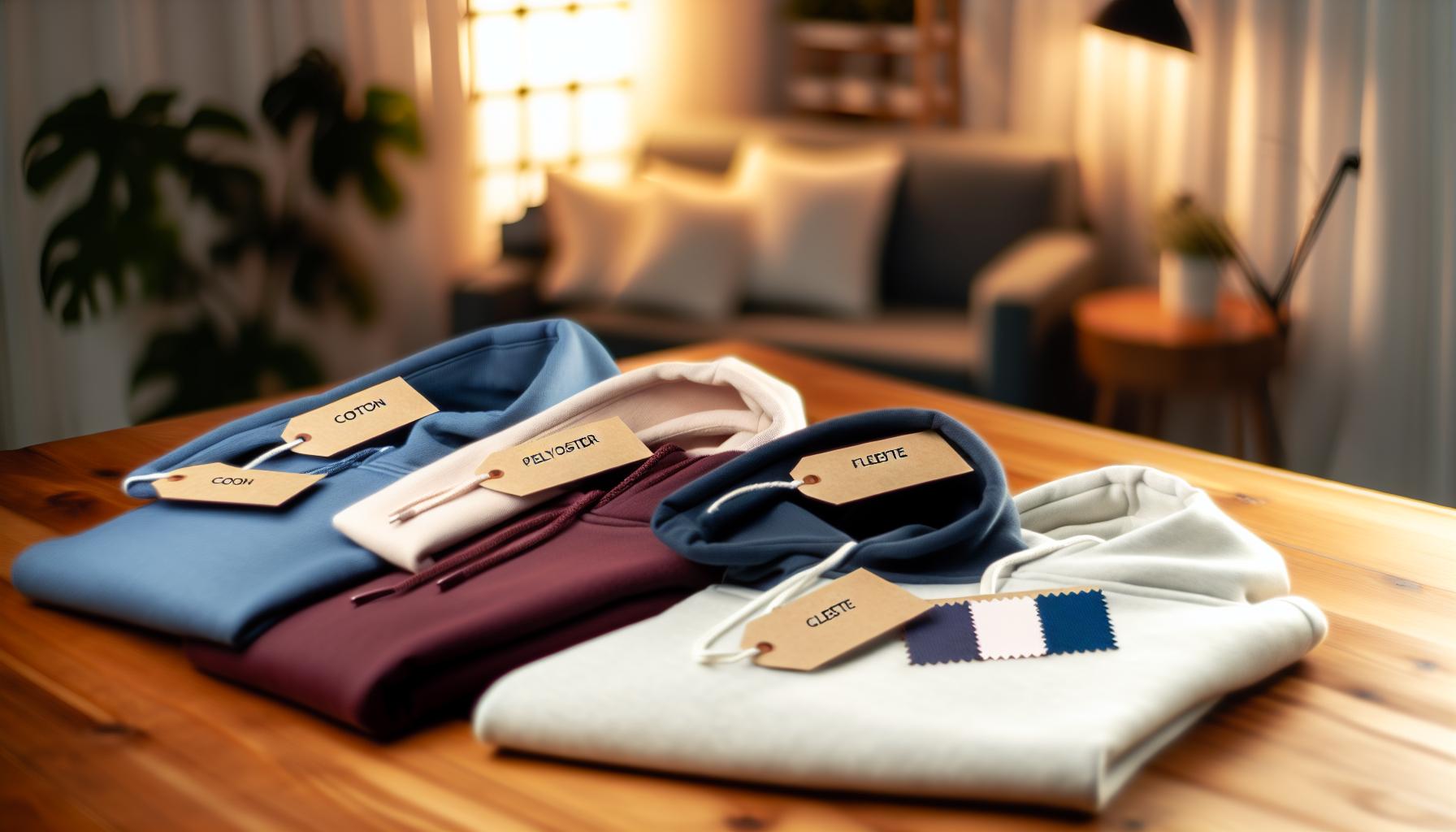
Understanding Hoodie Fabrics: A Comprehensive Overview
Hoodies are more than just a comfy layer; they represent a blend of style, functionality, and personal expression. Understanding the various materials that make up your favorite hoodie can enhance your choice, ensuring you find the perfect piece that aligns with your lifestyle and comfort needs. Most commonly, you’ll encounter fabrics like cotton, which is beloved for its softness and breathability, making it a go-to for casual wear. Cotton hoodies, whether 100% or a cotton blend, provide a cozy feel that’s hard to beat, perfect for everything from lounging at home to casual outings.
Another prevalent option is polyester, known for its durability and resistance to wrinkling. Many manufacturers cleverly combine cotton and polyester, creating a soft yet resilient fabric that maintains its shape and aesthetics even after multiple washes. This blend is particularly favorable for those who want to balance comfort with practicality, as it offers the best of both worlds.
In addition to these staples, you might come across various specialty fabrics, each with unique qualities. For instance, fleece is typically made from synthetic materials and offers exceptional warmth and softness-ideal for chilly days. French terry, another favorite, provides a lightweight yet cozy option that remains breathable, making it suitable for workouts or casual wear. As the push for sustainability grows, bamboo fabric is also gaining traction for its environmentally friendly attributes and natural moisture-wicking properties, aligning well with eco-conscious consumers.
Choosing Your Hoodie Fabric
When selecting a hoodie, consider not just the fabric but how it fits into your lifestyle. If you’re looking for everyday wear, a cotton-polyester blend might be most suitable, while a fleece hoodie could be your best bet for colder weather.
To ensure you get the best out of your hoodie, pay attention to the care instructions specific to each fabric type. Most cotton and polyester blends can simply be machine washed cold and tumble dried on low. However, delicate fabrics like bamboo might require hand washing to preserve their integrity. Always check the label for specific guidance to maintain your hoodie’s look and feel over time.
By understanding the different materials used in hoodies, you can make informed decisions that not only enhance your wardrobe but also offer comfort, durability, and style-turning a simple hoodie into your go-to favorite.
The Benefits of Cotton vs. Blends in Hoodies
The quest for the perfect hoodie material often boils down to a choice between classic cotton and various blends, each offering unique benefits that cater to different preferences and lifestyles. Cotton, the ultimate comfort fabric, is revered for its softness, breathability, and natural feel against the skin. A 100% cotton hoodie is a joy to wear, making it ideal for lounging, casual outings, or layering. It’s also easy to care for; simply toss it in the wash, and it comes out looking great, wash after wash. The natural fibers of cotton also mean it’s hypoallergenic, a smart choice for those with sensitive skin.
On the flip side, cotton blends-particularly those mixed with polyester-bring a whole new level of versatility to the table. This combination results in a fabric that retains the comfort of cotton while significantly enhancing durability and wrinkle resistance. You can enjoy the cozy feel of cotton while benefiting from the added strength and shape-retention that polyester brings. For individuals who wear their hoodies frequently or participate in more active pursuits, this blend offers a practical solution that withstands the test of time. Moreover, these blends often dry faster than pure cotton, making them a better choice for those on the go or for outdoor enthusiasts.
When considering which type to choose, think about your intended use. If style and comfort for laid-back days are your primary criteria, go for a cotton hoodie. However, if you’re seeking something that you can wear during workouts or in variable conditions, a cotton-polyester blend will serve you better. It’s all about finding the right balance that fits into your day-to-day life.
In your quest for the ideal fit, remember to consider the care instructions for each fabric type. For cotton, warm washes and line drying often yield the best results, while blends can often handle machine washing and quick tumble drying with ease. By understanding these nuances between cotton and its blends, you’ll not only enhance your wardrobe but also ensure your hoodies remain your cozy, stylish companions for years to come.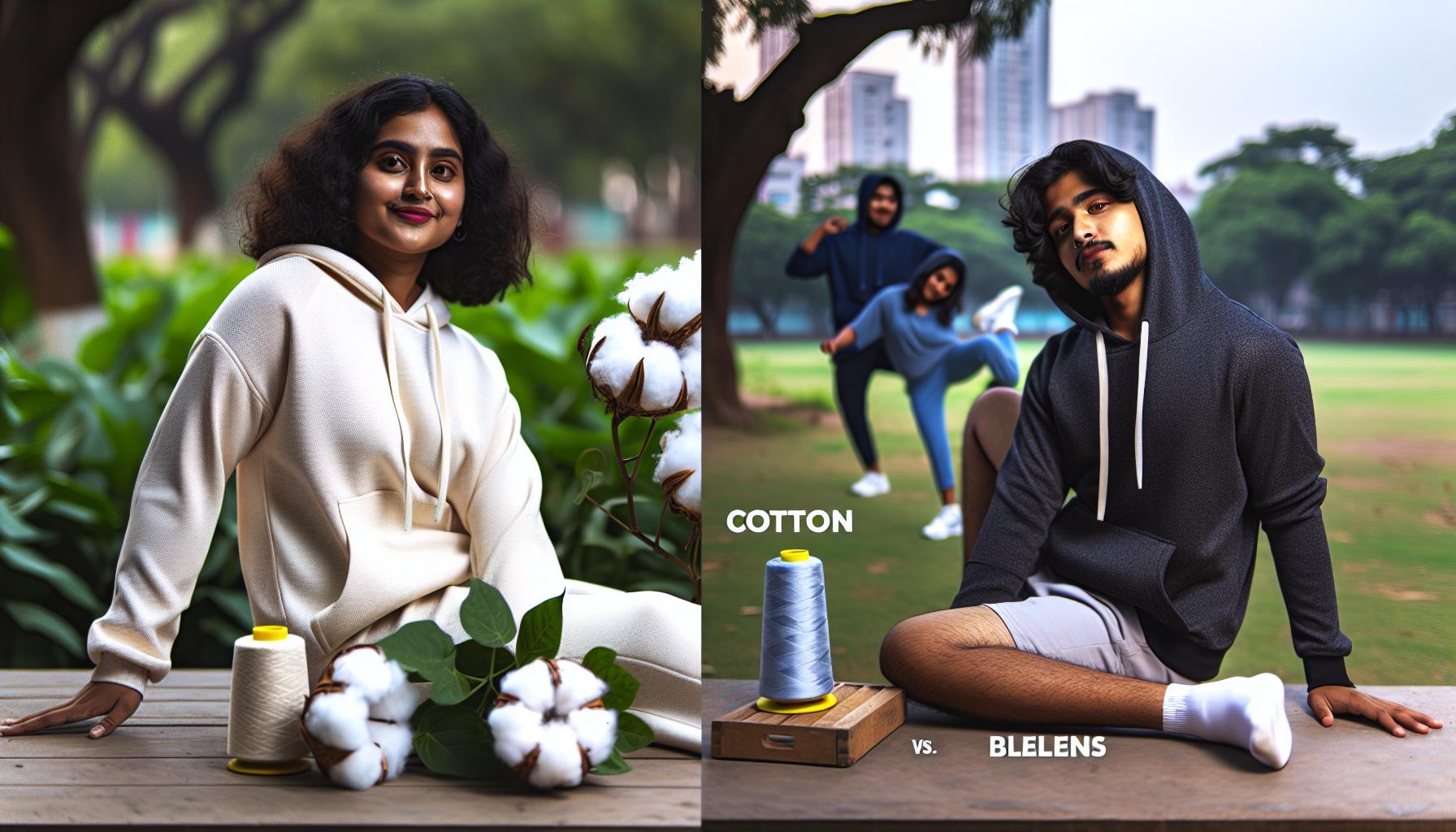
How to Choose the Right Hoodie Material for You
Choosing the right material for your hoodie can make all the difference in how you feel and function throughout your day. With so many options available, from classic cotton to innovative blends, it’s essential to understand what each fabric brings to the table. A well-chosen hoodie not only enhances your comfort but also complements your personal style, whether you’re lounging at home, running errands, or hitting the gym.
When assessing hoodie materials, consider your lifestyle and how you plan to wear your hoodie. If you prioritize softness and breathability, 100% cotton is your best friend. It’s perfect for casual wear and offers a natural feel that allows your skin to breathe, making it ideal for relaxing at home or for light, everyday activities. On the other hand, if you’re more active or need a hoodie that withstands the test of time, look toward cotton blends, especially those featuring polyester. These blends maintain the comfort of cotton while offering enhanced durability and moisture-wicking properties, perfect for workouts or transitional weather.
Fabric Care and Maintenance
Regardless of the material you choose, knowing how to care for it can extend the life of your beloved hoodie. For cotton varieties, generally machine washing in warm water is best, followed by hanging to dry for optimal results. If you’ve opted for a cotton-polyester blend, you might find that it holds up better in a washer and can tolerate quick tumble drying, making it hassle-free for busy lifestyles.
Customization Options
Once you’ve selected the right material, consider personalizing your hoodie to make it truly yours. Simple DIY projects like tie-dying or adding embroidery can transform a basic hoodie into a unique statement piece. These customizations not only showcase your creativity but also add a personal touch that makes your hoodie more special. With a little effort, you can elevate your casual wear while expressing your individual style!
The Role of Sustainable Fabrics in Hoodie Production
In today’s fashion landscape, buying a hoodie goes beyond just comfort and style; it’s increasingly about making a positive impact on our planet. Sustainable fabrics are rising in popularity, with brands looking to lessen their environmental footprint while still delivering quality products that revitalize our casual wardrobes. From eco-friendly cotton cultivations to innovative recycled materials, can transform how we think about our everyday wear.
One of the most commonly used sustainable materials is organic cotton. Unlike conventional cotton farming, which typically involves harmful pesticides and high water usage, organic cotton is grown without these chemicals and often in more resource-efficient ways. This shift not only helps protect the environment but also supports healthier working conditions for farmers. Moreover, many brands now employ eco-conscious practices throughout the supply chain, ensuring that your cozy hoodie is not only durable but also ethically made.
Another growing trend is the use of recycled polyester, made from post-consumer plastic bottles. This innovative material keeps plastic waste out of landfills and oceans, enabling a cycle of beneficial reuse. Hoodies made from recycled polyester offer the same comfort and moisture-wicking properties that polyester is known for, without the negative environmental impact associated with its production. As an added benefit, these hoodies are often lightweight and incredibly comfortable, making them perfect for workouts or casual outings.
When selecting a sustainable hoodie, look for certifications like Global Organic Textile Standard (GOTS) or OEKO-TEX, which verify responsible sourcing and manufacturing processes. These certifications provide peace of mind that your purchase supports environmentally friendly practices. Additionally, many sustainable brands are integrating transparency into their marketing, sharing information about their production methods and environmental impact, which can empower you as a conscious consumer.
By choosing hoodies made from sustainable fabrics, you not only elevate your wardrobe with stylish options but also take part in a growing movement towards environmental stewardship. So next time you shop for a cozy hoodie, remember to look for those made with care for the planet. It’s a meaningful way to express your love for comfort while contributing to a brighter, greener future.
Explore Unique Hoodie Fabrics: Beyond the Basics
Hoodies are not just about comfort; they embody a diverse world of fabric choices that can elevate your casual wardrobe in unexpected ways. Beyond the classic cotton and polyester blends found in most standard sweatshirts, there is an array of unique materials available that can redefine your hoodie experience. For instance, have you ever considered the benefits of bamboo fabric? Naturally breathable and moisture-wicking, bamboo hoodies provide a soft feel against the skin while also being eco-friendly. Not only do they help regulate body temperature, but they are also highly resistant to odors, making them perfect for both active and relaxed settings.
Another fascinating option is fleece made from recycled materials. This eco-conscious choice not only keeps you warm and cozy but also contributes to a reduction in plastic waste. Imagine snuggling up in a hoodie made from repurposed plastics, knowing you’re making a positive impact on the planet. Furthermore, high-tech fabrics are making waves in the hoodie market, with options that offer moisture control, UV protection, and even anti-viral properties. These innovations cater to fitness enthusiasts and outdoor adventurers who demand both functionality and style from their hoodies.
When selecting a unique hoodie, consider your lifestyle needs. If you’re looking for a lightweight, packable option for travel, consider a nylon blend that’s both durable and water-resistant. Alternatively, if cozy and soft is your priority, look for hoodies featuring brushed fabrics that provide that plush, snuggly feel.
Caring for Unique Hoodie Fabrics
Caring for these specialty fabrics can maintain their performance and longevity. Here are some general tips:
- Read Care Labels: Always follow the manufacturer’s instructions for washing and drying.
- Gentle Wash: Use cold water and a gentle cycle to protect delicate fibers.
- Avoid Fabric Softener: It can reduce moisture-wicking abilities in high-tech fabrics.
- Air Dry When Possible: This helps avoid heat damage and keeps your hoodie in great shape.
Embrace the world of unique hoodie fabrics, and find those that match your style and values. Whether it’s a performance-focused hoodie for workouts or a cozy bamboo option for loungewear, these innovative materials can help you express yourself while enjoying ultimate comfort.
Caring for Your Hoodie: Washing and Maintenance Tips
Caring for your hoodie isn’t just about keeping it looking fresh; it’s also about maintaining the integrity of the fabrics and materials that make it your go-to choice for comfort and warmth. Whether you’ve invested in a cotton blend, eco-friendly bamboo, or a high-performance fabric, understanding how to wash and maintain your hoodie can prolong its lifespan and keep it cozy for seasons to come.
To start, always prioritize reading the care label attached to your hoodie. These labels provide specific instructions tailored to the materials used, helping you avoid mishaps like shrinkage or fabric damage. In general, washing your hoodie in cold water on a gentle cycle is the safest bet; this helps protect delicate fibers while removing dirt and odors without compromising the fabric’s structure.
When it comes to drying, air drying is often the best choice. Not only does it save energy, but it also helps avoid the risk of heat damage that can occur in a dryer, particularly with synthetic or blended fabrics. If you must use a dryer, opt for a low heat setting. It’s also wise to skip fabric softeners, especially with high-tech materials. While they can make your hoodie feel soft, they may also reduce its moisture-wicking properties-counterproductive for those hoodies designed for active wear.
Hoodies are prone to stains, especially if you wear them frequently for lounging or outdoor activities. For spot treating, apply a small amount of mild detergent to the stain and let it sit for about 10 minutes before rinsing with cold water. This quick action can prevent the stain from setting in. Make sure to avoid using bleach on colored hoodies unless instructions state it’s safe; bleach can cause fading and discoloration.
Creating custom designs or personal touches on your hoodie can further enhance its appeal. Projects such as tie-dye or embroidery can bring a fresh look to an older garment. However, keep in mind that these alterations may require additional care. For instance, appliqués or heavy embellishments should be carefully washed by hand to prevent them from fraying or coming off.
By following these strategies, you can ensure that your beloved hoodie remains a staple in your wardrobe for years to come, providing comfort and style while looking as good as new!
Stylish Customizations: DIY Ideas for Your Hoodie
Adding a personal touch to your hoodie can transform a basic piece of clothing into a unique statement of style and personality. With just a little creativity and some DIY skills, you can elevate your favorite hoodie into a one-of-a-kind garment that showcases your individuality. Customizations not only make your hoodie stand out, but they also allow for a refreshing change from the standard designs available in stores.
Creative Tie-Dye Techniques
One of the most popular DIY techniques is tie-dye, which can breathe new life into any plain hoodie. Start by gathering some fabric dye, rubber bands, and a spray bottle filled with water. Here’s how you can create a vibrant tie-dye effect:
- Prep the Fabric: Dampening the hoodie slightly before applying dye helps the colors seep in more vibrantly.
- Design Your Pattern: Create sections using rubber bands to achieve different patterns, like spirals or stripes. The tighter the band, the more distinct your design will be.
- Apply the Dye: Using squeeze bottles or a spray bottle, apply your chosen colors to the sections you’ve created. Let it sit for several hours to allow the colors to set.
- Rinse & Dry: Rinse the hoodie under cold water until the water runs clear. Hang it up to dry out of direct sunlight for the best results.
Personalized Embroidery
Embroidery is another fantastic way to customize your hoodie, adding a chic touch. You don’t need to be a professional to get started; here are some simple steps:
- Gather Supplies: All you need are embroidery threads, a needle, and fabric markers to sketch your design.
- Design Creation: Plan where you want to place the embroidery, whether it’s a simple monogram, a small motif, or even a motivational quote.
- Start Stitching: Use a basic stitch (like a back stitch) to bring your design to life, ensuring your fabric is taut and easy to work with.
- Finishing Touches: Tie off your threads securely and trim any excess, then check for any loose strands that need tucking.
Stenciling and Fabric Paint
If you’re looking for a quicker customization option, consider using fabric paints or stencils. This method allows for bold graphics and fun designs without the commitment of sewing. Follow these handy steps:
- Select Your Design: Choose a graphic or create your own stencil from sturdy material like cardboard.
- Secure the Stencil: Use painter’s tape to hold it in place on your hoodie for even painting.
- Paint Away: Apply fabric paint using a sponge or brush, ensuring you cover all areas evenly without oversaturating.
- Let Dry Completely: Allow the paint to dry completely before moving your hoodie to avoid smudging.
Your hoodie not only serves practical purposes but also has immense potential as a canvas for self-expression. Embracing DIY projects empowers you to craft a personalized wardrobe that speaks to who you are. Enjoy the process, share your creations with friends, and don’t hesitate to experiment with different techniques-all while keeping that comfy, laid-back hoodie vibe alive!
Stain Removal Tips for All Hoodie Fabrics
When it comes to keeping your hoodies looking fresh and clean, knowing how to tackle stains effectively is key-after all, those cozy pieces are often our go-to for comfort and style! Different materials present unique challenges when it comes to stain removal, but with the right techniques and a little know-how, you can extend the life of your favorite sweatshirts and maintain their looking good.
Start by identifying your hoodie’s fabric composition. Cotton and cotton blends are generally more forgiving and can handle a variety of stain treatments. For these fabrics, a simple approach can be a mix of water and a mild detergent. Blot the stain gently, avoid rubbing, and rinse thoroughly. For stubborn stains like grease or ink, applying a small amount of dish soap or rubbing alcohol can work wonders-just ensure you test a hidden area first to avoid any discoloration.
Special Care for Synthetic Fabrics
If your hoodie is made from synthetic materials like polyester, the approach may differ slightly as these fabrics are less absorbent. For these, start with cool water to pre-rinse the stain before applying a specialized stain remover or a little liquid laundry detergent. It’s crucial to follow the manufacturer’s instructions, as some synthetic blends can be sensitive to high temperatures.
General Stain Removal Tips
Here are some essential tips to keep your hoodies looking sharp and stain-free:
- Act Quickly: The faster you treat a stain, the better your chances of complete removal. Avoid letting it sit for too long.
- Avoid Heat: Don’t use hot water or throw your hoodie in the dryer until you’re confident the stain is gone; heat can set the stain permanently.
- Always Test: If you’re using a new stain remover, test it on an inconspicuous spot first to ensure it won’t damage the fabric.
- Air Dry: Once cleaned, let your hoodie air dry rather than tumble drying, as this can help prevent any residual stains from setting.
By employing these methods and being aware of the specific needs of your hoodie’s fabric, you can tackle stains effectively and keep that comfy, laid-back style intact. Now you can confidently wear your favorite hoodie, knowing you have the skills to deal with any mess should it arise!
Measuring for the Perfect Hoodie Fit
When you’re hunting for that perfect hoodie, getting the right fit is crucial for both comfort and style. The right size should allow for easy movement while still providing a snug fit where it counts. To achieve the ideal fit, it’s essential to take a few basic measurements and understand how different styles might affect the overall look and comfort. Whether you prefer a fitted look or a cozy oversized vibe, measuring correctly can lead to better choices and a more satisfying purchase.
Start by measuring your body at key points. First, you’ll want to measure your chest circumference by wrapping a measuring tape around the fullest part of your chest, ensuring the tape is parallel to the ground. For the next key measurement, check your waist, taking it at the narrowest point for a fit that feels secure without being restrictive. Lastly, measure your sleeves from the shoulder to where you want the cuff of the hoodie to fall-this is particularly important for styles with a more tailored fit.
Key Measurements for a Comfortable Fit
- Chest: Measure around the fullest part.
- Waist: Measure at your natural waistline.
- Sleeve Length: Measure from shoulder to cuff for the perfect arm length.
- Length: Decide how long you want your hoodie to be-whether cropped or hitting at the hip.
Trying on different styles can also provide insight into what fits best. For instance, if you’re going for an oversized hoodie, you might appreciate the extra room in the body and sleeves. Conversely, if you prefer a more tailored look, you may want to consider styles with a defined waist. Additionally, fabrics play a role in how a hoodie drapes on your body; cotton tends to be more forgiving, while polyester blends can offer a sleek silhouette.
Lastly, don’t shy away from brand sizing charts, as they can vary. If you’re purchasing online, checking reviews for feedback on fit can also be incredibly helpful. A hoodie that fits well not only enhances your style but also keeps you feeling cozy and confident, whether you’re lounging at home or heading out for a casual day with friends.
Exploring Hoodie Construction: What to Look For
When selecting a hoodie, beyond the fabric type, the construction details can make all the difference in comfort, durability, and style. The quality and design of a hoodie’s construction contribute significantly to how it fits and feels, so understanding these elements can help you find the perfect piece for your wardrobe.
One crucial aspect to examine is the stitching. High-quality hoodies often feature reinforced seams, which enhance durability and reduce the likelihood of ripping or fraying over time. Pay attention to the stitching type as well; flatlock seams are smoother and less likely to irritate the skin, making them ideal for sweatshirts meant for layering or physical activity. Additionally, look for hoodies with double stitching on critical areas such as shoulders and side seams, as this adds an extra level of strength.
Another essential element is the fabric thickness and weight. Heavier fabrics typically provide more warmth and can be ideal for colder weather, while lighter materials often offer breathability and comfort for layering. You might also encounter hoodies with fleece lining or those made from a softer blend of cotton and polyester, which can introduce a luxurious touch. When shopping, consider the intended use-if you plan on wearing the hoodie during workouts, opt for moisture-wicking materials that will keep you dry.
Lastly, the details like drawstrings and pockets can also affect usability. Look for adjustable drawstrings, which not only add aesthetic value but also allow you to personalize the fit around your face and neck. Pockets should be functional too; kangaroo-style pockets are great for storing essentials, while zippered pockets can help keep your belongings secure. All these elements work together to create a cohesive piece that not only looks good but also fits comfortably into your everyday lifestyle.
By paying close attention to these construction details, you can ensure your hoodie not only meets your style preferences but also serves its functional purpose in your wardrobe for years to come.
Personalize Your Hoodie: Embroidery and Tie-Dye Projects
Express your creativity and make your hoodie truly yours with personalized embellishments like embroidery and tie-dye! Whether you want to showcase your artistic skills, express your personality, or give a loved one a thoughtful gift, these DIY projects are an excellent way to add flair to your favorite cozy garment.
Embroidery: Stitching Your Style
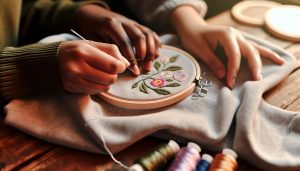
Embroidery allows you to transform a simple hoodie into a personalized masterpiece. You can either use a sewing machine or hand-stitch for a more unique touch. Consider starting with simple designs, such as initials, symbols, or patterns that resonate with you. To get started, gather the following supplies:
- Embroidery floss in various colors
- Embroidery needles suitable for your hoodie fabric
- Fabric stabilizer to prevent stretching
- Sewing hoop to keep your fabric taut while stitching
Begin by sketching your design on paper. Once satisfied, lightly trace it onto your fabric using a fabric pencil. Then, secure your hoodie in the sewing hoop, and start stitching! Remember to choose a thread color that contrasts nicely with your hoodie for a stunning visual effect.
Tie-Dye: Color Your World
Tie-dye is not only fun but also a fantastic way to breathe new life into your hoodie. The process is straightforward, and it allows for endless creativity! Gather your materials:
- Fabric dye or tie-dye kit
- Rubber bands or string
- Plastic squeeze bottles for applying dye
- Gloves to protect your hands
You can create various designs, from spirals to stripes. Start by wetting your hoodie and wringing it out so it’s damp but not dripping. Then, twist or fold the fabric and secure it with rubber bands. Next, apply the dye in the desired colors, and let it sit according to the dye instructions. Rinse the hoodie afterward until the water runs clear for the best results.
Caring for Your Customized Hoodie
To keep your personalized hoodie looking fresh, it’s essential to care for it properly. Always follow washing instructions, ideally washing in cold water and inside out to protect your designs. When using dyes, allow the hoodie to cure for 24 hours before washing it for the first time. Avoid bleach and fabric softeners to maintain the integrity of the fabric and your personalized touches.
With these simple yet rewarding projects, your hoodie can become a reflection of your style and creativity. Personalizing your favorite comfy wear not only enhances its aesthetic but also makes it uniquely yours!
FAQ
Q: What types of materials are used in hoodies?
A: Hoodies are commonly made from cotton, polyester, and blends of both. Cotton offers breathability and comfort, while polyester provides durability and moisture-wicking properties. Blended fabrics combine the best features of each, making them popular for everyday wear and active lifestyles.
Q: How do different materials affect hoodie comfort?
A: The comfort of a hoodie greatly depends on its material. Cotton is soft and breathable, making it ideal for casual wear. Polyester is less breathable but offers increased durability and moisture management, which is great for workouts. Consider your activity level when choosing.
Q: What are the benefits of eco-friendly materials in hoodies?
A: Eco-friendly materials, like organic cotton and recycled polyester, reduce environmental impact and often provide similar or enhanced comfort and durability. They can also promote sustainability, allowing consumers to make more environmentally conscious fashion choices while enjoying stylish hoodies.
Q: How can I tell if a hoodie fabric is of high quality?
A: High-quality hoodie fabrics generally feel soft and substantial without being overly stiff. Look for defined seams and stitching, test the fabric’s stretch and recovery, and consider reputable brands noted for quality craftsmanship. Reading user reviews can also provide insight into durability.
Q: Are there special considerations for washing hoodies made of different materials?
A: Yes, washing instructions can vary by material. Cotton can often be machine washed in warm water, while polyester should be washed in cold to maintain its shape and color. Always check label care instructions to prevent shrinking or fabric damage.
Q: What is the significance of weight in hoodie materials?
A: The weight of hoodie fabric affects its warmth and durability. Heavier fabrics provide more warmth and are ideal for colder climates, while lighter options are suitable for layering or milder weather. Consider the intended use when choosing fabric weight for your hoodie.
Q: Can hoodie materials impact how they hold their shape over time?
A: Yes, materials such as polyester tend to retain their shape better than cotton, which can stretch or sag after repeated washes. Blended fabrics can offer a balance of comfort and shape retention, ensuring your hoodie stays looking good longer.
Q: What should I consider when selecting a hoodie based on its fabric?
A: When selecting a hoodie, consider factors like climate, intended use (casual vs. active wear), personal comfort preferences, and care instructions. Experimenting with different materials can help you find the perfect fit for your lifestyle.
For more tips on caring for and customizing your hoodie, be sure to check out our article sections on washing and maintenance or explore stylish DIY ideas!
Insights and Conclusions
Now that you understand the materials that make up your favorite hoodies, you can make informed choices that enhance both comfort and style. Whether you’re looking to add a cozy layer for a night out or want practical advice on how to care for your beloved hoodie, our comprehensive buying guide equips you with the insights you need. Don’t wait-dive deeper into our articles on hoodie styling tips and DIY customization projects to truly express your personal style.
For those who want to keep their hoodies looking fresh, check out our essential washing instructions and stain removal tips to ensure longevity. And remember, your feedback matters! Share your thoughts in the comments or subscribe to our newsletter for exclusive updates and resources. Let’s keep the hoodie culture alive together-explore your next hoodie purchase or creativity project today!