In today’s fast-paced political landscape, wardrobe choices can speak volumes, and few have made a statement quite like Senator John Fetterman’s signature hoodies. Embracing this casual attire not only defies traditional political dress codes but also resonates with everyday Americans who value comfort and authenticity. Fetterman’s choice to don hoodies invites a fascinating conversation about how fashion can reflect personal identity and connect with constituents on a deeper level. As we explore why Fetterman champions this casual clothing, we’ll delve into the broader implications of fashion in politics and what it means for expression and representation. Whether you’re a fashion enthusiast, a political junkie, or simply curious about the hoodie phenomenon, this discussion promises to enlighten your perspective on how clothing can transcend mere fabric to become a powerful symbol of identity and connection.
Understanding Fetterman’s Hoodie Choices: A Political Analysis
John Fetterman’s choice to frequently wear hoodies serves as a powerful political statement that transcends mere fashion. In a realm often defined by stiff suits and formal attire, Fetterman’s relaxed style embodies a shift towards making politics more relatable and accessible. His hoodies, often paired with casual jeans, not only reflect a personal preference for comfort but also resonate with a broader audience that values authenticity over pretension. This choice can be seen as a rejection of traditional political attire, which Fetterman uses to signal his alignment with everyday Americans who feel disconnected from the often elite and formal connotations of conventional political dress.
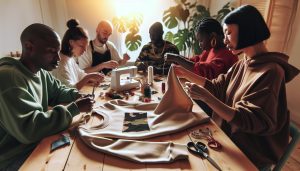
To care for your own hoodies, remember a few essential practices: always wash them in cold water to preserve color and shape, avoid high heat while drying to prevent shrinkage, and consider air-drying for longevity. If you’re looking to customize your hoodie, try some DIY techniques such as tie-dyeing or embroidery to add a personal touch-these creative projects not only enhance your wardrobe but also allow for self-expression reminiscent of Fetterman’s own unique style. Additionally, understanding different hoodie constructions, like fabric types and drawstring mechanics, can elevate your choices, ensuring you select options that fit your lifestyle and comfort needs.
Moreover, Fetterman’s impact on casual political fashion encourages others in the political sphere to embrace their individuality through clothing. His use of hoodies can be viewed as a form of empowerment, challenging the status quo and inviting a fresh narrative around what represents a professional appearance. By breaking down the barriers of dress in politics, he paves the way for a more inclusive interpretation of identity and professionalism in public life, encouraging voters to see their representatives as genuine individuals.
As you incorporate hoodies into your own style, consider how they reflect your beliefs and values. From layering over shirts for a casual office look to pairing with athleisure for weekend outings, hoodies can effortlessly combine comfort with personal expression. Embracing this ethos can make a significant statement about prioritizing authenticity in both fashion and politics.
The Cultural History of Hoodies in Politics
The hoodie has evolved over decades from a functional garment to a symbol of cultural identity and rebellion, and its place in the political arena has gained notable significance, especially with figures like John Fetterman making it a cornerstone of their public persona. In the political realm, where traditional garments like tailored suits and blazers reign supreme, the hoodie represents a break from convention. This shift not only showcases a politician’s personality but also speaks to broader social dynamics, encapsulating a sense of relatability and approachability that resonates with constituents.
Historically, hoodies have transcended simple fashion trends; they have been adopted by various movements advocating for social justice and equality. From the early adopters in the 1970s and ’80s, often linked to urban youth culture, to their later reclamation in protests, hoodies have connoted a sense of solidarity among marginalized communities. The choice of a hoodie as an everyday item by politicians like Fetterman symbolizes solidarity with the working class and those marginalized by the political elite. It deconstructs the barriers of traditional political fashion and invites a conversation about authenticity in modern governance.
Incorporating a hoodie into your own wardrobe can be both a fashion statement and a means of self-expression. When choosing a fabric blend, look for cotton-polyester mixes that balance comfort and durability. To maintain your hoodie’s vibrant look, wash it in cold water and tumble dry on low to prevent shrinkage. For those interested in customization, DIY techniques such as tie-dye or embroidery can transform your hoodie into a unique piece that expresses your individual style.
Moreover, understanding the hoodie’s construction-like checking for high-quality drawstrings and stitching-ensures your investment lasts. Whether you’re layering it over a crisp shirt for a relaxed office look or dressing it down with jeans for a casual outing, the versatility of hoodies makes them a fantastic addition to any wardrobe. As you embrace this stylish and comfortable garment, remember that it’s more than just a piece of clothing; it’s a reflection of your beliefs and values, much like it is for representatives like Fetterman.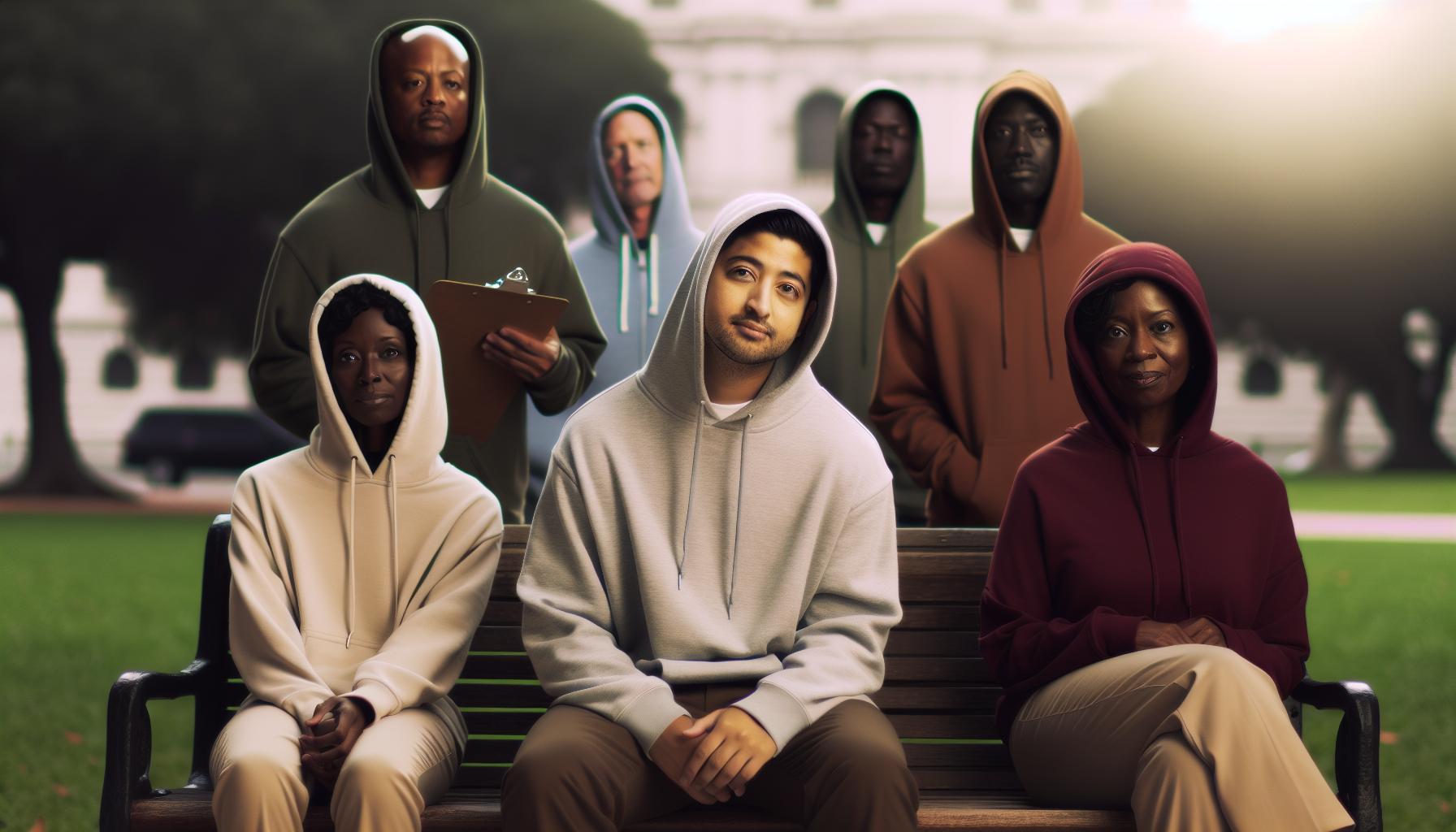
How Fashion Influences Perception in Politics
Fashion serves as a powerful force in shaping public perception, especially in the realm of politics. When politicians, like John Fetterman, choose to don hoodies, they are making a deliberate statement that transcends mere clothing. This choice reflects a breaking down of traditional political attire, suggesting that authenticity and relatability can resonate more deeply with voters than a standard suit and tie. Wearing a hoodie is not just about comfort; it’s an invitation for constituents to see their representatives as approachable and in touch with everyday life.
The hoodie’s casual nature often challenges the expectations that come with political office. By opting for a more relaxed attire, Fetterman positions himself as a man of the people, aligning with those who may feel alienated by the traditional elite. Research indicates that voters respond positively to candidates who appear relatable and genuine, often correlating their attire with their authenticity and openness. For many, the hoodie embodies a cultural symbolism that speaks to unity and social justice, aligning Fetterman with movements that emphasize these values. Such clothing choices can engender trust, making political figures more accessible and grounded in the electorate’s reality.
When integrating hoodies into your own wardrobe, consider how they can communicate your values or perspectives. For instance, picking a hoodie that supports a cause-whether it’s a charity or a local sports team-can act as a conversation starter while emphasizing your commitment to those values. To keep your favorite hoodies looking fresh, remember to wash them in cold water and hang them to dry to maintain shape and color. Additional care tips include checking for reinforced seams and sturdy drawstrings, which are signs of quality craftsmanship that can extend the life of your garment.
Customization can further enhance your hoodie as a personal expression. DIY projects like tie-dye and embroidery not only add a unique flair but can also reflect aspects of your identity or interests. Whether you’re choosing to style your hoodie with a smart jacket for a business casual look or pairing it with jeans for a laid-back day out, the versatility of hoodies provides countless opportunities for self-expression. By embracing this flexible garment, you are participating in a wider cultural movement that champions individuality and community, much like political figures such as Fetterman, who utilize fashion as a means to connect and communicate with their audience.
Fetterman’s Impact on Casual Political Fashion
In a world where politicians often opt for tailored suits and polished shoes, John Fetterman’s choice to wear hoodies has undeniably shaken up the landscape of political fashion. This bold sartorial decision not only prioritizes comfort but also serves as a deliberate statement that resonates with many voters who feel disconnected from traditional political figures. Fetterman’s approach invites constituents to view him as a relatable figure-an average individual navigating the complexities of governance while simultaneously representing the voices of the people.
Fetterman’s style underscores a significant shift toward casual wear in political environments, aligning him with a broader movement that champions authenticity and approachability. When he steps into the Senate donning a hoodie, he sends a message: he is accessible, down-to-earth, and unpretentious. This look transcends simple fabric choice; it embodies a philosophy that politics should reflect the lives and experiences of everyday Americans. As more leaders adopt similar casual attire, Fetterman’s influence can be observed in how emerging candidates are increasingly prioritizing comfort and relatability over conventional dress codes.
For those inspired by Fetterman’s impact on political fashion, there are practical steps to integrate hoodies into everyday wear while making personal style statements. First and foremost, consider fabric choices: go for high-quality cotton blends that ensure durability and comfort. When caring for your hoodies, wash them in cold water and air dry to maintain their fit and vibrancy. Understanding the technical details-for instance, look for reinforced seams and sturdy drawstrings-can enhance the longevity of your garments.
Customization can give your hoodie a personal touch that speaks to your identity and values. Try DIY projects like tie-dying or adding embroidered patches that symbolize causes important to you. Pairing your hoodie with more formal attire, such as a blazer, could create a chic business casual look while still keeping comfort at the forefront. Whether you wear it to an important meeting or a casual gathering, your choice of a hoodie can express both individuality and advocacy, echoing the bold statement Fetterman continues to make in the political arena.
Psychological Effects of Wearing Hoodies in Public Life
In today’s fast-paced world, the comfort of a hoodie can provide a psychological boost that goes beyond mere warmth; it promotes a sense of security and relaxation. Wearing a hoodie often evokes feelings of being in a safe space, which can be beneficial in high-stakes environments like public life, especially for politicians. Hoodies symbolize approachability and a down-to-earth nature, making them an effective tool for connecting with constituents on a personal level. This emotional connection can enhance relatability, especially for public figures like John Fetterman, who seek to bridge the gap between politics and the everyday experiences of ordinary citizens.
The Comfort Factor
The comfort that comes with wearing a hoodie can reduce stress and anxiety, enabling individuals to present themselves more authentically. In political settings, where the pressure to conform to a polished image is immense, Fetterman’s choice to wear a hoodie signals a departure from convention. By prioritizing comfort, he not only cultivates an image of authenticity but also encourages others to break free from the rigidity of traditional political attire. This shift can foster a more open and genuine discourse in public settings, allowing for deeper connections and conversations.
Empowerment through Personal Expression
Hoodies also offer a canvas for self-expression, whether through color, design, or custom elements. Wearing a hoodie that reflects personal values or political messages can instill confidence in individuals, turning a simple clothing choice into a powerful political statement. For example, DIY customization opportunities, such as tie-dying or adding patches that resonate with specific social causes, allow individuals to showcase their identities while promoting broader social justice movements. This empowerment through personal style not only boosts self-esteem but also fosters community among those who share similar ideals.
Caring for Your Hoodie: A Practical Guide
To maintain the vibe and comfort of your hoodie, proper care is essential. Here are some quick tips to ensure longevity:
- Washing: Always wash your hoodies in cold water to prevent shrinkage and fading. Turn them inside out to protect the outer surface.
- Drying: Air dry whenever possible. If you use a dryer, select a low heat setting to minimize the risk of fabric damage.
- Stain Removal: For stubborn stains, apply a mixture of vinegar and baking soda before washing. This natural solution is tough on stains but gentle on the fabric.
Incorporating hoodies into your public life can enhance your personal brand and serve as a means of connection in a landscape often dominated by formalities. The psychological effects of donning casual wear like hoodies not only contribute to comfort and confidence but also align well with contemporary movements that prioritize authenticity and relatability in politics.
Hoodies as Symbols: Social Justice and Identity
The hoodie, often associated with youth culture and casual wear, has increasingly become a potent symbol of social justice and individual identity. John Fetterman’s choice to don a hoodie transcends mere fashion-it communicates an alignment with the struggles and aspirations of marginalized communities. It’s not just clothing; it’s a statement that resonates deeply with constituents who often feel overlooked by traditional political discourse. By embracing this versatile garment, Fetterman represents a break from conventional political attire, signaling to voters that he is approachable and attuned to their realities.
When individuals wear hoodies adorned with messages or designs that reflect their beliefs, they engage in a form of personal expression that can have wider implications. Subtle or bold, these embellishments may include phrases advocating for social change, symbols supporting justice movements, or colors that signify cultural pride. This conscious choice of attire can forge connections among individuals who share similar ideals and foster a sense of community. For instance, a hoodie promoting equality or environmental sustainability not only speaks to the wearer’s values but also invites dialogue and solidarity among observers who feel similarly.
Maintaining and customizing hoodies can be a means of reinforcing identity. Here are some practical tips:
DIY Customization Ideas
- Embroidery: Add personal flair by sewing patches that symbolize causes you care about.
- Paint: Use fabric paint to create unique designs or slogans that resonate with your political beliefs.
- Tie-Dye: This fun project not only adds color but also allows for creative expression in a trendy, retro way.
Caring for Your Hoodie
To ensure that your hoodies maintain their statement-making quality, follow these care tips:
- Washing: Always wash in cold water and inside out to preserve colors and fit.
- Drying: Air dry to prevent shrinkage and damage, but if you must use a dryer, opt for a low heat setting.
- Stain Removal: Pre-treat stains with a blend of baking soda and vinegar for a gentle yet effective solution.
The intersection of fashion and political identity continues to evolve, and hoodies exemplify this shift towards a more relatable and inclusive political landscape. Whether you’re advocating for change in your community or simply expressing your individual identity, the hoodie serves as a versatile canvas for those who wish to blend activism with personal style. Fetterman’s embrace of this clothing choice illustrates how casual wear can effectively communicate values that resonate authentically with the public.
The Intersection of Comfort and Professionalism in Attire
The evolution of political attire has sparked a fascinating dialogue about the balance between comfort and professionalism. In an era where many politicians opt for suits and ties, John Fetterman’s choice to wear hoodies serves as a poignant reminder that comfort can coexist with a professional image. By embracing casual wear, Fetterman not only defies traditional dress codes but also aligns himself with the everyday experiences of his constituents. His hoodies convey an air of accessibility, suggesting that engagement in politics doesn’t have to be stuffy or exclusive.
For those wanting to express their own personal style while navigating professional environments, dressing down can be refreshing. It invites a sense of authenticity that can resonate with voters and constituents. Consider pairing a well-fitting hoodie with smart casual trousers, allowing for a comfortable yet polished look. The trend reflects a cultural shift towards valuing individual expression, where what you wear signifies your values and connection to the community. Hoodies, often perceived as relaxed and approachable, make powerful statements, especially when adorned with personal or political messages.
Choosing the Right Hoodie
To enhance your wardrobe while maintaining a professional demeanor, keep these elements in mind when selecting a hoodie:
- Fit: Opt for a tailored hoodie that offers a sleek silhouette rather than a baggy or oversized one.
- Fabric: Look for higher-quality materials like cotton blends that drape well and offer comfort without sacrificing style.
- Design: Simple, solid colors or understated graphics can elevate the overall look and maintain a level of professionalism.
Caring for Your Hoodie
To ensure your hoodie always looks its best, proper maintenance is essential:
- Washing: Wash in cold water and inside out to protect color and prevent pilling.
- Drying: Air drying is preferred; if you use a dryer, opt for a low heat setting to maintain shape.
- Stain Removal: For stubborn stains, try using a mixture of baking soda and liquid dish soap as a pre-treatment before laundering.
This blend of comfort and professionalism encourages individuals to express themselves while navigating their political lives. By following thoughtful styling and care practices, anyone can confidently wear hoodies in a way that balances casual appeal with an approachable yet respectful demeanor in professional environments.
How Voters Respond to Political Fashion Statements
The rise of casual wear in politics, particularly exemplified by John Fetterman’s consistent choice of hoodies, has sparked significant debate among voters, showcasing how attire can influence public perception and acceptance. Voters often interpret fashion statements not just as personal style but as reflections of a candidate’s values, approachability, and readiness to represent them. Fetterman, with his hoodies, has effectively communicated a message of accessibility, resonating with constituents who appreciate a break from the formalities typically associated with political dress codes. This casual yet intentional wardrobe choice opens avenues for connection, suggesting that the senator is in touch with the everyday realities of his constituents.
Moreover, research suggests that voters respond positively to authenticity; when politicians opt for clothing that feels genuine to their persona, it can foster trust and relatability. Fetterman’s hoodies-often seen as symbols of both comfort and informality-give the impression that he is approachable and grounded, qualities that many constituents find appealing. This strategic choice positions him against a backdrop of typical political attire, making him stand out as a refreshing alternative to more traditional candidates who might wear suits and ties.
Fashion in politics is also a conversation starter; it often invites discussion around broader themes such as social justice and identity. For instance, a hoodie can symbolize a variety of social movements, adding layers of meaning to Fetterman’s fashion choices. Voters may feel that when a politician adopts casual wear, it challenges the status quo, allowing for more open dialogue about inclusion and representation in governance.
Ultimately, the impact of such fashion statements extends beyond individual preferences. They shape the collective understanding of what political engagement looks like and can alter voters’ perceptions of what is appropriate or effective in a leader. Voters are, in many ways, voting on more than policies; they’re choosing candidates whose style, be it casual or formal, reflects their community values and aspirations. Embracing this casual narrative, as Fetterman does, allows for a broader reexamination of who belongs in politics and what that representation can look like.
Comparing Fetterman’s Style to Other Politicians
John Fetterman’s hoodie choices starkly contrast the polished suits and ties typically worn by politicians, setting him apart in a landscape often dominated by formal attire. Politicians like Barack Obama and Hillary Clinton have long favored the traditional power wardrobe, believing it conveys authority and professionalism. In contrast, Fetterman’s embrace of comfortable, casual wear, exemplified by his hoodies, reflects a deliberate strategy to connect with the electorate on a more personal level. His approach challenges the conformity of political fashion and invites a broader dialogue about representation and accessibility in governance.
While many political figures rely on their attire to communicate seriousness and competence, Fetterman’s style conveys relatability and authenticity. This choice resonates with voters who may feel uncomfortable with the elitism associated with tailored suits and formal events. Research indicates that politicians who adopt a more casual image can foster trust among constituents. For instance, Alexandria Ocasio-Cortez often opts for smart yet casual ensembles that resonate with younger voters, echoing Fetterman’s commitment to casual attire as a means of inclusivity. This refreshing departure highlights a growing trend where fashion choices become a symbol of a candidate’s values and connection to their community.
When considering the implications of Fetterman’s fashion on the broader political scene, it’s important to recognize the role of social movements in shaping public perception. Hoodies have become synonymous with various social justice causes, embedding deeper meaning into Fetterman’s wardrobe choices. This trend is not entirely new; figures like Bernie Sanders have also embraced more casual garb, particularly in settings that emphasize solidarity with working-class individuals. In doing so, Fetterman manipulates attire as a powerful tool to influence the narrative surrounding his political persona.
Ultimately, Fetterman’s unique fashion sense serves as both a personal and political statement, breaking barriers and redefining expectations. As other politicians take cues from this shift towards casual wear, it stands to reason that the changing landscape of political attire may very well reshape the way voters assess their leaders. The notion of professionalism is evolving, suggesting that comfort and approachability can coexist with authority in today’s political arena.
Crafting a Political Image: Fashion Strategies for Candidates
In today’s evolving political landscape, candidates increasingly recognize the role that fashion plays in shaping their public image. This shift is particularly evident in the way politicians like John Fetterman use casual attire, such as hoodies, to communicate their values and approachability. For candidates looking to craft a relatable political image, leveraging everyday attire can bridge the gap between traditional power dressing and modern, comfortable styles that resonate with voters.
A strategic approach to wardrobe choices involves understanding what associates with authenticity and connection. Fetterman’s hoodies symbolize a rebellion against the formalities of political fashion. This casual wear can suggest that a candidate is approachable and in touch with everyday citizens, making them more relatable. When crafting a political image, consider the following tips:
- Choose Comfort: Select clothing that allows for ease of movement and self-expression. This can include hoodies, jeans, or other casual wear that embodies a sense of comfort.
- Customization is Key: Personalize your hoodies with DIY embellishments like tie-dye patterns, patches, or embroidery to convey messages that reflect your campaign’s values.
- Color Matters: Colors can evoke emotions-warm tones can feel inviting, while cooler tones may convey calmness or professionalism. Choose hues that align with your campaign’s mood and message.
- Context Awareness: While embracing casual attire, it’s essential to remain mindful of the setting. A hoodie can be perfect for community events, but pairing it with smart accessories can elevate the look for formal gatherings.
In addition to styling, caring for your casual wear is vital for maintaining a polished image. Proper washing (gentle cycle, cold water) and stain removal techniques will keep your attire looking fresh. For those inclined to get creative, consider projects like fabric painting messages or symbols relevant to your political stance. These personal touches not only enhance your wardrobe but also act as conversation starters that engage voters on a deeper level.
Ultimately, as more candidates adopt casual styles, the traditional notions of professionalism are being redefined. Voters are increasingly valuing authenticity over formality, suggesting that a well-crafted casual image-fostered by choices like Fetterman’s hoodies-can effectively resonate within modern political discourse.
The Broader Implications of Casual Dress in Governance
In the rapidly evolving landscape of political attire, the shift towards casual dress is more than a mere trend; it reflects a cultural revolution that resonates deeply with voters. Politician John Fetterman’s choice of hoodies highlights this transformation, serving as a powerful statement about relatability and accessibility in governance. Unlike the traditional sharp suits and ties often associated with political authority, Fetterman’s wardrobe choices suggest an intentional break from formality, inviting constituents to view him as one of their own rather than a distant figure of power.
The implications of casual dress in governance extend beyond personal image; they reshape electoral dynamics and influence how constituents perceive their representatives. As more politicians adopt similar styles, they create a culture that values authenticity over archaic notions of professionalism. This shift raises important questions: What constitutes acceptable attire in political contexts? How can comfort and professionalism coexist? By embracing styles like hoodies, politicians signal to voters that they are approachable, which can foster stronger connections and greater trust.
Practical Guide to Elevating Your Hoodie Game
For those inspired by Fetterman’s iconic looks, there are plenty of ways to personalize and maintain hoodies that reflect both style and function. Here are some practical tips:
- Customization: Add a personal touch to your hoodies by engaging in DIY projects. Consider tie-dye or fabric paint to express your political views or personality.
- Caring for Your Hoodie: Keep your hoodie in top shape by washing it on a gentle cycle with cold water to preserve color and texture. Avoid fabric softeners, which can affect elasticity.
- Stain Removal: For stains, a quick mixture of baking soda and water can work wonders. Gently rub it into the stain before washing.
- Styling: Pair your hoodie with smart-casual wear like chinos or clean jeans to strike a balance between comfort and a polished look, suitable for both community events and more formal gatherings.
Ultimately, as political messaging evolves, so does the understanding of attire as a significant factor in communication. Hoodies symbolize a shift where comfort, relatability, and approachability are as valued as policy, representing a broader movement towards a more inclusive and accessible political landscape.
Faq
Q: Why does John Fetterman prefer wearing hoodies?
A: John Fetterman prefers hoodies as a reflection of his casual style and to connect with everyday Americans. This choice symbolizes comfort and relatability, appealing to constituents who appreciate his down-to-earth approach in politics.
Q: What does wearing a hoodie signify in today’s political climate?
A: In today’s political climate, wearing a hoodie can signify a break from traditional formal attire, representing accessibility and a shift towards a more casual and authentic political image. It reflects a leader’s desire to show solidarity with working-class individuals.
Q: How do voters perceive Fetterman’s hoodie culture?
A: Voters often perceive Fetterman’s hoodie culture positively, viewing it as a refreshing departure from conventional political fashion. His style resonates with those who value authenticity and approachability in their leaders, contributing to his overall appeal.
Q: Has Fetterman’s hoodie choice influenced other politicians?
A: Yes, Fetterman’s hoodie choice has influenced other politicians to embrace more casual attire. This shift encourages a trend towards comfort over formality, allowing politicians to connect more genuinely with their constituents.
Q: What psychological effects might wearing a hoodie have on public figures?
A: Wearing a hoodie can create a sense of comfort and ease, which may positively affect how public figures, like Fetterman, present themselves. This casual attire can help reduce anxiety and foster a more approachable image, resonating with voters.
Q: Are there notable differences between Fetterman’s style and traditional political attire?
A: Yes, Fetterman’s style starkly contrasts with traditional political attire. While most politicians opt for suits and ties to convey professionalism, Fetterman’s hoodies embrace a more relaxed and relatable image, emphasizing authenticity over formality.
Q: How can political fashion statements shape public perception?
A: Political fashion statements, such as wearing hoodies, can significantly shape public perception by influencing how voters relate to candidates. Casual attire can enhance a politician’s image as approachable and in touch with the public’s everyday struggles.
Q: What resources are available for creating a personalized hoodie style?
A: To create a personalized hoodie style, consider DIY customization techniques like tie-dye, embroidery, or fabric paint. You can also explore various hoodie care guides to ensure longevity and maintenance, ensuring your fashion statement shines.
To Conclude
As we conclude our exploration of “Why Does Fetterman Wear Hoodies? The Political Fashion Statement,” it’s clear that this wardrobe choice transcends mere style-it’s a bold statement of identity and relatability in the political sphere. If you’re inspired to express yourself through your own hoodies, don’t miss our guides on DIY customization and styling tips that can empower you to make that personal statement. Check out our articles on hoodie care and creative projects like tie-dye and embroidery to keep your favorite pieces looking fantastic.
Ready to dive deeper? Join our newsletter for exclusive insights into fashion statements that shape politics, or explore our extensive collection of hoodie-related content to further enhance your wardrobe. Your journey into the world of comfortable casual fashion doesn’t have to end here; share your thoughts in the comments below or connect with us on social media. Remember, your hoodie can be more than just clothing-it can be a conversation starter!