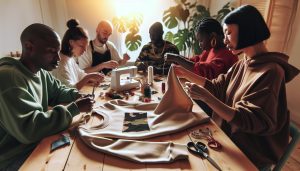
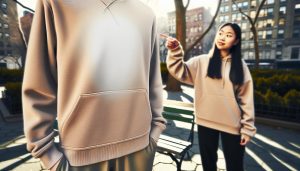
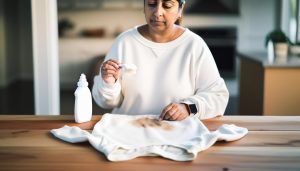
Did you know that the hoodie has evolved from a functional piece of sportswear into a fashion staple embraced by all? Designing your own sweatshirt can be an incredibly rewarding experience, allowing you to express your unique style while ensuring comfort. In this guide, we’ll break down the creative process of designing a sweatshirt, making it accessible and enjoyable for everyone. Whether you’re looking to customize a cozy garment for personal use or create one as a thoughtful gift, understanding the key elements-like fabric choice, fit, and design techniques-will help you achieve the perfect look. So, get ready to unleash your creativity and learn how to turn your vision into reality, one stitch at a time!
Choosing the Right Fabric for Your Sweatshirt
is an essential step that can significantly impact not only the look and feel of your garment but also how it performs in different settings. The fabric you select should reflect not just the style you want to achieve but also the functionality you need, whether for lounging at home, sporting activities, or casual outings. Consider this: the feel of the fabric against your skin can make all the difference in how often you reach for that favorite sweatshirt in your wardrobe.
When crafting your custom sweatshirt, you’ll generally find popular fabric options such as cotton, polyester, or blends of these materials. Cotton is renowned for its softness, breathability, and comfort, making it an ideal choice for everyday wear. Polyester, on the other hand, offers durability and moisture-wicking properties, which means it’s a great option if you plan to engage in physical activities while wearing your sweatshirt. Blended fabrics, such as cotton-polyester blends, marry the best of both worlds, providing the softness of cotton combined with the resilience of polyester. This blend tends to hold its shape better and resists shrinking, which is a huge bonus for your peace of mind.
### Key Fabric Options to Consider
- Cotton: Soft, breathable, and ideal for a cozy feel.
- Polyester: Tough, quick-drying, and great for active wear.
- French Terry: Medium-weight fabric with a looped backside, perfect for casual settings and layering.
- Fleece: Extra warmth and softness, excellent for colder climates.
Choosing the right weight is another crucial factor. Lightweight fabrics are comfortable for layering and can be worn in multiple seasons, while heavier materials provide more warmth and structure, making them suitable for winter wear. Always pay attention to the fabric weight, typically measured in grams per square meter (GSM). A higher GSM usually translates to a warmer sweatshirt, while a lighter option might be perfect for casual wear in milder weather.
When finalizing your fabric choice, don’t forget to consider sustainability. Many brands now offer eco-friendly fabrics made from organic cotton or recycled materials, allowing you to sport your personalized sweatshirt guilt-free, catering to your aesthetic while being kind to the planet. Whether you’re lounging on the couch or heading out with friends, the right fabric choice can enhance both your comfort and style, allowing you to enjoy your custom design to the fullest.
Essential Measurements for Perfect Fit
Getting the fit of your sweatshirt just right can elevate your comfort and style to new heights. While the design may be eye-catching, the measurements are what ultimately dictate how well the garment will hug your body. Understanding how to take key measurements plays a crucial role in ensuring that your custom sweatshirt not only looks good but also feels good during wear, whether you’re lounging at home or heading out for a casual outing.
To begin with, gather a measuring tape and wear a form-fitting top to accurately capture your body measurements without interference. The most important dimensions to consider include the chest, waist, hips, and sleeve length.
- Chest Width: Measure around the fullest part of your chest while keeping the tape parallel to the ground. This measurement will ensure a comfortable fit across your torso.
- Waist Width: Measure around your natural waistline, which is typically just above your belly button. This measurement helps create a tailored silhouette.
- Hip Width: If your sweatshirt design extends over your hips, measure around the widest part of your hips to ensure that it sits comfortably.
- Sleeve Length: With your arm relaxed at your side, measure from the center back of your neck, across the shoulder, and down to your wrist. This ensures that the sleeves are the right length for your arms.
When you have these measurements, compare them to the sizing chart provided by your sweatshirt manufacturer or brand. This step is particularly vital because sizing can vary significantly between brands. Don’t forget that you may want to include additional ease-extra room for comfort-when choosing your size, especially if you plan to layer your sweatshirt over other clothing.
Finally, consider the intended style. If you’re aiming for a more fitted look, you might want to opt for a size down. Conversely, for a relaxed, oversized aesthetic that stays on-trend, select a larger size. These small adjustments can make a big difference in how you feel in your sweatshirt, balancing style and comfort effortlessly. Embrace this process as the first step toward creating a personalized piece that reflects your style and makes you feel great!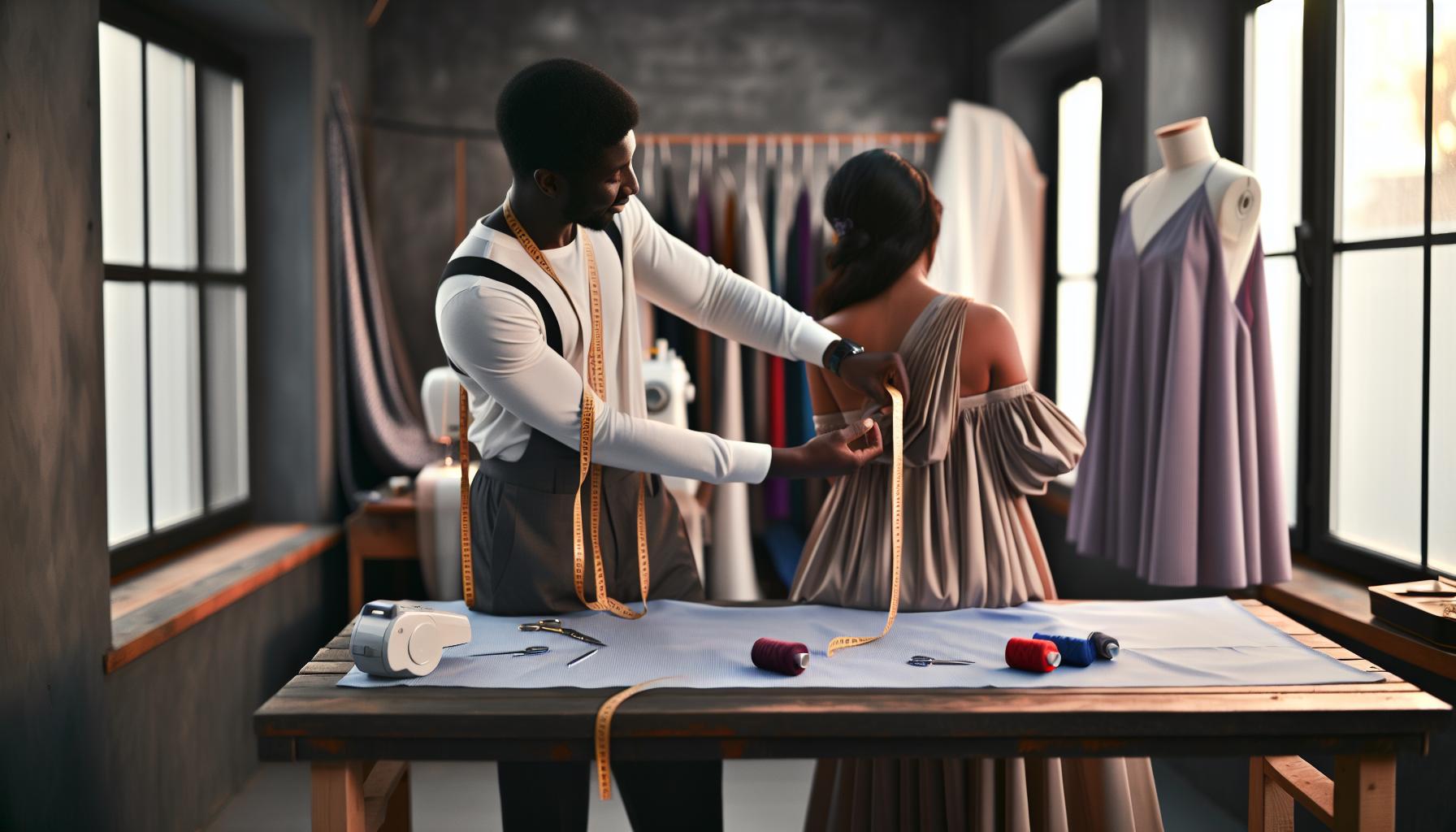
Creating a Unique Design with Color and Graphics
Creating a standout design for your sweatshirt is an opportunity to express your personality, creativity, and style. The right combination of colors and graphics can transform a simple piece of clothing into a statement item that reflects who you are. Whether you’re looking to showcase your favorite quotes, vibrant patterns, or unique illustrations, the design process can be both fun and rewarding.
Start by considering the mood you want to convey. Bright, bold colors tend to evoke energy and excitement, making them perfect for a spirited look. In contrast, muted tones can create a more laid-back, sophisticated vibe. Utilize color theory to your advantage: complementary colors can create striking visuals, while analogous colors can produce a more harmonious feel. Tools like Canva and other online design platforms often offer color palettes that can help guide your choices.
When it comes to graphics, think about the message or imagery that resonates with you. You could incorporate personal artwork, logos, or meaningful symbols. Don’t shy away from experimenting with typography; a carefully selected font can add a layer of personality to your sweatshirt. Play around with the placement of your design, whether it’s a large graphic across the chest, a subtle logo on the sleeve, or even a repeating pattern across the hood. Consider how the design interacts with the fabric-colors can appear differently on varying materials, so always test swatches if possible.
Additionally, try to incorporate DIY touches to make your sweatshirt truly one-of-a-kind. Techniques such as tie-dye, embroidery, or fabric painting can add texture and depth to your design. Not only do these methods personalize your garment, but they also align with sustainable practices by allowing you to upcycle an older sweatshirt or customize one to fit your style perfectly. Remember to ensure that any additional embellishments are securely attached and washable; this ensures your creation will last and remain vibrant through countless wears and washes.
Lastly, once you’ve finalized your design, make sure to visualize it on the sweatshirt through mock-ups available on design platforms. This step is crucial, as it provides insight into how the colors and graphics will harmonize with the overall garment. By embracing this creative process, you can craft a unique piece that not only elevates your wardrobe but also serves as a canvas for your individual expression.
Adding Personal Touches: Customization Ideas
The beauty of sweatshirts lies not just in their comfort but in the endless opportunities for personalization. When you decide to infuse your sweatshirt with personal touches, it transforms into a unique piece that truly reflects your identity. Consider adopting some fun ideas that can elevate your sweatshirt game, whether it’s for a cozy night in, a casual outing, or a special event.
Creative Customization Techniques
One exciting way to customize your sweatshirt is through DIY techniques that offer a personal flair. For example, you can try tie-dye to create vibrant, swirled patterns that stand out. Gather some fabric dye, rubber bands, and a spray bottle to get started. Wrap sections of your sweatshirt tightly with rubber bands and apply dye in various colors. Let it set for a few hours and then rinse it out for stunning results.
Embroidery is another fantastic option, allowing you to add names, initials, or even small graphics. You don’t need to be a sewing expert; simple stitches can create beautiful designs. Purchase an embroidery kit and follow online tutorials to learn basic techniques. Adding a small embroidered logo or a favorite quote on the pocket or sleeve can make your sweatshirt truly yours.
Utilizing Art and Graphics
If you’re looking for a quick yet impactful way to customize, consider using iron-on transfers. You can easily print out graphics or phrases onto transfer paper with your printer, then use an iron to attach them to your sweatshirt. This method allows for high levels of creativity-think about incorporating your favorite band logo, a meaningful image, or a fun quote that resonates with you.
For those with a knack for digital design, platforms such as Canva offer free templates that can assist in crafting unique graphics. Once you design a standout piece, you can print it on transfer paper or have it printed professionally and heat-pressed onto your sweatshirt.
Adding Functional Elements
Don’t forget about functional touches that enhance both style and comfort. Consider swapping out standard drawstrings for colorful, patterned ones or adding extra pockets that reflect your personality. These little details can turn an ordinary sweatshirt into something extraordinary.
To keep your customized sweatshirt looking fresh, remember to wash it inside out on a gentle cycle and hang it to dry to maintain the integrity of your designs. Avoid using bleach and opt for mild detergents to prevent fading.
By embracing these customization ideas, your sweatshirt evolves into a canvas of self-expression, showcasing your personal style and making a statement wherever you go. Whether through simple DIY projects or bold graphics, the possibilities are as limitless as your imagination.
Understanding Sweatshirt Construction Basics
Understanding the intricate details of sweatshirt construction can take your design game to a whole new level. Knowing how different elements come together not only helps you make informed choices when customizing your sweatshirt but also empowers you to appreciate the artistry behind it. A sweatshirt is more than just fabric stitched together; it combines materials, styles, and functionalities that influence comfort and appearance.
One of the key aspects is the fabric choice. Sweatshirts typically use materials like cotton, polyester, or blends, each offering unique qualities. Cotton provides breathability and softness, while polyester adds durability and moisture-wicking capabilities. For a cozy, retro feel, consider options like brushed fleece, which enhances warmth without bulk. Understanding fabric weight-measured in ounces per square yard-can also inform your choice, as it affects the sweatshirt’s drape and warmth.
Equally important are the construction techniques. Most sweatshirts feature a pullover or zip-up design, with varying necklines, cuff styles, and waistband finishes. The choice between ribbed cuffs and hems versus bands can impact the overall silhouette. If you’re opting for customization, consider where your design will be placed. Whether you prefer screen printing, embroidery, or iron-on transfers, knowing the construction will help you choose the right areas to apply your creative elements.
Pay attention to the measurements and fit. Standard sizes are handy, but a tailored fit often enhances style and comfort. Be mindful of sleeve length, body length, and shoulder width, ensuring your design accommodates various body shapes. Participating in the hoodie culture means not only showcasing a unique design but also wearing something that feels right on you.
Lastly, consider how details like drawstrings and pockets can elevate your sweatshirt’s functionality and aesthetic. Drawstrings can be swapped out for more vibrant or patterned alternatives, adding a touch of personality. Understanding these elements empowers you to create sweatshirts that don’t just look good but also serve a purpose, balancing style and practicality seamlessly. So, embrace the construction basics as you embark on your creative journey in sweatshirt design-it’s the blend of knowledge and creativity that will truly make your piece stand out!
Washing and Caring for Your Sweatshirt
Caring for your sweatshirt is crucial for maintaining its look, feel, and longevity, ensuring that your stylish designs remain vibrant and comfortable over time. With the right approach, you can keep your favorite hoodies in prime condition, making them last through countless wears and washes.
To start, always look for specific care instructions on your sweatshirt’s label, as different fabrics may require unique treatments. As a general rule, wash your sweatshirts after about five or six wears, depending on how sweaty or soiled they are. Using cold water is ideal; not only does it save energy, but it also helps maintain the color and integrity of the fabric. Avoid harsh detergents and opt for mild options to prevent damage to the fibers.
Washing Tips
- Turn It Inside Out: This protects the outer fabric from friction and fading.
- Avoid Fabric Softeners: While they might smell nice, fabric softeners can build up residue that affects moisture-wicking capabilities.
- Skip the Dryer: Air drying your sweatshirt is best to prevent shrinkage and maintain its shape.
For those inevitable stains-whether it’s from a lunch mishap or an accidental splatter-the sooner you treat them, the better. Blot the stain gently with a clean cloth to absorb excess liquid, then apply a suitable stain remover or a mix of water and mild detergent. For tougher stains, you might consider soaking the affected area for a brief time before washing.
Customization and Maintenance
Your creativity can extend beyond design and styling; for instance, if you’ve personalized your sweatshirt with DIY elements like tie-dye or embroidery, handle it with care. These techniques bring a personal flair but may require gentle washing practices to preserve the artwork. Avoid abrasive washes and consider placing your sweatshirt in a mesh laundry bag to protect it during cleaning.
By embracing these care strategies, your sweatshirt can effortlessly transition from cozy at-home wear to a stylish casual ensemble, reinforcing your unique style while ensuring enduring comfort. Whether you’re customizing a new sweatshirt or maintaining an old favorite, these simple yet effective tips will have you showcasing your designs with pride for many seasons to come.
Stain Removal Techniques for Everyday Life
Jumping into the vibrant, cozy world of sweatshirts often leads to unexpected challenges, like stubborn stains that threaten to ruin your favorite piece. Whether it’s a drop of coffee during your morning rush or a splatter of tomato sauce at lunchtime, knowing how to handle stains efficiently can save your beloved sweatshirt from an early demise. The secret lies in acting swiftly and using the right techniques to keep your hoodies looking fresh and stylish.
When you encounter a stain, the most important rule is to act quickly. First, gently blot the area with a clean cloth to absorb as much of the excess liquid as possible-don’t rub, as this can spread the stain or push it deeper into the fabric. For common stains such as grease, simply applying a few drops of dish soap mixed with water can work wonders. Dip a cloth into the soapy mixture and gently dab at the stain until it begins to lift. After blotting, rinse with cool water and let it air dry.
For more stubborn stains, you may want to create a paste using baking soda and water. Apply this paste directly onto the stain and let it sit for about 30 minutes before rinsing. This natural remedy is effective for a variety of stains, from ink to mud. It’s important to remember that for any DIY stain removal method, testing a small, inconspicuous area of the sweatshirt first is best to ensure the fabric doesn’t react adversely.
In some cases, using a commercial stain remover can be your best ally. Just make sure to apply it according to the product’s instructions, and as always, rinse thoroughly. After treating the stain, wash your sweatshirt following the care guidelines-turn it inside out, and opt for a gentle cycle with cold water to keep those vivid designs intact. By integrating these practical stain removal techniques into your routine, you’ll not only prolong the life of your hoodie but also maintain its charm, allowing you to showcase your unique style with confidence.
Dress Up or Down: Styling Your Sweatshirt
Sweatshirts are the epitome of comfort, but they can also be styled in a multitude of ways that elevate your outfit from casual to chic. The beauty of the sweatshirt lies in its versatility; it can seamlessly transition from a relaxed day look to a polished evening ensemble with just a few simple changes. This makes it an essential piece in any wardrobe, especially when designed thoughtfully with your personal style in mind.
To dress up your sweatshirt, consider pairing it with tailored pants or a sleek skirt. High-waisted trousers with a belt can transform the casual fabric into a smart, on-trend outfit. Adding a pair of statement heels or ankle boots will further enhance the look, perfect for brunch outings or casual office settings. Don’t shy away from layering; a structured blazer or a long coat can create a sophisticated silhouette that balances the relaxed vibe of the sweatshirt while maintaining warmth.
On the flip side, achieving a laid-back look is just as easy. For a more relaxed aesthetic, try teaming your sweatshirt with your favorite joggers or denim shorts. Accessories play a crucial role here. A cap and sneakers can add a sporty touch, while a crossbody bag and some simple jewelry can elevate the ensemble without sacrificing comfort. Playing with colors, patterns, and graphics can also add a personalized flair to your hoodie; opt for vibrant prints or tie-dye effects to brighten up any casual outfit.
Ultimately, the art of styling your sweatshirt comes down to balancing comfort and fashion. The incorporation of various textures-like pairing a soft cotton sweatshirt with leather or linen-can create visual interest while elevating your overall appearance. Whether you’re heading to a cozy date night or running errands, your sweatshirt can easily keep you looking stylish while feeling snug. Embrace the flexibility of this wardrobe staple, and let your creativity flow!
Top Brands for Quality Sweatshirts
When it comes to selecting the perfect sweatshirt, the brand can significantly influence both the quality and comfort of the garment. Renowned brands often ensure superior craftsmanship, using high-quality materials that not only feel great against the skin but also withstand the test of time. Here are some standout brands that consistently deliver exceptional sweatshirts, perfect for customization or simply enjoying that cozy vibe.
Quality Brands to Consider
- Champion: Famous for their durable fabric and classic designs, Champion sweatshirts are perfect for both casual wear and athletic activities. Their reverse weave technology gives them extra durability and a unique texture, making them an ideal choice for custom prints.
- Gildan: Known for affordability without compromising quality, Gildan offers a wide range of styles and colors. Their sweatshirts are popular for custom screen printing due to their smooth surface and variety of fits.
- Hanes: A staple in comfortable clothing, Hanes sweatshirts are soft, breathable, and perfect for everyday wear. Their EcoSmart line is made from recycled materials, offering a sustainable option for eco-conscious consumers.
- American Apparel: If you’re looking for a stylish and modern fit, American Apparel has you covered. Their sweatshirts are made from high-quality fabrics and come in trendy colors and styles suitable for showcasing unique designs.
- Under Armour: Perfect for those who lead an active lifestyle, Under Armour sweatshirts offer moisture-wicking technology and a snug fit, providing comfort during workouts. They’re also great for adding your logo or personal designs.
Choosing a brand that aligns with your needs not only elevates the comfort level but also provides a blank canvas for your design creativity. Whether you prefer lightweight hoodies for layering or heavier, cozy models for chillier days, these brands offer a perfect starting point. Paying attention to the fabric, fit, and features ensures that your sweatshirt is not just stylish, but also practical and ready for whatever adventures lie ahead.
Remember, when customizing your sweatshirt, consider the construction details like stitch types and drawstrings, which can impact both appearance and functionality. Opt for brands that prioritize quality so that your designed pieces not only look great but also last through many wears and washes. Pair these tips with your creative design ideas to craft sweatshirts that don’t just make a statement but also reflect your unique personality.
Budget-Friendly DIY Custom Sweatshirt Projects
Engaging in DIY projects not only allows for creativity but also offers an affordable way to make your sweatshirt truly one-of-a-kind. If you’ve got an old sweatshirt or are looking for budget-friendly options, there’s a variety of ways to customize and make it your own. From simple fabric paints to intricate embroidery, your imagination is the limit!
One popular method is tie-dyeing, which can breathe new life into a plain sweatshirt. You just need some fabric dye, rubber bands, and gloves. Start by twisting sections of the sweatshirt and securing them with rubber bands, then apply the dye in vibrant colors. After letting it sit, rinse and dry according to the dye package instructions. You’ll end up with a unique piece that reflects your personal style.
Another exciting option is to create designs using fabric paint or markers. You can sketch favorite quotes, symbols, or patterns right onto the fabric, allowing the sweatshirt to tell your story. If you’re feeling crafty, stencils can help achieve cleaner lines and shapes. Remember to set your designs by following the paint instructions for durability, ensuring your designs stay vibrant even after multiple washes.
For a more textile-oriented approach, consider sewing on patches or appliqués. This can be particularly fun if you have old clothing or fabric scraps lying around. Not only does this add texture and interest, but it also provides a personalized touch that expresses your interests and hobbies.
Finally, don’t overlook the power of accessories. Adding unique drawstrings or embellishments to the hoodie can make a basic design something special. Look for colorful laces or even decorative beads that can be threaded through the hood!
Each of these projects not only offers a way to make your sweatshirt stylish, but they also tap into the rich culture of personalization in fashion, empowering you to wear something that’s distinctly yours. So gather your materials, unleash your creativity, and get ready to craft a piece that’s as unique as you are!
Sustainable Practices in Sweatshirt Design
In today’s fashion landscape, sustainability in sweatshirt design is more than just a trend-it’s a necessity. With growing environmental awareness, both brands and consumers alike are prioritizing practices that minimize ecological impact. Opting for sweatshirts made from organic materials, such as cotton or recycled fabrics, not only reduces water usage and pollution but also supports ethical labor practices. Brands like Good Thread Gang specialize in unisex sweatshirts crafted from 100% organic cotton, showcasing how sustainable choices can merge with style and comfort [[1]].
To dive deeper, here are some sustainable practices to consider when designing or purchasing sweatshirts:
- Material Selection: Choosing materials like organic cotton, bamboo, or recycled polyester can significantly lower your carbon footprint. These materials require fewer chemical fertilizers and pesticides, leading to healthier ecosystems.
- Low Waste Design: Look for brands that employ ‘zero waste’ patterns. This method utilizes every inch of fabric, minimizing leftover waste and promoting a circular economy.
- Local Production: Supporting brands that manufacture locally reduces carbon emissions associated with shipping and promotes fair labor practices. Custom options are often available through local companies that adhere to sustainable practices.
- Durability Over Fast Fashion: Investing in high-quality sweatshirts ensures longevity, reducing the need for frequent replacements. Brands focused on sustainable craftsmanship often provide warranties for their products.
Proper care and maintenance are equally vital for sustainability. Washing your sweatshirt in cold water and air-drying can prolong its lifespan and conserve energy. Additionally, opting for natural detergents minimizes chemical runoff into our waterways.
By integrating these sustainable practices into your sweatshirt design choices or DIY projects, you not only contribute to a healthier planet but also add an element of creativity and personal flair to your wardrobe. Embracing sustainability in your fashion choices allows you to express individuality while making a positive impact-truly the best of both worlds.
Exploring Hoodie Culture Through the Years
Hoodies have a rich and varied history that reflects shifts in culture, technology, and style over the decades. Originally designed for workers in the 1930s, the hoodie started as practical attire-a way to offer warmth and protection in unheated warehouses. However, it took on new meanings as it made its way into urban streetwear in the 1970s, intertwined with the rise of hip-hop culture and youth subcultures, symbolizing rebellion and individuality. As their popularity surged, hoodies became synonymous with comfort and casual elegance, evolving into a staple of modern wardrobes across the globe.
The iconic garment is not just versatile in style but also in how it’s customized and cared for. DIY enthusiasts often embrace the hoodie as a canvas for personal expression, utilizing techniques such as tie-dye, embroidery, and screen printing. These creative endeavors not only enhance the individuality of each piece but also foster a deeper connection to the garment itself. When designing or customizing a hoodie, consider the importance of fabric choice to ensure durability, comfort, and ethical sourcing. Selecting materials like organic cotton or recycled fabrics allows for both a stylish and sustainable wardrobe.
Maintaining the perfect hoodie is equally important once you’ve crafted or invested in one. Washing your hoodie in cold water and air-drying it helps preserve the fabric, preventing shrinkage and color fading. For everyday stains, a gentle dab of a natural detergent can go a long way without harming the material or the environment. Simple care techniques can extend the life of your garment, allowing you to enjoy your personalized hoodie for years to come.
Embrace styling versatility by dressing your hoodie up or down. Layer it over a casual dress for a chic, relaxed look or pair it with tailored pants and boots for a trendy twist. With the right accessories, a hoodie can transition from lounging at home to out on the town, making it a true wardrobe staple. By understanding and celebrating the multifaceted culture of hoodies, you not only elevate your fashion choice but also connect with a broader narrative of creativity and self-expression through clothing.
Faq
Q: What are the first steps to design a sweatshirt?
A: To design a sweatshirt, start by selecting your fabric and determining the style you want. Consider features like the neckline, sleeve length, and fit. Create sketches to visualize your ideas and make a list of materials needed for your project. For detailed guidance, refer to the section on Choosing the Right Fabric for Your Sweatshirt.
Q: How can I ensure my sweatshirt fits well?
A: Ensure a good fit by taking accurate measurements of your body, including chest, waist, and sleeve length. Use these measurements to select the right size based on the pattern you choose. For more tips, check the Essential Measurements for Perfect Fit section of the article.
Q: What software can I use to design sweatshirt graphics?
A: Popular software for designing sweatshirt graphics includes Adobe Illustrator for vector graphics and Photoshop for raster images. Additionally, free options like Canva can be useful for creating simpler designs. Explore the Creating a Unique Design with Color and Graphics section for more insights.
Q: How do I apply personal touches to my sweatshirt design?
A: You can add personal touches through customization techniques such as embroidery, fabric appliqué, or tie-dye. Consider using iron-on patches or unique prints that reflect your style. Check out the Adding Personal Touches: Customization Ideas section for more on customization methods.
Q: What techniques can I use for sustainable sweatshirt design?
A: Sustainable sweatshirt design includes using organic fabrics, upcycling existing materials, and minimizing waste. Look for eco-friendly suppliers and consider designs that allow for easy disassembly for recycling. For a deeper dive, see the Sustainable Practices in Sweatshirt Design section.
Q: How should I care for my sweatshirt after designing it?
A: Care for your sweatshirt by washing it in cold water and air drying to maintain the fabric and design. Avoid bleach and high heat to prevent shrinking and fading. For detailed washing instructions, refer to the Washing and Caring for Your Sweatshirt section.
Q: Where can I find inspiration for sweatshirt designs?
A: Inspiration for sweatshirt designs can be found on social media platforms like Pinterest and Instagram, as well as through fashion blogs and design magazines. Explore the Exploring Hoodie Culture Through the Years section for insights into current trends.
Q: What common mistakes should I avoid when designing a sweatshirt?
A: Common mistakes include neglecting to test your design on a sample fabric and not considering the sweatshirt’s intended use. Ensure your designs are practical and take fit and comfort into account. For more tips on design pitfalls, review the article thoroughly for best practices.
In Conclusion
Now that you’ve mastered the art of designing your sweatshirt, it’s time to take action! Remember, the right design can express your unique style and comfort. If you’re eager to expand your hoodie knowledge, check out our guides on DIY customization techniques and care tips for keeping your creations looking fresh. You might also enjoy our article on the latest hoodie styling trends, which will help you elevate your casual wear game.
Don’t forget to subscribe to our newsletter for exclusive tips, resources, and inspiration straight to your inbox. Have a question or want to share your latest design? Drop a comment below; we love hearing from our fellow hoodie enthusiasts! Your next creative project is just around the corner-let’s make it happen together. Embrace your creativity and wear your designs proudly!