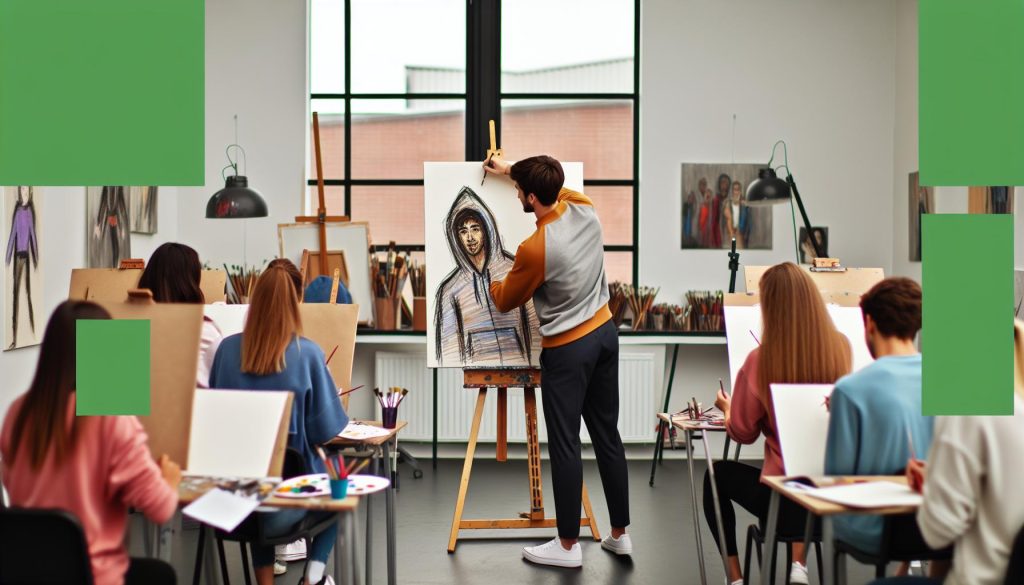
Hoodies are more than just comfortable clothing; they symbolize style, individuality, and casual coolness. Whether you’re looking to express yourself through art or simply want to learn how to depict this beloved garment, mastering the art of drawing a person in a hoodie can elevate your skills. In this step-by-step tutorial, you’ll uncover techniques to capture the unique look and feel of hoodies, from their cozy construction to the way they drape and move. Artistically, drawing a hoodie presents both challenges and opportunities, making it a rewarding endeavor for both beginners and seasoned creators. As we delve into the process, you’ll gain valuable insights that can apply to your overall drawing practice, so grab your sketchbook and let’s bring the spirit of comfort and style to life on the page!
How to Choose the Right Hoodie for Drawing
When it comes to drawing a hoodie, selecting the right style is crucial for capturing both its aesthetic and functional elements. The variety of hoodies available can spark creativity, so understanding the types can enhance your drawing experience. For instance, you might choose a classic pullover for its simplicity or an oversized hoodie that enhances the relaxed vibe. The fit and style you select should align with the personality you wish to portray in your artwork.
To start, consider the fabric of the hoodie you want to depict. Different materials, like cotton and polyester blends or fleece, can affect how light interacts with the garment, influencing shadows and highlights in your drawing. Observing the fabric’s texture during the drawing process will help you represent it more realistically. Pay attention to essential features such as drawstrings, pockets, and seams, which can add character and realism to your illustration. A well-defined hood, for instance, will frame the face and create a sense of depth in your work.
When selecting a hoodie for your art project, identify your theme or message. Are you going for a sporty look, as seen in graphic styles that are perfect for casual scenes, or a more sophisticated vibe with sleek lines? This decision will guide your choice of colors and designs, making your artwork more coherent. To further immerse yourself in the hoodie culture, think about customizing your hoodie through methods like tie-dye or embroidery. These creative touches can provide additional inspiration for drawing unique patterns and styles.
Recognizing these elements not only enhances your drawing skills but also fosters a deeper appreciation for the versatile world of hoodies, which combines comfort, style, and creative expression. Whether you’re aiming for realism or a stylized illustration, the right hoodie choice will serve as your canvas for artistic exploration.
Essential Tools and Materials for Your Drawing

When embarking on the artistic adventure of drawing a person in a hoodie, having the right tools and materials can significantly enhance your experience and the outcome of your artwork. A well-organized workspace not only fosters creativity but also streamlines the drawing process. Here’s a comprehensive guide to the essentials you’ll need, whether you’re a novice or a seasoned artist looking to refine your skills.
Begin with the basics: a quality sketchbook or drawing paper is essential. Look for paper that can handle a variety of mediums, such as pencil, ink, or colored pencils. A heavier weight paper (around 200 gsm or more) is ideal if you plan to add layers or use wet media like watercolors. Pair this with a range of pencils-different grades allow you to explore varying levels of darkness and detail. A mechanical pencil can provide precision, while traditional wood pencils offer versatility.
- Pencils: Use a selection including HB for outlines, 2B for shading, and 6B for darker details.
- Erasers: A kneaded eraser can gently lift graphite without damaging the paper, while a standard eraser is great for larger areas.
- Inking tools: Fine-liner pens or brush pens can add outlines and details. Choose waterproof options if you plan on adding color later.
- Coloring materials: Colored pencils, markers, or watercolors can bring your hoodie illustration to life. For a cohesive look, select colors that resonate with your hoodie’s theme.
Another important aspect is the use of references. To accurately depict the draping and movement of a hoodie, consider gathering physical or digital references. You can photograph friends wearing hoodies or search online for examples of various styles and fits. This helps in understanding how fabric interacts with the body, from the way it hangs to how it folds and creases.
Creative Touches and Customization
Your artistic journey doesn’t stop at drawing; feel free to personalize your illustrations. Looking for inspiration? Explore DIY customization ideas like tie-dye or embroidery, reflecting popular trends and styles. Not only can this inspire your designs, but it also familiarizes you with the construction of hoodies, allowing for more accurate depictions in your artwork.
For hoodie care, remind yourself to include elements that reflect its wear and character in your illustrations. Drawing a slightly faded hoodie or one with a unique stain can tell a story. Remember, a hoodie isn’t just a piece of clothing; it’s often a canvas of personal experiences!
By gathering these tools and fostering a creative environment, you’ll be well-equipped to create compelling and dynamic drawings that showcase the versatility of hoodies while enjoying the artistic process. Your drawings will not only capture the warmth and style of hoodies but also celebrate the comfort and individuality they embody.
Understanding Basic Hoodie Shapes and Proportions
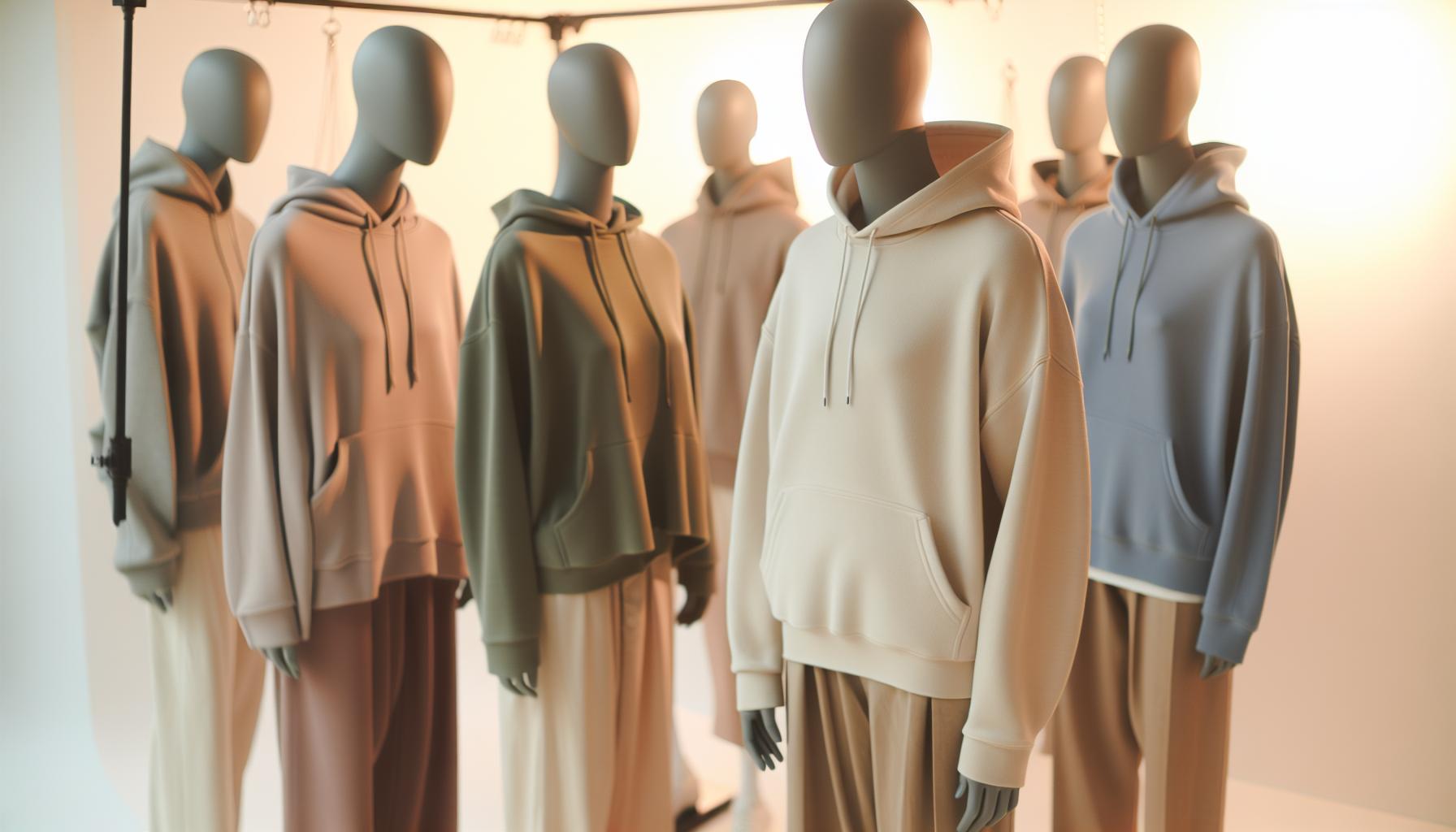
Finding the right shapes and proportions is vital when you want to bring a hoodie to life on paper. Hoodies are distinctive for their loose fit and cozy style, and understanding their structure will help you capture that essence accurately in your drawings. Pay attention not only to the silhouette but also to the way the fabric falls and interacts with the body. A hoodie generally features a relaxed fit, so capturing the right volumes and dimensions is crucial to making your drawing feel authentic and inviting.
Hoodies typically consist of several key components that define their shape. The body is often boxy and oversized, especially in styles that cater to comfort and casual wear. The sleeves can be wide and taper slightly at the wrists, while the hem usually falls around the hip area. Pay close attention to shoulder seams; they tend to be slightly dropped for a laid-back look. In terms of proportions, aim for a balance – the length of the arms, torso, and hoodie features like the hood and pocket should harmonize to create a believable piece of clothing.
When sketching, start with basic shapes: the body can be represented as a rectangle or trapezoid for the torso, while sleeves can be drawn as extended cylinders. The hood can be broken down into a triangular shape draping down from the shoulders. Understanding these basic shapes gives you a strong foundation to build on during the detailing stages. As you refine your drawing, consider the addition of features such as the drawstrings, cuffs, and kangaroo pockets which are common in many hoodie designs.
For realism, focus on the draping and folds that occur naturally as the fabric hangs. A hoodie’s material can create depth through soft folds, especially around the shoulders and elbows. Shadows and highlights will play a crucial role in illustrating these dynamic shapes, helping to convey the softness and volume of the fabric. Keeping these elements in mind will not only enhance your technical skills but also allow you to honor the culture surrounding this beloved casual staple.
Step-by-Step Guide to Drawing a Hoodie
Drawing a hoodie effectively involves a combination of understanding its structure and mastering the techniques for rendering the fabric’s unique qualities. Start by visualizing a person wearing the hoodie in a comfortable posture that reflects its casual nature. To create an engaging drawing, begin with the basic shapes that compose the hoodie and the figure, ensuring that you capture its characteristic relaxed fit.
Begin with delicate sketches of the person’s torso, represented as a rectangle or trapezoid, and remember the sleeves are typically wider, narrowing slightly at the wrists. To illustrate the hood, draw a triangular shape extending from the shoulders. This gives your drawing a solid foundation, allowing you to add details like cuffs and kangaroo pockets later on.
Adding Depth and Detail
As you refine your drawing, pay special attention to the way the fabric hangs and drapes. Hoodies often exhibit soft folds around the shoulders and elbows, which add realism to your artwork. Use light sketching to indicate where shadows will fall-under the arms and around the neck-creating a three-dimensional feel. Important features like drawstrings and seams can be added after establishing the primary outline, enhancing the hoodie’s character and making it more lifelike.
Finishing Touches
Once the basic shape and details are in place, it’s time to focus on shading and highlights. Use varying pencil pressures or different tools to achieve the desired texture. Light, sweeping strokes can depict the smoothness of the fabric, while more concentrated shading will illustrate areas where the material gathers. If you’re coloring your drawing, consider using soft pastels or watercolor to mimic the cozy vibe of a hoodie, while also allowing for seamless blending to enhance depth. This approach not only showcases the essence of the hoodie but also celebrates its cultural significance as a staple of casual wear.
By following these steps, you can craft a compelling representation of a hoodie that reflects its comfort, style, and functionality, while also developing your skills in capturing clothing in motion. Happy drawing!
Adding Details: Drawstrings, Pockets, and Seams
When it comes to capturing the essence of a hoodie in your artwork, the details can make all the difference. Adding elements like drawstrings, pockets, and seams not only infuses realism but also injects personality into your drawing. Hoodies are often defined by these unique features, so embracing them in your illustrations can elevate your work from basic to stunningly authentic.
Start with drawstrings, which commonly hang from the hood. These should be portrayed as slightly thickened lines that taper off toward the ends. To depict the texture, consider using light strokes to indicate the loose fabric around the drawstring area. You might also want to show how the drawstrings move naturally by giving them a slight curve. It’s this attention to detail that helps convey the relaxed nature of a hoodie, inviting viewers to feel its warmth and comfort.
Next, the pockets are undoubtedly one of the most recognizable features of a hoodie. Typically resembling a large ‘V’ shape, these kangaroo-style pockets sit centrally at the front. When drawing them, ensure that they appear functional; this can be achieved by depicting a slight indentation where the pocket meets the torso. The seams around the pockets and the shoulder areas can be sketched as fine lines, enhancing the three-dimensional look of the fabric. Use shading to add depth, showing how the fabric folds and creases around these areas, especially where someone might casually slip their hands in.
Lastly, don’t overlook the seams. The stitching is a critical detail that can subtly enhance your drawing. To illustrate seams, draw thin lines along the edges of the hoodie where panels meet. These should be light and linear to suggest the stitching without overwhelming the design. Remember, different styles of hoodies might have contrasting stitching or additional details like ribbed cuffs or waistbands, so capturing these elements accurately is crucial for authenticity.
Paying close attention to these details not only improves your drawing’s realism but also reflects the culture surrounding hoodies as a beloved piece of casual wear. As you refine these elements, you’ll find that your ability to portray clothing will improve, allowing you to explore various styles and even customize hoodies in your artwork. Happy drawing!
Incorporating Anatomy: Positioning the Person
When capturing a person in a hoodie, setting the correct position and posture is essential to bring your drawing to life. The relaxed nature of hoodies often lends itself to casual stances, which can convey comfort and style. Start by determining the mood of your artwork-should the person look composed and cool, or casual and carefree? This initial decision will guide how you position the figure in relation to the hoodie.
To effectively draw the figure wearing a hoodie, begin with light sketches of basic shapes. Use ovals and rectangles to outline the head, torso, and limbs, ensuring the proportions are natural. A hoodie typically gives a casual look, so consider slightly slouched shoulders or hands in pockets to emphasize comfort. Pay attention to the hoodie’s silhouette-its loose fit often creates flowing lines that should mimic how fabric drapes over the body. Positioning the hood can also affect the overall vibe; a hood falling back off the head suggests a relaxed moment, while a hood drawn tight can hint at warmth or concealment.
Consider adding movement for a more dynamic composition. Illustrate the person with an arm reaching out or a leg slightly lifted, suggesting an action like walking or grabbing something. This can make the drawing feel engaging and lively. Be mindful of the hoodie’s relationship with the anatomy-ensure that the fabric doesn’t obstruct the limbs too much, as accurate representation of how clothing fits and flows over a person is pivotal to realism.
Lastly, integrate details of the surrounding environment to enhance the composition further. Position your character in a context that complements their casual wear, such as strolling in a park or hanging out with friends. This not only contextualizes the hoodie but also enriches the overall storytelling aspect of your artwork, engaging viewers with the lifestyle associated with this beloved piece of clothing.
Creating Depth with Shadows and Highlights
To truly bring your drawing of a person in a hoodie to life, mastering the art of shadows and highlights is essential. Understanding how light interacts with fabric can transform a flat image into a dynamic representation that evokes depth and realism. Start by visualizing the light source in your artwork; this will guide where you place shadows and highlights. For instance, if the light is coming from above, the top portion of the hoodie will catch light while the underside of the hood and areas where the fabric folds will be darker.
When applying shadows, use a soft pencil or blending tool to create gradients that slope from dark to light. Be mindful of how the hoodie’s fabric folds and creases; these areas naturally cast shadows that can accentuate the volume of the clothing. For highlights, consider using a white pencil or eraser to gently lift color off the paper or add white paint for a more vivid effect. This contrast between shadows and highlights not only suggests the hoodie’s texture but also enhances the three-dimensionality of your figure.
A practical way to approach this is to look at different hoodie materials, like fleece or cotton, each reflecting light uniquely. For instance, fleece might appear slightly shinier and absorb less light than cotton, which has a softer, more muted sheen. This nuance is important in shading; you want your shadows to reflect the specific fabric type while remaining consistent with the overall light direction. For added realism, you could also take reference photos of real hoodies in various lighting conditions to study how shadows behave and where the light falls.
Tips for applying shadows and highlights effectively include:
- Layer your colors: Start with a base color for the hoodie, then gradually build shadows with darker tones and highlights with lighter shades.
- Use cross-hatching: For pencil drawings, layering lines in different directions can create texture and depth.
- Experiment with blending: Tools like stumps or your finger can help smooth transitions between light and dark areas for a more realistic look.
Finally, remember that artistic interpretation is key. Don’t be afraid to experiment with exaggerated shadows and highlights to convey emotion or style. Celebrating the casual nature of hoodies in your art means feeling free to incorporate your own flair, capturing that cozy and confident spirit they inspire.
Coloring Techniques for Realistic Hoodies
The vibrant world of color can significantly elevate your hoodie drawings, making them come alive on the page. When it comes to coloring techniques, the key is to capture the unique fabric characteristics that differentiate hoodies-from cozy fleece to lightweight cotton. Start by establishing a foundational color for your hoodie. It’s crucial to select a hue that aligns with the type of fabric you’re depicting. For instance, a deep navy blue may appear richer on fleece, while a softer pastel might suit a regular cotton hoodie.
Once your base is set, layering becomes your best friend. Gradually build dimension by adding darker shades along the folds and creases to represent shadows. Consult reference images to help gauge where these shadows should fall naturally. Utilizing colored pencils or markers, you can deepen the color with gentle strokes; remember, subtlety is key. You might also want to use a blending tool or your fingers to blend these layers, creating a smooth transition between the light and dark areas, which enhances realism.
Incorporating highlights is essential for depth. Use a lighter shade or a white pencil to add highlights to the upper portions of the fabric where light hits directly. Consider the texture of the hoodie fabric; fleece tends to reflect light differently than cotton. For instance, cotton may absorb more light, resulting in a more muted appearance, while fleece can shine more brightly. Experimenting with these contrasts can offer additional layers of interest, not just visually but also texturally.
Don’t shy away from infusing personality into your hoodie art! You can customize your sketches with patterns, graphics, or even personal designs like tie-dye effects. Use soft, circular motions with colored pencils to mimic these intricate designs, and consider the implications of light and shadow as they play across the surface. Overall, coloring your hoodie drawings with attention to texture and dimension can transform basic sketches into breath-taking pieces of art that capture the spirit of comfort and style inherent in this casual wear.
Tips for Drawing Different Styles of Hoodies
When it comes to drawing hoodies, embracing the variety of styles available can elevate your artwork and add personality to your sketches. From classic pullover designs to trendy zip-up hoodies, each variation offers unique challenges and opportunities for creativity. Understanding the core features of different styles helps ensure you capture their essence accurately in your drawings.
To start, consider the typical characteristics of a pullover hoodie. This style usually has a relaxed fit and a large front pocket, often referred to as a “kangaroo pocket.” Pay close attention to the fabric’s drape, as pullovers tend to have a more substantial look, particularly around the shoulders and torso. For a zip-up hoodie, focus on the stitching along the zipper, the pocket placement (often at the sides), and the way the fabric gathers around the zipper area when it’s closed or partially opened. These details influence how the garment appears on a person and will enhance the realism of your drawings.
It’s also essential to recognize the oversized hoodie trend, which has grown immensely popular in streetwear culture. Oversized styles often feature more relaxed lines and fabric that falls more heavily, creating dramatic folds and creases. By exaggerating these shapes in your drawings, you can make them appear more dynamic. Don’t forget to think about graphic hoodies, as they often feature bold designs or logos. When illustrating these, consider how the graphics interact with the fabric folds, and ensure their placement looks intentional.
Lastly, remember to infuse your personality into hoodie drawings by experimenting with patterns and textures. Consider trying various shading techniques to mimic fabrics like fleece or cotton, or even add DIY elements like tie-dye effects or embroidered patches. These personal touches not only define the style but also speak to the individuality of hoodie culture. By appreciating and representing the diverse styles of hoodies in your art, you can celebrate the comfort, versatility, and creativity that they embody in everyday life.
Common Mistakes in Hoodie Drawing and How to Fix Them
Drawing a hoodie can seem straightforward, but many artists fall into common pitfalls that can diminish the realism and appeal of their artwork. One frequent mistake is not capturing the unique drape and fit of the fabric. Hoodies are designed to be cozy and oversized, but failing to reflect that in shading and proportions can make them appear flat or awkward. To fix this, observe the way fabric interacts with the body and how it falls naturally. Pay close attention to volume-sketch the outline of the garment before layering in details, ensuring that the hoodie looks inviting and relaxed.
Another common issue is neglecting details like pockets, drawstrings, and seams. These small features contribute significantly to the hoodie’s character. For instance, forgetting to include the kangaroo pocket in pullover hoodies can make them look incomplete. To remedy this, take a moment to research various hoodie designs and identify the distinct features that make each style unique. When working on your drawing, use reference images to remind yourself of how these details should look, and don’t hesitate to spend extra time on them to really make your art pop.
Misunderstanding the relationship between the hoodie and the figure wearing it can also lead to issues, such as disproportionate sizing or incorrect positioning. For example, drawing the hood too big or too small can throw off the entire look of your piece. A good practice is to sketch a stick figure or a basic form beforehand to establish proper proportions and ensure that the hoodie drapes correctly over the body. By focusing on how the clothing fits with the wearer, you’ll add a much-needed layer of depth to your drawings.
Lastly, artists often struggle with adding depth through shadows and highlights, mainly forgetting that soft fabrics like fleece behave differently than stiffer materials. Incorporating shadows that reflect the natural folds of a hoodie brings your artwork to life. Start with light sketching of where you think shadows will fall, then build upon this layer with gradual shading techniques using your preferred medium. Balancing light and dark areas will enhance the three-dimensional effect, making your hoodie drawing not only realistic but also visually inviting.
By being mindful of these common mistakes and understanding how to rectify them, you can enhance your hoodie drawings and keep their unique character front and center. Happy drawing!
Exploring Various Fabrics and Textures in Art
When drawing a hoodie, understanding the various fabrics and textures is key to achieving a realistic and engaging representation. Hoodies are typically made from materials such as cotton, fleece, and polyester blends, each offering distinct qualities that influence their appearance and how they drape on the body. Knowing these nuances can significantly enhance your artwork, allowing you to illustrate not just the hoodie itself but also its comfortable essence and cultural significance.
To begin, consider how different fabrics reflect light and create texture. For example, fleece is soft and plush, leading to deeper shadows and softer highlights in your drawing. You might approach the shading technique by using softer strokes to mimic the gentle texture. Conversely, cotton tends to have a smoother finish, requiring more precise lines and a different shading technique to capture its feel. When sketching, observe how the fabric catches light and throws shadows. An effective strategy is to gather reference materials or photographs that display these characteristics clearly, helping you translate those qualities onto your canvas.
Incorporating details such as seams, drawstrings, and stitching further adds realism to your hoodie drawings. Pay special attention to elements like the kangaroo pocket, which can add depth and dimension to your artwork. For example, when drawing the pocket, consider how the fabric gathers and folds around this feature. Furthermore, showcasing embellishments like embroidered logos or patches not only personalizes your artwork but also highlights the texture contrast between the hoodie and any added elements. Utilize techniques like hatching or cross-hatching to portray these textures effectively.
Finally, experimenting with fabrics can open up exciting creative avenues. Try DIY projects like tie-dye or fabric paint to manipulate the appearance of your hoodie and capture its unique patterns in your drawings. By exploring these fabric variations and incorporating them into your artwork, you not only enhance the realism but also celebrate the cultural significance of hoodies as versatile and beloved comfort wear. This informed approach will elevate your hoodie art, making it not only visually appealing but also contextually rich.
Showcasing Your Hoodie Art: Presentation Ideas
When it comes to presenting your hoodie art, the way you showcase your work can elevate it from a mere drawing to a statement piece that resonates with viewers. One captivating idea is to create a themed display that ties together your art with the cultural significance of hoodies. For instance, consider a gallery-style arrangement that includes your drawings alongside photographs of people in hoodies, highlighting the versatility and comfort they offer. Use frames that complement the colors in your art to create cohesion, and add captions that explain your artistic process or the inspiration behind each piece.
Another effective way to present your hoodie drawings is through digital platforms. Create an online portfolio where you not only display your art but also engage with followers by sharing behind-the-scenes content, such as your sketching process or the materials you used. This transparency builds a connection with your audience, making them feel part of your artistic journey. Consider pairing your artworks with lifestyle videos that document creative DIY projects like customizing hoodies with embroidery or tie-dye, thus blending art with practical applications and reinforcing hoodie culture.
To further enhance your presentation, think about incorporating mixed media into your displays. Combine your drawings with fabric swatches, such as different hoodie materials (cotton, fleece, etc.), to offer a tactile experience for viewers. You could also create interactive elements, like a “design your own hoodie” station, encouraging audience participation. This immersive approach not only showcases your artistic skills but also invites others to appreciate the craft and comfort of hoodies hands-on.
Finally, don’t forget the power of storytelling. Narrate the journey of your art, such as how a favorite hoodie inspired a piece or the emotions tied to casual wear in your life. Engaging storytelling will resonate with viewers and invite them to see hoodies as more than clothing-they’re a reflection of lifestyle and culture. Presenting your artwork in thoughtful, engaging ways connects your art to both the comfort of hoodies and the community that embraces them.
Frequently asked questions
Q: What are the best sketches to use as references when drawing a person in a hoodie?
A: The best sketches to use as references are those that showcase various hoodie styles and fits. Look for images that display different poses and body types to understand how hoodies drape and fit. Reference sketches can help you capture realistic proportions and movement in your drawing.
Q: How can I effectively draw the folds and creases of a hoodie?
A: To effectively draw folds and creases in a hoodie, observe real-life examples or reference images. Focus on the areas around seams, the neckline, and where the fabric rests on the body. Use soft, curved lines to depict the natural fall of the material for a realistic appearance.
Q: What techniques can I use to draw a hoodie from different angles?
A: Utilize a grid technique or 3D models to practice drawing a hoodie from various angles. Breaking down the hoodie into simple shapes like cylinders for sleeves and boxes for the torso can also help visualize perspective and depth, enhancing your overall representation.
Q: How do I add character and personality to my hoodie drawing?
A: To add character to your hoodie drawing, consider incorporating unique elements like logos, prints, or embroidery designs. Additionally, varying the pose and expression of the person wearing the hoodie can convey attitude and personality, making your artwork more engaging.
Q: What are some common mistakes to avoid when drawing a person in a hoodie?
A: Common mistakes include neglecting proportions, overly simplifying the fabric, and ignoring the effects of light and shadow. Pay careful attention to the anatomy of the figure and the way the hoodie interacts with the body to ensure a more accurate and dynamic representation.
Q: How can I effectively shade a drawing of a hoodie to give it depth?
A: To effectively shade a hoodie, identify your light source and apply darker tones in shadowed areas. Use blending tools or soft pencil strokes for smooth transitions between light and dark. Highlight areas where light naturally hits to enhance the three-dimensional effect.
Q: What is the best way to capture fabric texture in a hoodie drawing?
A: To capture fabric texture, observe how light interacts with the material. Use varied line work and shading techniques to represent smooth or fuzzy textures. Incorporating subtle highlights and soft shadows can help illustrate the unique characteristics of the fabric.
Q: Can digital tools enhance my drawing of a person in a hoodie?
A: Yes, digital tools can greatly enhance your drawing process. Software like Sketchpad allows you to easily manipulate shapes, add layers, and experiment with colors and textures, providing versatility that traditional methods may lack. Utilize brushes and effects to simulate fabric and shading techniques effectively.
To Conclude
Thank you for joining us in this engaging step-by-step tutorial on how to draw a person in a hoodie! With your newfound skills, you can create dynamic art that captures the comfort and style of hoodie culture. If you’re eager to explore even more artistic techniques, check out our tutorials on portrait drawing and character design to further enhance your skills. Don’t forget to browse our resources on hoodie care guides and DIY customization projects, perfect for styling your favorite pieces while expressing your creativity.
Join our community by signing up for our newsletter to receive exclusive tips and updates on new tutorials straight to your inbox. We love hearing from you-share your drawings or any questions in the comments below, and let’s keep the conversation going! Remember, practice is key, so grab your sketchbook and get started. Stay creative, and we look forward to seeing you in our next tutorial that dives deeper into the world of drawing and styling!