Drawing a person in a hoodie is not only an artistic challenge but also a celebration of one of the most beloved fashion staples of our time. Hoodies blend comfort and style, making them perfect subjects for artists looking to capture casual culture. Whether you’re sketching for personal fulfillment or aiming to improve your artistic techniques, this comprehensive guide will walk you through every step of the process. From understanding the unique textures of fabric to mastering the draping and folds, we’ll cover all the tips and tricks to help you create striking and authentic representations. Dive in and discover how to represent not just the garment, but the essence of what it means to wear a hoodie with confidence, style, and individuality. Let’s get started on your journey to mastering this iconic look, explore various drawing techniques, and unleash your creativity!
How to Choose the Perfect Hoodie for Your Drawing
Choosing the right hoodie for your drawing can significantly enhance the visual appeal and authenticity of your artwork. Often considered a staple of casual fashion, hoodies come in various styles, materials, and colors, making them a versatile choice for artists. To capture the essence of a hoodie in your illustrations, think about the typical characteristics that define this beloved garment. A well-chosen hoodie can express personality, mood, and even a slight narrative within your artwork.
When selecting the perfect hoodie style for your drawing, consider the various cuts and materials available. Hoodies can be oversized or fitted, with options like zip-up or pullover styles. Materials range from soft cotton blends to more technical, moisture-wicking fabrics. You might want to depict a cozy cotton hoodie for a casual vibe, or perhaps something more streamlined for a sporty look. Pay attention to details like drawstrings, cuffs, and any unique patterns or graphics that might be present, as these elements can significantly contribute to the overall narrative and aesthetic of your drawing.
Another essential aspect is color. Choosing the right shades can evoke different feelings and impressions. Bright colors can convey energy and enthusiasm, while muted tones may evoke calmness or introspection. Consider using complementary colors to make your hoodie stand out against the character’s backdrop. This attention to detail not only makes your artwork more engaging but also shows your understanding of color theory, helping to convey the personality of the character wearing the hoodie.
Finally, don’t forget the potential for customization! Many people personalize their hoodies with embroidery, patches, or even tie-dye designs. Incorporating these elements into your drawing can give it a unique twist and reflect the individuality of your character. Whether it’s a logo from a favorite band or a quirky design that tells a story, these details can turn a simple hoodie drawing into a rich, character-driven piece. Embrace the versatility and culture surrounding hoodies as you embark on this creative journey, and let your imagination run wild!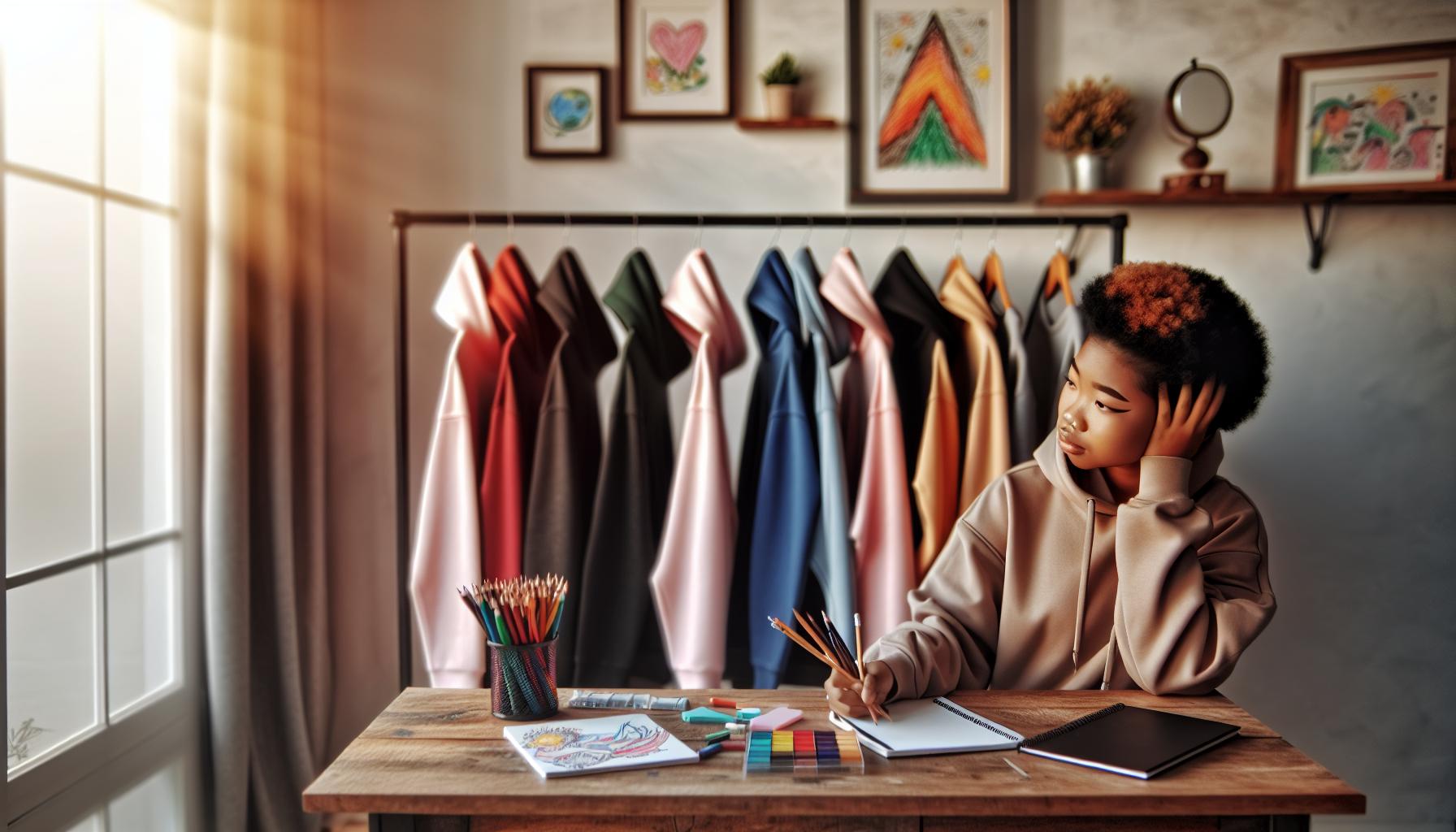
Understanding Hoodie Styles: Representing Various Looks
The hoodie, a garment that beautifully marries fashion and comfort, comes in a myriad of styles, each presenting its own unique flair and functionality. From streetwear to casual outings, understanding these styles allows artists to capture the vibe that they want to convey in their drawings.
When it comes to hoodie styles, the choices can be vast. Here are a few to consider:
- Pullover Hoodies: These are the classic design, featuring a hood and a front pocket. Their simplicity makes them an excellent choice for a wide range of casual settings.
- Zip-Up Hoodies: Perfect for layering, zip-ups add a dimension of versatility. They allow for easier temperature control and come in various fits, from slim to relaxed.
- Oversized Hoodies: This trend is all about comfort and exaggerated proportions. Ideal for achieving that laid-back, effortlessly cool look, oversized hoodies can also be accessorized for a unique flair.
- Crop Hoodies: A modern twist on the classic, cropped hoodies sit just above the waist and pair perfectly with high-waisted jeans or skirts, catering significantly to a youthful, vibrant aesthetic.
- Technical Hoodies: Designed for performance, these hoodies often feature moisture-wicking fabrics and strategic ventilation. Artists can represent athletic characters stylized in an active wear context.
Being aware of these various styles not only aids in representation but also establishes a connection between your artwork and the aesthetic you wish to evoke.
When it comes to customizing your hoodie drawings, consider incorporating unique elements such as patches, embroidery, or even graphic prints. These aspects not only enhance visual interest but also impart individuality to your character. For instance, a hoodie adorned with a band logo can tell a story about the character’s interests or background. Additionally, the incorporation of features like drawstrings, cuffs, and kangaroo pockets can lend authenticity and depth to your illustration.
Hoodie care, while not directly related to drawing, can provide great insight into how you might portray texture and realism. Proper maintenance, like washing in cold water and avoiding bleach, helps in preserving the fabric’s quality and color. Pay attention to fabric types and their care guides, as they can influence how you depict shadows and folds in your artwork. Exploring DIY projects such as tie-dye or fabric painting can further inspire your creative journey, enabling you to add personalized touches to your art.
By understanding the nuances of hoodie styles, you empower your artwork to resonate with viewers, reflecting not just the garment but the culture and personality behind it. Whether it’s the comfort of a classic pullover or the trendy vibe of a cropped style, embracing these details enriches your artistic expression and storytelling.
Essential Tools for Drawing a Hoodie: Step-by-Step Guide
To embark on your hoodie drawing journey, it’s essential to gather the right tools that not only make the process easier but also enhance the quality of your artwork. From sketching the initial outline to adding those finishing touches, each tool plays a pivotal role in bringing your creative vision to life. Here’s an essential toolkit to consider for drawing a hoodie, along with some practical tips that might just inspire your next masterpiece.
Start with a good set of drawing pencils, ranging from H for fine lines to B for softer strokes. These will help you create varying textures and depths, allowing you to capture the folds and drapes of the fabric accurately. And don’t forget about an eraser-it’s indispensable for refining your lines and making corrections as your design evolves. Once you have your base sketch, consider using markers or colored pencils to introduce vibrant hues. They can help you explore color theory and choose the perfect shades for the hoodie you’re drawing.
A sketchbook or quality drawing paper is crucial. Opt for paper that can handle multiple mediums. For example, heavier paper like Bristol board works wonderfully for markers and colored pencils, while lighter paper can be sufficient for graphite sketches. Additionally, investing in a ruler can aid in maintaining straight lines, especially around the neckline or pockets, ensuring symmetry in your design.
Essential Tools Checklist
- Pencils: A variety of hardness (H, HB, B) for different line styles.
- Eraser: For refining and correcting mistakes.
- Markers/Colored Pencils: Comes in various colors to experiment with hoodie designs.
- Sketchbook/Drawing Paper: Choose based on your preferred medium.
- Ruler: For keeping lines straight and measurements accurate.
As you gather these tools, keep in mind that the process is just as important as the finished product. Differentiate your hoodie designs by customizing them through simple DIY projects such as tie-dye or embroidery, which can be illustrated in your artwork. Pay attention to details like drawstrings, cuffs, and zippers during your sketching; these small elements can make a significant difference in the overall appeal of your hoodies.
Lastly, when it comes to caring for your art supplies, treat your pencils and markers with respect. Store them away from direct sunlight to prevent fading and breakdown. Regularly sharpen your pencils to maintain precision. Engaging in this mindful approach not only extends the life of your tools but also enriches your drawing experience. With the right tools and mindset, you’re well on your way to creating stunning hoodie illustrations that resonate with your artistic voice!
Sketching the Basic Hoodie Shape: Tips for Beginners
When you dive into drawing a hoodie, the first crucial step is nailing down its basic shape. Hoodies, with their relaxed fit and casual style, provide a unique opportunity to explore dynamic lines and proportions. Start by sketching a simple outline of the hoodie’s overall silhouette, which usually consists of a rectangular torso and sleeve shapes that taper at the wrists. Keep the lines gentle-hoodies are all about comfort and easy movement!
To get the proportions right, consider using guidelines. Draw a vertical line for the center of your figure, typically where the zipper would go, then sketch two lines outwards to determine the shoulder width. The sleeves can be loosely attached, falling just past the shoulder line and gently curving towards the wrists. For an enhanced look, remember that the hoodie should hang naturally, so avoid making these lines too stiff or angular.
Now, let’s get into the hood itself, which is a defining feature of the garment. Begin by sketching a rounded shape at the top of the torso line, resembling an upside-down ‘U’. This shape should extend outwards from the shoulder line, giving it volume and suggesting that it can be pulled over the head comfortably. It can be helpful to visualize the hood as a soft drape, rather than a rigid structure-this approach will add to the authenticity of your drawing!
Helpful Tips
- Focus on proportions: Make sure the sleeve lengths match the overall height of the figure to maintain balance.
- Refine your lines: Use light pencil strokes for initial outlines, which can be erased or adjusted before finalizing with darker lines.
- Think about fabric flow: Hoodies often exhibit a bit of slack; drawing light curves and soft edges can convey this relaxed fit beautifully.
- Don’t forget the drawstrings: Add small lines on the hood to represent drawstrings; this minor detail can significantly elevate the realism of your drawing.
Remember, practice makes perfect! Try sketching different hoodie styles and fits, from oversized to fitted, to enhance your skills and create a versatile portfolio of hoodie illustrations. Through persistence and creativity, you’ll capture the essence of this comfortable classic and perhaps even inspire others to embrace their love for hoodies!
Adding Details: Drawstrings, Pockets, and Ribbing
Adding the right details to your hoodie drawing can elevate its realism and make it pop off the page! Drawstrings, pockets, and ribbing are crucial elements that not only enhance the visual appeal but also capture the essence of this beloved garment. Drawing these components accurately can transform a basic hoodie illustration into a stylish statement piece.
When sketching drawstrings, start by visualizing how they interact with the fabric of the hood. They typically hang straight down, creating gentle curves; ensure that they appear slightly thicker near the hood and taper as they flow downward. Adding small knots or tips at the ends of the drawstrings can give them a more authentic appearance. You might even consider drawing a subtle, soft shadow on the hood where the drawstrings meet to add dimension and depth.
Pockets are another critical detail that can enrich your drawing. Hoodies often feature kangaroo pockets that lie flat against the torso. For a realistic look, be sure to illustrate the pocket opening with gentle curves and lines that suggest its depth. Adding slight shading can help convey the pocket’s position on the fabric, making it look like it’s part of the overall design rather than just an afterthought. Remember, pockets can vary in style, from traditional sewn-in to zippered, so choose what best fits the hoodie you’re drawing.
Ribbing often adorns the cuffs and bottom hem of hoodies, providing a snug fit that keeps warmth in. This texture can be depicted using short, alternating lines to mimic the ribbed effect. Highlighting the contrast between the flat fabric of the main hoodie and the raised texture of the ribbing can also enhance realism. Incorporating subtle variations in light and shadow will help these features stand out.
Emphasizing these details not only enriches your illustration but also showcases your understanding of the design and function of hoodies. Just as artists often personalize their hoodies with unique patterns and styles, you have the freedom to infuse your creative flair into your drawings. Whether it’s through the choice of colors, the style of pockets, or the uniqueness of the drawstrings, let your artistic voice shine through!
Creating Realism: Textures and Shadows on Hoodies
Creating stunning and realistic drawings of hoodies hinges significantly on how well you depict textures and shadows. These elements not only bring your illustrations to life but also convey the material’s characteristics, enhancing the overall visual appeal. Just as a cozy hoodie feels soft against your skin, capturing the fabric’s texture in your art can evoke a sense of comfort and familiarity.
Start by selecting your lighting source, as this will influence how shadows fall and textures appear. In your drawing, consider using soft, blended strokes for areas that are in shadow, which helps to create depth. For instance, the hood of the hoodie may cast a gentle shadow onto the wearer’s face, while the pockets might create soft indentations where the fabric gathers. Incorporating these subtle gradients of light and dark will give your drawing dimension and interest. You can achieve this by using various pencil pressures or even blending tools like tortillons or cotton swabs for softer finishes.
Textures, on the other hand, are about evoking the feel of the fabric. Use varied line techniques to suggest different fabric types-tight, small lines might indicate a smooth fleece, while more chaotic, uneven strokes can portray a knitted fabric. It’s also essential to pay attention to the way fabric wrinkles and folds, as this can be a significant factor in conveying realism. Pay special attention to:
- Hood folds: Draw the folds radiating from the hood’s edges, allowing them to cascade naturally.
- Pocket curves: Show how the material gathers near pockets, enhancing the look of depth.
- Ribbing texture: Use short, parallel lines to simulate the raised effects at the cuffs and waist.
For a final touch, consider incorporating unique elements of hoodie culture, such as logos or patterns that reflect personalization. Adding these details can give your illustrations a narrative quality, showcasing individuality while still focusing on the fabric’s realism. By combining thoughtful techniques around shadows and textures, you’ll not only elevate your hoodie drawings but also celebrate the comfy, versatile culture they represent.
Incorporating Movement: Drawing Dynamic Poses in Hoodies
When it comes to bringing your hoodie drawings to life, capturing movement can transform a static image into a dynamic portrayal of style and personality. Hoodies are more than just casual wear; they embody an attitude and a lifestyle that resonates with energy and comfort. Whether your subject is running, lounging, or striking a cool pose, understanding how to depict movement is key to making your illustrations feel alive.
Begin by studying different poses and how a hoodie interacts with the body during movement. For instance, if your subject is in mid-stride, notice how the fabric stretches and flows. The hood might pull slightly backward while the body leans forward, creating tension in the fabric. By observing real-life references or even photographing friends wearing hoodies in various poses, you can capture these subtleties. Pay attention to how the drawstrings dangle, how the sleeves might billow, and how the hem of the hoodie lifts or sways.
To effectively illustrate movement, utilize flow lines that guide the viewer’s eye through the action. Start with the pose’s main direction and add curved lines to indicate the hoodie’s drift and motion. For instance, when drawing a character reaching up, draw the sleeves stretching upwards and consider how the torso’s movement affects the fabric. Subtle enhancements like folds or creases along the elbow can depict bending arms, while rippling textures can suggest the hoodie’s fabric responding to the movement.
Moreover, adding small details can enhance realism in movement. Incorporate varying intensity in shadows to show how light interacts with an active subject. Areas under the arm or behind the body will typically be darker due to lack of light exposure, while the front or upward-facing sections may be highlighted. Using blending techniques with your tools can help achieve these effects, allowing you to capture the distinct personality of your character as they move.
By embracing these techniques, you will not only elevate your drawing skills but also celebrate the lively culture that hoodies represent-a blend of comfort, style, and individuality. Let your images reflect the freedom and confidence that wearing a hoodie embodies, and your illustrations will resonate with warmth and creativity.
Styling Your Character: Outfit Combinations with Hoodies
When considering how to draw a character in a hoodie, it’s essential to think about the various outfit combinations that can enhance their look and personality. Hoodies are incredibly versatile, allowing for seamless integration into numerous styles, whether it’s sporty, casual, or even edgy. By mixing and matching with other wardrobe pieces, you can depict your character’s unique style, making your illustrations feel even more alive and relatable.
To create a vibrant outfit around your hoodie, start by layering. Hoodies pair exceptionally well with denim jackets, bomber jackets, or oversized coats. These layers not only add depth to your drawing but also create interesting lines and textures that can enhance your character’s silhouette. Consider accessorizing with beanies, caps, or stylish sunglasses for an extra flair. This adds detail and personality while posing an intriguing drawing challenge as you capture how these accessories sit with the hoodie.
Furthermore, don’t overlook the impact of bottoms on your character’s style. Joggers and sweatpants offer a casual vibe, while skinny jeans or leather pants can create a striking contrast. Belts with various textures or designs can visually define the waistline, adding another layer of detail to your composition. Footwear also plays a crucial role: sneakers complement the casual aesthetic, whereas combat boots can introduce an edgier feel. Pay attention to how these combinations interact with the hoodie; for instance, the way the hood sits over a jacket collar or how pants bunch at the ankles can create dynamic shapes and perspectives.
For added uniqueness, consider personalizing the hoodie itself. You might draw fun graphics, subtle embroidery, or even customize it with patches that reflect your character’s interests. This not only emphasizes their personality but also provides a fun drawing challenge to detail these styles’ intricate elements. Embrace the world of hoodies in your art; they are more than just clothing-they are a canvas for creativity and expression that resonates with people of all backgrounds.
Color Theory: Choosing the Right Hoodie Shades
Choosing the perfect colors for your hoodie drawings can elevate not just the garment itself but also the entire character you’re illustrating. Hoodies come in an array of shades that can greatly influence mood and personality; thus, understanding color theory is vital in making your drawings pop. Whether you want to convey comfort, edginess, or vibrancy, selecting the right hues can add depth and emotion to your illustrations.
When selecting colors, consider the emotional associations that different shades hold. For example, blue often evokes tranquility and reliability, while red signals passion and energy. Shades like black and grey can communicate a more urban vibe or mystery, making them perfect for edgier characters. Pastels can represent softness and approachability, which can be ideal for friendly or playful characters. To create a cohesive look, think about how the color of the hoodie interacts with other outfit elements and the overall palette of your drawing.
For added creativity, experimenting with color blending and gradients can make your hoodie illustrations stand out. Instead of a single flat color, try incorporating various shades to create highlights and shadows that give the fabric a dynamic, three-dimensional feel. Techniques like ombre effects or even tie-dye patterns can bring some exciting visual interest. You might also consider using complementary colors within your character’s outfit to ensure that the hoodie remains the focal point yet still harmonizes beautifully with the rest of their style.
Finally, don’t hesitate to personalize your colors through customization. Drawing designs like quirky graphics, logos, or even text can not only showcase your artistic flair but also resonate more with your audience. Each character can wear their hoodie uniquely, further enhancing their personality and making your illustration truly one-of-a-kind. Embrace the limitless possibilities and let color be your ally in creating vibrant, relatable character designs!
Advanced Techniques: Capturing Fabric Fold and Flow
Drawing the intricate folds and dynamic flow of fabric can truly elevate your hoodie illustrations, breathing life into your characters. To capture this movement, it’s essential to understand the fabric’s structure and the way it interacts with the body. Hoodies, made from soft and often stretchy materials, have a unique drape that can create beautiful shadows and highlights, emphasizing their comfort and casual style. Begin by analyzing how fabric behaves; it clings, stretches, and falls based on the position of the body.
To effectively depict folds, start with foundational shapes. Visualizing the hoodie as a series of interconnected forms can help you map out where the fabric will naturally gather or pull. Here’s where understanding the weight and type of fabric assists you: heavier materials might have more pronounced folds, while lighter fabrics may produce softer, subtler lines. Look for key areas where the fabric will bunch-around the shoulders, waist, and cuffs-and draw attention to these areas by using varied line weights, which indicate depth and perspective.
Techniques for Realistic Folds
Consider using the following techniques to enhance your fabric rendering:
- Contour Lines: Use curved lines to illustrate the form-following nature of the fabric; these lines should mirror the body underneath.
- Shadowing: Employ shading to denote depth, with darker areas in creases or where fabric bunches together, and lighter areas where it stretches.
- Highlighting: Add highlights on raised areas or where light hits the fabric directly to create a three-dimensional look.
- Layering: When drawing multiple layers (like a hoodie over a t-shirt), remember that the top layer will cast shadows onto the lower layer.
To add realism, focus on the natural flow of the hoodie as it interacts with the character’s movement. If your character is in motion-like reaching for something or jumping-illustrate how the fabric stretches and pulls, creating tension and dynamism. Pay attention to the positioning of elements such as the drawstrings and pockets, as these can also create additional folds and flow.
By embracing these advanced techniques and understanding the dramatic interplay between fabric and body, your hoodie illustrations can evolve from static sketches into lively representations of style and comfort, capturing the very essence of hoodie culture.
Character Personalization: Making Your Hoodie Unique
There’s something special about a hoodie that instantly evokes a sense of comfort and style. Personalizing your hoodie not only makes it unique but also allows you to express your identity through design. Whether you’re looking to add a flair of creativity or keep it practical with modifications, there are numerous ways to make your hoodie stand out from the crowd.
One of the best ways to start personalizing your hoodie is through DIY customization projects. From tie-dye techniques to embroidery, there’s no limit to the artistic avenues you can explore. Tie-dyeing can add vibrant colors and unique patterns, transforming a plain hoodie into a wearable work of art. Simply prepare your dye, twist or fold your fabric in various ways, and immerse it in color. For those interested in a more subtle touch, embroidery can add initials, symbols, or even patches that resonate with your personal interests or values.
Practical Modifications
Beyond artistic expressions, consider functional customizations that can enhance your hoodie experience. For example, if your hoodie lacks pockets or has inadequate space, you might consider adding side seam pockets or a small pouch on the front. How about replacing the drawstrings with colorful, patterned versions or even metallic chains to give it an edge?
In terms of garment care, maintaining the quality of your personalized hoodie is crucial. Always turn it inside out before washing to protect your designs. Stick to cold washes to prevent colors from fading, and avoid using bleach, which can ruin both the fabric and any custom markers. If stains occur, treat them with a gentle stain remover immediately to maintain the appearance of your hoodie.
Ultimately, personalizing your hoodie is a blend of creativity and practicality. Whether through colorful dyes, thoughtful embroidery, or practical modifications, you can create a unique piece that reflects your personality while enjoying the warmth and comfort that comes with wearing a beloved hoodie.
Common Mistakes to Avoid When Drawing Hoodies
When it comes to drawing hoodies, capturing their essence can be deceptively tricky. Mistakes can easily derail your attempts, leaving you frustrated and your art lacking the cozy vibe that hoodies are known for. One common mistake is neglecting the hoodie’s typical silhouette; ignoring the garment’s bulk can result in awkward proportions that feel off. Instead, remember that hoodies provide warmth and structure, so allow for a little looseness in your sketches. Consider using soft, curved lines to represent the fabric’s natural drape rather than rigid angles that might suggest a stiffer material.
Another pitfall is failing to emphasize the details that give a hoodie character. Many novice artists might overlook elements like ribbed cuffs, drawstrings, or pockets. Include these features for texture and authenticity; they not only contribute to the hoodie’s functionality but also enhance its visual appeal. When drawing drawstrings, for example, don’t simply draw them as straight lines. Capture the slight curve and slack they naturally have to make your hoodie feel more realistic.
Don’t forget the importance of understanding fabric texture and how it affects shadows and highlights. A hoodie is often made from soft, thick materials, so be mindful of the way light interacts with its surface. Avoid flat shading; instead, use varying tones to create depth and dimensionality. Additionally, when incorporating movement, think about how a hoodie would react to the position of the body. A relaxed stance may call for the fabric to hang loosely, while more dynamic poses will yield tension and stretch in the fabric.
Maintaining attention to these details can drastically improve the accuracy and overall quality of your artwork. As you practice drawing hoodies, foster your understanding of their features and celebrate the cozy culture they represent-an art form that resonates on both style and comfort.
Frequently Asked Questions
Q: What are the best techniques for drawing a hoodie realistically?
A: To draw a hoodie realistically, focus on capturing fabric texture and folds. Utilize shading techniques to represent shadows on the fabric, and pay attention to how light interacts with the material. Refer to the section on “Creating Realism: Textures and Shadows on Hoodies” for in-depth techniques.
Q: How do I choose the right hoodie style for my character?
A: Selecting the right hoodie style involves understanding your character’s personality and mood. Consider the fit, color, and details like logos or patterns that reflect their identity. Explore “Understanding Hoodie Styles: Representing Various Looks” for more insights.
Q: What should I consider when sketching movement in hoodie designs?
A: When sketching movement, observe how hoodies naturally drape and flow with the body. Incorporate dynamic lines to illustrate motion, ensuring to capture the hoodie’s response to the character’s movements. Check the section on “Incorporating Movement: Drawing Dynamic Poses in Hoodies” for tips.
Q: What tools are essential for drawing a person in a hoodie?
A: Key tools include quality pencils for sketching, erasers for corrections, blending tools for smooth textures, and fine liners for details. Refer to the section on “Essential Tools for Drawing a Hoodie: Step-by-Step Guide” for a complete list and their uses.
Q: How can I customize a hoodie drawing to make it unique?
A: Personalize your hoodie drawing by adding distinctive elements such as patches, custom colors, or creative designs like graphics or text. Explore “Character Personalization: Making Your Hoodie Unique” for ideas on customization.
Q: How do I avoid common mistakes when drawing hoodies?
A: To avoid mistakes, ensure you accurately portray the hoodie’s structure and fit on the character. Pay attention to proportion and the placement of drawstrings and pockets. Refer to the section on “Common Mistakes to Avoid When Drawing Hoodies” for tips on what to watch out for.
Q: Can color theory affect hoodie drawings?
A: Yes, color theory plays a crucial role in conveying mood and style in your hoodie drawings. Choosing complementary colors can enhance visual appeal. For more on selecting shades, see the “Color Theory: Choosing the Right Hoodie Shades” section.
Q: What are advanced techniques for drawing hoodie folds and flow?
A: Advanced techniques involve studying real-life fabric behavior and using contour lines to represent folds realistically. Layer shading to give depth and dimension to the hoodie. Delve into “Advanced Techniques: Capturing Fabric Fold and Flow” for specific strategies.
Key Takeaways
Now that you’ve mastered how to draw a person with a hoodie, it’s time to put your skills into practice! Remember, each hoodie can tell a unique story through your art-feel free to explore DIY customization techniques or even try your hand at creative projects like tie-dye or embroidery to bring some personal flair to your drawings. Don’t forget to check out our guides on hoodie care and styling tips to ensure you capture every detail accurately.
If you enjoyed this guide, consider exploring more about sketching techniques and fabric textures in our articles linked below. Also, make sure to subscribe to our newsletter for exclusive tips and updates on future guides. Your journey into hoodie culture is just beginning-share your artwork with us in the comments section and connect with fellow artists who love this versatile style as much as you do! Your artistic potential is limitless; let’s keep creating together!