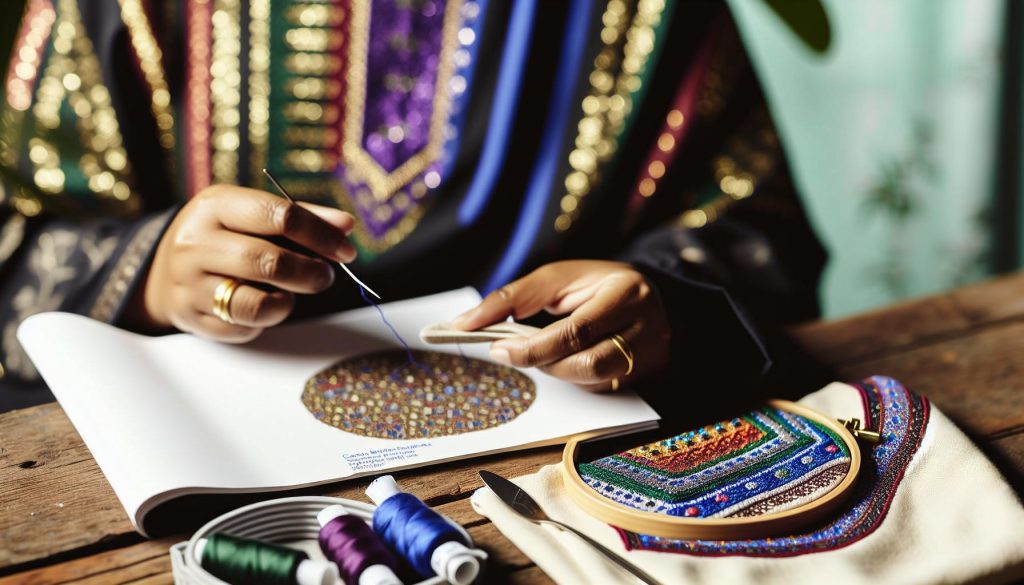
Did you know that custom embroidered sweatshirts not only showcase your unique style but also tell a story? As you navigate the world of hoodie culture, creating your own personalized design can elevate your casual wear from ordinary to extraordinary. Whether you’re looking to express your individuality, commemorate a special event, or promote a team or brand, the art of embroidery offers an accessible way to add a personal touch. In this guide, we’ll delve into the essentials of embroidering a sweatshirt, simplifying the process with practical tips, from choosing the right materials to mastering the technique. Get ready to unlock your creativity and turn a basic sweatshirt into a canvas of self-expression that you’ll be proud to wear and share!
Choosing the Right Sweatshirt for Embroidery Success
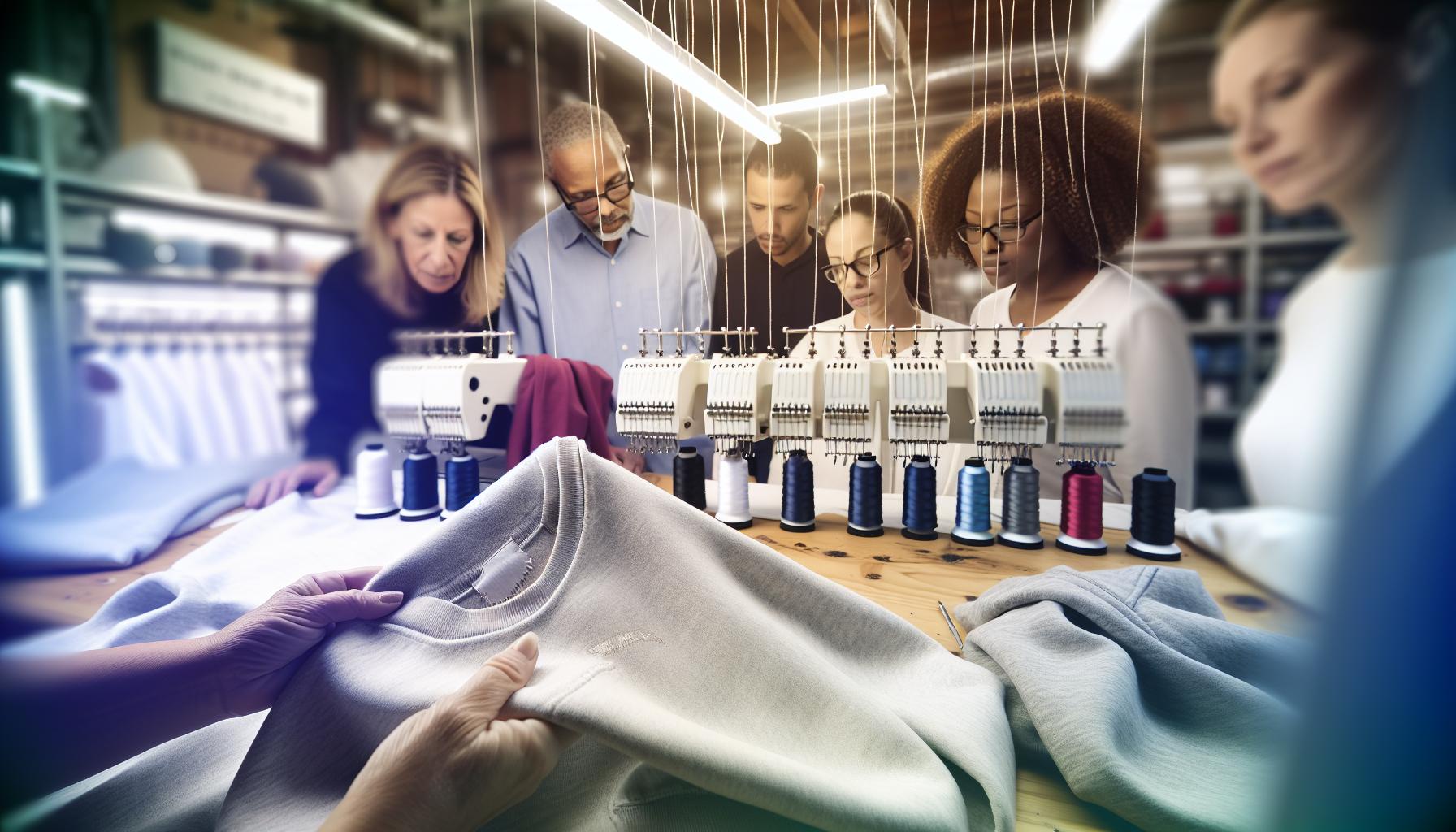
When it comes to embroidering sweatshirts, the fabric you choose can make all the difference in achieving that polished look and ensuring your design endures over time. Opting for the right sweatshirt involves considering the type of fabric, its weight, and the overall fit. Fabrics such as cotton and polyester blends are popular choices for embroidery because they not only hold the design well but also provide adequate softness and durability. Sweatshirts with a medium to heavyweight construction are generally better as they tend to support the stitching without stretching out or warping.
Additionally, pay attention to the sweatshirt’s style-classic crewneck, trendy oversized, or cozy hooded options each present unique opportunities for customization. A well-fitted garment offers a flatter surface for embroidery, while those with unique seams or pockets may require more careful planning around the design placement. Consider the desired look: a more understated design might shine on a classic crewneck, while vibrant, oversized artwork could be perfect for a laid-back hoodie.
To ensure embroidery success, look for sweatshirts with lower pile textures, which help keep the stitches clear and visible. High-pile fluffy materials, while trendy, can obscure details and lead to frustration during the embroidery process. Always test a sample piece before diving into the final product, helping affirm that the fabric and design combination will yield optimal results.
In summary, selecting a sweatshirt suitable for embroidery isn’t just about aesthetics-it’s about creating a masterpiece that combines comfort, durability, and style. Your choice should enhance your overall embroidery experience, so take the time to explore various options that align with your vision. Happy stitching!
Essential Tools for Embroidering Sweatshirts
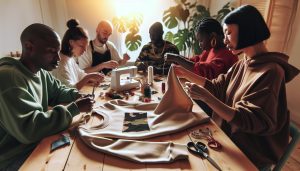
To truly elevate your custom sweatshirt game, having the right tools on hand is essential. Embroidery combines artistry and technique, and with the right equipment, you can transform a simple sweatshirt into a personalized masterpiece that reflects your style. Below is a list of indispensable tools you’ll need for successful sweatshirt embellishing.
Must-Have Tools for Embroidery
- Embroidery Machine: A robust embroidery machine is paramount; it should have the capacity to handle thicker fabrics like sweatshirt material. Look for machines that come with multiple needle options and an array of built-in designs or those that support custom patterns.
- Embroidery Hoops: These are essential for holding your fabric taut while you stitch. Choose hoops that fit the size of the sweatshirt designs you plan to create. Larger hoops can facilitate more complex designs, while smaller ones are perfect for logos or monograms.
- Stabilizers: Using stabilizers is crucial, especially on stretchy fabrics. They provide necessary support to prevent puckering and ensure the embroidery remains neat. Tear-away or cut-away stabilizers are commonly used for sweatshirts, depending on the complexity of your design.
- Embroidery Threads: Opt for high-quality embroidery threads that won’t fray or break easily. Polyester threads are often recommended for sweatshirts due to their durability and colorfast qualities.
- Fabric Scissors: Invest in sharp fabric scissors for cleanly cutting threads and stabilizers. A good pair of scissors can also help with any last-minute trims to ensure your embroidery looks pristine.
- Design Software: If you’re creating custom designs, having embroidery design software will help you convert images into stitch files readable by your machine. Programs like Hatch or Wilcom can assist in this process.
- Iron and Sewing Machine: To prep your sweatshirt for embroidery, a good iron can smooth out any wrinkles. After finishing, a sewing machine can help secure edges or add additional finishing touches.
Additional Considerations
As you gather your tools, remember that practice makes perfect. Don’t hesitate to start with simpler designs as you get comfortable managing your equipment. Utilize test fabric remnants for practice; this will help build your skills without risking your main sweatshirt. Also, make sure you have a clean and organized workspace, which can significantly enhance your focus and efficiency during the embroidery process.
With these tools in your arsenal, you’re well-equipped to dive into the vibrant world of sweatshirt embroidery. Let your creativity shine, and enjoy creating custom designs that not only break the mold but also speak volumes about your unique style!
Step-by-Step Guide to Designing Custom Embroidery
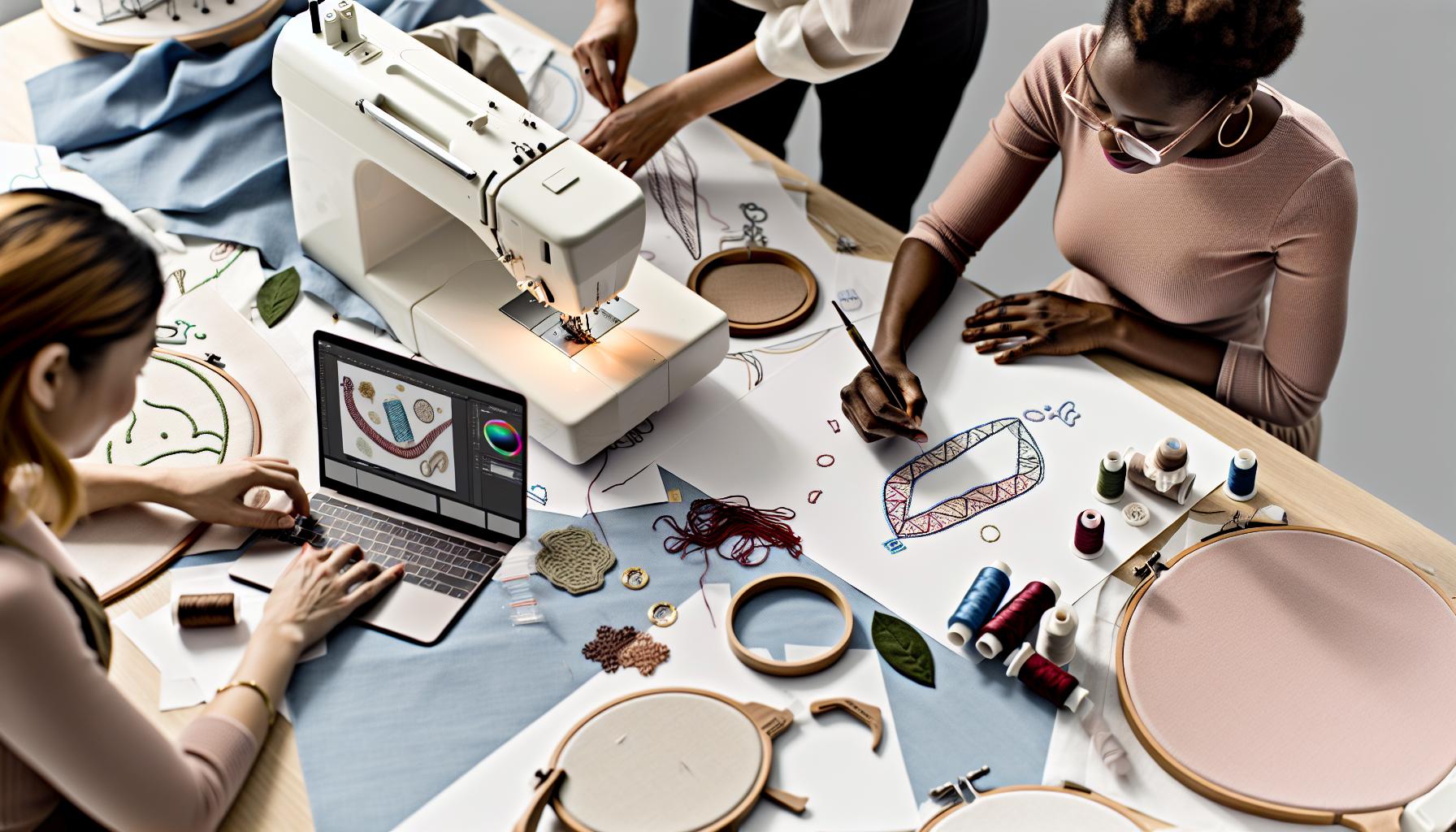
Designing custom embroidery for your sweatshirt can transform it into a unique piece that expresses your personal style. The process is enjoyable and straightforward, perfect for both beginners and seasoned embroiderers. By following a structured approach, you can ensure that your design not only looks great but also stitches out smoothly.
Begin by brainstorming your design. Think about the message you want to convey or imagery that resonates with your style. It could be as simple as your name or a favorite quote, or more intricate, like a logo or graphic. Use sketching or digital design tools to outline your ideas. Once you have a clear vision, choose a design software that suits your needs; popular choices include Hatch and Wilcom. These programs allow you to convert images into embroidery files, ensuring they’re properly formatted for your embroidery machine.
Next, consider the placement of your design on the sweatshirt. Common spots include the chest, sleeve, or back, but don’t be afraid to experiment with unconventional placements! Use a fabric marker to lightly outline where your design will go, ensuring it’s centered and within the printable area.
Once your design is set, it’s crucial to select appropriate threads and fabrics. Polyester threads are ideal for sweatshirts due to their strength and color retention. Match your thread colors to your design for a cohesive look. For the sweatshirt fabric itself, opt for materials that are smooth and stable, which will help achieve a clean finish with minimal puckering. Make sure to use stabilizers to support your fabric during the stitching process, keeping everything neat and aligned.
After everything is prepared, it’s time to make a test run. Using a scrap piece of similar fabric, run a quick embroidery test to spot any potential issues before tackling your actual sweatshirt. This test will allow you to see how your design translates into stitches and make necessary adjustments.
With your tools ready and design finalized, you’re set to create an amazing custom sweatshirt that reflects your personality and creativity. So grab that machine and get stitching-your unique masterpiece awaits!
Techniques for Transferring Designs Onto Fabric
Transferring your custom design onto fabric is a crucial step in the embroidery process, and getting it right can make all the difference in achieving a professional finish. Whether you’re creating a playful graphic for your hoodie or a sophisticated logo for a team sweatshirt, the technique you choose for transferring your design can influence both the look and durability of your embroidery.
One of the simplest and most effective methods for transferring designs is using transfer paper. This process typically involves printing your design onto special transfer paper and then using a heat press or iron to transfer the ink onto your sweatshirt fabric. Make sure to select the appropriate type of transfer paper based on your fabric color; light-colored fabrics require light transfer paper, while dark fabrics need darker paper. After printing, carefully cut around the design to minimize excess paper and align it properly on the sweatshirt before applying heat.
Another popular method is using embroidery software that allows you to create and adjust your design to fit your fabric perfectly. Once you have the design formatted correctly, you can utilize a stabilizer to keep the fabric taut while embroidering, which ensures that the stitches lay flat and don’t pull or pucker the fabric. This method often requires more technical skill but can yield impressive results when done correctly.
For a more traditional approach, tracing your design directly onto the fabric can be a fun and engaging technique. This method involves placing your fabric over a printed design and using a water-soluble fabric marker to trace the outlines. This technique is especially useful if you prefer to freehand some details or want to add a personal touch to your design. Just remember to test the marker on a scrap piece of fabric beforehand to make sure it washes out easily before you start!
Additionally, consider using adhesive sprays or temporary fabric adhesives to bond your design to the fabric during the initial stitching. This prevents shifting and ensures precise alignment as you work on your embroidery. Once you’ve transferred your design using any of these methods, you’re all set to dive into the stitching process, bringing your unique creation to life!
Choosing the Best Threads and Fabrics for Embroidery
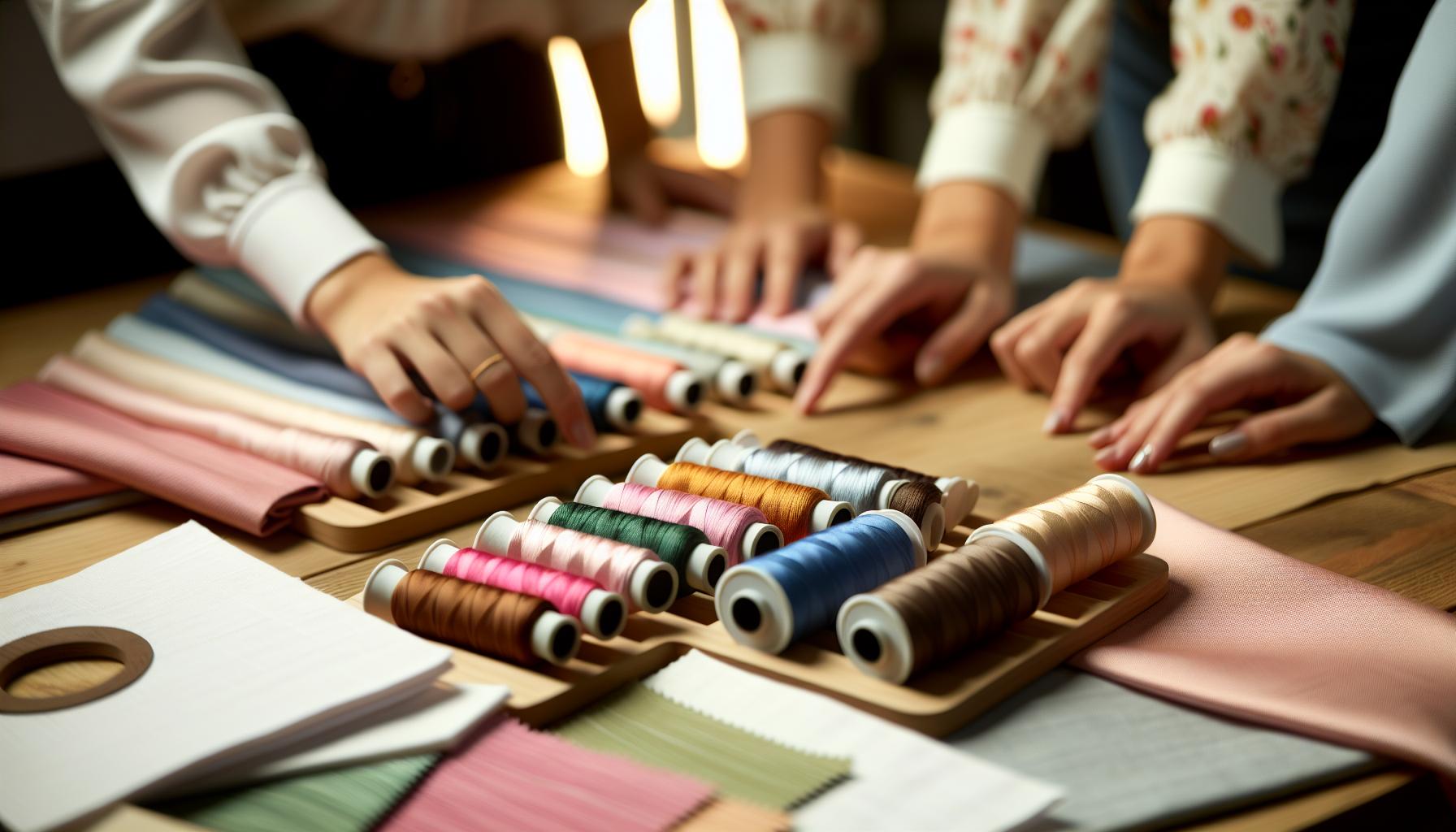
When it comes to elevating your hoodie game with custom embroidery, the threads and fabrics you choose can make all the difference in achieving that polished, professional look. Selecting the right materials not only impacts the aesthetic of your design but also influences its durability and comfort. Whether you’re embarking on a DIY project or commissioning custom pieces, understanding the basics will help you create a sweatshirt that stands out for all the right reasons.
For fabrics, opt for blends that offer a good balance of softness and durability. Cotton-polyester blends are particularly popular because they allow for breathability and comfort while providing enough strength to endure the embroidery process. If your goal is to achieve vibrant colors and detailed designs, consider fleece-lined sweatshirts that can hold embroidery well and maintain their shape after washing. On the other hand, if you want something a bit more upscale, look into French terry or tri-blend fabrics that offer a luxurious feel while providing a soft touch, perfect for showcasing intricate stitching.
When choosing threads, high-quality embroidery threads made from polyester or rayon are ideal for their sheen and color retention. Polyester threads are known for their strength and resistance to fading, making them a fantastic choice for hoodies that will see regular wear and tear. If you’re aiming for a more silky finish, rayon threads can add a touch of elegance and vibrancy to your designs, although they may require a bit more care to maintain their appearance. Always ensure your thread color complements your fabric choice to enhance your design visually.
Investing time in selecting the right pairs for your sweatshirt project will pay off in the form of eye-catching, personalized pieces that feel as great as they look. Not only will these choices ensure your creativity shines through, but they also empower you to make bold statements with your custom embroidery, celebrating the unique culture of comfortable, stylish casual wear.
Mastering the Basics: Stitch Types and Techniques
When it comes to adding custom embroidery to your sweatshirt, mastering stitch types and techniques is essential for achieving a polished look that showcases your creativity. Each stitch serves a specific purpose and can dramatically change the appearance and texture of your design. By understanding these basics, you’ll be well on your way to creating beautiful embroidered pieces that enhance your hoodie collection.
Understanding Stitch Types
There are several fundamental stitch types to familiarize yourself with, each offering unique characteristics:
- Running Stitch: This basic stitch is perfect for outlining designs or creating delicate details. It consists of a series of straight stitches that form continuous lines.
- Satin Stitch: Ideal for filling in shapes, this stitch creates a smooth and shiny surface that can make your designs pop. It’s best used for smaller areas where texture matters.
- Back Stitch: Great for adding depth, the back stitch creates a thicker line by stitching backward and forward over the previous stitch, making it excellent for stronger outlines.
- Chain Stitch: This stitch looks like a series of connected loops, adding a charming, textured element to your designs. It works well for borders or decorative touches.
Techniques for Application
Equipping yourself with various techniques enhances your embroidery skills. Here are some practical tips to improve your results and efficiency:
- Stabilization: Always use a stabilizer appropriate to your fabric type. This helps to prevent the fabric from puckering during embroidery and ensures crisp, clean stitches.
- Hooping: Properly hooping your fabric is crucial. Ensure that the fabric is taut but not stretched, as this will maintain alignment during the stitching process.
- Thread Tension: Adjust the tension settings on your embroidery machine to prevent thread breakage and keep the design looking uniform. Test your tension on a scrap piece before starting on your actual fabric.
- Practice and Experimentation: Don’t hesitate to try various combinations of stitches and techniques. Each project is a learning opportunity, so invest time in practice to develop your style.
By integrating these stitch types and techniques into your embroidery practice, you’ll not only improve the quality of your designs but also gain the confidence to tackle more complex embellishments. Remember, embroidery is an art form, and embracing both the basics and the intricacies will set you on the path to creating stunning sweatshirts that reflect your personal flair.
Tips for Maintaining Your Embroidery Machine
To keep your embroidery machine running smoothly and producing stunning custom designs on your sweatshirts, regular maintenance is key. Just like a trusty hoodie, your machine needs care to perform at its best, ensuring your projects are joyful experiences rather than headaches. A well-maintained machine not only increases the lifespan of your equipment but also improves the quality of your embroidery, giving you precision and creativity in every stitch.
One essential aspect of machine maintenance is thorough cleaning. After every few projects or daily if you’re a frequent user, make it a habit to remove thread and lint from both the exterior and interior of the machine. Use a small brush or a vacuum attachment designed for delicate electronics to ensure you capture all loose debris. Oiling your machine is also crucial; refer to your user manual, but typically, you should oil the moving parts every few sewing sessions or as recommended by your machine manufacturer. This reduces friction and helps maintain optimal performance.
Another critical area to focus on is the bobbin case. Keeping it clean is vital because any buildup of lint or thread can cause your machine to jam or skip stitches, which is frustrating when you’re mid-design. Use a small brush to clean this area regularly, especially if you’re using cotton thread, which tends to shed more. Additionally, double-check that your needle is in good condition; replacing it regularly will help avoid tension issues and broken thread, ensuring your designs come out crisp and vibrant.
Understanding the importance of proper threading and tension settings is also vital for maintenance. Always use high-quality thread suitable for your project-a poor-quality thread can lead to tangles and jams. Make sure to adjust the tension according to the thickness of the fabric you’re using, and do test runs on scrap pieces to ensure everything is set perfectly before starting on your sweatshirts. By investing time in these maintenance practices, you’ll not only prolong the life of your embroidery machine but also ensure it produces beautiful, high-quality custom designs that make your sweatshirts truly unique.
Care Instructions for Embroidered Sweatshirts
To keep your embroidered sweatshirts looking pristine and vibrant, proper care is essential. These cozy garments deserve love and attention, ensuring that your creative designs remain beautiful and lasting. Whether you’ve created a custom piece or inherited a stunning embroidered gem, following the right maintenance tips can help prevent fading, fraying, or damage, allowing you to enjoy your stylish sweatshirts for years to come.
When it’s time for laundry, always remember to turn your sweatshirt inside out. This simple step protects the embroidery from friction and potential damage caused by other fabrics in the wash. Opt for a gentle cycle with cold water; hot water can lead to fading and shrinkage. Use a mild detergent that’s free from harsh chemicals, and avoid bleach unless specified for your thread type. For embroidered items, non-chlorine bleach is preferable if whitening is necessary, particularly for synthetic threads like polyester or rayon, which are commonly used in embroidery. After washing, air drying is ideal. Hang your sweatshirt or lay it flat to dry, steering clear of direct sunlight to prevent color fading.
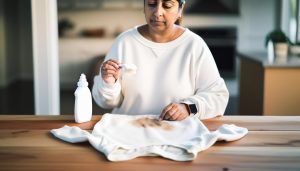
Stain removal can be a daunting task, especially on embroidered areas. For minor stains, dab a small amount of soap and lukewarm water onto the affected area with a clean cloth right away. Blot gently-never rub-as this can damage the threads. For tougher stains, consider pre-treating with a stain remover that is safe for colored fabrics. Always test on a small, inconspicuous area first to ensure it won’t compromise your design. In cases of more persistent stains, professional cleaning may be the safest approach.
Lastly, storage plays a crucial role in maintaining the condition of your embroidered sweatshirts. Choose a cool, dry place, and avoid folding them in a way that places pressure on the embroidery. Instead, try hanging your sweatshirts or stacking them gently with acid-free tissue paper between layers to protect your personalized designs from wear and tear. By following these care instructions, you’ll ensure that your embroidered sweatshirts remain a staple of your wardrobe, showcasing your unique style effortlessly.
Creative Ideas for Personalized Sweatshirt Embellishments
The beauty of customizing sweatshirts goes beyond just practicality; it’s an opportunity for creative expression that resonates with your personal style! With embroidery at your fingertips, you can transform a plain sweatshirt into a unique piece of art that reflects who you are. Let’s explore some imaginative ways to embellish your sweatshirts, ensuring they are not only cozy but also a standout feature in your wardrobe.
One popular approach is to incorporate vibrant or contrasting thread colors into traditional designs. For instance, a classic monogram can be enhanced with neon threads for a modern twist. You could also consider creating a nature-inspired theme, where floral motifs or animal silhouettes are delicately stitched across the chest, sleeves, or even as an all-over pattern. If you’re aiming for a more playful vibe, think about playful quotes or personalized messages in fun fonts. These can serve as conversation starters and add a layer of fun to your outfit.
Another creative avenue is layering your embroideries with fabric paints or patches. Imagine a beautifully embroidered design topped with shimmering fabric paint highlights or a thoughtfully placed patch that complements your design. Experimenting with textures can elevate your sweatshirt’s visual appeal. Additionally, using techniques like reverse applique adds depth and dimension. This involves cutting out parts of a top layer of fabric to reveal a contrasting layer beneath, creating a stunning look that’s both stylish and intricate.
You can further personalize by including hand-stitched elements. This could be as simple as small x’s along the seams or adding buttons and embellishments at specific points. Not only does this add a unique touch, but it also gives your sweatshirt a handmade feel that mass-produced items rarely have.
Lastly, don’t shy away from using your sweatshirt as a canvas for storytelling. Whether it’s meaningful symbols from your favorite hobbies, places you’ve traveled, or cherished memories, infusing your personal history can turn a simple sweatshirt into a treasured item.
By leveraging these creative embellishment ideas, your sweatshirts will not only be a comfy staple but also a powerful statement of your style and personality. Embrace the challenge of customizing-each stitch and design is a chance to express yourself while staying cozy!
Troubleshooting Common Embroidery Issues
Embroidery is an art form that brings sweatshirts to life, but like any craft, it can come with its share of hiccups. Whether you’re just getting started or you’re a seasoned embroiderer, knowing how to troubleshoot common issues can save you time and frustration. Many embroiderers encounter problems like thread breaks, fabric puckering, or misaligned designs. The key is to remain calm and systematic.
One prevalent issue is thread breakage, which can often occur due to improper tension settings. Make sure your thread tension is correctly adjusted both in the bobbin and the top thread. If you find that your thread continues to break, check to ensure you are using the correct needle size for your fabric and that the needle is not damaged. Additionally, using high-quality thread can significantly reduce threading issues.
Another common problem is fabric puckering, which typically arises from either using an inappropriate stabilizer or not applying enough tension during the stitching process. To prevent this, always match your stabilizer to the weight of your sweatshirt fabric. A tear-away stabilizer may work well for lighter fabrics, while a cut-away stabilizer is better suited for heavier materials. Keeping a good, consistent tension while stitching will also help eliminate puckering.
Lastly, if your designs are misaligned, check your hooping technique. Make sure your fabric is hooped tightly and secured evenly. A good practice is to use a temporary spray adhesive to keep your fabric from shifting. Remember also to position your design correctly in the embroidery software before starting the process; the proper dimensions and placement will save you headaches later.
Dealing with these common embroidery challenges can enhance your customization experience and result in beautifully personalized sweatshirts. As you gain more experience, you’ll find that each setback is an opportunity to learn and perfect your craft, leading to more confident and creative projects in the future!
Inspiring Examples of Embroidered Sweatshirt Designs
Embroidered sweatshirts have become a canvas for creativity, allowing individuals to express their unique personalities and style. From bold graphics to delicate florals, the possibilities are endless, making it easy to create something truly special. Imagine rocking a sweatshirt adorned with a custom monogram, an inspiring quote, or even a playful design that reflects your hobbies or interests. This personal touch not only enhances your wardrobe but also transforms a simple garment into a statement piece.
One popular trend in embroidered sweatshirts is using contrasting thread colors to create eye-catching designs. For example, a navy sweatshirt with bright yellow embroidery can make a striking impact. You can also play around with fabric texturing by combining embroidery with other techniques, such as appliqué or fabric paint, to create multidimensional designs. Think about incorporating elements like patches or stripes in your embroidery-this can add an interesting twist and give your sweatshirt an added layer of depth.
For those looking to showcase their artistic side, consider creating themed sweatshirts for events or seasons. Holiday-themed sweatshirts featuring festive images or slogans can be ideal for family gatherings or celebrations. Meanwhile, personalized sweatshirts with logos or designs representing a favorite sports team, band, or charity can also be a great way to show support for what you love. This also opens up opportunities for collaborative projects, where groups can create matching designs, enhancing a sense of unity and belonging.
Remember, the key to great embroidery is ensuring your designs not only look good but also resonate with your personal style or message. To make your sweatshirt even more special, think about adding custom labels or tags with thoughtful messages inside the garment. Whether gifting it to someone or keeping it for yourself, these small details can elevate the entire experience, turning any sweatshirt into a beloved treasure that tells a story.
How to Market Your Custom Embroidered Sweatshirts
Marketing custom embroidered sweatshirts is not just about showcasing a product; it’s about telling a story that resonates with potential customers. In an age where individuality and self-expression dominate fashion, a well-crafted marketing strategy can elevate your designs and connect with the right audience. Begin your journey by identifying your target market. Are you focusing on college students looking for cozy and personalized apparel, or perhaps businesses seeking custom uniforms? Tailoring your approach to specific demographics will enhance your outreach efforts.
Utilize social media platforms to create visually appealing content that highlights your sweatshirts. Instagram and Pinterest are particularly effective for fashion-centric marketing, allowing you to share vibrant images and videos of your designs in action. Consider collaborating with influencers or local artists who embody your brand’s aesthetic. These partnerships not only expand your reach but also solidify community ties. Host giveaways or contests to encourage engagement, turning followers into loyal customers who are excited to share their own experiences with your products.
Another effective marketing strategy is to leverage storytelling. Share the inspiration behind your designs, whether it’s a unique embroidery technique, a cause you support, or a seasonal theme. Customers are more likely to connect with products that have a meaningful story attached. Use your website and social media platforms to feature customer testimonials and photos, showcasing how your sweatshirts have enriched their lives. This builds trust and fosters a sense of belonging among your audience.
Don’t forget to optimize your online presence with SEO strategies. Use relevant keywords related to custom embroidery and sweatshirts to enhance visibility on search engines. This includes maintaining an informative and user-friendly website where customers can easily browse your offerings and learn more about customizing their orders. Consider creating content that answers common questions about sizing, embroidery care, and styling tips to further establish your expertise and authority in the market. This approach not only drives traffic but also nurtures customer loyalty through valuable insights and support.
FAQ
Q: What type of embroidery machine is best for sweatshirts?
A: A commercial embroidery machine is ideal for sweatshirts, as it can handle thicker fabrics and larger designs. Look for machines with multiple needles and a large hoop size to accommodate various sweatshirt designs and styles effectively.
Q: How can I choose the right design for my sweatshirt?
A: Opt for designs that complement the bulky texture of sweatshirts. Simple, bold patterns or text often work well. Utilize graphic design software to visualize your design and ensure it aligns with the sweatshirt’s style and color.
Q: What fabric stabilizer should I use for sweatshirt embroidery?
A: Use a cut-away stabilizer for sweatshirts, as it provides support during the stitching process and helps maintain the fabric’s stability. This stabilizer is ideal for thicker materials, ensuring clean stitches and preventing distortion.
Q: How do I prevent my sweatshirt from puckering during embroidery?
A: To avoid puckering, ensure you use the right stabilizer and adjust the tension on your embroidery machine. Additionally, hoop the fabric tightly and consider reducing the stitch density for larger designs to maintain a smooth finish.
Q: What should I consider when selecting thread for embroidering sweatshirts?
A: Choose polyester or rayon thread for durability and color vibrancy. These threads withstand washing well and complement the soft texture of sweatshirt fabric. Always match the thread color closely with the sweatshirt for a seamless look.
Q: Can I machine wash embroidered sweatshirts?
A: Yes, machine washing is possible, but to maintain the embroidery’s integrity, turn the sweatshirt inside out, use cold water, and select a gentle cycle. Avoid fabric softeners, as they can affect thread appearance and texture.
Q: What are some creative design ideas for customizing sweatshirts?
A: Consider incorporating personalized text, unique graphic designs, or mixed media like patches and appliqués. Seasonal themes and pop culture references can also make your sweatshirt stand out. Check the article for more inspiration on creative embellishments.
Q: How often should I clean my embroidery machine when working with sweatshirts?
A: Clean your embroidery machine after every major project to remove lint and debris caused by thicker fabrics. Regular maintenance ensures optimal performance and longevity, allowing you to produce high-quality embroidery consistently.
For more detailed insights into embroidering sweatshirts and to explore additional tips, check out our full guide on creating custom designs.
Final Thoughts
Now that you’ve learned the essentials of embroidering a sweatshirt and creating custom designs, it’s time to put your newfound skills into action! Remember, perfecting your embroidery techniques takes practice, so don’t hesitate to experiment with different styles and patterns. Whether you’re personalizing a hoodie or giving a gift, each project is a chance to showcase your creativity.
For more tips on customizing your wardrobe, check out our guides on DIY Customization Techniques and Styling Your Sweatshirts. If you’re eager to delve deeper, sign up for our newsletter for exclusive content and insights! Have questions or want to share your creations? We’d love to hear from you in the comments below!
Embrace the hoodie culture with confidence-your journey doesn’t end here! Explore how to care for your stylish creations or discover even more creative projects like tie-dye. Let’s keep the conversation going as you craft your personal style!