Hoodies are the quintessential comfort wear, perfect for layering or lounging, but finding the right fit can sometimes be a challenge-especially when those sleeves feel just a bit too long. If you’ve ever tugged at your hoodie sleeves while wishing for a tailored look, you’re not alone! In this guide, we’ll explore practical tailoring hacks that give your hoodie a customized fit. From simple alterations to stylish modifications, you’ll discover techniques that enhance both comfort and style. Whether you’re looking to revamp a beloved hoodie or simply want to refresh your wardrobe, these easy fixes will empower you to embrace your creativity and take control of your wardrobe. Let’s dive into the world of DIY tailoring and transform those long sleeves into a perfect fit!
How to Measure Hoodie Sleeve Length Accurately
To ensure a perfect fit when tackling long hoodie sleeves, starting with accurate measurements is crucial. The ideal sleeve length can dramatically alter the overall look and feel of your hoodie, transforming it from oversized and frumpy to fashionably tailored. You don’t need to be a professional tailor; just a little know-how will go a long way!
Begin by gathering your essential tools: a soft measuring tape, a flat surface, and ideally, a well-fitting hoodie to compare measurements. To measure the sleeve length, put your hoodie on a flat surface with the sleeves extended. Measure from the center back of the neck, down across the shoulder, and along the outer seam of the sleeve to the desired end point, often the wrist bone. It’s best to measure both sleeves in case one is longer than the other, due to manufacturing variances. Keep in mind that sleeve lengths typically range from 32 to 36 inches for men’s hoodies, but knowing your specific measurements ensures you tailor your hoodie perfectly.
Once you’ve noted your measurements, consider trying the hoodie on for a final check. Stand with your arms relaxed at your sides and check where the sleeves fall. Ideally, they should hit just at the wrist bone or slightly below, depending on your style preference. Make adjustments accordingly, whether that’s marking for shortening or deciding to embrace a looser look. Remember, measuring accurately lays the groundwork for a tailored hoodie that not only fits comfortably but also enhances your personal style!
Essential Tools for Successful Hoodie Tailoring
To achieve a seamless and stylish alteration for long hoodie sleeves, having the right tools is as vital as your sewing skills. Whether you are a seasoned DIY-er or a beginner eager to tailor your favorite hoodie, ensure you are well-equipped to handle the task confidently. Here’s a rundown of essential tools that will not only make the process smoother but also yield professional-looking results.
Start with a soft measuring tape. This flexible tool is essential for accurately gauging sleeve lengths and ensuring symmetrical modifications. It’s best to measure both sleeves individually, as minor manufacturing discrepancies can lead to uneven lengths. A clear ruler will also be helpful for straightening hems and ensuring precision cuts.
Next, invest in a sharp pair of fabric scissors. Dull scissors can create jagged edges and ruin the clean lines of your hoodie. If you plan to sew the sleeves after shortening them, a sewing machine will greatly enhance your efficiency and allow you to create stronger seams. For those who prefer a hand-sewing approach, a needle and thread in a color that matches your hoodie is a must. Don’t forget a few pins or fabric clips to hold the fabric in place while you work, as this prevents shifting during cutting or sewing.
Incorporating tools for creativity can set your hoodie apart. A seam ripper is invaluable for undoing mistakes or removing existing stitches, while a tailoring chalk or fabric marker helps you mark cut lines and new hems directly on the fabric. For finishing touches, consider purchasing cuffs or elastic bands if you wish to customize the sleeves further or adjust the wrist openings.
As you gather these essential supplies, remember that successful tailoring is not just about altering the length but also about expressing personal style. So, equip yourself with these tools, roll up your sleeves, and let your creative flair shine through your hoodie transformation!
Step-by-Step Guide to Shortening Long Sleeves
Shortening hoodie sleeves can transform a baggy fit into a tailored masterpiece, enhancing your overall style. Whether you’ve found the perfect hoodie that just runs a tad long or you wish to revamp an old favorite, shortening the sleeves can be a fun and rewarding DIY project. Below is a straightforward guide to help you achieve this alteration seamlessly.
Start by gathering all necessary tools: a soft measuring tape, fabric scissors, pins or fabric clips, a sewing machine or needle and thread, and tailoring chalk or a fabric marker. Measure the sleeve length from the shoulder seam down to your desired point, adding an extra inch for hem allowance. It’s crucial to measure both sleeves individually, as each may have slight differences. Mark your desired length with tailoring chalk, ensuring both sides match for an even look.
Next, carefully cut along the marked line using sharp fabric scissors. Don’t rush-precise cutting is essential to avoid fraying or jagged edges. After cutting, fold the raw edge inside to create a hem, pinning it in place to secure the fold. If you’re using a sewing machine, stitch the hem along the folded edge for a clean finish. For hand-sewing, a simple running stitch or whip stitch will work too! Once finished, remove the pins and give your hoodie a gentle press with an iron to set the hem.
To maintain the professional look of your tailored sleeves, consider using a zigzag stitch or serger on the raw edges before hemming, which can help prevent fraying over time. This alteration not only improves the fit but also allows you to express your personal style. With a bit of practice, you can master this simple technique and elevate your hoodie game!
Tailoring Techniques: Sew, Hem, or Fold?

Altering the sleeves of your hoodie can dramatically change its fit and overall aesthetic, making it not just an item of comfort, but a statement piece in your wardrobe. When it comes to tailoring techniques, understanding the methods of sewing, hemming, and folding can empower you to transform a longer sleeve into a piece that complements your style perfectly.
One effective technique is sewing, which involves accurately aligning the sleeves before stitching them to the desired length. Using a sewing machine or hand-stitching can yield durable results. If you choose to sew, ensure the thread matches your hoodie fabric. For those less experienced, a simple straight stitch or a zigzag stitch can provide the security that the hem will hold, while adding a bit of flair to your alteration.
Hemming is another critical process when altering sleeves. This technique entails folding the raw edge of the sleeve inward and securing it to prevent fraying. You can achieve this by using fabric clips or pins to hold the fold before sewing it in place. The hem’s width can be customized depending on the style you’re aiming for-whether you prefer a subtle finish or a more pronounced look, the choice is yours. A double-fold hem, where the fabric is folded over twice, not only creates a tidy finish but also provides additional strength.
Lastly, consider the folding technique, which can offer a creative approach to shortening sleeves without permanent alterations. Simply fold the sleeves up to your desired length and secure them in place with fabric tape or by securing them with a stylish fabric cuff. This is especially helpful if you love experimenting with layering or prefer a casual, relaxed look.
By mastering these techniques-sewing, hemming, and folding-you can create a personalized fit that not only showcases your unique style but also extends the life of your hoodie. Whether you’re looking for a casual weekend outfit or a cozy, stay-at-home look, tailored sleeves can elevate your hoodie and keep you comfortable at the same time. Embrace the creativity that comes with DIY alterations, and let your hoodie tell your story!
Creative Sleeve Design Ideas for Customization

Transforming the sleeves of your hoodie doesn’t just streamline the fit-it opens a door to a world of creative expression. Why settle for basic when you can add personal flair and style that reflects your individuality? From unique designs to practical alterations, the following ideas will help elevate your hoodie game to a new level of artistry.
One inspiring approach is to incorporate contrast stitching along the sleeve hems. This technique not only reinforces the seams but adds a bold statement. Select a thread color that pops against your hoodie; neon threads on dark fabrics create a striking visual effect. Additionally, consider adding fabric patches or embroidered designs to the sleeve; this not only covers any imperfections but also tells a story about your personality and interests. Whether it’s your favorite band, a quirky animal, or a trend-forward pattern, these elements can turn heads.
Another exciting option is the layered sleeve concept. If you tend to wear multiple layers, why not make your hoodie sleeves work for you? You can attach a sheer or patterned fabric under the hoodie’s existing sleeves to create a chic layered look. This is especially great for transitioning between seasons, as lighter fabrics can make a bold statement while adding comfort. For a more retro vibe, consider bell sleeves; by cutting the sleeves wider at the wrist and sewing them back on, you create a fun, flowing style that nods to vintage fashion.
Incorporating cuffs with buttons or snaps can not only add a unique look but also offer functional adjustments. This technique lets you easily adapt the sleeve length while maintaining a stylish finish. Cuffs can also be made from contrasting fabrics or even incorporating designs like stripes or florals to keep the design dynamic.
Lastly, don’t shy away from tie-dye, batik, or other fabric dye methods! You can even focus solely on the sleeves, creating a gradient effect or funky patterns that draw the eye. This not only enhances your hoodie aesthetically but also ensures that each piece is one-of-a-kind.
Embrace these ideas and unleash your creativity! Tailoring and customizing hoodie sleeves aren’t just about functionality-they’re a chance to express yourself in style. With a few simple techniques, your comfy hoodie can become a true signature piece that stands out in any casual setting.
How to Add Cuffs or Adjust Wrist Openings
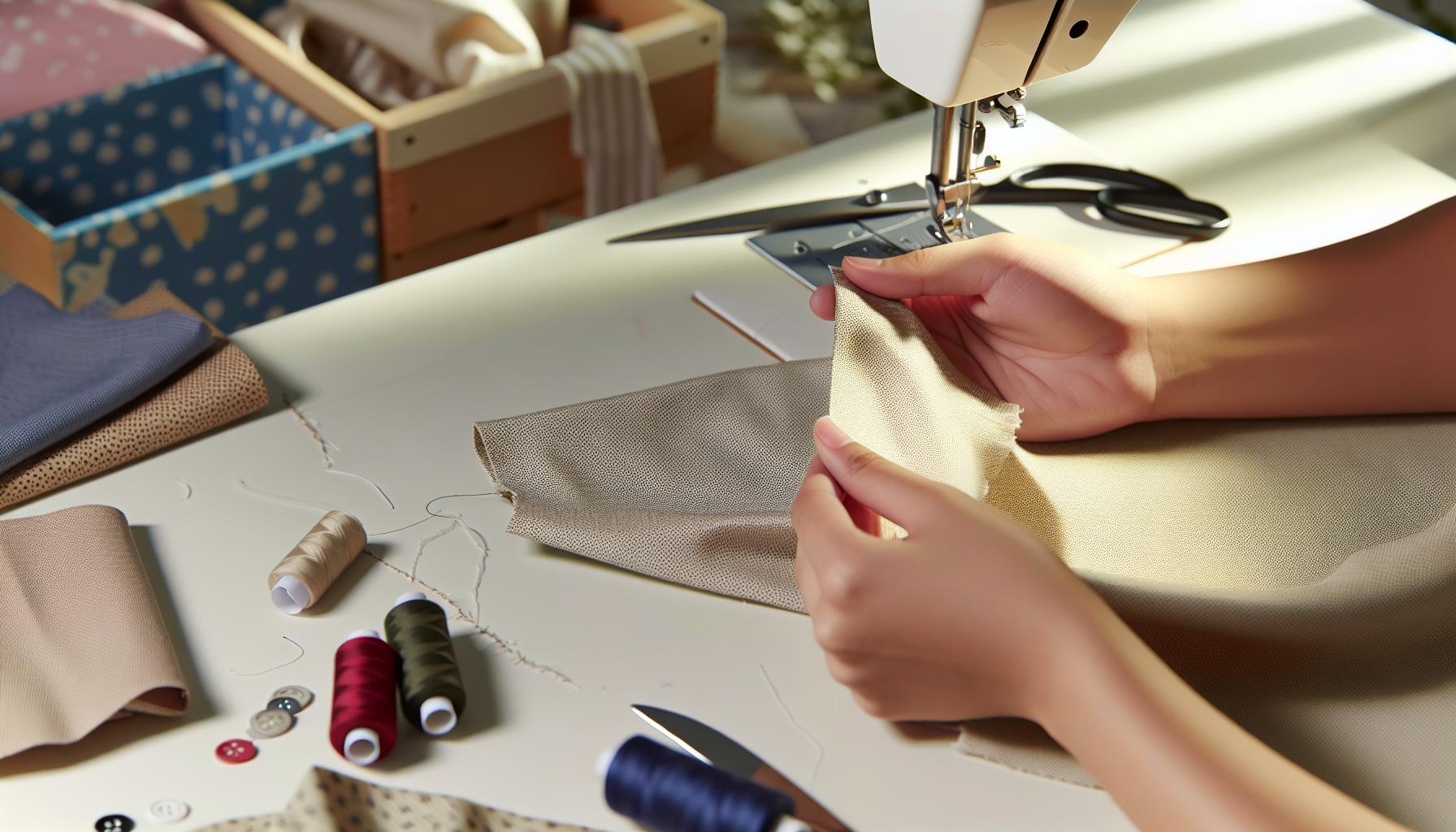
Adding cuffs to your hoodie sleeves or adjusting wrist openings can transform a basic piece into a stylish, customized garment that fits you perfectly. Cuffs provide a neat finish while enhancing comfort and practicality. Whether you want to tighten up loose sleeves or simply add a fashionable touch, this process is not only achievable but also a fun DIY project.
To start, gather your materials. You’ll need some fabric that complements or contrasts with your hoodie, scissors, a sewing machine or needle and thread, and pins. For a truly unique twist, consider using ribbed knit fabric for your cuffs, as it provides stretch and a snug fit. Measure the wrist opening of your hoodie, and decide how much you want to adjust it. A good rule of thumb is to measure around the wrist and then add an extra inch for seam allowances, allowing the cuff to fit snugly.
Once you have your measurements, cut your fabric to the desired size. You will typically want the width of the cuff to be around 6-10 inches, depending on how voluminous you want it to look, and the length should be enough to wrap around your wrist opening comfortably. After cutting, fold the fabric in half lengthwise with the right sides facing each other, creating a loop. Sew the sides together, then flip it right-side out. Now, you’re ready to attach the cuff to your hoodie sleeve. Align the raw edge of the cuff to the sleeve’s wrist opening, pin it in place, and sew it securely.
By completing this simple cuff alteration, you not only enhance the fit of your hoodie but also unlock endless styling opportunities. Mix and match cuff colors and fabrics to create a signature look, or even incorporate patterns such as stripes or floral designs. This process celebrates individuality and allows you to express your unique style while enjoying the comfort and coziness that hoodies provide. So grab your sewing kit and get started-your hoodie deserves a personal touch!
Repairing Holes or Damage in Hoodie Sleeves
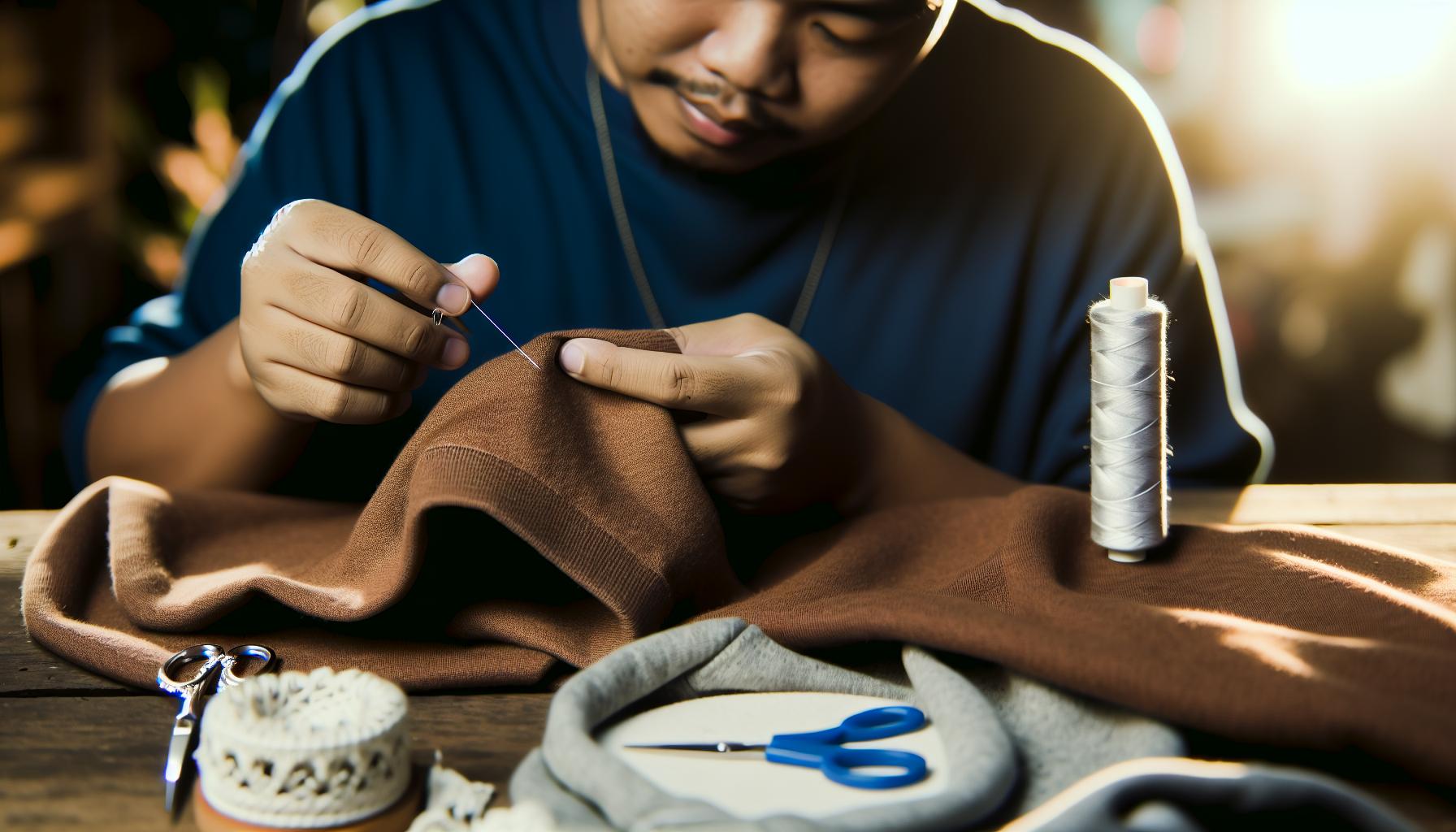
When it comes to hoodies, they often become our go-to garments for casual comfort, but wear and tear can happen, especially in high-movement areas like the sleeves. not only extends the life of your favorite piece but also gives you a chance to personalize it. Here’s how to tackle those pesky issues and keep your hoodie looking great.
Start by assessing the damage. If it’s a small hole or tear, you may be able to fix it with simple stitching. Use a needle and thread that closely matches the fabric color of your hoodie for a more seamless repair. If you choose to go this route, here’s a quick guide:
- Identify the hole’s edges and gently pull the fabric back together.
- Thread your needle and tie a knot at the end.
- Begin stitching from the inside of the sleeve, pulling the needle through both edges of the hole to close it.
- Use small, discreet stitches to secure the fabric together. Finish by tying a knot on the inside of the sleeve.
For larger tears or more significant damage, consider using a patch. This not only covers the hole but can also add a trendy touch to your hoodie. Choose a fabric patch that complements or contrasts with your hoodie color. Here’s how to apply it:
Applying a Patch
1. Cut a patch that is at least half an inch larger than the hole on all sides.
2. Position the patch over the hole, using fabric glue or by pinning it in place.
3. Sew around the edges of the patch with a sewing machine or by hand to secure it firmly. For a decorative touch, opt for contrasting thread.
4. Once attached, you can add embellishments like embroidery or decorative stitching to enhance the design.
Another practical solution for small holes or frays is to incorporate decorative elements like colorful threads or fabric paint, making the repair a part of the hoodie’s aesthetic. This creative approach not only hides imperfections but also transforms them into unique designs that reflect your style.
Finally, remember to maintain your hoodie post-repair. Wash it inside out on a gentle cycle to prevent further wear, and hang it to dry to avoid shrinking or warping. By taking the time to care for your sweatshirt, you can ensure that it stays a beloved staple in your wardrobe for years to come.
Choosing the Right Fabric for Sleeve Alterations
When it comes to altering hoodie sleeves, selecting the right fabric is crucial to achieving a seamless and professional-looking result. Different types of materials behave uniquely, impacting how well they blend with the existing hoodie fabric and how they hold up after alterations. Understanding fabric characteristics will empower you to create a comfortable and stylish fit that complements your personal style.
For most hoodies, common materials include cotton, polyester, and blends of both. Cotton is soft and breathable, making it an ideal choice for casual wear, but it can shrink when washed, so consider pre-washing when using it for sleeves. Polyester, on the other hand, is durable and resistant to wrinkles, but it can be less forgiving in terms of how it drapes, so be sure to choose a lightweight variety for better flow. If you’re looking for something with a little stretch, blends like cotton-spandex can provide a more fitted look while retaining comfort.
Considerations for Fabrics
- Weight: Lighter fabrics like jersey are great for a relaxed fit, while heavier fabrics such as fleece are wonderful for warmth but may not drape as well.
- Color and Pattern Matching: Ensure that any new fabric matches or complements the existing hoodie color scheme. Solid colors are easier to match, while patterns may require more careful consideration.
- Thread Compatibility: Using the same thread type and color as the fabric helps maintain a cohesive look, especially at seams and hems.
- Stretch and Recovery: If your original sleeves have a stretch, choose a fabric with similar elasticity so the alterations blend seamlessly.
Before cutting into your new fabric, it’s smart to test its behavior by washing and drying a sample to check for shrinkage or changes in texture. This simple step can save you from unexpected surprises when you finally finish your sleeve alterations. When in doubt, consult fabric swatches or samples with a local fabric store to ensure you’re on the right track for your customized hoodie project. The perfect fabric choice not only enhances comfort but elevates your overall hoodie design, ensuring it stays a staple in your wardrobe for seasons to come.
Maintaining Your Hoodie Post-Tailoring: Care Tips
Maintaining your hoodie after tailoring it for a perfect fit is essential to ensure it remains a stylish and cozy staple in your wardrobe. With the right care, you can keep your alterations looking fresh and extend the life of your favorite hoodie. Begin with a few fundamental maintenance practices to preserve both the fabric and the tailored adjustments you’ve made.
When washing, always check the care label for specific washing instructions. For most hoodies, using cold water is a safe bet as it helps prevent shrinkage. Wash your hoodie inside out to protect the exterior from fading and pilling. If you’ve added new fabric during the tailoring process, consider washing it separately the first time to avoid color bleeding. Use a gentle detergent and skip the fabric softeners, which can create a residue that makes the fabric greasy and less breathable.
After washing, air drying is the best approach for maintaining your hoodie’s shape and fit. Hanging it to dry or laying it flat helps to prevent any stretching that might occur from the weight of water. If you must use a dryer, opt for a low heat setting to minimize the risk of shrinking. For any stubborn stains, treat them promptly by applying a small amount of detergent directly on the spot before washing. For tougher stains, a homemade paste of baking soda and water can work wonders without damaging the fabric.
Consider regular inspections of your hoodie to ensure that seams and hems remain secure. If you notice any loose threads or small holes, mend them promptly to prevent further damage. Lastly, get creative! Use your tailored hoodie as a canvas for personal expression by exploring embellishments like embroidery or patches, which can not only cover up small imperfections but also add a unique flair that reflects your personality. With these care tips, your tailored hoodie will stay in excellent condition and continue to be a beloved part of your casual wardrobe for years to come.
Popular Styles: How Tailored Sleeves Enhance Your Look
Tailoring the sleeves of your hoodie can dramatically elevate your style, transforming it from a basic piece into a standout wardrobe essential. Well-fitted sleeves create a polished appearance that flatters your arm shape and enhances your overall silhouette, making it a go-to choice for both casual outings and slightly dressier occasions. Whether you prefer a snug fit or a more relaxed look, arthfully tailored sleeves not only offer comfort but also allow you to express your personal style.
When considering how tailored sleeves can impact your look, think about the various designs and lengths. For instance, cropped hoodies with fitted sleeves can create a chic, sporty vibe, pairing perfectly with high-waisted jeans or skirts. Conversely, long, oversized sleeves exude a cozy, laid-back aesthetic that complements joggers or leggings effortlessly. Tailoring can also allow for creative customization. Imagine adding unique cuffs or contrasting colors to your sleeves; not only does it make your hoodie one-of-a-kind, but it also shows off your individual personality.
To successfully showcase tailored sleeves, consider layering your hoodie under blazers or denim jackets. This juxtaposition creates an interesting visual dynamic, drawing attention to the sleeve’s neat finish while providing warmth and style. Accessories such as chunky bracelets or layered necklaces can also enhance the overall appearance, allowing your tailored hoodie to shine as the focal point of your outfit. Whether you’re heading to class, meeting friends for brunch, or even running errands, tailored sleeves can seamlessly integrate into your daily wardrobe, making them a stylish choice for any occasion.
When to Seek Professional Tailoring Help
When you’re looking to enhance the fit of your hoodie sleeves but find yourself in over your head, it might be time to consider professional tailoring. While DIY alterations can be satisfying and save you money, certain factors suggest that a skilled tailor will provide a more refined result. For example, if you’ve attempted alterations but find that the sleeves are uneven or the fit is still off, seeking professional help is a smart choice. Tailors possess the experience and the right tools to achieve a clean, polished look that is oftentimes difficult to replicate at home.
Another key reason to consult a professional is when you’re working with specialty fabrics or intricate designs. Materials such as fleece, jersey, or blends that stretch may require specific handling techniques or equipment that only a trained tailor can provide. Plus, if your hoodie features unique embellishments or stitching that you don’t want to damage, it’s safer to leave it to an expert who can maintain the integrity of those details while making the necessary adjustments.
Budgeting for tailoring can also guide your decision. If your beloved hoodie has sentimental value or premium quality, investing in a professional alteration can prolong its life and enhance your enjoyment. Tailors can also offer valuable advice on styling and fabric care post-alteration, ensuring that your revamped hoodie continues to look its best over time. Ultimately, knowing when to seek professional assistance not only preserves the quality of your favorite wardrobe staple but also enriches the overall experience of customizing your hoodie for that perfect fit.
Common Mistakes to Avoid When Altering Sleeves
Altering hoodie sleeves can seem like a straightforward task, but it’s easy to make a few slip-ups that could compromise your hoodie’s fit and style. One common mistake is failing to accurately measure the desired sleeve length before making any cuts. Always remember the adage: measure twice, cut once! Use a flexible measuring tape to ensure you’re getting the exact length you want; don’t rely on estimates, as they can lead to uneven sleeves or cuts that are too drastic.
Another error often made during alterations is neglecting to account for the fabric’s stretch or recovery. Many hoodie materials are made from stretchy blends, which means they can become longer or shorter depending on how they are manipulated. If you’re planning to adjust the sleeves significantly, consider their behavior when worn. For instance, after shortening, will the sleeves still maintain their intended look when stretched or pulled? To avoid unpleasant surprises, do a quick test by trying the hoodie on and checking how the sleeves behave in action.
Additionally, using the wrong tools can be detrimental to your altering efforts. It’s essential to use sharp fabric scissors and, if needed, a quality sewing machine. Dull scissors can lead to frayed edges, making your hoodie look unkempt. Moreover, proper stitching is crucial for durability. If you opt for a machine, choose a stitch that allows for some flexibility, such as a zigzag, which works well with stretchy fabrics and helps prevent tearing.
Lastly, don’t overlook the finishing touches. One significant oversight many people make is forgetting to secure seams properly or finish raw edges once the alteration is done. A sloppy finish can lead to unraveling and a less professional appearance. Use a serger for a clean finish or choose a zigzag stitch on your sewing machine for edges. Investing time in these final steps will ensure your tailored hoodie looks fantastic and lasts for seasons to come. By sidestepping these common pitfalls, you’ll transform your hoodie sleeves with confidence, achieving a custom fit that elevates your style.
Frequently asked questions
Q: How can I easily shorten the sleeves on my hoodie without sewing?
A: You can shorten hoodie sleeves without sewing by using fabric adhesive tape or iron-on hemming tape. Simply measure the desired length, fold the fabric, apply the tape, and use an iron to secure it. This method is quick, clean, and perfect for temporary adjustments.
Q: What tools do I need for DIY hoodie sleeve alterations?
A: Essential tools for altering hoodie sleeves include fabric scissors, measuring tape, a seam ripper for removing stitches, fabric adhesive, and pins. These tools help ensure accurate measurements and neat alterations, as discussed in our Essential Tools for Successful Hoodie Tailoring section.
Q: Can I add length to my hoodie sleeves if they’ve been cut too short?
A: Yes, you can add length by sewing in matching fabric or using an extension piece sewn at the seam. Alternatively, consider adding cuffs or inserting fabric that complements your hoodie style. For more customization options, check out our section on Creative Sleeve Design Ideas for Customization.
Q: What are some common mistakes to avoid when altering hoodie sleeves?
A: Common mistakes include measuring inaccurately, cutting off too much fabric, and not pre-washing the fabric before alterations. Always double-check your measurements and take a conservative approach to cutting. For more tips, refer to our Common Mistakes to Avoid When Altering Sleeves section.
Q: How can I customize my hoodie sleeves after adjustments?
A: Customization can include adding embroidery, fabric paint, patches, or even tie-dye. These techniques allow you to express personal style post-adjustment. Explore our section on Creative Sleeve Design Ideas for Customization for inspiration.
Q: Is it better to use a sewing machine or hand-sewing for hoodie sleeve alterations?
A: A sewing machine offers speed and durability for alterations, while hand-sewing allows for precision and control. Choose based on your comfort level and the desired finish. Check our section on Tailoring Techniques: Sew, Hem, or Fold? for more guidance.
Q: How can I maintain my hoodie after tailoring it?
A: To maintain your altered hoodie, wash it in cold water, tumble dry on low, and avoid bleach. Regularly check seams and reapply heat-activated fabric adhesive if needed. For care tips, see our Maintaining Your Hoodie Post-Tailoring: Care Tips section.
Q: When should I consider seeking professional help for hoodie alterations?
A: Consider professional help if you’re uncomfortable with sewing, your hoodie has complex designs, or if the fabric is delicate. Experts can ensure a polished finish that DIY might not achieve. For more on when to seek help, refer to our section on When to Seek Professional Tailoring Help.
In Summary
Now that you know how to fix long sleeves on your hoodie with these practical tailoring hacks, it’s time to put your newfound skills to use! Remember, a well-fitted hoodie can elevate your comfort and style, so don’t wait to try these techniques. If you’re eager to customize further, check out our guides on washing and caring for hoodies or explore creative projects like tie-dye and embroidery to make your hoodie truly yours.
We’d love to hear about your DIY successes or any lingering questions you might have! Join our community by commenting below or sharing your projects with us. For more tips on hoodie styling, buying advice, and maintenance, be sure to explore our related articles. Take that first step today to transform your hoodie game-you won’t regret it!