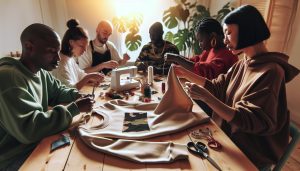
Have you ever wished for a cozy sweatshirt tailored just for you? Making your own sweatshirt is not only a satisfying project but also a fantastic way to express your personal style. With just a few essential materials and some straightforward techniques, anyone can create this timeless garment. Whether you’re looking to perfect your skills or create something uniquely yours, this guide will walk you through each step of crafting a comfortable, stylish sweatshirt.
As we explore the world of DIY sweatshirts, you’ll discover handy tips on customizing your piece, caring for your fabric, and even inspiration for personal touches like embroidery or tie-dye. Dive into the art of sweatshirt-making and unlock the potential to design a piece that feels uniquely you while embracing the casual comfort we all love. So grab your sewing machine and let’s get started on this rewarding journey of sewing your very own sweatshirt!
How to Choose the Right Sweatshirt Fabric
When it comes to creating the perfect sweatshirt, the fabric you choose can make all the difference. Not only does it impact the overall comfort and function of your garment, but it also influences how your finished product looks and drapes. Whether you’re looking for warmth, stretch, or a unique aesthetic, understanding the various fabric options available is essential.
For a classic sweatshirt, consider using materials like heavyweight knits or French terry. These fabrics provide the structure needed for a cozy fit without compromising flexibility. If you want something that offers a bit of stretch, fabrics with spandex or elastane are excellent choices, allowing your sweatshirt to move with you, whether you’re lounging at home or out on an adventure. Ponte knit is another popular option, offering a smooth surface that’s perfect for both casual and semi-formal styles.
Choosing the Right Weight
It’s crucial to consider the weight of the fabric, as this will affect how warm and comfortable the sweatshirt feels. Lightweight fabrics are ideal for layering in cooler climates, while heavier weights provide insulation against colder weather. A quick guide to fabric weight might look like this:
| Fabric Weight | Recommended Use | Example Fabrics |
|---|---|---|
| Lightweight | Layering or transitional weather | T-shirt knit, lightweight jersey |
| Medium Weight | Everyday wear | French terry, interlock knit |
| Heavyweight | Cool to cold weather | Ponte, fleece, or sweatshirt fleece |
Fabric Texture and Feel
Don’t underestimate the importance of texture! Fabrics like loopback fleece have a soft, comforting touch that feels great against the skin, which is ideal for those cozy, relaxed days. Alternatively, brushed fleece has a plush finish that adds to the garment’s warmth and softness, elevating your hoodie game to new heights. Remember to consider any personal sensitivities to materials; some fabrics have different levels of breathability and warmth that might suit you better than others.
Ultimately, the best sweatshirt fabric aligns with your lifestyle, preferences, and the intended use of the garment. By selecting the right fabric, you’re one step closer to crafting a sweatshirt that not only fits perfectly but feels like a second skin. Whether you’re a seasoned sewist or a beginner diving into the world of DIY apparel, understanding fabric choices will empower you to make a stylish and comfortable creation.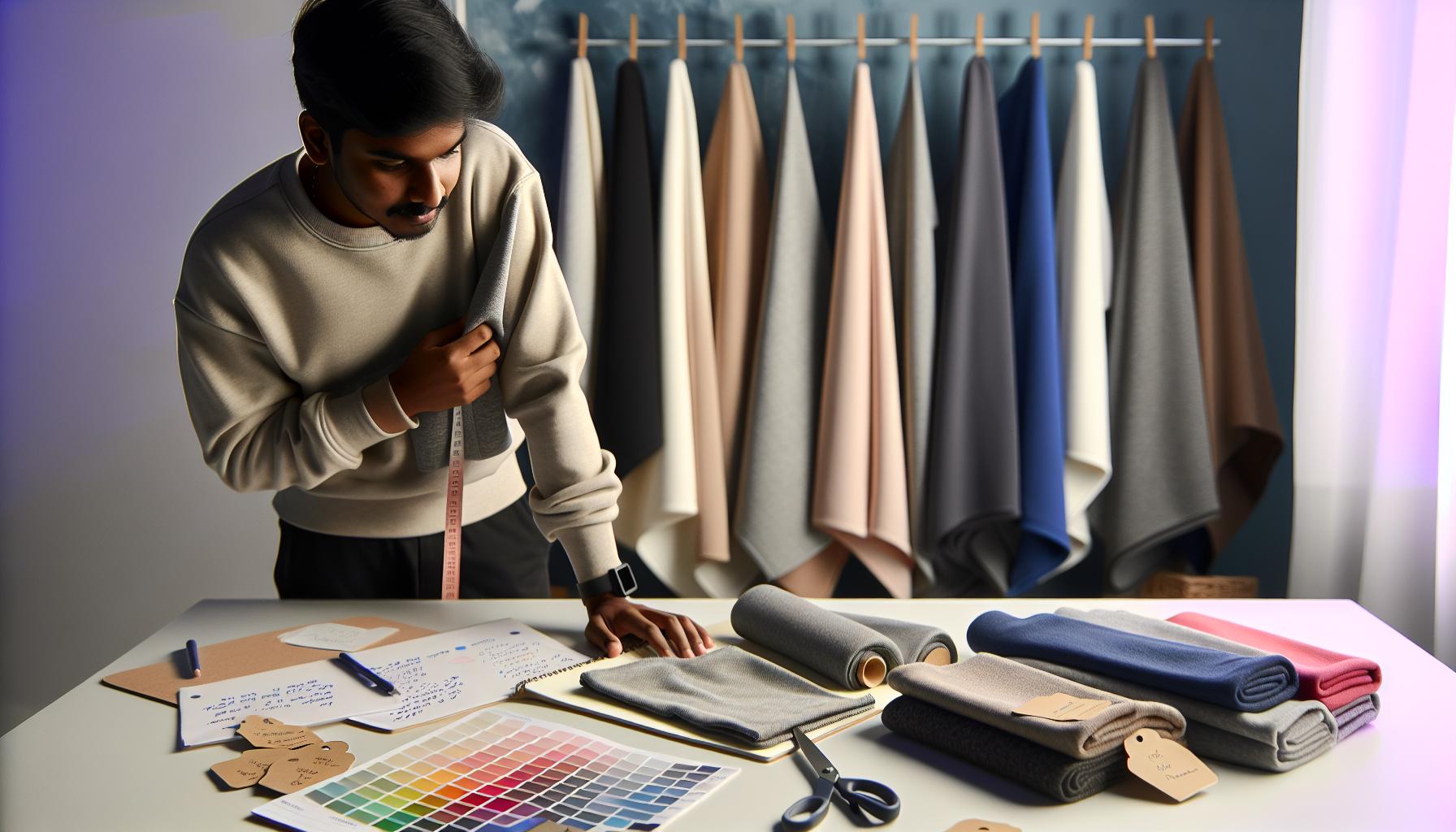
Essential Tools for Sewing Your Sweatshirt
Creating your own sweatshirt is not just a fun project-it’s a fantastic way to express your personal style and creativity! To make the process smooth and enjoyable, having the right tools is essential. Whether you are a complete beginner or looking to refine your skills, this toolkit will see you through every stitch.
Start with a quality sewing machine. Look for a model that can handle different fabric weights, especially heavier materials like fleece or French terry, which are popular for sweatshirts. A machine with adjustable stitch settings, especially a zigzag stitch, is useful for working with stretch fabrics. If you have access to a serger (overlocker), it can give your seams a professional finish while preventing fraying.
You’ll also need some basic hand sewing tools: scissors or rotary cutters for clean cuts, pins or fabric clips to hold your pieces together, and a measuring tape or ruler for accurate measurements. Additionally, having a good selection of needles-especially ballpoint needles for knit fabrics-is crucial. Don’t forget about thread: opt for polyester, as it’s strong and stretchy, making it ideal for sweatshirt materials.
Lastly, consider keeping a few specialty tools on hand. A fabric marking tool (like chalk or fabric pens) will help you easily trace patterns without permanent marks. A seam gauge will be handy for measuring hems and seams accurately. And if you’re adding customization like drawstrings or pockets, some extra tools like grommet kits or a seam ripper might also come in handy.
With the right tools at your disposal, you’re set up for a successful sweatshirt-making experience. So gather your supplies, put on some fun music, and let your creativity unfold as you sew a cozy piece that reflects your personality!
Step-by-Step Instructions for Cutting Patterns
To achieve the perfect fit when creating your sweatshirt, mastering the technique of cutting patterns is essential. A well-cut pattern sets the foundation for an impeccable garment, allowing you to enjoy the cozy comfort of your new creation without any fitting woes. Whether you’re using a commercial pattern or drafting your own, following these streamlined steps will guide you through the process with confidence.
Begin by preparing your fabric and tools. Lay your sweatshirt fabric on a flat, clean surface, ensuring it is wrinkle-free. After selecting your pattern, read through the instructions thoroughly to understand all the pieces you’ll need to cut. For a basic sweatshirt, you will typically require the following components: the front, the back, two sleeves, the neckband, and cuffs. If you plan to add pockets or drawstrings, be sure to cut those pieces as well.
Next, arrange your pattern pieces on the fabric, paying attention to the grainline markings. This is key for ensuring your sweatshirt drapes nicely. Use weights or pins to secure the pattern in place, preventing any movement while you cut. Make sure to cut along the outer edges of the pattern, keeping your scissors or rotary cutter steady to achieve clean, even edges. A common tip is to cut with a slight curve to prevent fraying and maintain a neat finish.
Once all your pieces are cut, take a moment to label them if necessary. This will save you time and potential confusion as you begin to sew. It’s also advantageous to make a note of any alterations or customization ideas before you proceed to the sewing stage. With your pieces cut and ready, you’re one step closer to rocking that handmade sweatshirt. Remember, practice makes perfect, so don’t be afraid to adjust your technique as you go along-every sweatshirt project is a great opportunity to refine your sewing skills!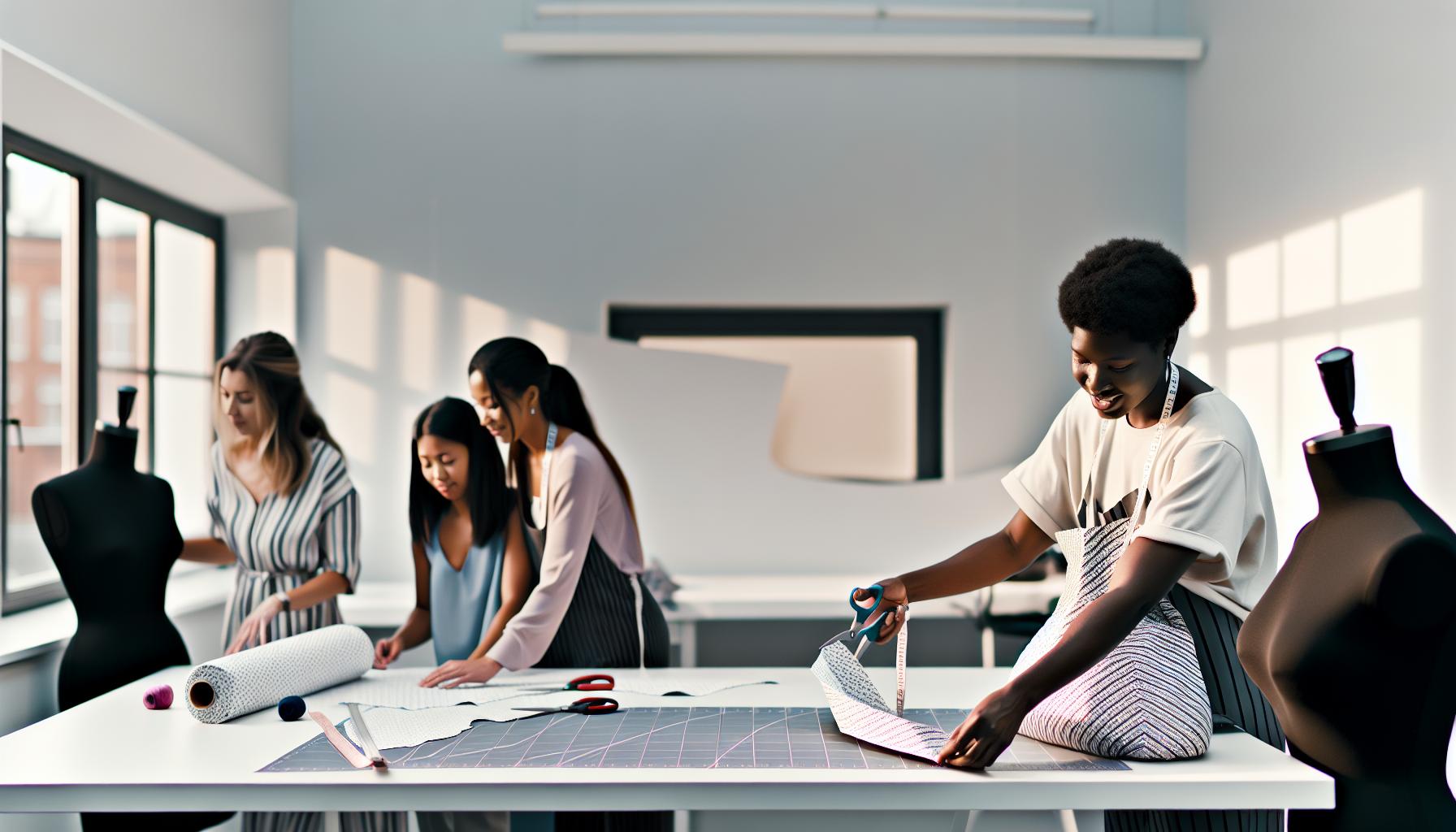
Mastering the Basics of Sewing Techniques
Sewing a sweatshirt may seem daunting for newcomers, but it’s an incredibly rewarding project that introduces you to essential techniques in garment construction. Understanding the basics of sewing techniques can turn what might feel like an overwhelming task into an enjoyable experience, allowing you to create a cozy piece that reflects your personal style.
One of the first things to grasp is the importance of using the right stitch for your fabric. For sweatshirt materials, a stretchy fabric like French terry or fleece typically requires stretch stitches. A zigzag stitch or a serger is ideal as they allow the fabric to retain its elasticity, making your sweatshirt comfortable and durable. If you’re using a sewing machine, don’t forget to adjust your tension settings to accommodate the thickness of your fabric, ensuring consistent and even seams.
When it comes to assembling the pieces, joining your front and back sections can be simplified by sewing with a ¼ inch seam allowance. This not only provides enough space for the fabric to stretch but also gives a clean finish. Use clips instead of pins to hold your fabric in place-these are especially helpful for thicker materials and prevent the fabric from distorting. Remember, taking your time to sew slowly will enhance accuracy and reduce the likelihood of errors.
A personalized touch can elevate your sweatshirt from ordinary to uniquely yours. If you’re feeling adventurous, consider adding pockets or drawstrings. For kangaroo pockets, align your pocket pieces with the front piece before attaching. To create a drawstring, simply use a long strip of fabric turned into a tube and inserted into the neckline or hem. You can easily create a custom look by incorporating various colors and prints into these details, enhancing the overall aesthetic.
As you’re sewing, don’t overlook the importance of finishing your seams to prevent fraying. Techniques like overlocking or using pinking shears can make a world of difference. If you’re feeling creative, embellishments like embroidery or fabric paints can personalize your sweatshirt further, making it a true reflection of your style.
With these sewing techniques at your fingertips, you’re well on your way to crafting a sweatshirt that you’ll love to wear and show off. Embrace the learning curve, and remember: each stitch brings you one step closer to mastering your sewing skills!
Incorporating Drawstrings and Pockets
Incorporating functional and stylish elements into your sweatshirt can truly elevate your project from plain to perfect. One of the most popular customization options is the addition of pockets, which not only provide handy storage for small items but also enhance the sweatshirt’s overall aesthetic. Consider including kangaroo pockets, which are particularly trendy and practical. To create a kangaroo pocket, cut two matching pieces from your fabric, and position them on the front side before sewing. Ensure they align correctly and securely top-stitch around the edges for a clean finish. This will not only keep your items secure but will also add a stylish flair to your design.
Another great feature to boost both functionality and style is the drawstring. Adding a drawstring to your neckline or hem can give your sweatshirt a sporty vibe, adjusting to fit comfortably while serving as a stylish detail. For the drawstring, all you need is a long strip of your chosen fabric, which you can sew into a tube. After turning it right side out, thread it through the casing you’ve created at the neckline or hem using a safety pin to help guide it. Consider using contrasting colors or fun patterns for your drawstring to make a statement piece that stands out from the crowd.
Fun Tips for Pocket and Drawstring Customization
- Use different fabrics: Mix textures and colors by using fleece or corduroy for pockets and a lightweight cotton or jersey for the main body.
- Embellish your pockets: Try adding patches, embroidery, or even fabric paint to personalize your pockets.
- Functionality meets style: Ensure your drawstring is the right length for easy adjustment. Test it out by inserting it into the casing before finishing the seam.
- Finish seams properly: Use serging or a zigzag stitch on pocket edges to prevent fraying.
Adding such clever and stylish finishes makes your sweatshirt more than just comfortable wear; it’s a product of your creativity and effort. With a little bit of planning and technique, you can create a personalized piece that not only serves its purpose but also feels uniquely yours. Embrace the customization process, and let your sweatshirt reflect your individual style and personality!
Adding Style with Customization Techniques
Creating a personalized sweatshirt can be a delightful way to express your unique style while enjoying the comfort that sweatshirts provide. From embroidery to fabric paint, there are countless ways to add a personal touch to your garment. Customization is not just about aesthetics-it allows you to transform a simple sweatshirt into a statement piece that reflects your individuality. One popular method is to incorporate fun designs or slogans that resonate with you, making your sweatshirt feel truly one-of-a-kind.
When it comes to embellishments, consider using techniques like tie-dye, which can elevate the visual appeal without much hassle. Simply gather some rubber bands and fabric dye, and watch your sweatshirt transform into a colorful masterpiece. Additionally, don’t underestimate the power of patches and appliqués; they can infuse personality into your piece and are especially popular in today’s fashion scene. Inserting a few cozy fleece patches on elbow areas or adorning the front with a playful patch can harmonize functionality and style.
Another creative method to enhance your sweatshirt is through the addition of text, whether inspirational quotes or humorous phrases. Use iron-on transfer paper or stencils to apply your chosen text, ensuring it’s applied smoothly for a professional finish. This not only personalizes your sweatshirt but also makes it an excellent conversation starter! Adding details like drawstrings in a contrasting color can also elevate your design, giving anyone who sees your sweatshirt a glimpse into your creative flair.
As you venture into the world of custom sweatshirts, remember that the smallest details can have the greatest impact. Take the time to experiment with colors and textures, and don’t shy away from mixing materials. Your sweatshirt is a canvas for your creativity; embrace the process, and enjoy wearing a piece that is as unique as you are!
Caring for Your Sweatshirt: Washing and Maintenance
Taking proper care of your sweatshirt can significantly prolong its life, keeping it looking fresh and cozy for years to come. It’s essential to understand how to wash, dry, and maintain your sweatshirt to preserve its colors, shapes, and textures. Whether your sweatshirt is a cherished gift, a handmade project, or a favorite store-bought item, following these straightforward care tips will ensure it remains a staple in your wardrobe.
Before washing, always check the care label for specific instructions. Most sweatshirts are made from cotton or a cotton blend, meaning they are generally machine-washable. To avoid fading or shrinking, turn your sweatshirt inside out before washing; this practice protects any embellishments or prints. Use cold water on a gentle cycle to maintain fabric integrity, and opt for a mild detergent to further safeguard against wear. Avoid bleach, as it can weaken the fiber and ruin the color.
Drying and Ironing
When it comes to drying, it’s best to air-dry your sweatshirt whenever possible. Hanging it to dry will prevent excessive shrinkage and preserve any designs. If you must use a dryer, select a low heat setting to minimize damage, and take it out when it’s still slightly damp to reduce wrinkling. Ironing should be approached with caution; if needed, use a low heat setting and place a thin cloth between the iron and the sweatshirt to protect prints and fabrics.
Stain Removal Tips
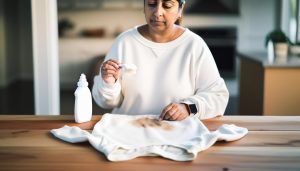
Accidents happen, and knowing how to treat stains can save your favorite sweatshirt from becoming a permanent casualty. For common stains like food or beverages, act quickly by rinsing the area with cold water and applying a mild stain remover before washing. For tough stains, consider using a paste made from baking soda and water or a spot treatment formulated for the specific stain type. Always do a spot test on a hidden area to ensure the treatment won’t damage the fabric.
By incorporating these care tips into your routine, you can maintain the quality and appearance of your sweatshirt. A well-cared-for sweatshirt embodies comfort and style, allowing you to express your unique personality without sacrificing longevity. So go ahead, wear it comfortably, and treat it kindly-your sweatshirt will thank you!
Creative Upcycling Ideas for Old Sweatshirts
Breathing new life into old sweatshirts can transform them from forgotten closet space to trendy fashion statements. Upcycling not only helps in reducing textile waste but also allows you to showcase your creativity and personal style. Here are some innovative ideas to consider when you’re ready to give your old sweatshirts a stylish makeover.
Start by turning a plain sweatshirt into a unique jacket! Cut a line down the center from the neckline to the hem, and add buttons or snap fasteners to create an open-front style. For an extra touch, sew in pockets or a cheerful design on the back. This is an excellent way to transform something dowdy into a chic, casual piece that can be layered over T-shirts or dresses.
Another fun option is to distress your sweatshirt for a trendy, vintage look. Not only does this method add character, but it also makes each piece one-of-a-kind. Use techniques like creating small holes, fraying the edges, or even sanding areas to achieve that perfectly worn-in vibe. You might also try incorporating fun patterns through tie-dye, which remains a favorite amongst DIY enthusiasts. Just mix your dyes, twist the fabric into spirals or crumples, and let it set according to dye instructions for an exciting new look.
Consider embellishing your sweatshirt to showcase your artistic side. Add some embroidery, patches, or fabric paint designs to personalize your piece. These small details can really make a sweatshirt stand out and become a unique expression of your style.
Lastly, don’t underestimate the power of layering accessories. Turn an old sweatshirt into a hooded poncho by cutting it down the sides and adding fringe or a pocket sewn onto the front. The options are endless, and your creativity is the limit. With a little effort and imagination, your old sweatshirts can become cherished new garments that you’ll be proud to wear.
Troubleshooting Common Sewing Problems
When diving into the world of sweatshirt sewing, it’s common to encounter some bumps along the way. But don’t fret-troubleshooting sewing problems can be a straightforward process with the right insights! Whether you’re dealing with fabric puckering, skipped stitches, or issues with fitting, knowing how to address these challenges will help you create a polished final product and enhance your overall sewing experience.
One common issue is fabric puckering, which can occur when the fabric is pulled too tightly during sewing or when the thread tension is incorrect. To fix this, ensure your machine’s tension settings are appropriate for the type of sweatshirt fabric you’re using, as stretchy knits require a looser tension than woven fabrics. If puckering persists, try using a walking foot or a roller foot to help feed the fabric evenly while sewing. Additionally, remember to use the right stitch type for stretchy materials, such as a zigzag or stretch stitch, to allow for flexibility without distorting the fabric.
Another problem that may arise is skipped stitches, often a result of using a dull needle or not having the right needle type for your fabric. For sewing sweatshirts, especially those made from fleece or knit, a ballpoint needle is ideal, as it gently slides between the fibers rather than piercing them. If you’re still experiencing skipped stitches, make sure your machine is well-threaded and check for any lint buildup that could interfere with the needle’s movement. Replacing your needle regularly will pay off in smoother sewing as well!
When it comes to fitting issues, always remember to take accurate measurements and make a muslin prototype before cutting into your desired fabric. This allows you to identify any sizing problems or style adjustments without risking your main fabric. If you find that your sweatshirt is too loose or tight in certain areas, consider adjusting the pattern before you sew. Adding darts or side seams can easily create a more tailored fit, while keeping in mind that sweatshirts generally have a relaxed, comfortable silhouette.
Lastly, don’t underestimate the power of patience. Every sewist faces challenges, and each mistake offers a chance to learn and improve. Take notes on what works and what doesn’t in your sewing process, and celebrate small victories as you progress. In the world of sweatshirt sewing, every stitch brings you closer to mastering your craft while adding personal flair to your cozy creations!
Styling Tips: How to Wear Your Handmade Sweatshirt
There’s a special charm in wearing a handmade sweatshirt that makes it uniquely yours. Not only do you get to enjoy the comfort of your creation, but you also have a canvas to express your personal style. From casual outings to cozy evenings at home, there’s an endless array of ways to wear and accessorize your sweatshirt for every occasion.
To create a laid-back look, consider pairing your sweatshirt with high-waisted jeans or joggers. This combination not only accentuates the sweatshirt’s relaxed vibe but also adds a touch of style that keeps you comfortable yet chic. For those cooler days, layering a denim jacket over your hoodie can enhance the outfit while keeping you warm. You might also try tucking in the front of your sweatshirt into your jeans for a trendy twist that showcases your waistline and adds definition to your silhouette.
Accessorizing Your Sweatshirt
Accessories can transform your ensemble from ordinary to extraordinary. Think about pairing your sweatshirt with a statement necklace or bold earrings to draw attention to your face. For a sporty flair, opt for a baseball cap and some stylish sneakers. If you’re aiming for a more polished look, try wearing your sweatshirt with ankle boots and a structured handbag.
Don’t forget about DIY customization! Adding unique patches, embroidery, or even a personalized tie-dye pattern can make your sweatshirt stand out even more. Take on simple projects, like stitching your initials or a favorite quote into the fabric, which will elevate your garment while adding a touch of personal significance.
Care Tips for Your Handmade Creation
To ensure your sweatshirt remains a go-to favorite, proper care is essential. Always wash your sweatshirt inside out in cold water to prevent fading and preserve any embellishments. Avoid fabric softeners, as they can break down the fibers over time. For drying, hang your sweatshirt rather than using a dryer to maintain its shape and fit. If stains do occur, act quickly! Blot the stain with cold water and mild detergent before washing to increase the chances of complete removal.
With a little creativity and attention to detail, your handmade sweatshirt can easily become a versatile staple in your wardrobe. Enjoy exploring different outfits and don’t hesitate to share your style adventures with others in the sewing community!
Exploring Hoodie Culture: Trends and Inspiration
The hoodie has transcended its original purpose of providing warmth and comfort to become a symbol of self-expression, culture, and style. From the streets to the fashion runways, this versatile garment offers endless opportunities for customization and personal flair. Hoodies can be found adorned with everything from intricate embroidery to vibrant tie-dye. This makes them more than just a basic sweatshirt-they’re a canvas for your creativity and a way to showcase your individuality.
When thinking about DIY customization, there’s no shortage of ideas to make your hoodie stand out. You might begin with simple sewing projects, such as adding a contrasting color drawstring or patching holes with funky fabric that contrasts with the main garment. Embroidery has also seen a resurgence; small designs like flowers, quotes, or initials can add a personal touch. For those looking to experiment with color, tie-dye offers a fun approach to giving a lifeless sweatshirt a new lease on life. Make each project your own by mixing and matching these techniques for uniqueness, creating a hoodie that feels truly personal.
Caring for your hoodie doesn’t have to be challenging, but it’s essential for maintaining its look and longevity. Always remember to wash your garment inside out in cold water to prevent fading and protect any customizations you’ve added. Avoid fabric softeners, which can wear down the fabric over time. For drying, it’s best to hang your hoodie rather than tossing it in the dryer; this helps preserve its shape and fit. In case of stains, tackle them promptly with cold water and a gentle detergent, which can significantly improve your chances of getting them out completely.
The cultural significance of hoodies also continues to evolve, influencing and reflecting trends in streetwear and high fashion alike. Whether you’re inspired by the chic urban styles seen in major cities or the cozy casual looks popular in loungewear, a hoodie can be styled in countless ways. Layer it under a stylish coat for winter outings or drape it over your shoulders with a summer dress for a breezy look. Whatever your style, embracing the hoodie culture ultimately empowers you to mix comfort with creativity, making it a staple in every wardrobe.
Frequently Asked Questions
Q: What materials do I need to make a sweatshirt?
A: To make a sweatshirt, you’ll need fabric (like fleece or cotton blend), sewing thread, scissors, a sewing machine, and a pattern. Optional items include drawstrings, ribbing for cuffs, and embroidery threads for customization. Make sure to choose materials that are comfortable and suitable for your design.
Q: How do I choose the right size for my sweatshirt?
A: To choose the right size, refer to the pattern’s size chart, which typically considers measurements like chest, waist, and hip. For a comfortable fit, you may also want to add a little ease (extra space) around the body. Measure accurately and compare with the chart for the best results.
Q: Can I customize my sweatshirt after I make it?
A: Absolutely! After making your sweatshirt, you can customize it by adding embroidery, fabric patches, or even tie-dye techniques. Consider incorporating unique drawstrings or applying stencils for printing designs. These personal touches make your sweatshirt stylish and one-of-a-kind.
Q: What sewing techniques are best for beginners making a sweatshirt?
A: Beginners should focus on straight stitching and zigzag stitching for seams and hems. Use a sewing machine for speed and precision. Practice with scrap fabric to gain confidence before working on the actual sweatshirt. Simple techniques will ensure a great finish without overwhelming complexity.
Q: What should I do if my sweatshirt fabric starts to fray?
A: If your sweatshirt fabric begins to fray, trim the frayed edges and apply a fray check solution or use a zigzag stitch along the edges to secure them. Always pre-wash your fabric before sewing to minimize future fraying and ensure your sweatshirt maintains its shape.
Q: How can I care for and maintain my sewn sweatshirt?
A: To maintain your sweatshirt’s look, always wash it in cold water to prevent shrinking. Tumble dry on low or line dry. For stain removal, dab with mild detergent immediately. Avoid bleach and harsh chemicals, as they can damage fabrics and colors.
Q: What are some beginner-friendly patterns for making sweatshirts?
A: Look for simple patterns labeled “easy” specifically designed for beginners. Patterns with fewer pieces and straightforward designs, like hoodless sweatshirts or boxy styles, are perfect. Brands like Sew Over It or Tilly and the Buttons offer great beginner options to start with.
Q: How do I troubleshoot sewing mistakes when making a sweatshirt?
A: If you make mistakes, first identify the issue-common problems include uneven seams or puckering. Unpick the stitches and re-sew for accuracy. Adjust your tension settings on the sewing machine or try using different needles depending on your fabric type. Practice makes perfect!
Future Outlook
Congratulations on taking the first step toward crafting your own sweatshirt! By following this complete beginner’s sewing guide, you’ve not only learned the essential techniques but also empowered yourself to customize your wardrobe. Don’t wait too long-grab your fabric and get sewing now! If you’re interested in further enhancing your hoodie game, check out our DIY hoodie customization tips and styling suggestions to elevate your casual look.
As you progress, remember that caring for your new creation is key. For expert advice on washing, stain removal, and even creative embellishments like tie-dye or embroidery, visit our hoodie care and creative projects guide. We’d love to hear your thoughts, so feel free to leave a comment below or share your sewing journey! For more exciting projects and tools, sign up for our newsletter and stay connected with our community. Happy sewing, and don’t forget-your personalized sweatshirt is just the beginning!