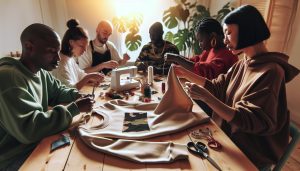
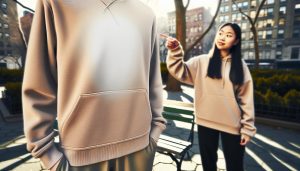
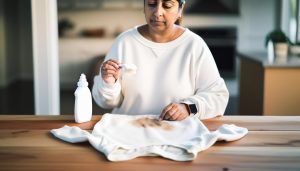
Did you know that the hoodie has transformed from a simple athletic garment to a fashion staple embraced by all? Whether you’re seeking comfort during a cozy evening at home or looking to add a touch of personality to your outfit, sewing your own sweatshirt can be both incredibly satisfying and creatively fulfilling. In this Complete Construction Guide, we’ll walk you through the essential steps to craft your own unique sweatshirt, empowering you with skills to customize styles, choose the right fabrics, and perfect the fit. You’ll learn practical techniques for caring for your sweatshirt, including washing tips and stain removal, ensuring that your handmade piece remains a favorite for years to come. So grab your sewing machine, and let’s dive into the world of DIY sweatshirts, where you can express your style and enjoy the comfort of your creation!
Choosing the Right Fabric for Your Sweatshirt
is paramount to achieving that perfect blend of comfort, durability, and style. With the right material, your sweatshirt can become your go-to piece for both lounging at home and out-and-about adventures. For starters, consider the fabric’s weight. A medium-weight fabric is ideal, as it provides warmth without feeling too bulky. Look for materials like cotton fleece, French terry, or polyester blends. These fabrics not only provide the snug feel we love in sweatshirts but also allow for breathability, making them comfortable for year-round wear.
When selecting fabric, pay attention to the stretch quality, especially if you want a more fitted design. Fabrics that contain spandex or elastane blend stretchiness with comfort, allowing for ease of movement. If you’re planning to personalize your sweatshirt with techniques like tie-dye or embroidery, consider choosing a fabric that holds dye well or has a suitable texture for stitching. Additionally, always check the fabric’s washability; opting for pre-shrunk materials can save you from the frustration of unexpected shrinkage after the first wash.
It’s also beneficial to consider the environment. Sustainable options like organic cotton or recycled polyester are not only good for your conscience but can offer unique textures and finishes that elevate your sweatshirt’s aesthetic. Ultimately, the best fabric for your sweatshirt comes down to your personal style, comfort preferences, and the intended purpose of the garment. By making informed choices based on these factors, you can create a sweatshirt that reflects your individuality while remaining a staple in your wardrobe.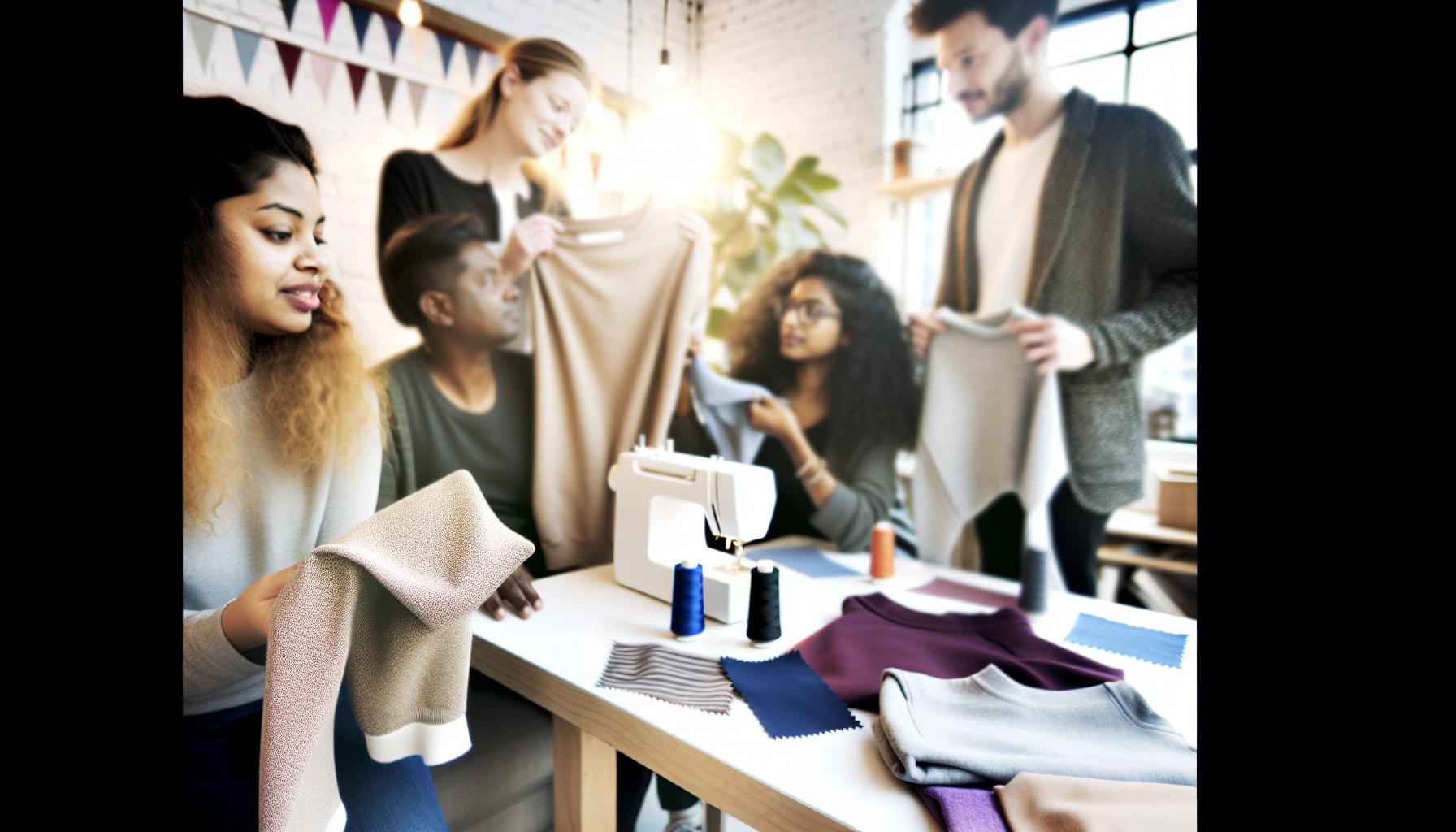
Essential Tools for Sewing a Sweatshirt
Creating your own sweatshirt not only allows for unparalleled comfort but also opens up a world of creativity. However, to translate your vision into reality, having the right tools is crucial. Before you dive into fabric choices and construction techniques, let’s equip you with the essential tools that will make your sewing experience enjoyable and successful.
First and foremost, a reliable sewing machine is your best friend. Whether you opt for a basic model or a more advanced machine, ensure it can handle thicker fabrics like fleece and jersey, as those are common choices for sweatshirts. Alongside your sewing machine, invest in quality needles. A ballpoint needle is ideal for stretchy fabrics, helping to prevent snags and skipped stitches. You might also want a universal needle for any non-stretch materials you may incorporate.
Next, consider adding a selection of sewing tools to your arsenal. A good pair of fabric scissors will ensure clean cuts; rotary cutters can also work wonders for quick, straight edges. Measuring tools like a fabric measuring tape and ruler are essential for accurate dimensions. Don’t forget to stock up on pins and clips; they’ll keep your layers in place while you sew. Lastly, a seam ripper will be your safety net for any little mistakes-because let’s face it, we all miscalculate sometimes!
For more nuanced customization, you may want a sewing gauge for easy measurements of hems, as well as tailor’s chalk or fabric markers for marking your fabric without leaving permanent stains. If you’re thinking about adding drawstrings or other embellishments, having a set of eyelets or grommets can elevate your design. To finish everything off, consider a serger, which will provide a professional edge to your seams, especially on stretchy fabrics.
By arming yourself with these tools, you’re not just preparing to sew; you’re gearing up to create a standout piece that reflects your style. So, gather your supplies and celebrate the journey ahead-your cozy, customized sweatshirt is waiting!
Step-by-Step Guide to Constructing a Sweatshirt
To create a sweatshirt that seamlessly blends comfort and style, understanding the construction process is key. This guide will walk you through each step, ensuring you can measure, cut, and sew with confidence, allowing your creativity to shine.
Begin by preparing your fabric and pattern. Lay your fabric on a flat surface and ensure it’s smooth, free from wrinkles, and aligned properly. If you’re using a store-bought pattern, read through the instructions thoroughly to familiarize yourself with the dimensions and any unique cutting methods it may require. Once you’re ready, use fabric scissors or a rotary cutter for precise cuts. Remember to account for seam allowances, typically around ½ inch.
Next, it’s time to assemble the pieces. Start with the body of the sweatshirt by sewing the shoulder seams together. Make sure to pin the fabric in place to avoid any slipping. Once the shoulders are sewn, attach the sleeves to the armholes. Check that the fabric is laying flat and even on both sides to maintain a polished look. After securing the sleeves, sew the side seams from the bottom of the sweatshirt all the way up to the end of the sleeves, effectively creating the shape of your hoodie.
Finishing touches are essential for a professional look. Create the cuffs and hem by folding the fabric inward, pressing it with an iron, and then sewing it down. This not only adds durability but also gives your sweatshirt that classic polished edge. If you’re adding drawstrings, make small openings in the hood and feed the string through for a functional and stylish detail.
Lastly, don’t forget to give your creation a final touch by adding embellishments. Whether it’s a small embroidered design or a tie-dye pattern, these details enhance your personal style and contribute to the overall flair of your sweatshirt. So, take your finished piece, give it a good press, and you’re ready to rock your new cozy wear.
Embrace the joy of creating a sweatshirt tailored to your taste and style-soon enough, you’ll be sporting a uniquely handcrafted piece that’s perfect for lounging at home or heading out on a casual outing!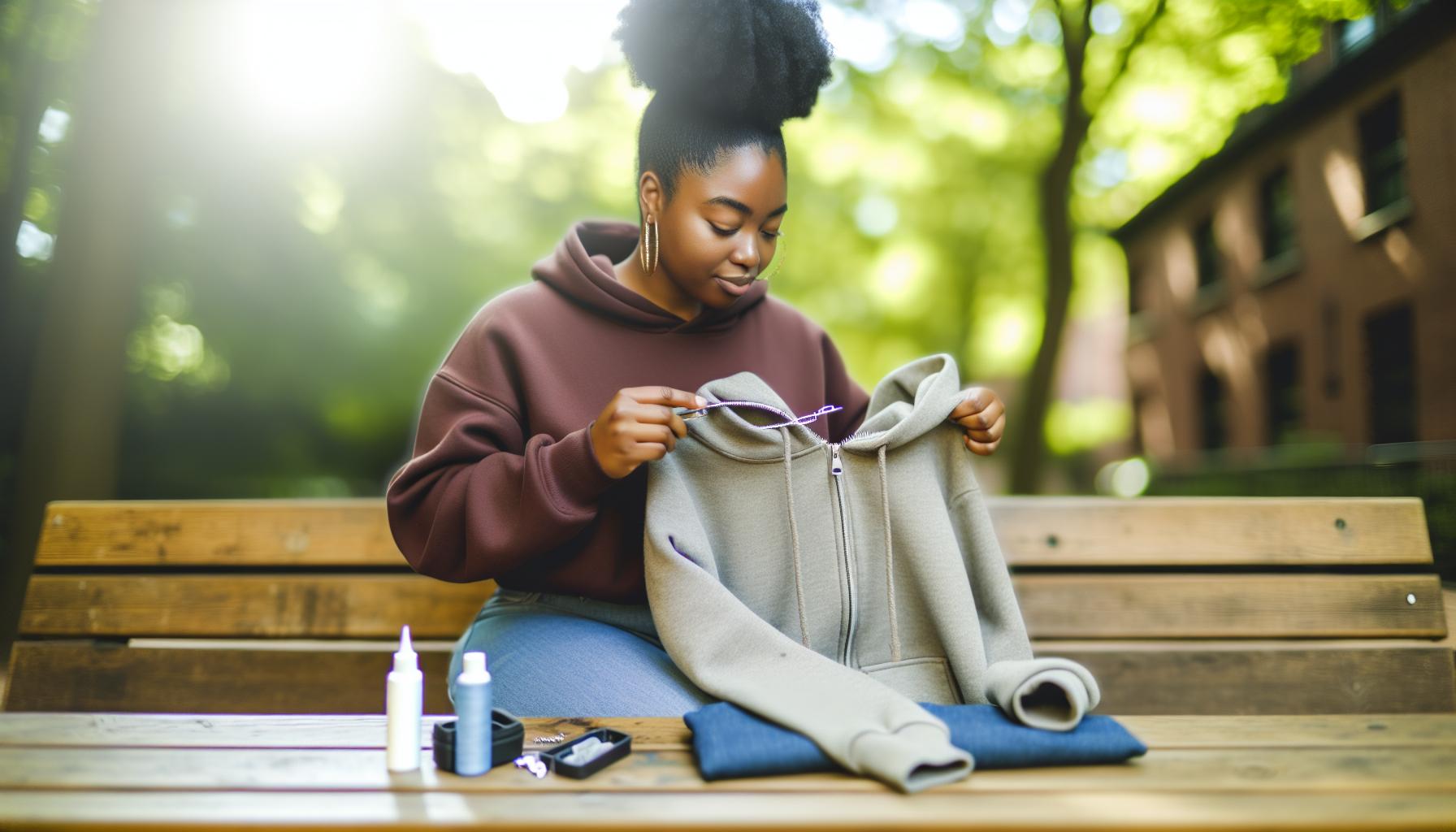
Adding Drawstrings: Techniques and Tips
Adding drawstrings to your sweatshirt can elevate its style and functionality, transforming a simple design into a versatile piece perfect for various occasions. Not only do drawstrings provide adjustability and comfort, but they also allow for a personal touch that can make your hoodie uniquely yours. Whether you’re going for a sporty look or something more refined, adding drawstrings is a rewarding process that enhances the overall appeal of your creation.
To begin the process, first, decide on the type of drawstring you want to use. You can opt for traditional cord, fabric strips, or even stylish ribbon, depending on the aesthetic you’re targeting. Measure the width of your neckline or hood opening, and cut two lengths of your chosen drawstring material, each approximately 1.5 times the length of the opening. This ensures that you have enough material for a comfortable fit and plenty of gathering.
For installation, start by creating small openings in the fabric where the drawstring will be fed through. To do this, take a seam ripper or sharp scissors, and carefully open a small hole (about 1-2 inches) on either side of the hood opening or neckline. It’s crucial to ensure these openings are secure by finishing the edges with a zigzag stitch or using bias tape to prevent fraying. Once your openings are ready, use a safety pin or a specialized drawstring threading tool to guide the drawstring through the fabric. Secure the ends of the drawstring either by tying them together or sewing them back onto the fabric to prevent them from slipping through.
Finally, don’t underestimate the power of decoration! Consider adding beads, charms, or fabric tassels to the ends of the drawstrings for an extra splash of personality. Not only does this provide a stylish finish, but it also gives your hoodie a professional feel that you’ll be proud to show off. Embracing these details makes the sewing process enjoyable, and soon enough, you’ll have a cozy and chic sweatshirt that’s tailored perfectly to your style and comfort needs.
Finishing Touches: Cuffs and Hems Explained
The cuffs and hems of your sweatshirt not only provide a polished finish but also play a significant role in the overall fit and comfort of the garment. Properly constructed cuffs and hems ensure that your sweatshirt stays in place while adding a touch of style that can elevate even the simplest designs. Using techniques that suit your chosen fabric and desired aesthetic is essential for achieving that perfect look and feel.
When selecting the type of cuff for your sweatshirt, think about the style you want to achieve. Ribbed cuffs offer elasticity and hold their shape well, making them an excellent choice for a sporty look. On the other hand, band cuffs, often created by simply folding the fabric over and sewing it in place, can lend a more relaxed vibe to your design. To measure for cuffs, aim for a length that’s about 3-4 inches shorter than the wrist opening, allowing the fabric to gather slightly for a snug fit.
For the hem, a double-folded hem is widely favored for sweatshirts, as it creates a neat edge and helps prevent fraying. To do this, fold the bottom edge of your sweatshirt up about 1 inch, press it flat, then fold it again another inch upward. Pin the hem in place and carefully sew along the edge to secure it. If you’re working with bulkier fabrics, consider finishing the hem with a stretch stitch or a serger for maximum durability and elasticity, allowing the hem to flex comfortably with movement.
Lastly, don’t shy away from adding a little personalization to your cuffs and hems! Consider experimenting with contrast stitching or decorative trims that reflect your unique style. A splash of color or a quirky detail can turn a basic sweatshirt into a statement piece that reflects your individuality. With these finishing touches, you’ll create a sweatshirt that not only fits well but also looks fantastic, ensuring it becomes a staple in your wardrobe.
How to Customize Your Sweatshirt Style
One of the most appealing aspects of sewing your own sweatshirt is the opportunity to infuse it with your unique style and personality. Whether you want to add a trendy graphic, integrate a pop of color, or experiment with different fabrics and textures, customizing your sweatshirt can turn a simple piece of clothing into a standout wardrobe staple. Here’s how you can elevate your hoodie game with a few creative techniques.
Graphic Designs and Prints
One easy way to personalize your sweatshirt is by adding graphics or prints. You can use iron-on transfers, embroidery, or even fabric paint to create a design that speaks to you. If you’re considering a graphic, think about themes that resonate with your personality-whether it’s nature, music, or a favorite quote. You can find countless free designs online for inspiration or create your own using design software. When applying your chosen graphic, be sure to follow the manufacturer’s instructions carefully to ensure durability and prevent peeling after washing.
Color Play and Fabric Mixing
Color can transform a garment. Select contrasting or complementary fabrics for the cuffs, hood, or pocket to create a visually interesting effect. You might also consider using tie-dye or batik techniques to add vibrant splashes of color across your sweatshirt. These methods not only allow you to play with color but also give each piece a unique look that can’t be replicated.
Accessorizing Your Sweatshirt
Another fun way to customize your sweatshirt is by incorporating accessories. Adding drawstrings in fun colors or unique textures can enhance your hoodie aesthetically and functionally. Consider using a fabric like cord or grosgrain ribbon instead of standard drawstring material for an additional pop of style. Furthermore, small modifications like buttons, patches, or even pockets can offer both utility and flair. For example, a patch that reflects your interests or experiences can become a conversation starter!
Washing and Care for Your Customizations
After lovingly customizing your sweatshirt, it’s essential to maintain it properly to keep it looking fresh and vibrant. Washing it inside out on a gentle cycle with cold water can help preserve your designs. Avoid fabric softeners, as they can affect printed graphics. For embroidery, consider air drying your sweatshirt instead of using a dryer to prevent any potential shrinkage or wear on your stitches. When it comes to stain removal, act quickly! Blot stains with cold water and a gentle detergent, being cautious not to rub too hard, which can damage the fabric.
With these customization techniques, your sweatshirt can be a true reflection of your personality, not just a cozy item in your wardrobe. Embrace the creativity that comes with sewing and styling your own clothes-your hoodie will definitely stand out in any crowd!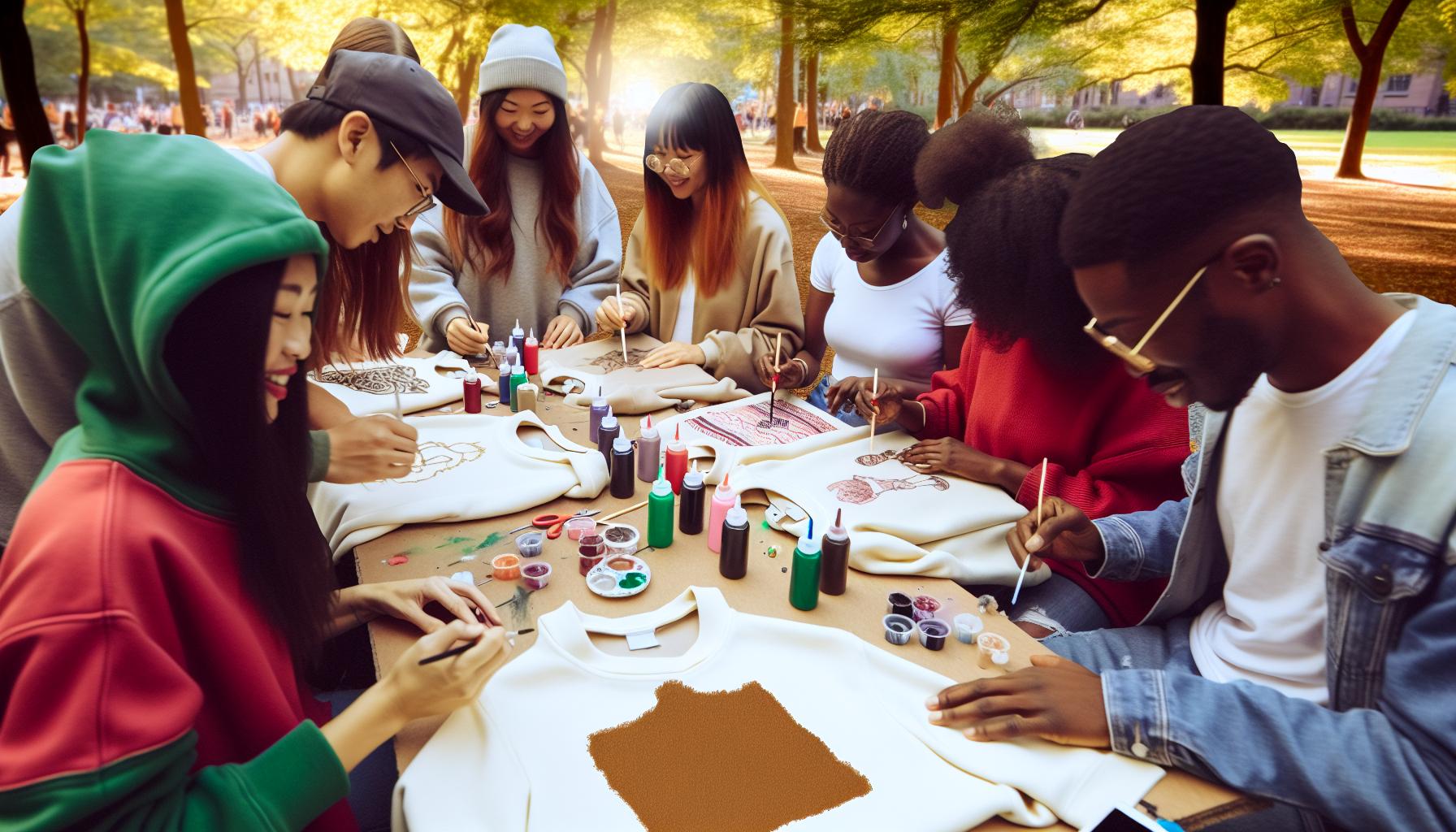
Washing and Care Instructions for Sweatshirts
Keeping your sweatshirt looking fresh and vibrant is as important as the creative process of sewing it! With the right care, you can preserve your customizations and ensure your hoodie remains a wardrobe staple for years to come. Here are some essential washing and care tips tailored specifically for your handmade sweatshirt.
To start off, when it comes time to wash your sweatshirt, turn it inside out. This simple step protects any printed designs or embroidery from friction and fading. Opt for a gentle cycle with cold water to prevent shrinking and to keep the fabric cozy. If you want to go the extra mile, consider using a mild detergent that is friendly to both the fabric and the environment. Here’s a quick checklist for washing:
- Wash your sweatshirt inside out.
- Use cold water on a gentle cycle.
- Avoid fabric softeners as they can impact printed designs.
After washing, the drying technique can significantly affect the longevity of your sweatshirt. To avoid unwanted shrinkage, air drying is the best option, especially for sweatshirts with delicate embroidery or graphics. If you must use a dryer, opt for a low-heat setting and remove your hoodie while it’s still slightly damp to reduce the risk of damage.
Stain removal is another crucial aspect of maintaining your sweatshirt. For minor spills and blemishes, it’s best to act quickly. Blot the stain gently with a cloth dipped in cold water and a gentle detergent-never rub, as this can damage the fibers and make the spot worse. For tougher stains, a pre-treatment with laundry stain remover can work wonders, but always test it on a small, inconspicuous area first to ensure it doesn’t affect your fabric’s color.
By following these care instructions, your sweatshirt will not only maintain its vibrant personality but also serve as a cozy testament to your creativity and style for a long time. Enjoy the confidence that comes with wearing a beautifully crafted hoodie that reflects your unique flair!
Stain Removal Tips for Common Sweatshirt Issues
Accidents happen, and when they do, your favorite sweatshirt shouldn’t have to suffer! Knowing how to tackle common stains on your cozy apparel can keep it looking fresh and vibrant, reflecting your unique style. Here’s how to handle those pesky marks with ease, ensuring your creation remains a beloved part of your wardrobe.
For food stains, such as ketchup or greasy pizza, time is of the essence. Act quickly! Blot the area with a clean cloth to absorb any excess before applying cold water. Gently dab the stain with a mixture of mild detergent and water, then rinse thoroughly. Avoid rubbing, as this can spread the stain. If the stain persists, a stain remover can be your best friend-just remember to test it on a hidden area first!
Common Stains and Solutions
- Ink stains: Spray a bit of rubbing alcohol onto a cotton ball and gently dab at the ink stain. Rinse with cold water afterward.
- Grass stains: Pre-treat with a mixture of dish soap and white vinegar. Apply it to the stain, let it sit for about 30 minutes, and then wash as usual.
- Red wine: Sprinkle salt on the stain to absorb the wine, then gently blot the area. Rinse and follow up with soapy water.
The key to stain removal is to never let the stain dry. If you can treat the stain before it sets, you greatly increase your chances of complete removal. For fabric dyes or darker colors, stick to cold water, as heat can set stains and change the fabric’s look.
Super Tips for Maintenance
Remember, your sweatshirt is a canvas of creativity and comfort, so prevention is just as important as cure. Always store your sweatshirts properly to avoid crushing or crushing seams, which can attract dirt. If you do get a stain or spill, try to address it as quickly as you can. With a little care and quick action, your hoodie can maintain its charm and character through many cozy adventures. Happy sewing and styling!
Creative Sweatshirt Projects: Tie-Dye and Embroidery
There’s something truly special about transforming a simple sweatshirt into a unique statement piece, and tie-dye and embroidery are two of the most creative ways to do just that! These methods not only add a personal touch to your wardrobe but also give you the freedom to express your style in a fun and artistic manner. Whether you’re looking to revive an old favorite or create something brand new, these projects can elevate your comfy wear to trendy statements that reflect your creativity.
To get started with tie-dye, you’ll need a plain, light-colored sweatshirt made from cotton or a cotton blend. The dye works best on natural fibers. Gather your supplies: dye (liquid or powder), rubber bands, gloves, and plastic wrap or garbage bags for your workspace. There are many techniques to explore, from the classic spiral to the crumple effect. Here’s a quick guide on how to achieve that:
Basic Tie-Dye Technique
- Prepare Your Area: Lay down plastic to protect your work surface.
- Wet Your Sweatshirt: Dampen your sweatshirt for more vibrant colors.
- Fold and Bind: Choose your technique (e.g., spiral or stripes) and secure with rubber bands.
- Apply Dye: Following the dye instructions, apply the colors to different sections, creating your design.
- Wrap and Set: Wrap in plastic and let it set for at least 6-8 hours, or overnight for intense colors.
- Rinse and Dry: Remove the rubber bands, rinse until the water runs clear, and let it dry completely.
Embroidery adds a touch of elegance and texture to your sweatshirt, making it a fabulous canvas for your artistic flair. You don’t need to be a master embroiderer; even simple designs can bring a new life to your garment. Start by sketching your design on paper, then transfer it lightly onto the sweatshirt with a fabric pencil or chalk.
Simple Embroidery Ideas
- Monograms: Personalize your sweatshirt with your initials.
- Floral Designs: Create simple flowers or leaves for a fresh look.
- Quotes or Words: Stitch a favorite quote for motivation or humor.
Here’s a quick list of essential tools for embroidery:
- Embroidery floss or thread
- Embroidery needle (with a larger eye)
- Fabric cutaway stabilizer (to support the fabric)
- Embroidery scissors
For both projects, remember to wash your sweatshirt according to care instructions post-creation to set the dye or the stitches. Embrace these DIY methods to not only enhance your hoodie collection but also to connect with a creative process that results in personalized, one-of-a-kind wearables. Enjoy the journey of customizing your sweatshirts!
DIY Sweatshirt Patterns: Where to Find and How to Use Them
Finding the perfect pattern is key to embarking on a successful sweatshirt-making journey. Whether you’re new to sewing or looking to elevate your crafting skills, a well-chosen DIY sweatshirt pattern can make all the difference in achieving your vision. There are diverse resources out there, ranging from online platforms to dedicated sewing books, ensuring you can locate the ideal template that fits your style and skill level.
One of the best places to start your search for sweatshirt patterns is through dedicated sewing websites. Platforms like Etsy and Sewing Patterns by Vogue offer a plethora of unique and creative designs, often created by independent designers. You can find everything from oversized hoodies to fitted styles, allowing you to select the option that best suits your taste. Moreover, joining online sewing communities through forums like Reddit’s r/Sewing or Facebook sewing groups provides a wealth of recommendations and even downloadable patterns shared by fellow enthusiasts.
When using any pattern, it’s essential to understand how to read it correctly. Most patterns come with clear, step-by-step instructions, usually accompanied by a list of materials needed. Make sure to review the sizing chart provided with the pattern to select the correct size, accounting for any desired modifications like length adjustments. Pay attention to the type of fabric suggested, as some designs work better with specific materials.
To help you utilize your chosen pattern efficiently, consider the following tips:
- Pre-wash your fabric: This helps to pre-shrink the fabric and ensures your finished sweatshirt maintains its shape after washing.
- Lay out and cut carefully: Use pattern weights or pins to secure the pattern to your fabric before cutting. This prevents shifting and ensures clean edges.
- Follow the sequence: Stick to the order of the instructions; this makes assembling the sweatshirt much smoother.
- Practice on scrap fabric: If you’re trying a complex technique (like adding pockets or embroidery), practice first on a less expensive fabric.
With your pattern in hand and tips to guide you, you’re well on your way to crafting your ideal sweatshirt. This DIY endeavor not only allows you to create a garment that mirrors your unique style but also enhances your sewing proficiency, making each project an exciting opportunity for growth. Embrace the creative process, and soon you’ll have a cozy, handmade sweatshirt that you can wear proudly!
Styling Your Sweatshirt for Different Occasions
The versatility of sweatshirts makes them an essential wardrobe staple that can seamlessly transition from a casual day out to a chic evening look. With a bit of creativity and an understanding of styling techniques, you can elevate your handcrafted sweatshirts for various occasions, ensuring you always look put-together while enjoying the comfort they offer.
For a casual weekend outing, pair your sweatshirt with high-waisted jeans and stylish sneakers or ankle boots. This effortlessly cool look can be enhanced by layering over a collared shirt or under a denim jacket. Don’t shy away from accessorizing; a baseball cap or a crossbody bag can add a trendy touch. If you want to inject some personality, consider embellishing your sweatshirt with patches or custom tie-dye, making your outfit not only comfortable but also unique.
When it comes to a more polished ensemble, such as a dinner date or an evening gathering, opt for a fitted or cropped sweatshirt paired with a sleek midi skirt or tailored trousers. This juxtaposition of casual and formal elements creates a balanced aesthetic that’s both chic and approachable. You can elevate the outfit further by selecting a sweatshirt in a luxe fabric, like velvet or cashmere, and finishing the look with heeled booties or classic pumps.
To transition your sweatshirt into the workplace, go for a more structured silhouette, pairing it with a blazer and tailored pants. Add a statement necklace or bold earrings to keep the look professional yet stylish. Color palettes also play a crucial role; choosing neutral or monochromatic tones can lend a more sophisticated air to your ensemble.
Overall, is all about playing with combinations, proportions, and accessories. The right tweaks can convert your cozy piece into a statement piece, allowing you to flaunt your creativity while staying comfortably chic. Whether it’s through layering, careful fabric choices, or eye-catching accessories, your handmade sweatshirt can shine in any setting, showcasing your unique style with confidence.
Buying Advice: Choosing Quality Sweatshirts
When it comes to buying a sweatshirt, understanding what constitutes quality can make a significant difference in comfort, durability, and overall style. A good sweatshirt should feel soft against the skin, maintain its shape after washing, and have sturdy stitching that withstands regular wear. With so many options available, it’s essential to keep a few key factors in mind to ensure you’re making a smart investment.
First, consider the fabric. Sweatshirts are typically made from a blend of cotton and polyester. Cotton provides breathability and comfort, while polyester enhances durability and stretch. Look for options labeled as “french terry” or “fleece”-these fabrics not only offer warmth but also have a luxurious feel that makes them perfect for layering or lounging. For those who crave something a bit more unique, consider organic or recycled materials, which are becoming increasingly popular for their eco-friendly benefits and softness.
Next, pay attention to the fit and finish. A well-constructed sweatshirt should have a relaxed fit without being oversized. Check for features like ribbed cuffs and hems, which help the garment retain its shape and prevent stretching. Additionally, examine seams and stitching; tight, even stitches indicate quality craftsmanship. If you’re unsure, it’s often worth opting for established brands known for their quality, as they’ll likely have more rigorous quality control processes.
Finally, think about how you plan to wear your sweatshirt. Do you want a basic for casual outings, or are you looking for something a bit more stylish for a night out? Hoodies with unique designs, graphics, or embellishments can make a fashion statement while still offering the comfort you love. Remember, the right sweatshirt will not only keep you cozy but can also serve as a versatile piece in your wardrobe, effortlessly transitioning from home lounging to a night out when styled strategically.
By prioritizing fabric quality, fit, and personal style, you can find a sweatshirt that you’ll cherish and wear often, ensuring both comfort and confidence in every outfit. Embrace the joy of this versatile garment and let it reflect your unique fashion sense!
Q&A
Q: What type of fabric is best for sewing a sweatshirt?
A: The best fabric for sewing a sweatshirt is typically fleece or French terry, as these materials provide warmth and comfort. Look for cotton blends for breathability and stretch, which are essential for a cozy finish. For detailed fabric recommendations, refer to the “Choosing the Right Fabric for Your Sweatshirt” section.
Q: How do I choose the right size for my sweatshirt pattern?
A: To choose the right size for your sweatshirt pattern, consult the pattern’s sizing chart based on your measurements. It’s often best to base your size on your chest measurement and consider any desired ease for a comfortable fit. For more tips, check out the “Step-by-Step Guide to Constructing a Sweatshirt.”
Q: What stitch should I use for sewing a sweatshirt?
A: A stretch stitch or a zigzag stitch is ideal for sewing sweatshirts. These stitches allow for flexibility, which is crucial for the fabric’s movement. Additionally, consider using a serger for finished edges and durability. Learn more about sewing techniques in the “Essential Tools for Sewing a Sweatshirt” section.
Q: How can I customize my sweatshirt after sewing?
A: You can customize your sweatshirt using various techniques, such as tie-dye, embroidery, or adding patches. Personalizing your piece enhances its uniqueness and style. For more customization ideas, refer to the “How to Customize Your Sweatshirt Style” section.
Q: What are some common mistakes to avoid when sewing a sweatshirt?
A: Common mistakes include not pre-washing your fabric, which can cause shrinkage, and failing to use the correct needle type for stretch materials. Also, measure twice before cutting to avoid resizing errors. More insights can be found in the “Step-by-Step Guide to Constructing a Sweatshirt.”
Q: How do I take care of my homemade sweatshirt?
A: To care for your homemade sweatshirt, machine wash it in cold water and tumble dry on low. Avoid bleach to maintain color and fabric integrity. For further guidance, see the “Washing and Care Instructions for Sweatshirts” section.
Q: Can I use an old sweatshirt as a pattern?
A: Yes, you can use an old sweatshirt as a pattern! Lay it flat, trace around it onto your fabric, and add seam allowances. This method is a wonderful way to create a well-fitting new sweatshirt. For more pattern tips, explore the “DIY Sweatshirt Patterns” section.
Q: What needle type is best for sewing sweatshirts?
A: A ballpoint needle is best for sewing sweatshirts. This needle type is designed to glide between fabric fibers without causing snags, ensuring a smooth finish. For more tool recommendations, check the “Essential Tools for Sewing a Sweatshirt.”
The Way Forward
Congratulations on mastering the art of sweatshirt sewing! With the techniques from our “Complete Construction Guide,” you’re well on your way to creating stylish and comfortable hoodies that reflect your personal flair. Don’t forget to explore our guides on DIY customization, which offer fantastic ideas like tie-dyeing and embroidery, to give your hoodies a unique twist. If you have any questions or want to share your creations, drop a comment below or connect with our community on social media!
Ready to elevate your hoodie game further? Check out our comprehensive care guide for tips on washing and stain removal, ensuring your creations stay fresh and vibrant. And while you’re at it, don’t miss our buying advice section for sourcing quality materials. Sign up for our newsletter to stay updated on new content, tools, and resources for your next sewing project. Dive deeper into the world of hoodie culture and discover how to style, customize, and care for your favorite casual wear with confidence! Your next creative adventure awaits!