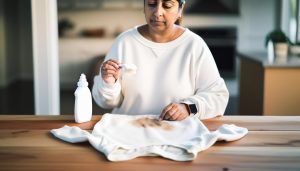
Did you know that the fabric of your sweatshirt can significantly impact your comfort and style? Choosing the right material isn’t just about staying warm; it’s about expressing your unique personality while ensuring durability and ease of care. With a myriad of options like cozy fleece, breathable cotton, and resilient polyester, understanding their properties can transform your casual wardrobe. From layering for chilly days to customizing with DIY projects, having the right sweatshirt fabric can elevate your look and comfort. Whether you’re concerned about maintenance or itching to personalize your favorite piece, this guide will reveal everything you need to know about sweatshirt materials, empowering you to make informed choices and embrace the hoodie culture fully. Dive in to discover the secrets behind the fabrics that keep you cozy and stylish!
What Are the Most Common Materials for Sweatshirts?
When it comes to sweatshirts, the fabric choice can significantly impact not just comfort but also style and functionality. Some of the most common materials for sweatshirts include cotton, polyester, fleece, and blends of various fibers, each bringing its unique characteristics to the table. Understanding these materials can help you make an informed decision, whether you’re shopping for a new hoodie or considering creating your own.
Sweatshirts made from 100% cotton are a classic choice for their softness and breathability. Cotton fibers feel great against the skin and are often favored for casual wear due to their gentle texture. A popular option is sweatshirt fabric containing high cotton content, often paired with a bit of polyester for added durability and reduced shrinkage, striking a balance between comfort and longevity. On the other hand, polyester offers its own advantages, such as moisture-wicking properties, making it an ideal choice for activewear. These sweatshirts can keep you dry during physical activities while also being resistant to fading and wrinkling.
For those looking for warmth, fleece is a staple in the world of comfortable outerwear. Fleece sweatshirts are typically made from synthetic fibers that provide excellent insulation and a soft, fluffy texture. They are ideal for cooler climates and outdoor activities, ensuring you stay snug without adding excessive weight. Additionally, many sweatshirts utilize blended fabrics that combine cotton and polyester or other fibers, allowing you to enjoy the best traits from each material. This can provide the comfort of cotton along with the durability of polyester, making them versatile options for daily wear.
In recent years, eco-friendly fabrics have gained traction in the sweatshirt market. Options like organic cotton or recycled polyester are becoming increasingly popular among consumers who prioritize sustainability. These materials not only reduce environmental impact but also come in comfortable styles perfect for lounging or casual outings. As you explore the world of sweatshirt fabrics, consider which material aligns best with your lifestyle, whether it’s about breathability for active pursuits, warmth for chilly days, or selecting eco-friendly options that reflect your values.
Understanding Cotton: The Classic Choice

Sweatshirts made from 100% cotton are often viewed as the gold standard in comfortable wear, and for a good reason! Cotton is a natural fiber known for its incredible softness, breathability, and durability. Whether you’re lounging at home, heading to the gym, or grabbing coffee with friends, a cotton sweatshirt feels gentle against the skin and provides a cozy layer of warmth. Its hypoallergenic properties also make it a great choice for those with sensitive skin, allowing you to enjoy your favorite hoodie without irritation.
When investing in a cotton sweatshirt, consider options with a high cotton content blended with polyester. This blend combines the best of both worlds: the softness and breathability of cotton, along with polyester’s added durability, resistance to shrinking, and wrinkle-free qualities. Such garments maintain their shape and appearance even after multiple washes, ensuring they remain a staple in your wardrobe for years.
For care and customization, cotton sweatshirts are incredibly versatile. They are easy to machine wash, but for best results, washing in cold water is recommended to preserve color and elasticity. If you’re feeling creative, consider personalizing your sweatshirt with DIY projects such as tie-dye, screen printing, or embroidery. Simple needlework or fabric paint can transform your classic hoodie into a unique piece that reflects your style.
In summary, cotton sweatshirts are not just a classic choice; they are a canvas for your creativity and a consistent component of any casual wardrobe. Their softness, combined with the potential for customization and ease of care, truly makes cotton the reigning champion of sweatshirt materials!
Polyester: Benefits and Drawbacks

Polyester has made a significant mark in the world of sweatshirts, providing a blend of performance, durability, and comfort that appeals to a wide range of consumers. This synthetic fiber, derived from petroleum products, offers a multitude of benefits that make it a favorite for casual wear, while also presenting some drawbacks worth considering.
One of the standout features of polyester sweatshirts is their remarkable durability. These garments are known for being resistant to shrinking, stretching, and wrinkling, making them a practical choice for everyday wear. This resilience means that even after countless washes, your polyester hoodie will look fresh and maintain its shape, which is essential for those who embrace a laid-back lifestyle. Additionally, polyester has moisture-wicking properties; it can quickly draw sweat away from the body, keeping you dry and comfortable during active pursuits or warm weather.
However, polyester isn’t without its downsides. Some wearers find that polyester fabrics can cause overheating, especially in warmer climates. This material is less breathable than natural fibers like cotton, potentially leading to discomfort during extended wear. Furthermore, while polyester can be soft, it may lack the cozy, lived-in feel that cotton provides. For people with sensitive skin, synthetic materials can sometimes cause irritation, which is an important factor to consider if you plan on wearing your sweatshirt for long stretches.
When it comes to care and customization, polyester sweatshirts are quite manageable. They can typically be machine washed in cold water and tumble dried on low heat, making them easy to maintain. For DIY enthusiasts, polyester canvas opens up a world of customization possibilities. You can explore techniques like heat transfer vinyl, sublimation printing, or embroidery-just keep in mind that certain printing methods may require special inks or pretreatment to adhere effectively to the fabric.
In summary, polyester sweatshirts offer an exceptional blend of durability and functionality, making them an excellent contender in your casual wardrobe. Just be mindful of their heat retention properties and suitability for your personal comfort. Whether you’re hitting the gym, lounging at home, or out running errands, these versatile pieces are sure to keep you stylishly comfortable.
Blends: The Best of Both Worlds

Blending different fabrics has become a popular choice in the realm of sweatshirts, offering a unique combination of benefits that cater to a wide array of personal preferences and lifestyles. When we talk about fabric blends, we’re often referring to the harmonious mix of fibers, such as cotton and polyester, which creates a garment that boasts the best qualities of each material. This fusion not only enhances comfort but also improves durability and versatility, making blended sweatshirts a go-to option for many.
One of the major advantages of cotton-polyester blends is their ability to provide the soft, breathable feeling of natural cotton along with the durability and moisture-wicking properties of polyester. This makes them ideal for active lifestyles, where you need a fabric that can move with you while still keeping you dry. Furthermore, blends are less prone to wrinkling and shrinking compared to 100% cotton sweatshirts, allowing for an easy transition from casual wear to slightly dressier occasions. With this blend, you can enjoy stylish comfort without sacrificing functionality.
When it comes to customization, blended fabrics offer fantastic adaptability. You can effortlessly apply various DIY techniques such as tie-dye, screen printing, or embroidery on your blended sweatshirt. For the best results, ensure you’re using inks or dyes that are compatible with both fibers. A cotton-polyester blend typically takes dye well while allowing for crisp details in embroidery or prints, making it a favorite for personalized designs, team uniforms, or branded apparel.
To maintain the quality and longevity of your blended sweatshirts, a few care tips go a long way. Always check the care label, but as a general rule, machine wash in cold water and tumble dry on low heat. This helps prevent shrinkage and maintains the fabric’s integrity. When it comes to stain removal, treating stains as soon as possible will yield the best outcomes; for most blends, a gentle stain remover works well without causing fabric damage. Embrace the blending of materials to not only enjoy the best of both worlds but also to express your style through comfortable, versatile sweatshirts!
Eco-Friendly Fabrics: Sustainable Options for Sweatshirts
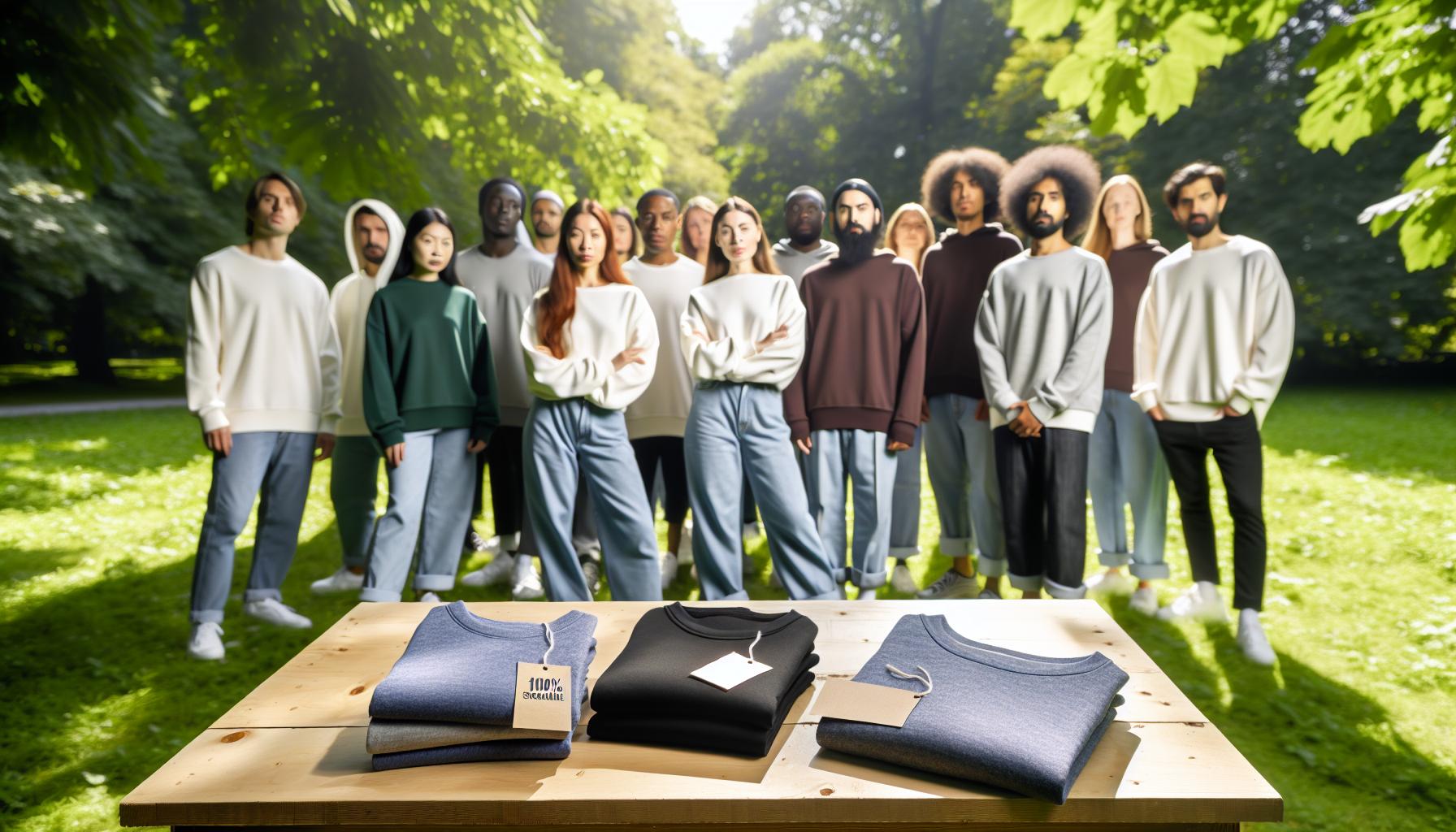
Choosing sweatshirts made from eco-friendly fabrics not only supports sustainable fashion but also embraces a lifestyle that prioritizes environmental responsibility. More than ever, consumers are recognizing the impact their clothing choices have on the planet, and there are many fabulous options that marry style with sustainability. From organic cotton to innovative materials like recycled polyester and bamboo, the world of eco-friendly sweatshirt fabrics offers truly inspiring alternatives.
One of the most popular choices among environmentally conscious shoppers is organic cotton. Grown without harmful pesticides or chemicals, organic cotton not only feels soft against the skin but also ensures a healthier planet. Its breathable qualities make it suitable for various weather conditions, ensuring you stay comfortable whether you’re lounging at home or engaging in outdoor activities. Furthermore, many brands are taking this a step further by securing Oeko-Tex certification, which guarantees that the fabric is free from harmful substances, reinforcing the commitment to sustainability.
Another standout is recycled polyester, which offers an impressive way to reduce waste. Made from discarded plastic bottles and other polyester-rich materials, this fabric retains durable and moisture-wicking properties while giving a second life to materials that otherwise might end up in landfills. This innovation is great for activewear, as it often wicks moisture away and offers a performance-driven option that doesn’t compromise on eco-standards. Many brands creatively blend recycled polyester with natural fibers to create cozy, earth-friendly sweatshirts that perform beautifully in any casual setting.
In addition to cotton and recycled polyester, let’s talk about bamboo fabric, a rising star in the sustainable fabric scene. Bamboo is a highly renewable resource that grows quickly and requires minimal water and chemicals. It’s naturally antibacterial and moisture-wicking, making it an excellent choice for those looking for comfort and performance. Sweatshirts crafted from or blended with bamboo fiber offer a luxurious feel while promoting responsible sourcing practices.
When investing in eco-friendly sweatshirt options, it’s wise to consider additional factors such as construction and care. Look for garments made with minimal packaging and sustainable practices. Washing these fabrics properly can enhance their longevity: always follow care labels-cold washes and air drying are typically the best to preserve the integrity of the fibers. And remember, treating stains early typically yields better results, so a gentle, eco-friendly stain remover can be your best ally.
By choosing eco-friendly fabrics for your sweatshirts, you’re not just opting for comfort and style; you’re making a statement. You’re part of a growing community that values fashion that respects the earth, and with so many options to choose from, there’s never been a better time to invest in pieces that look good, feel good, and do good. Embrace the sustainability movement by adding eco-friendly sweatshirts to your wardrobe and enjoy the perfect blend of fashion and function!
Performance Fabrics: Ideal for Sportswear
When it comes to sportswear, the choice of fabric can make all the difference in your performance and comfort. Performance fabrics are specially designed to enhance your workout experience, providing functionality that traditional materials often lack. These fabrics are engineered to wick moisture away from the body, allowing you to stay dry and comfortable even during the most intense activities. For those who are serious about fitness or enjoy an active lifestyle, understanding these materials is essential in choosing the right sweatshirt.
One of the most common performance fabrics is polyester, especially when blended with spandex or elastane for stretchability. This combination is great for athletes because it offers both durability and flexibility. Polyester dries quickly and doesn’t absorb moisture, which means you can work out without the discomfort of waterlogged clothing. Many brands have taken this a step further by incorporating performance enhancements like anti-odor technology, ensuring you can stay fresh even during prolonged wear.
Another exciting option for performance sweatshirts is nylon. Known for its lightweight, breathable qualities, nylon is often used in workout apparel to allow for maximum movement. It’s also resistant to tears and abrasions, making it a reliable choice for outdoor activities or vigorous sports. In addition, the smooth texture of nylon feels great against the skin, making it a preferred fabric for those who prioritize comfort during workouts.
If you want to level up your sweatshirt game for athletic pursuits, consider investing in sweatshirts made with merino wool. While it might seem unconventional for sportswear, merino wool is lightweight, naturally moisture-wicking, and temperature-regulating. This means it keeps you warm when it’s cold and cool when it’s warm, making it a year-round favorite for fitness enthusiasts. Plus, being natural fibers, merino wool is biodegradable, allowing you to maintain your eco-friendly practice while enjoying high performance.
To care for your performance fabrics, it’s vital to follow specific instructions to ensure longevity. Washing in cold water with a gentle detergent can prevent damage to the fibers and maintain their moisture-wicking capabilities. Avoid fabric softeners as they can leave a residue that diminishes breathability. After washing, air drying your sweatshirts is usually preferred to preserve the material’s structure, though using a low-heat setting in the dryer can work as well.
For those who love personalizing their look, performance fabrics can also be the perfect canvas for customization. Try adding some tie-dye for a pop of color at your next workout session or embroidering your initials for a personal touch. These projects not only let you express your individuality but also keep your sweatshirt feeling fresh and unique in a sea of workout wear.
Choosing the right fabric for your sports sweatshirt is crucial in ensuring a comfortable and effective workout. With high-performance options like polyester, nylon, and merino wool, you can maintain your style while achieving the functional benefits necessary for an active lifestyle. Embrace these versatile fabrics and enjoy both performance and fashion in your athletic wear!
How to Care for Your Sweatshirt Fabrics
Taking care of your sweatshirt fabrics is essential to maintain their look, feel, and longevity, and with just a few simple guidelines, you can ensure your favorite hoodies remain in top condition. Sweatshirts can come in various materials, from cozy cotton blends to high-performance synthetics. Each fabric type requires unique care to keep it looking fresh and feeling comfortable, so let’s dive into some handy tips that will help you extend the life of your beloved hoodies.
Washing Instructions
When it comes to washing your sweatshirts, it’s generally best to follow these essential steps:
- Check the care label: Always start by reading the manufacturer’s care label for specific instructions.
- Sort by color: Wash your sweatshirts with similar colors to avoid fading or color transfer.
- Use cold water: Washing in cold water helps prevent shrinking and fading. For cotton fabrics, it’s particularly important as it can be prone to shrinkage.
- Gentle cycle: Opt for a delicate or gentle cycle to reduce wear and tear on the fabric.
Avoid fabric softeners, as they can leave a residue that may affect the moisture-wicking properties of performance fabrics like polyester and nylon. If you prefer to air dry, lay your sweatshirt flat or hang it up to maintain its shape. However, if you need to use a dryer, set it to low heat to prevent any potential damage.
Stain Removal Tips
Stains are an inevitable part of life, especially during casual outings or workout sessions. To tackle them effectively:
- Act quickly: The sooner you treat a stain, the easier it will be to remove. Blot it gently with a clean cloth to soak up excess liquid.
- Use cold water: Rinse the stained area with cold water before applying any cleaning solution to prevent setting the stain.
- Choose the right cleaner: For general stains, a mild detergent works well, while specific stains like grease may require a specialized stain remover.
Always test any stain removal product on a small, inconspicuous area of the fabric first to ensure it won’t cause discoloration or damage.
Creative Customization
If you love personalizing your sweatshirts, there are endless possibilities to express your unique style! Consider these fun projects:
- Tie-dye: A classic fun way to add color and personality to your hoodie. Use fabric dye and rubber bands to create unique patterns!
- Embroidery: Adding your initials or a design can give your sweatshirt a personalized touch. A simple embroidery kit can help you get started.
- Patches: Sew or iron on fun patches to cover up small stains or tears while showcasing your style.
These customization techniques not only breathe new life into older sweatshirts but also create one-of-a-kind pieces that reflect your personality.
By following these simple care tips and embracing creativity, you can keep your sweatshirts looking fresh and stylish for all occasions! Whether you’re tackling tough stains or looking to put a personal spin on your hoodie collection, these strategies are your go-to tools for maintaining the integrity and individuality of your favorite casual wear.
Tips for Customizing Your Sweatshirt
If you’re looking to add a personal touch to your sweatshirt, the options are nearly limitless! Customization allows you to express your unique style, turning a standard piece of clothing into a reflection of your personality. Whether you’re drawn to DIY projects or simply want to enhance an existing sweatshirt, there are several fun and creative ways to make it yours.
One popular method is tie-dye, which has seen a massive resurgence in fashion. To get started, all you need are some fabric dyes, rubber bands, and a plain white or light-colored sweatshirt. Simply twist and bind sections of the fabric with rubber bands to create unique spirals and patterns, then apply the dye. The result is a vibrant, one-of-a-kind hoodie that’s all about you!
Another great option is embroidery. Adding your initials, favorite quote, or an eye-catching design not only personalizes your sweatshirt but can also make it an appreciated gift. Most craft stores offer simple embroidery kits and tutorials that can guide you through the process, making it accessible even for beginners. If you’re not into sewing, consider using iron-on patches. They’re easy to apply and can cover up small stains or holes while adding a fun design element.
For those who want to take it a step further, consider fabric paint for stenciling your designs or motifs. Using a stencil can help you achieve clean lines and intricate designs, allowing for more complex customization. Just ensure to set the paint correctly after application to avoid it washing out.
No matter what customization technique you choose, be sure to think about the fabric of your sweatshirt. Cotton tends to hold dye and fabrics well, while polyester can require different treatment methods. The perfect combination of creativity and technique will ensure your hoodie not only looks great but lasts wash after wash. Embrace the opportunity to showcase your style and enjoy the process-after all, there’s nothing quite like a personalized piece of clothing!
Stain Removal Guide for Sweatshirt Fabrics
Stains on your favorite sweatshirt can feel like a tragedy, but worry not! With the right strategies, you can restore your go-to hoodie to its former glory. The most common fabrics used for sweatshirts-cotton, polyester, and blends-each have unique properties that influence how to treat stains effectively. Let’s dive into some practical steps for tackling those pesky marks so that you can keep showing off your style, stain-free!
First and foremost, act quickly! The longer a stain sits, the harder it becomes to remove. For cotton sweatshirts, a common stain removal method involves using a prewash stain remover or a paste made from detergent and water. Apply it directly to the stain, let it sit for at least 5 minutes, and then launder as usual with the hottest water safe for the fabric. This technique works wonders on food stains, dirt, and even ink marks.
Stain-Specific Strategies
Different types of stains may require tailored approaches. For protein stains like blood or sweat, hydrogen peroxide can be effective. It works by breaking down the stain as it bubbles. For oil-based stains, such as grease or makeup, try sprinkling baking soda on the area-this helps absorb the oil. After letting it sit for a bit, follow up with a pretreatment and wash. Here’s a quick reference for various stains:
| Stain Type | Recommended Treatment |
|---|---|
| Food | Prewash stain remover, then wash in hot water. |
| Grease | Baking soda, then pretreat and wash. |
| Blood | Hydrogen peroxide treatment, rinse, and wash. |
| Ink | Apply rubbing alcohol on a cotton ball before washing. |
General Tips for Care
To maintain your sweatshirt’s integrity, always check the care labels for specific washing instructions. Use cold water for more delicate blends to avoid shrinking or damaging the fabric. When drying, skip the high heat; air drying is often gentler and helps prevent fading or shrinking as well. If you frequently find yourself dealing with stains, consider having a stain removal kit handy, combining your favorite detergent, some baking soda, and a soft brush for spot cleaning.
With these tips, your beloved hoodie will remain a cozy staple in your wardrobe, ready for whatever adventures you take on!
Washing Instructions for Different Materials
To keep your sweatshirts looking fresh and feeling comfy, knowing how to properly wash them based on their material is essential. Each type of fabric has unique qualities that influence how you should care for it. The most common fabrics for sweatshirts include cotton, polyester, and various blends, each requiring different washing techniques to maintain their integrity and comfort.
Cotton
Cotton is beloved for its softness and breathability, making it a staple in casual wear. When washing cotton sweatshirts, always opt for cold water, as hot water can cause shrinkage and fading. Use a gentle cycle to protect the fabric’s fibers, and avoid adding bleach unless you’re dealing with a stain that absolutely requires it. For drying, air drying or tumble drying on low heat is best to prevent any unwanted shrinkage. If you want to maintain that cozy feel, consider laying it flat to dry.
Polyester
Polyester sweatshirts are appreciated for their durability and moisture-wicking properties. When washing polyester, it’s best to use cold water and a mild detergent to preserve the color and avoid fading. Polyester can be more resistant to wrinkling, so a regular cycle works well. Tumble dry on low or medium heat, but make sure to remove your hoodie while it’s still slightly damp to help minimize static. If your sweatshirt has any prints or embellishments, turn it inside out before washing to protect these features.
Blended Fabrics
Many sweatshirts feature blends of cotton, polyester, or even spandex for stretchy comfort. These blended materials often combine the best aspects of their components. Washing blended fabrics typically follows the same guidelines as for cotton or polyester, depending on the dominant material. Use cold water and a gentle detergent and try to air dry where possible. This will help maintain the shape and prevent any potential shrinking from heat.
Remember, sweatshirts have their own unique personalities; treating each type of fabric with respect will help you keep them cozy and stylish for years to come. So gear up for cozy adventures, knowing that your beloved hoodies are primed for the journey ahead!
Stylish Hoodie Trends: Fabric and Fit Choices
Hoodies have transcended their humble athletic origins to become fashion staples, delightful sources of comfort and self-expression. Today’s stylish hoodie trends embrace a variety of fabrics and fit choices that not only enhance comfort but also make bold statements about personal style. From luxuriously soft cotton to technical performance materials, the fabric you choose can shape your look while ensuring you feel great wearing it.
When considering the perfect hoodie, it’s essential to recognize how different fabrics contribute to both aesthetics and practicality. Cotton, for instance, remains a timeless choice, beloved for its softness and breathability, making it ideal for casual outings and lounging at home. If you want to elevate your look, opt for brushed or fleece-lined cotton for added warmth and texture. Polyester is another great option, especially for those who favor durability and moisture-wicking properties-perfect for workouts or active days. For those wanting the best of both worlds, blended fabrics, which combine cotton and polyester, offer a delightful mix of comfort, stretch, and resilience.
In terms of fit, today’s trends range from oversized silhouettes to slim fits, catering to different style preferences. Oversized hoodies provide that effortlessly cool aesthetic, allowing for layering and movement, while slim-fit options can be more polished, ideal for pairing with joggers or structured pants. The choice of fabric often influences how a particular fit drapes, so if you’re leaning towards a structured look, opt for stiffer blends or heavier cottons. For a more relaxed vibe, soft fleece or lightweight knits work wonders.
Customization and Care
Beyond choosing the right fabric and fit, customizing your hoodie is a fun way to express your personality. Techniques such as tie-dye, screen printing, or even DIY embroidery can transform a basic hoodie into a unique masterpiece. Once your hoodie is customized, proper care becomes vital. Always wash your hoodie inside out in cold water to preserve those vibrant designs, and opt for air drying when possible to maintain its shape.
Practical Styling Tips
To maximize the versatility of your hoodie, consider how you’re pairing it with other clothing pieces. Here are a few styling tips:
- Layer with a denim jacket or oversized coat for a chic look.
- Pair with high-waisted jeans or joggers for a balanced silhouette.
- Accessorize with statement jewelry or a trendy hat to elevate your ensemble.
Choosing the right fabric and fit for your hoodie not only enhances your style but also boosts your confidence while wearing it. Embrace the comfortable yet fashionable nature of hoodies, and let your creative flair shine through in every cozy piece you choose to wear.
Choosing the Right Fabric for Your Climate
When selecting a hoodie, understanding how different fabrics perform in various climates is essential for both comfort and functionality. A well-chosen fabric can mean the difference between feeling cozy and warm or cold and clammy. For those living in colder regions, opting for fleece-lined or thick cotton options can provide the insulation needed to combat chilly winds, making your hoodie a reliable companion during hibernating months. Fleece, in particular, is fluffed up to trap heat, ensuring you stay warm while still feeling lightweight.
In contrast, if you’re in a warmer climate, breathability and moisture control should be at the forefront of your fabric choice. Lightweight cotton or moisture-wicking polyester can keep you cool and dry as temperatures rise. Cotton has natural breathability, while polyester is often engineered to disperse sweat, making it ideal for outdoor activities or workouts in the sun. For those who love the gym or sports, performance fabrics are a game-changer, combining functionality with style, ensuring your hoodie performs without sacrificing aesthetic appeal.
For transitional seasons, blended fabrics can offer the versatility needed to adjust to fluctuating temperatures. A cotton-polyester blend not only gives that cozy feel but also adds durability and maintains shape through numerous washes. Layering becomes key during these times, allowing you to add or remove clothing as needed. Since fabric weight and texture significantly impact how a hoodie feels against your skin, always think about how the chosen material will interact with the weather outside, as well as your activities for the day.
Incorporating your climate into your fabric choices ultimately enhances both comfort and style. By being mindful of the elements, you can select hoodies that not only fit your personal style but also complement the conditions you’re in, allowing you to stay chic and comfortable, rain or shine.
Frequently asked questions
Q: What is the best fabric for sweatshirts?
A: The best fabric for sweatshirts depends on your needs. Cotton offers comfort and breathability, while polyester provides durability and moisture-wicking properties. Blended fabrics combine the advantages of both, making them ideal for a versatile and comfortable sweatshirt. Check the “What Are the Most Common Materials for Sweatshirts?” section for more details.
Q: Are there moisture-wicking materials for sweatshirts?
A: Yes, sweatshirts made from polyester or performance fabrics are excellent for moisture-wicking. These materials pull moisture away from the body, keeping you dry during activities. For more on performance fabrics, refer to the section on “Performance Fabrics: Ideal for Sportswear.”
Q: What are eco-friendly sweatshirt fabric options?
A: Eco-friendly sweatshirt options include organic cotton, recycled polyester, and bamboo fabric. These materials are produced with less environmental impact and are often soft and comfortable. Explore the “Eco-Friendly Fabrics: Sustainable Options for Sweatshirts” section for more insights.
Q: How do I choose a sweatshirt based on climate?
A: Select lighter fabrics and breathable materials like cotton for warmer climates. In colder areas, thicker fabrics such as fleece or blended materials with insulation are preferable. The “Choosing the Right Fabric for Your Climate” section has further guidance.
Q: Can I customize the fabric of my sweatshirt?
A: Yes, many manufacturers allow customizations such as choosing the fabric type. You can opt for different blends or materials to suit your preference. Visit the “Tips for Customizing Your Sweatshirt” section for practical advice.
Q: How do different sweatshirt fabrics affect warmth?
A: Thicker materials like fleece provide more warmth, while lighter cotton or blends may offer less insulation. For colder weather, look for sweatshirts labeled as “thermo” or “insulated.” Check “Stylish Hoodie Trends: Fabric and Fit Choices” for stylish options.
Q: What fabric is used for heavyweight sweatshirts?
A: Heavyweight sweatshirts commonly use thick cotton or fleece blends to provide warmth and durability. Look for fabric weights of 10 ounces and above for optimal warmth. Find more details in the sections discussing fabric types.
Q: How to care for different sweatshirt fabrics?
A: Caring for sweatshirt fabrics depends on the material: machine wash cold for cotton, avoid bleach for polyester, and air dry when possible. For specific care tips, see “How to Care for Your Sweatshirt Fabrics” and the “Washing Instructions for Different Materials” sections.
Explore the full article for more in-depth information on materials and care for your sweatshirts, empowering you to choose and care for your favorite pieces with confidence!
Final Thoughts
Thanks for diving into our guide on what fabrics sweatshirts are made of! Now that you’re equipped with the knowledge to choose the right material for your cozy attire, why not explore more about caring for your favorite hoodies? Check out our detailed care guide for washing instructions and stain removal tips, as well as creative DIY customization projects like tie-dye and embroidery to give your hoodies a personal touch.
Don’t miss our essential styling tips and buying advice to ensure you always look your best in your casual wear. Your next comfy outfit is just a click away! If you found this guide helpful, please share your thoughts in the comments section below and join our newsletter for more insights that keep you stylish and comfortable. Remember, the right fabric makes all the difference-take action today to elevate your hoodie game and embrace the culture of casual fashion with confidence!