Did you know that the material of your favorite sweatshirt can significantly influence its comfort, durability, and style? As casual wear continues to dominate wardrobes, understanding sweatshirt materials is more important than ever. From soft fleece to innovative blends, each fabric brings its unique characteristics, impacts its care, and affects how it feels against your skin. This guide will delve into the types of fabrics used in sweatshirts, empowering you to choose wisely, care for your garments, and even customize them for your personal style. Whether you’re interested in DIY projects like tie-dye or need practical washing tips, knowing the right material will enhance your hoodie experience. Join us as we unravel the secrets behind sweatshirt fabrics and elevate your casual wardrobe!
What Is Sweatshirt Material? Understanding Fabric Types
When it comes to the cozy world of sweatshirts, understanding the materials they’re made from can significantly enhance your comfort and style. Most commonly, sweatshirts are crafted from fabrics like cotton, polyester, and blends of these materials. Each of these fabric types has its own characteristics, shaping the overall feel, fit, and functionality of the sweatshirt. For instance, 100% cotton sweatshirts offer natural breathability and softness, ideal for those cool days when comfort is a must. On the other hand, polyester provides durability and moisture-wicking properties, making it a go-to option for more active wear or those looking to maintain a clean, neat appearance.
The Fabric Breakdown
- Cotton: Known for its softness, cotton is breathable and absorbent, making it perfect for lounging or casual wear. It does tend to shrink after washing, so it’s wise to follow care instructions closely.
- Polyester: This synthetic fabric is known for its strength and resistance to wrinkles and shrinking. While it may not be as breathable as cotton, it’s fantastic for keeping its shape and color over time.
- Cotton-Polyester Blends: These blends aim to combine the best of both worlds, offering the comfort of cotton and the durability of polyester. They typically have a soft finish, resist wrinkling, and can maintain their vibrant colors even after multiple washes.
Caring for Your Sweatshirt Material
Regardless of your sweatshirt’s fabric, proper care can prolong its life. Here are some essential tips for washing and maintaining your sweatshirts:
- Machine Wash: Always consider washing in cold water on a gentle cycle to prevent fabric deterioration.
- Air Dry: Instead of tumble drying, air drying your sweatshirts helps preserve their shape and prevents shrinking, particularly important for cotton.
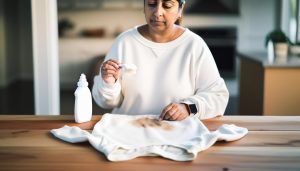
- Stain Removal: For tough stains, pre-treat with a mixture of baking soda and water before washing, ensuring you follow the fabric care guidelines.
By understanding these fabric types and how to care for them, you can select the perfect sweatshirt that suits your lifestyle and maintains its charm through wear and washing. Don’t hesitate to explore various materials and styles to find your signature cozy look-after all, there’s nothing quite like a comfy sweatshirt!
The Science Behind Sweatshirt Fabrics: Key Characteristics
Understanding the materials that compose sweatshirts can transform not only your wardrobe but also your overall comfort and enjoyment of these cozy staples. The science behind sweatshirt fabrics reveals a range of distinct characteristics that cater to various preferences and activities. Whether you’re snuggling up at home, hitting the gym, or stepping out, the choice of fabric plays a critical role in how a sweatshirt performs.
Most commonly, sweatshirts are made from cotton, polyester, or blends of these materials, each offering unique attributes. Cotton is a natural fiber that excels in breathability and softness, making it a top choice for lounging. Its absorbent nature ensures you’ll feel comfortable during those relaxed days, although it’s important to keep in mind that cotton garments can shrink when washed. On the other hand, polyester stands out for its resilience and durability. This synthetic material is less prone to wrinkling, shrinking, and fading, which makes it ideal for those looking for low-maintenance apparel. For those who love the best of both worlds, cotton-polyester blends provide the softness of cotton combined with the durability of polyester, ensuring your sweatshirt feels great while maintaining its shape and color through countless wears and washes.
When it comes to caring for sweatshirts, embracing the science behind their fabrics can lead to longer-lasting wear. Proper washing techniques are essential; it’s best to use cold water and a gentle cycle to minimize wear and tear. Air drying your sweatshirts is another tip to maintain their structure, particularly for 100% cotton varieties, which are more prone to shrinking. Finally, for tough stains, a mix of baking soda and water can work wonders for pre-treatment without damaging the fabric.
By knowing these key characteristics and care instructions, you empower yourself to not only choose the perfect sweatshirt but also extend its life while enjoying all the cozy comfort it has to offer. Embrace your sweatshirt journey and explore the myriad of options available-because every great outfit starts with a cozy foundation!
Popular Sweatshirt Materials: Pros and Cons
When it comes to choosing the perfect sweatshirt, understanding the materials used can significantly enhance your experience in comfort, style, and longevity. Each fabric type brings its own benefits and drawbacks, shaping how your sweatshirt feels, wears, and looks over time. Knowing the pros and cons of popular sweatshirt materials can empower your shopping decisions and help you curate a wardrobe that fits your lifestyle.
Cotton is a beloved classic in sweatshirt production. Its soft feel and breathability make it incredibly comfortable, perfect for lounging at home or running errands on a casual day. However, pure cotton sweatshirts can be prone to shrinking and wrinkling, especially after washing. If you choose this option, consider looking for pre-shrunk varieties or blending it with other materials for added durability.
On the other hand, polyester offers an alternative that’s more resilient and easier to care for. This synthetic fabric is known for its durability, so you can expect your sweatshirt to hold its shape, resist fading, and dry quickly. Additionally, it’s less likely to wrinkle, making it a great choice for those who lead busy lives. However, polyester can be less breathable than cotton, which might not be ideal for those for whom comfort and airflow are top priorities.
One of the most popular choices on the market today is a cotton-polyester blend. This combination gives you the best of both worlds: the softness and comfort of cotton along with the durability and ease of care associated with polyester. Many people find that this blend retains its shape longer and shows less wear and tear over time. However, it’s worth noting that blends may lack some of the premium softness that pure cotton offers, which can be a consideration for those seeking ultimate coziness.
Finally, fleece is another material worth mentioning. Soft, warm, and fluffy, fleece sweatshirts are ideal for cooler weather. They provide excellent insulation but can trap heat, making them potentially too warm for certain activities. Additionally, fleece can pill over time, so opt for higher quality materials or blends to reduce this effect.
Understanding these materials can guide you not only in choosing a sweatshirt that suits your personal style but also in knowing how to properly care for them, ensuring they last through countless comfortable days. Whether you’re a die-hard cotton fan or find your fit with polyester blends, every choice you make can elevate your sweatshirt experience!
How to Care for Your Sweatshirt: Washing Tips
To keep your sweatshirts looking fresh and feeling cozy, caring for them properly is essential. It’s not just about tossing them in the wash; understanding how different materials react to cleaning can help extend their life and maintain their comfort. Keeping in mind that cotton, polyester, and fleece have distinct properties will help guide your care routine effectively.
Washing Your Sweatshirt
When it comes to washing, always check the care label for specific instructions, but here are some general tips to follow for common sweatshirt materials:
- Cotton: For pure cotton sweatshirts, use cold water to prevent shrinking and fading. You can machine wash them but avoid hot water and high heat in the dryer. Instead, opt for a tumble dry on low or hang them to dry.
- Polyester: Polyester is generally low-maintenance. Wash in cold or warm water and avoid using fabric softeners as they can coat the fibers and make them less breathable. A tumble dry on low or air drying works great.
- Fleece: Wash fleece sweatshirts inside out to reduce pilling and extend their lifespan. Use cold water and a gentle detergent, and avoid fabric softeners, which can affect fleece’s insulation properties.
Stain Removal Techniques
Accidents happen, but don’t worry! Here are tailored tips for tackling stains based on fabric type:
- Cotton: Treat sweat stains or food spills promptly with a mixture of mild detergent and water. Blot the area and rinse well before laundering.
- Polyester: For grease stains, apply a dish detergent directly to the stain and let it sit for 10-15 minutes, then wash as usual.
- Fleece: Use a soft brush to gently remove debris before washing. For tough stains, a vinegar-water solution can help break down the stain without damaging the fabric.
Creative Care Ideas
Want to add a little flair to your sweatshirts while keeping them clean? Consider DIY customization projects like tie-dye or embroidery! Remember to wash the garment first to prevent any excess dye from running. After customization, care for your newly designed sweatshirt by washing it inside out.
By following these tips and understanding your sweatshirt’s material, you’ll ensure that your favorite casual wear remains a staple in your wardrobe for years to come. Keeping them clean and fresh not only enhances their look but also guarantees maximum comfort for those relaxed days or cozy evenings at home.
DIY Customization Ideas for Your Sweatshirt
Looking to make your sweatshirt stand out from the crowd? DIY customization is the perfect way to express your creativity and breathe new life into your favorite comfy piece. From fun tie-dye techniques to stylish embroidery, the options are limitless when it comes to personalizing your attire. Plus, customizing allows you to make unique gifts for friends or keep your wardrobe fresh without breaking the bank.
One of the most popular methods is tie-dye, which can create vibrant patterns that are effortless yet eye-catching. Start by gathering your supplies: a plain cotton sweatshirt, tie-dye kit, rubber bands, and gloves. Secure the areas you want to dye by folding and binding the fabric with rubber bands, then apply the dye according to the instructions. For best results, remember to let the dye set for several hours before rinsing out and washing. This technique not only adds a splash of color but also ensures that your sweatshirt is uniquely yours!
If you’re feeling particularly crafty, consider adding some embroidered designs. This could range from simple initials to intricate floral patterns that lend a touch of elegance. You’ll need embroidery thread, needles, and perhaps a hoop to hold the fabric taut. Start by sketching your design lightly on paper, then transfer it to your sweatshirt. Stitch away at your own pace! Not only does this technique personalize your sweatshirt, but it also provides a satisfying creative outlet.
Moreover, fabric paint can be a game changer. Use fabric-safe paint to stencil or freehand designs directly onto the fabric. You can create anything from logos and quotes to artistic graphics. Be sure to let the paint dry thoroughly and follow the washing instructions specific to painted fabric to maintain your design’s freshness.
Regardless of the method you choose, each customization project can significantly enhance your sweatshirt’s style and make it feel more like you. Don’t forget to care for your customized pieces properly after your creative efforts-wash them inside out and lay them flat to dry to preserve those artistic touches. Enjoy transforming your comfortable attire into a statement piece that you’ll love to wear!
Styling Your Sweatshirt: Casual to Chic Looks
There’s something effortlessly stylish about a sweatshirt, making it a versatile staple in everyone’s wardrobe. From the gym to brunch with friends, the right styling can elevate your sweatshirt from a simple cozy layer to a chic statement piece. Embracing the comfortable nature of sweatshirt fabric allows for a playful approach to everyday looks while also enabling various styles that cater to different occasions.
To achieve that casual yet polished look, consider pairing your sweatshirt with tailored joggers or high-waisted jeans. This creates a balanced silhouette that merges comfort with confidence. A classic crewneck sweatshirt can work wonders when layered under a chic denim jacket or a structured blazer, making it perfect for transitional weather or casual Fridays at work. Enhance the outfit with accessories like a statement belt or layered necklaces for an added touch of flair. Opting for sweatshirts in solid colors or subtle patterns helps maintain a more sophisticated vibe.
For those seeking to go bold, don’t shy away from integrating graphic sweatshirts into your outfits. Pairing a vibrant graphic sweatshirt with a sleek leather skirt or wide-leg trousers introduces a playful contrast while keeping you comfortable. Footwear can play a significant role in defining the look; swapping out sneakers for ankle boots or stylish loafers instantly ups the chic ante. Moreover, incorporating bold colors or eye-catching prints in your sweatshirts can make a striking focal point for your ensemble.
Layering and Accessories
A well-styled sweatshirt can benefit greatly from strategic layering and thoughtful accessories. Here are some tips:
- Layering: Use a long-sleeve top beneath your sweatshirt for warmth and dimension, or wear it over a fitted turtleneck.
- Accessories: Incorporate hats, scarves, or statement earrings to enhance your outfit without overwhelming it.
- Footwear: Choose between sporty sneakers for a casual day out or chic heels for a more polished appearance.
In addition to specific outfit combinations, keep in mind the care and maintenance of your sweatshirts, especially if they feature intricate designs or vibrant colors. Always wash inside out in cold water to protect prints and avoid fading. Air drying is preferred to maintain shape and elasticity, ensuring your favorite pieces last longer while you look effortlessly stylish.
Embrace the comfort of sweatshirts while exploring new styles that speak to your personal aesthetic. With just a little creativity and intention, you can wear your favorite cozy piece confidently, no matter the setting.
Measuring Your Sweatshirt: Ensuring the Perfect Fit
Getting the right fit for your sweatshirt can make all the difference in how comfortable and stylish you feel. Whether it’s for lounging at home, running errands, or layering for a night out, knowing how to measure your sweatshirt accurately ensures that you’ll look and feel your best. Start by gathering a soft measuring tape, as this will help you capture the dimensions without any hassle. The key measurements to keep in mind are the chest, shoulders, sleeves, and length.
To measure the chest, lay the sweatshirt flat and measure across the chest area from one armpit to the other, then double that number to get the full circumference. For the shoulder width, measure from the tip of one shoulder seam to the tip of the other. This ensures that the sweatshirt won’t be too tight or too loose across your shoulders. Next, for the sleeve length, measure from the shoulder seam down to the wrist, allowing for some extra room if you like a more relaxed fit at the cuffs. Lastly, to determine the length, measure from the center back of the neckline straight down to the bottom hem, giving you an idea of how the sweatshirt will sit on your body.
When choosing a size based on these measurements, remember that different brands and styles can have varying fits, so it’s crucial to refer to the specific sizing charts provided by each manufacturer. If you prefer a relaxed or oversized style, consider sizing up, but if you’re aiming for a more fitted look, sizing down might be appropriate.
Before making a purchase, it’s also helpful to check user reviews; they often comment on the fit and whether items run true to size. In case you are customizing your sweatshirt, be aware of the adjustments you may need to make depending on the design elements you want to include. Experimenting with fits can lead to finding your perfect style, so don’t be afraid to try different silhouettes-embrace the process of discovering what works best for you!
Understanding Fabric Blends: Cotton, Polyester, and More
When it comes to sweatshirts, the material choice heavily influences comfort, style, and functionality. A blend of fabrics can offer a range of benefits that enhance your experience, whether you’re lounging at home or out and about. The most common materials used in sweatshirts are cotton, polyester, and a combination of both, with each bringing unique characteristics to the table.
Cotton is often celebrated for its softness and breathability. It feels cozy against the skin and is highly absorbent, making it an excellent choice for casual wear. However, 100% cotton sweatshirts can have a tendency to shrink and may lose their shape over time. To mitigate this, many manufacturers create cotton blends-mixing cotton with synthetic fibers like polyester. This blend not only combats shrinkage but also enhances durability and wrinkle resistance. Moreover, poly-cotton blends provide the best of both worlds: the natural feel of cotton combined with the resilience and stretch of polyester.
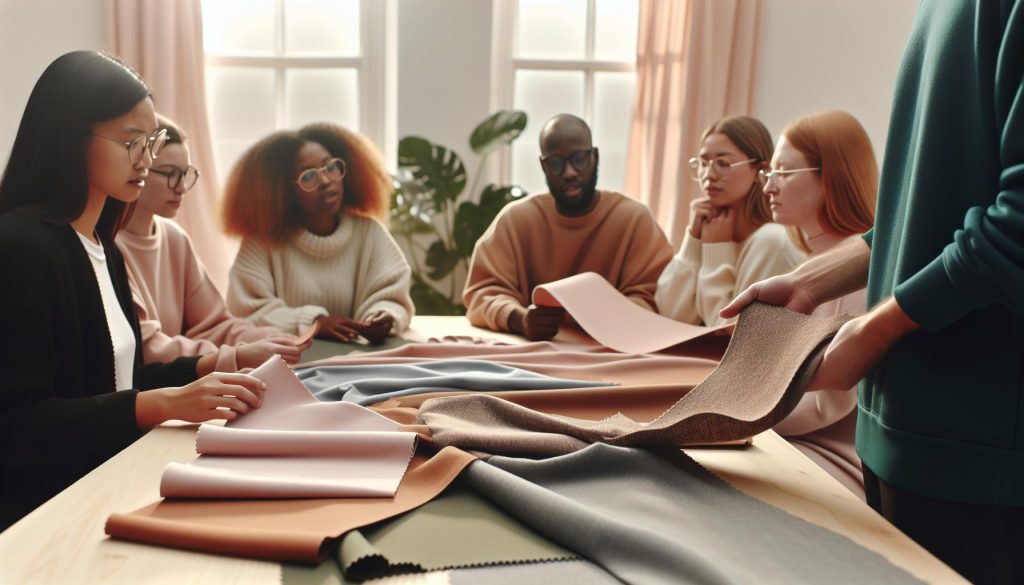
Conversely, polyester is recognized for its moisture-wicking properties, making it ideal for athletic or outdoor activities. It dries quickly and retains its shape well, which means polyester sweatshirts can withstand regular wear without losing their fit. However, they may lack the softness that cotton provides. Therefore, when shopping for sweatshirts, consider looking for options that feature innovative fabric blends. Blends like tri-blend (often a mix of cotton, polyester, and rayon) provide a luxurious feel while also being lightweight and breathable.
To ensure your sweatshirt maintains its quality, it’s important to follow proper care guidelines. Always check the care label, but here are a few general tips: wash in cold water to prevent fading and shrinkage, tumble dry on low or hang to dry, and avoid fabric softeners, as they can affect moisture-wicking fabrics. With the right blend of materials, coupled with thoughtful care, you can keep your sweatshirts looking fresh and feeling great for a long time.
Choosing the Right Sweatshirt for Different Activities
When it comes to selecting a sweatshirt for your specific activities, the right fabric and fit can dramatically enhance your experience. Whether you’re gearing up for a workout, relaxing at home, or heading out for a casual day with friends, understanding the nuances of sweatshirt materials can help you make the right choice. Sweatshirts come in a variety of materials, each tailored for different needs and lifestyles, so let’s dive into what makes each type perfect for its unique purpose.
For Workouts and Active Days
If you’re planning a trip to the gym or an outdoor adventure, look for sweatshirts made from moisture-wicking fabrics, often incorporating polyester or specialized blends. These materials are designed to draw sweat away from your skin, keeping you comfortable and dry during intense sessions. Additionally, consider something lightweight with a bit of stretch, like a cotton-polyester blend, that allows for a full range of motion. Features such as thumbholes in the cuffs and a fitted design can also provide extra functionality without compromising style.
Lounging at Home
For cozy nights in, opt for plush, soft fabrics like a cotton fleece or a heavier cotton blend. These materials provide the warmth and comfort that are perfect for snuggling up on the couch or binge-watching your favorite series. A classic crewneck or oversized hoodie works wonderfully in this setting, offering a relaxed vibe. If you’re feeling crafty, why not personalize your sweatshirt with some tie-dye or embroidery for a unique touch? This can turn your lounge piece into an expression of your creativity.
Casual Outings and Layering
When dressing for social gatherings or casual outings, a versatile sweatshirt can be the ultimate layering piece. Choose a stylish cotton-polyester blend sweatshirt that strikes a balance between fashion and comfort. Look for lightweight options that can be easily layered under a jacket or worn over a casual shirt. A well-designed sweatshirt can elevate your ensemble, especially with trendy details like cropped lengths, bold colors, or graphics. Accessorizing with a chic scarf or statement necklace can also amp up your style game significantly.
Weather Considerations
Always take the weather into account when choosing your sweatshirt. For chilly days, thicker, fleece-lined sweatshirts provide excellent insulation. On warmer days, lightweight cotton or breathable blends can ensure you don’t overheat while still looking chic. Additionally, you might explore eco-friendly options, like sweatshirts made from organic cotton or recycled materials, which not only feel good but are great for the environment too.
By tailoring your sweatshirt choice to fit various activities, you harness not only utility but also style. With the right fabric and thoughtful design, your sweatshirt can be a versatile wardrobe staple that carries you through any occasion with ease and flair.
Sustainable Sweatshirt Materials: Eco-Friendly Choices
In a world increasingly concerned about sustainability, choosing eco-friendly sweatshirt materials is not just a trend; it’s a lifestyle shift towards greater environmental consciousness. Many brands now offer sweatshirts made from sustainable fabrics, allowing you to enjoy your cozy style while making a positive impact. Organic cotton is one standout option-grown without harmful pesticides or synthetic fertilizers, it not only feels great against the skin but also reduces the carbon footprint associated with traditional cotton farming.
Another innovative material gaining traction is recycled polyester, sourced from post-consumer plastic bottles and textile waste. This approach not only conserves resources but also helps reduce the amount of plastic in landfills. Sweatshirts crafted from this material maintain the durability and moisture-wicking features you’d expect from polyester, all while promoting a circular economy. Look for brands that incorporate such materials in their designs to ensure that you’re contributing to environmental sustainability while enjoying versatile, stylish comfort.
To further support your commitment to eco-friendliness, consider opting for brands that prioritize ethical labor practices and sustainable production processes. Many companies now transparently share their sourcing and manufacturing methods, allowing you to make informed choices aligned with your values. Additionally, upcycling old sweatshirts into new designs through techniques like tie-dye or embroidery can breathe new life into garments while minimizing waste.
With these options in mind, you can enjoy the casual comfort of a sweatshirt while staying true to your environmentally conscious lifestyle. Embracing sustainable choices not only benefits the planet but also fosters creativity and personal expression through your wardrobe. So, make your next sweatshirt purchase a thoughtful one, and feel great knowing you’re making a difference.
Repairing Common Sweatshirt Issues: Tips and Tricks
Every sweatshirt faces its own set of challenges, whether it’s a case of frayed seams, stubborn stains, or pilling fabric. Fortunately, with a little creativity and some know-how, you can keep your favorite cozy piece looking fresh and stylish. Start with one of the most common issues: pilling. This occurs when fiber strands come loose and form small balls on the surface. To combat this, you can use a fabric shaver or a simple velcro lint roller to gently remove the pilling without damaging your sweatshirt.
Stains are another common battle, especially when you’re lounging with snacks or on the go. The best approach to stain removal starts with prompt action. For grease and oil marks, sprinkle a little cornstarch on the stain and let it sit for a few hours before gently brushing it off. Using a cloth soaked in dish soap can effectively lift the stain. For those pesky ink stains, rubbing alcohol can be a game-changer-apply it to a cotton ball and carefully dab the area, rinsing afterward.
For tears or holes in your sweatshirt, don’t fret! You can give your hoodie a second life with some simple sewing techniques or creative patches. A colorful fabric patch can not only cover up the defect but also add a unique flair, reflecting your personality. If you’re inclined towards DIY projects, consider embellishments like embroidered designs or tie-dye to reinvigorate an old favorite. Not only does this extend the life of your sweatshirt, but it also transforms it into a one-of-a-kind piece that stands out.
Lastly, remember that proper care goes a long way in preventing these issues from arising in the first place. Always follow washing instructions, typically recommending cold water and a gentle cycle to keep the fabric’s integrity. Avoid harsh detergents and fabric softeners to minimize wear. By implementing these practical tips, you can easily maintain your sweatshirts, ensuring they remain not just functional but fashionable additions to your wardrobe.
Seasonal Sweatshirt Styles: Trends to Try
Sweatshirts have transcended their utilitarian roots to become a staple in contemporary fashion, and seasonal trends only amplify their versatility. As the weather begins to shift with cooler temperatures or the first hint of summer breezes, there are ample opportunities to refresh your wardrobe. In winter, for instance, oversized sweatshirts layered over turtlenecks make for both comfort and style, perfect for cozy coffee dates or casual outings. Pair them with fitted jeans or leggings for a balanced silhouette, and don’t forget to accessorize with stylish beanies or chunky scarves to enhance your winter look.
As the seasons change, so do the fabric choices and designs. In spring and fall, lighter, breathable materials like cotton blends are ideal, allowing you to transition smoothly from chilly mornings to warmer afternoons. Vibrant pastel shades or floral prints can add a delightful touch of freshness. Transitioning to summer, cropped sweatshirts become a hit, providing a breezy look that still captures the essence of cozy wear. Styling these with high-waisted shorts or a flowing maxi skirt not only keeps you comfortable but also fashion-forward.
Popular Trends to Try
- Layering: Combining sweatshirts with denim jackets or lighter cardigans for added warmth and style.
- Graphic Prints: Opt for bold graphics or vintage logos that not only showcase personality but also make a statement.
- Color Block: Experimenting with contrasting colors or patterns-this year’s must-have trend that allows for playful combinations.
- Eco-Friendly Fabrics: Choose sweatshirts made from sustainable materials like organic cotton or recycled textiles to embrace environmentally friendly fashion.
Finally, exploring DIY customization is a fun way to make your sweatshirt stand out for any season. Whether you dive into tie-dye techniques or get crafty with embroidery, these projects not only give your garments a personal touch but also keep your sweatshirts looking unique and trendy. So, as you update your seasonal wardrobe, let your style shine through your sweatshirt choices-embracing comfort and creativity every step of the way!
Frequently Asked Questions
Q: What material is commonly used for sweatshirts?
A: Sweatshirts are typically made from materials such as cotton, polyester, or fabric blends. Cotton provides breathability and comfort, while polyester enhances durability and moisture-wicking properties. Blended fabrics combine the benefits of both, making them a popular choice for everyday wear.
Q: What is the difference between fleece and sweatshirt fabric?
A: Fleece and sweatshirt fabric differ primarily in texture and warmth. Fleece is softer and tends to have a thicker pile, providing superior insulation, while standard sweatshirt fabric is smoother and offers moderate warmth. Both are great for layering, but fleece is ideal for colder conditions.
Q: Are all sweatshirts made of cotton?
A: No, not all sweatshirts are made of cotton. While many sweatshirts feature cotton or cotton blends, some are made from polyester or other synthetic materials. These alternatives can offer added durability and moisture-wicking properties, catering to various preferences and activities.
Q: How does sweatshirt material affect its fit and comfort?
A: The material of a sweatshirt significantly impacts its fit and comfort. Cotton provides a softer, more breathable feel, ideal for casual wear. In contrast, synthetic blends may offer a snugger fit and retain shape better, making them suitable for athletic activities. Choosing the right fabric enhances overall comfort.
Q: Can sweatshirt fabric be recycled?
A: Yes, sweatshirt fabric can often be recycled, especially if it is made from natural fibers like cotton. Many recycling programs accept worn-out clothing, including sweatshirts, so always check local options. For more sustainable choices, consider brands that prioritize eco-friendly materials in their designs.
Q: What are the best sweatshirts for cold weather?
A: The best sweatshirts for cold weather are those made from thicker materials like fleece or heavyweight cotton blends. Look for options with added features such as lining, hoods, and ribbed cuffs to enhance warmth and comfort. For layering, consider styles designed for insulation without bulk.
Q: What type of fabric is best for athletic sweatshirts?
A: For athletic sweatshirts, moisture-wicking fabrics like polyester or nylon are best. These materials help regulate body temperature and keep you dry during intense activities. Look for lightweight and breathable options that still offer a comfortable fit for maximum performance.
Q: What should I consider when choosing sweatshirt fabric?
A: When choosing sweatshirt fabric, consider factors like comfort, breathability, durability, and care requirements. Determine if you prefer natural fibers like cotton for softness or synthetic blends for performance and ease of maintenance. Additionally, check for features like stretch and weight that influence fit and use.
Wrapping Up
Now that you’re equipped with the knowledge of sweatshirt materials and their unique characteristics, it’s time to put that information to good use! Whether you’re considering your next comfy purchase or planning a DIY project, understanding fabric types will help you make the best choice for your wardrobe. For styling tips, washing instructions, and easy care guides that keep your hoodies looking fresh, don’t miss our articles on Highlights of Hoodie Care and Customization Essentials!
Before you go, consider signing up for our newsletter for exclusive tips and trends in the world of casual wear. Have questions or insights? We’d love to hear from you in the comments below! Dive into related topics like our DIY Tie-Dye techniques or tips on how to choose the perfect fabric for your next hoodie project. Your cozy closet awaits-explore our site and embrace your comfort with style today!