In the world of hip-hop, Earl Sweatshirt stands out not just for his art but also for his intriguing personal life, prompting questions about his identity, including his sexuality. Exploring whether “Is Earl Sweatshirt gay?” delves into themes of self-discovery, vulnerability, and representation. This conversation matters, as it reflects broader societal issues and connects with fans who often view artists as reflections of their own struggles and triumphs. By unpacking his journey, we not only gain a deeper understanding of Earl’s music but also embrace the conversations around gender and sexuality within the hip-hop community. Join us as we take a closer look at Earl’s life, his artistry, and the nuances of his identity-because understanding artists like him enriches our appreciation of their work and personal narratives.
Exploring Earl Sweatshirt’s Sexual Orientation
Earl Sweatshirt’s sexual orientation has been a topic of intrigue among fans and critics alike, often surfacing in discussions around his music and personal life. While the rapper has not labeled his sexuality definitively, the ambiguity surrounding his relationships has led to various interpretations. During the early days of Odd Future, rumors circulated about a potential romantic connection with fellow member Tyler, the Creator, which has prompted questions about Earl’s identity and openness regarding his sexuality earl_bisexual/”>[3].
Moreover, the cultural context of LGBTQ+ representation in hip-hop is essential when analyzing how artists like Earl Sweatshirt navigate their identities. The intersection of masculinity and vulnerability in his work challenges traditional stereotypes prevalent in the genre. Earl does not conform to typical narratives, instead offering a nuanced perspective that contributes to a broader understanding of queer representation in music. This complexity not only enriches his artistry but also serves as a form of empowerment for listeners who find solace and connection in his messages.
Earl Sweatshirt’s Views on Identity and Art
Earl Sweatshirt’s approach to identity and art stands as a profound reflection of his internal struggles and the broader societal dynamics surrounding masculinity and vulnerability. As a prominent figure in hip-hop, his lyrics often explore themes of loneliness, introspection, and the complexities of self-acceptance. This nuanced look at personal identity resonates with many fans, especially within the LGBTQ+ community, who find solace in his candid expressions and the uncertainty that often accompanies them. Rather than labeling himself, Earl invites listeners to interpret his art through their personal lenses, fostering a connection that transcends definitions.
The rapper’s work frequently combines raw emotional depth with intricate wordplay, allowing him to discuss taboo subjects without adhering to conventional norms. Whether addressing the pain of family estrangement or the struggle for authenticity in a world that often demands conformity, Earl’s music acts as a sanctuary for those grappling with similar issues. His unique position within the Odd Future collective further complicates public interpretations of his sexuality, particularly given the intimate relationships and dynamics shared among its members, including rumors about his relationship with Tyler, the Creator. Instead of confirming or denying these narratives, Earl chooses to maintain a thoughtful distance from speculation, suggesting that his identity is an evolving concept rather than a fixed label.
Exploring Vulnerability in Hip-Hop
Earl Sweatshirt’s artistry represents a significant departure from the hyper-masculine ideals often found in hip-hop. By embracing vulnerability and emotional complexity, he challenges traditional stereotypes and creates space for discussions surrounding mental health and sexuality. For instance, lines in his songs often explore the precarious balance between masculinity and emotional honesty-an area that has historically been sidelined within the genre. This approach not only enriches his music but fosters an environment where listeners can feel empowered to confront their own struggles with identity and acceptance.
As he continues to evolve as an artist, Earl’s focus on the intricacies of personal identity serves as both a mirror and a map for those who navigate similar paths. His artistic expression encourages fans to seek authenticity in their own lives and highlights the ongoing conversation surrounding queer representation in hip-hop. By prioritizing introspection over bravado, Earl Sweatshirt not only transforms his own narrative but also illuminates a broader spectrum of experiences-ultimately reaffirming that identity, much like art, is multifaceted and subject to endless exploration.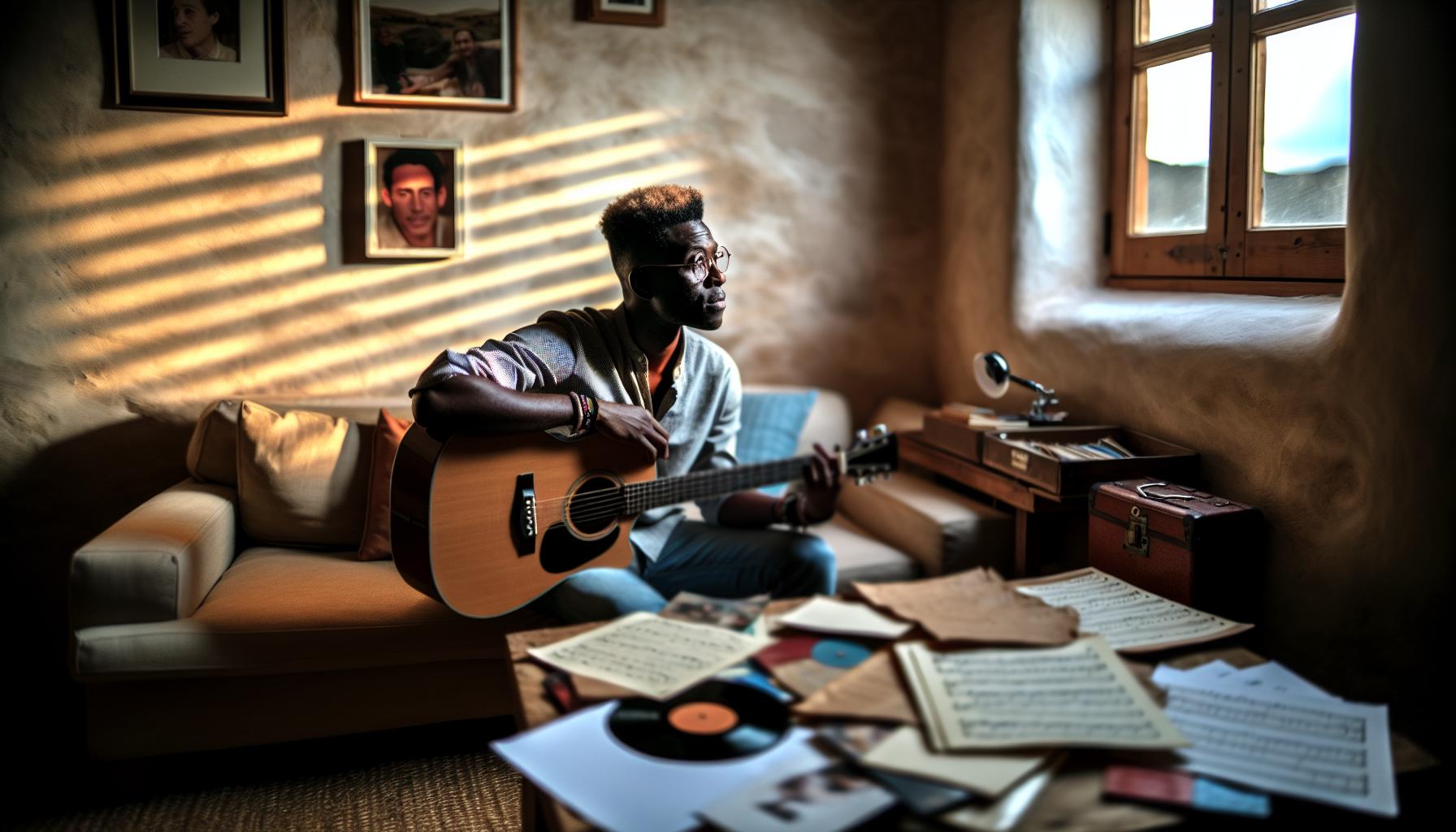
The Influence of Personal Life on His Music
Earl Sweatshirt’s music is deeply intertwined with his personal experiences, making it a compelling reflection of his inner life and interactions with the world. Growing up amidst the chaos of fame and familial challenges, his lyrics become a canvas through which he expresses his vulnerabilities, fears, and triumphs. His relationship with his father, the late South African poet Keorapetse Kgositsile, and his struggles with mental health are recurring themes that provide listeners with profound insight into his psyche. These elements not only enrich his narrative but also resonate with fans who might have faced similar struggles, forging a bond that goes beyond mere entertainment.
The vulnerability in Earl’s lyrics stands in stark contrast to the often hyper-masculine tropes prevalent in hip-hop. Instead of projecting an image of unyielding strength, he embraces sensitivity and emotional depth, allowing his personal life to shape his art. For example, tracks like “Grief” and “Chum” delve into feelings of alienation and introspection, revealing how his past experiences-including his time at a youth correctional facility-have influenced his worldview. By laying bare his struggles with identity and acceptance, he invites listeners to engage with their own emotions, creating a space where authenticity is valued over bravado.
Earl’s artistic journey is also marked by his experiences within the Odd Future collective, where dynamics among the members-some of whom are at the forefront of LGBTQ+ conversation in the music industry-add layers to public perceptions of his sexuality. While rumors about his relationships, particularly with Tyler, the Creator, have circulated, Earl approaches these discussions with ambiguity, focusing instead on the art itself rather than the labels society may impose. This choice underscores the notion that personal relationships and identity are complex, fluid, and shouldn’t be rigidly defined.
Ultimately, the influence of Earl Sweatshirt’s personal life on his music serves as a powerful reminder of the importance of vulnerability in creative expression. By sharing his experiences candidly, he creates relatable content that challenges preconceived notions surrounding masculinity and sexual orientation, encouraging listeners to embrace their authenticity and appreciate the nuanced spectrum of human experiences.
Public Reactions to Earl Sweatshirt’s Relationships
Public interest in Earl Sweatshirt’s relationships often reflects broader societal questions about sexual orientation and identity in hip-hop. As an artist who prioritizes emotional authenticity over hyper-masculinity, he finds himself at the intersection of admiration and speculation. Fans and critics alike have engaged deeply with the nuances of his lyrical content, frequently probing whether his relationships signal a broader exploration of his sexual identity, particularly in light of his connections with fellow Odd Future member Tyler, the Creator.
The ambiguity surrounding Earl’s sexual orientation invites a spectrum of reactions. Some fans celebrate his refusal to conform to traditional hip-hop stereotypes, perceiving his openness about feelings and relationships as a form of liberation that challenges societal norms. Others, however, are eager to label him, often misunderstanding his insistence on complexity in both personal and artistic domains. In interviews, Earl has stated that he prefers to let his art speak for itself, which resonates with listeners who appreciate the invitation to interact with his music on their own terms.
Moreover, public reactions are compounded by the cultural tides within the music industry regarding LGBTQ+ representation. As conversations evolve, Earl’s reluctance to provide explicit answers about his relationships can be seen as rebellious or as a commentary on the pressures artists face to define their identities neatly. This approach not only reflects his artistic vision but also fosters a more inclusive dialogue about sexual orientation in hip-hop, encouraging fans to embrace diverse forms of love and identity without confining them to specific labels.
Earl’s relationships-be they platonic or romantic-are observed through the lens of a community that is increasingly aware of the fluidity of identity. The ongoing discussions surrounding him serve as a catalyst for broader conversations about what it means to be genuine in an industry that often rewards performative masculinity. This nuanced perspective enables fans to celebrate Earl Sweatshirt not merely for his artistry but as a symbol of evolution in the ongoing dialogue surrounding sexual orientation and representation in music.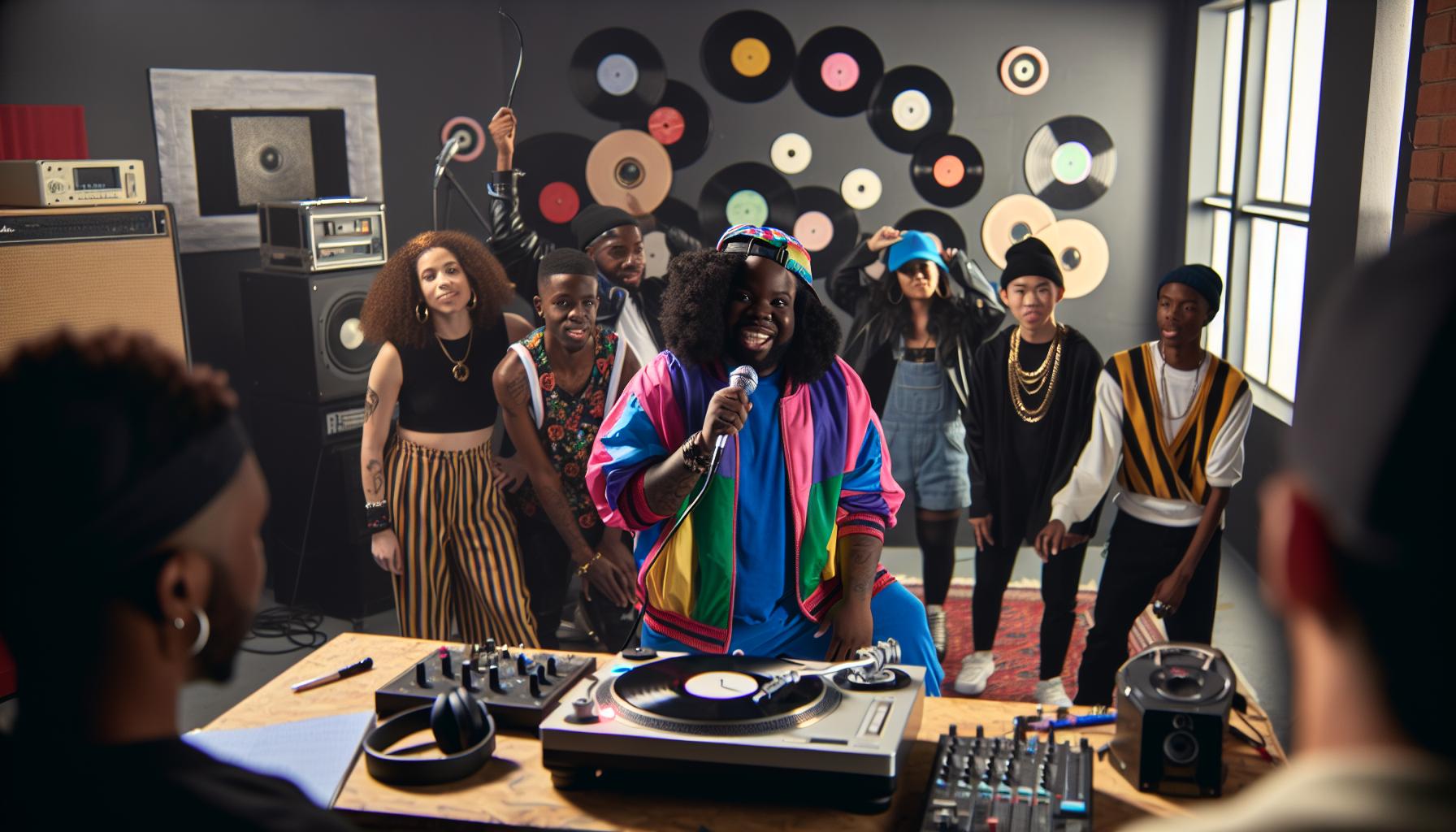
Understanding LGBTQ+ Representation in Hip-Hop
The landscape of hip-hop has been marked by a long history of masculinity, often juxtaposed against the evolving dialogues around identity and representation. Within this context, artists like Earl Sweatshirt play a pivotal role in reshaping conversations about LGBTQ+ representation in the genre. He stands out not only for his lyricism but for his artistic persona that defies rigid categorizations. This ambiguity around his sexual orientation invites both speculation and celebration, highlighting how personal identity can intersect meaningfully with artistic expression.
Earl’s work resonates in a culture where overt masculinity has historically defined hip-hop. His nuanced approach to discussing relationships and identity allows him to navigate a space that many artists may find restrictive. By embracing emotional authenticity and vulnerability, he serves as a beacon for those grappling with their own identities. This reflects a broader shift in the genre towards inclusivity, where themes of love, desire, and self-exploration are welcomed rather than marginalized. As newer generations of artists emerge, they build on this foundation, proving that hip-hop can be a conduit for diverse narratives, resonating with the experiences of many within the LGBTQ+ community.
Despite facing scrutiny from fans and critics alike, Earl’s refusal to provide clear labels for his orientation empowers a larger conversation about the fluidity of identity. This approach resonates particularly well in a landscape increasingly supportive of diverse sexualities and gender expressions. Such representations challenge the traditional notions of masculinity while encouraging fans to appreciate complexity in both life and art. His connections with fellow artists, notably Tyler, the Creator, further compound these discussions, offering rich ground for exploration regarding friendship, love, and the bonds formed in the creative space.
As the discourse around LGBTQ+ representation in hip-hop continues to evolve, Earl Sweatshirt embodies the potential for growth within the industry. His influence encourages dialogue about the importance of self-identity and the impact of art that seeks to transcend societal norms. By nurturing a more inclusive environment for all identities, artists in hip-hop contribute to a cultural shift that celebrates diversity in all its forms, fundamentally altering how future generations of artists and listeners perceive and engage with music.
Insights from Interviews and Social Media
Earl Sweatshirt’s engagement with social media and interviews offers a rich tapestry of insights into his personal life, particularly concerning the questions around his sexual orientation and identity. Through his posts and interactions, he frequently navigates the complexities of modern masculinity, vulnerability, and the nuanced nature of identity-elements that resonate profoundly with his audience. For example, his retweet of support for Frank Ocean, who came out publicly as bisexual, indicates a solidarity with LGBTQ+ themes and highlights the importance of representation within hip-hop, a genre often characterized by hyper-masculinity earlianknowuswingthat_way/”>[2].
Moreover, his lyrics often serve as an exploration of the interplay between personal experiences and broader cultural narratives. He employs dense imagery to articulate feelings about race, gender, and sexuality, enabling listeners to engage with these themes on a deeply personal level. This approach not only enriches his artistry but also fosters a supportive environment for fans who might be wrestling with similar questions about their identity. The discourse surrounding his music and his social media presence illustrates how contemporary artists can reshape conversations about sexuality and authenticity in ways that empower both themselves and their audiences [3].
In essence, Earl Sweatshirt uses his platform to encourage a more expansive understanding of identity, pushing against the boundaries of traditional masculinity and inviting discussions on the fluidity of sexual orientation. This willingness to embrace complexity not only challenges stereotypes but also paves the way for future artists to express their authentic selves in an industry that is slowly becoming more inclusive.
Earl Sweatshirt’s Journey Through Fame and Privacy
Earl Sweatshirt’s rise to fame, marked by his involvement with the influential collective Odd Future, has been anything but straightforward. As he navigated the complexities of celebrity status, he simultaneously contended with the invasive nature of public scrutiny regarding his personal life, particularly concerning his sexual orientation. The dynamic between his public persona and private self has led to numerous discussions and speculations, often overshadowing the artistry he brings to hip-hop.
At the heart of his journey lies a persistent tension between the desire for privacy and the demands of fame. Earl has made it clear that he values authenticity and individuality above all else, which sometimes puts him at odds with how fans and the media seek to categorize him. The ambiguity of his identity serves not only as a shield from invasive narratives but also as a commentary on the fluidity of sexuality. This approach allowed him to keep certain aspects of his life intimate while still engaging with larger themes of identity and vulnerability through his music. For instance, his lyrics are rich with nuanced exploration of personal experience, often reflecting themes of insecurity and existential questioning-elements that resonate deeply with young fans who may be grappling with their own identities.
Throughout his career, Earl has also utilized social media as a platform to counter assumptions about his life. His retweets and public support for fellow musicians, especially those from the LGBTQ+ community, have generated important conversations around representation in a genre notorious for its machismo. This visibility not only identifies him as an ally but also reinforces his stance against limiting labels. By maintaining this openness in his artistry and public statements, Earl encourages his audience to embrace their complexities without fear of societal judgment.
In managing his fame, Earl continues to emphasize the need for privacy, often responding to inquiries with a mix of humor and defiance. This not only protects his personal narrative but also inspires others to lead with their truths. By setting boundaries around his personal life while engaging with critical discussions about sexuality, he effectively redefines what it means to be both a public figure and a private individual in the modern era. Earl Sweatshirt’s journey thus serves as a powerful reminder of the importance of self-definition in an ever-evolving cultural landscape.
Fan Speculations: Rumors and Truth About Earl
Fan speculation surrounding Earl Sweatshirt often runs rampant, fueled by curiosity about his personal life and the occasional cryptic social media post. Over the years, fans have pondered about his sexual orientation, exploring whether his artistry and lyrics hint at a deeper understanding of identity and relationships. Earl has engaged in discussions about fluidity in sexuality, a subject that resonates strongly within both his music and his public persona. His guarded responses often lead to varying interpretations, creating a space for dialogue but also for misunderstanding.
Earl’s openness about the complexities of human relationships has sparked considerable debate. In a recent interview, he expressed a desire for authenticity and acknowledged the challenges of reconciling his public image with his private life. This ambivalence contributes to speculations about whether he identifies as part of the LGBTQ+ community. Fans note his past use of language that could suggest a spectrum of identities and experiences, which he has since claimed to regret, signaling an evolution in his perspectives.
Moreover, his interactions on social media often provide a glimpse into his relationships and friendships. For instance, supportive retweets of LGBTQ+ individuals or advocacy against homophobia indicate a significant awareness and allyship that reinforces his stance on fluid identity. Yet, he is careful not to define himself in a way that may confine his individuality or stifle broader conversations about acceptance beyond sexuality.
Ultimately, Earl Sweatshirt’s persona blends mystery with the exploration of identity, inviting fans to consider the nuances of their own experiences. While speculation may continue, his approach encourages a dialogue that goes beyond mere rumor, pushing for a deeper understanding of self in a world rife with labels and expectations. Fans continue to celebrate his music, which resonates on multiple levels, capturing both the struggles and triumphs of navigating one’s identity in the public eye.
The Role of Sexuality in His Artistic Expression
The complexity of sexuality plays a profound role in Earl Sweatshirt’s artistic expression, creating an intricate tapestry that invites listeners to explore their own identities alongside his. His lyrics often delve into themes of vulnerability, emotional turmoil, and personal relationships, which resonate on different levels. Earl’s approach to discussing sexuality-specifically his reflections on fluidity and self-identity-offers a unique perspective in the often rigid confines of hip-hop. Unlike many artists who may adhere strictly to traditional norms, Earl weaves a narrative that challenges conventional expectations, making his music a safe space for those questioning their own identities.
Earl’s evolution as an artist frequently mirrors his internal struggles with identity and societal roles. His earlier works showcase a teenager grappling with the intensity of personal and artistic expectations. As he matured, so too did his understanding of what it means to inhabit a space that is both public and private. Interview snippets-like those found in his discussions on “Sway in the Morning”-provide insight into his feelings about authenticity and the difficulties of keeping his personal life private while thrust into the public eye [[2]]. His reluctance to explicitly label his sexuality suggests a conscious decision to let his art speak for itself. This ambiguity has allowed fans to interpret his work in multifaceted ways, whether it be through representations of bisexuality or simply as expressions of broader human experiences.
Moreover, by engaging in discourse around LGBTQ+ topics through social media and interviews, Earl positions himself as not only an artist but also an ally. His supportive stances against homophobia and his retweets of LGBTQ+ advocates illuminate his commitment to fostering a more inclusive dialogue within hip-hop, a genre not known for its progressive stance on these issues. As fans dissect his lyrics and public appearances, they find echoes of their own struggles reflected back at them, reinforcing the idea that sexuality can be fluid, and that embracing one’s identity can be a powerful act of resistance.
In essence, the role of sexuality in Earl Sweatshirt’s artistic expression represents more than just personal exploration; it’s about carving out a space for nuanced conversations regarding identity, acceptance, and the complexities of human relationships. His work continues to resonate with those who find validation in its layers, prompting deeper discussions that transcend mere speculation about sexual orientation. By doing so, he cultivates an environment where listeners feel empowered to navigate their own journeys of self-discovery alongside him.
How Earl Sweatshirt Challenges Stereotypes
Exploring themes of identity and vulnerability, Earl Sweatshirt often defies the typical masculine stereotypes prevalent in the hip-hop industry. His music and public persona challenge societal norms by promoting a narrative that embraces fluidity in both sexuality and emotional expression. By openly discussing his struggles with mental health and personal relationships, Earl creates an authentic space for dialogue that resonates with listeners who feel marginalized or misunderstood.
Earl’s refusal to conform to traditional notions of masculinity allows him to subvert expectations within the genre. He often toys with lyrical ambiguity, enabling interpretations of his work that embrace various sexual orientations. This deliberate approach encourages fans to engage with his music on a personal level, reflecting their own experiences rather than being confined to rigid labels. Such inclusivity not only broadens his appeal but also fosters a sense of community among listeners seeking representation in hip-hop.
Furthermore, by addressing LGBTQ+ themes in both his lyrics and public commentary, Earl positions himself as an ally in a realm often resistant to such conversations. His willingness to confront homophobia directly, whether on social media or through his art, underscores his commitment to creating a more inclusive environment within hip-hop. This kind of advocacy is crucial in challenging stereotypes and paving the way for future artists to explore complex issues surrounding identity without fear of backlash.
In the myriad of influences and life experiences he shares, Earl Sweatshirt is carving a unique path that celebrates authenticity over stereotypes. His music invites listeners to reconsider societal norms and encourages a deeper understanding of sexual and emotional fluidity, making it a powerful vehicle for change in the industry. By embracing vulnerability and rejecting conventional masculinity, he not only challenges stereotypes but also empowers others to explore their own identities freely.
Cultural Context: LGBTQ+ Issues in Music Industry
The music industry has long been a complex landscape for LGBTQ+ artists, marked by both moments of significant progress and enduring challenges. In recent years, more artists have begun to openly embrace and discuss their identities, paving the way for greater representation and acceptance within genres traditionally seen as inhospitable to discussions of sexuality, particularly hip-hop. Artists like Earl Sweatshirt are essential to this movement, as they challenge norms and encourage conversations that have often been avoided in their genres.
Earl Sweatshirt’s work exemplifies how personal and artistic identity can intersect in meaningful ways. His lyrical approach often employs ambiguity that invites varied interpretations of his sexuality, allowing listeners to explore their own experiences and identities through his music. This is particularly poignant in a genre that has been historically dominated by hypermasculinity and often dismissive attitudes toward LGBTQ+ issues. By deliberately challenging these conventions through his art, Earl not only expands his own creative expression but also opens doors for a broader acceptance of diverse identities within the hip-hop community.
Moreover, the cultural context surrounding LGBTQ+ representation in the music industry highlights the importance of advocacy and allyship. While many artists, like Frank Ocean, have bravely come out and shared their experiences, there’s still a spectrum of responses from the industry, ranging from supportive to hostile. Earl’s vocal stance against homophobia and his willingness to tackle taboo topics act as crucial elements of his artistry, pushing back against the stigma that often silences LGBTQ+ voices in hip-hop. This advocacy is critical for younger artists who may struggle with their identity in a space that can be unwelcoming.
As listeners increasingly seek authenticity and representation in music, the impact of artists like Earl Sweatshirt can’t be overstated. Their navigations of personal identity, coupled with their artistic expressions, foster a richer, more inclusive narrative in the industry. This evolving cultural context not only reshapes the landscape for artists but also cultivates a community of fans who find solace and empowerment in their stories, illustrating that the boundaries of hip-hop are expanding to embrace a broader spectrum of human experience.
Resources for Understanding Queer Artists and Allies
Understanding the nuances of queer artistry and the allies who support it is essential in fostering a more inclusive music industry. For those looking to deepen their knowledge about LGBTQ+ representation in hip-hop and beyond, a myriad of resources offers valuable insights and perspectives. From documentaries and articles to social media influencers and community organizations, there are numerous avenues to explore the intersection of identity and music.
One excellent resource is the documentary “Disclosure,” which offers a deep dive into Hollywood’s portrayal of transgender individuals. While it primarily focuses on film and television, the lessons about representation and identity can be extrapolated into music, especially in examining how hip-hop artists navigate their own identities. Additionally, platforms like the Human Rights Campaign often highlight LGBTQ+ artists and their contributions to the music world, providing both support and a spotlight for underrepresented voices.
For fans and enthusiasts eager to learn more about queer artists, social media platforms can be incredibly informative. Following artists, activists, and organizations on platforms like Instagram and Twitter can provide ongoing discussions about identity, artistry, and culture. Notable figures such as Janelle Monáe and Lil Nas X frequently use their platforms to address issues of sexuality, representation, and acceptance, offering real-time insights into their lives and the challenges they face.
Moreover, engaging with local LGBTQ+ community centers can provide invaluable support and resources. Many centers host events, workshops, and discussions that focus on queer representation in various forms of art, including music. These initiatives not only celebrate the artistry of LGBTQ+ individuals but also create safe spaces for dialogue and education.
By diving into these resources, supporters and allies can better understand the complexities surrounding queer artists like Earl Sweatshirt. Their journeys through identity and artistry not only enhance the music industry but also pave the way for future generations of diverse voices, making it crucial for listeners to engage and educate themselves in these vital conversations.
Frequently Asked Questions
Q: Is Earl Sweatshirt openly gay?
A: Earl Sweatshirt has not publicly identified as gay. His sexuality and personal life remain relatively private, focusing more on his music and artistry. For insights on how his personal experiences shape his art, refer to the section on “Earl Sweatshirt’s Views on Identity and Art.”
Q: What has Earl Sweatshirt said about sexual orientation in hip-hop?
A: Earl Sweatshirt often discusses identity and representation in the context of hip-hop. He emphasizes the importance of authenticity and challenges traditional stereotypes within the genre. You can explore this further in the section about “Understanding LGBTQ+ Representation in Hip-Hop.”
Q: Does Earl Sweatshirt address personal relationships in his music?
A: Yes, Earl Sweatshirt frequently infuses elements of his personal life, including relationships, into his lyrics, offering listeners a glimpse into his emotional landscape. Check the section “The Influence of Personal Life on His Music” for more details.
Q: How do fans speculate about Earl Sweatshirt’s relationships?
A: Fans often speculate about Earl Sweatshirt’s relationships due to his private nature. These rumors can stem from his lyrics or social media interactions. For a deeper analysis, see “Fan Speculations: Rumors and Truth About Earl.”
Q: What impact does Earl Sweatshirt have on LGBTQ+ discussions in music?
A: Earl Sweatshirt contributes to LGBTQ+ discussions by challenging stereotypes and promoting authentic expression through his work. His approach encourages dialogue about representation within the industry. This topic is elaborated on in “Cultural Context: LGBTQ+ Issues in Music Industry.”
Q: Are there any interviews where Earl Sweatshirt discusses his views on sexuality?
A: Earl has shared insights about sexuality in various interviews, focusing on authenticity and personal experience. These discussions often highlight his commitment to individuality within the hip-hop scene. For more information, see “Insights from Interviews and Social Media.”
Q: How does Earl Sweatshirt’s identity influence his artistry?
A: Earl Sweatshirt’s identity deeply influences his artistry, allowing him to create music that reflects his experiences. He often articulates complex themes relating to identity and sexuality, which can be explored further in “The Role of Sexuality in His Artistic Expression.”
Q: What can fans learn from Earl Sweatshirt about self-expression?
A: Fans can learn about the importance of self-expression and embracing one’s identity through Earl Sweatshirt’s music. He advocates for authenticity and challenges norms, making him a vital figure in discussions about personal and sexual identity in art. For actionable insights, see “Earl Sweatshirt’s Journey Through Fame and Privacy.”
Key Takeaways
In exploring Earl Sweatshirt’s personal life and identity, we’ve uncovered the nuances that make him both an enigmatic artist and a relatable individual. While the question of his sexuality can spark curiosity, it’s important to recognize and respect his journey, focusing on his artistic contributions and personal expression. If you’re intrigued by the intersection of music and personal identity, dive deeper into similar topics like “The Impact of Hip-Hop on Gender Identity” or “Understanding Artist Vulnerability in Lyrics” linked throughout our site.
Feeling inspired? Don’t miss out on the latest insights into the world of music and culture-subscribe to our newsletter for exclusive content and updates! Join the conversation in the comments below; your thoughts matter! Whether you’re here for the music or the discussion, we invite you to continue exploring our site for more engaging articles and resources. Your journey starts now-let’s keep it going!