Did you know that the term “sweatshirt” originated from its functional design intended for athletes to absorb perspiration? This simple yet vital piece of clothing has evolved into a staple in casual wear, beloved for its comfort and versatility. Understanding the history behind sweatshirts not only enriches our appreciation for this iconic garment but also sheds light on the cultural shifts surrounding sports and fashion. As you explore the fascinating origin story of the sweatshirt, you’ll discover how it became a canvas for creativity-from DIY customization to styling tips that can elevate your everyday look. This journey invites you to celebrate hoodie culture and empowers you to embrace both function and fashion in your wardrobe. Keep reading to uncover the intriguing tale behind the sweatshirt and unlock the potential to make it uniquely yours!
The Cultural Significance of the Sweatshirt in Fashion History
In the realm of fashion, the sweatshirt has carved out a unique identity that transcends its athletic origins to become a cultural icon. Initially designed in the 1920s for athletes to wear during training, these garments quickly infiltrated everyday life, evolving into a symbol of comfort, rebellion, and style. Today, the sweatshirt serves as a canvas for self-expression, embraced by various subcultures and global fashion movements, from streetwear to high fashion.
All around the world, sweatshirts are not merely clothing; they represent social movements and ideals. For instance, during the rise of hip-hop culture in the 1980s, oversized sweatshirts became synonymous with the movement, reflecting both a laid-back attitude and a rejection of the formalities of mainstream fashion. This transition was highlighted when designers like Karl Lagerfeld incorporated sweatshirts into high-fashion collections, blending luxury with casual wear and signaling to the world that comfort could coexist with style.
Moreover, the personalization of sweatshirts has solidified their place in contemporary culture. Custom designs, graphics, and slogans on sweatshirts give wearers a way to connect with their beliefs and cultural affiliations, turning these pieces into statements of identity. In doing so, the sweatshirt bridges generational gaps, as young people see them as a way to rebel, while older generations often view them as nostalgic items that evoke memories of simpler times or particular movements.
As the sweatshirt continues to evolve, it remains a staple for many, not just for its role in sports and fashion, but as a vital part of our social fabric. Whether donned at a casual gathering, during a workout, or while lounging at home, the sweatshirt is a versatile garment that encapsulates the essence of modern style and comfort, embodying the spirit of freedom that fashion can foster.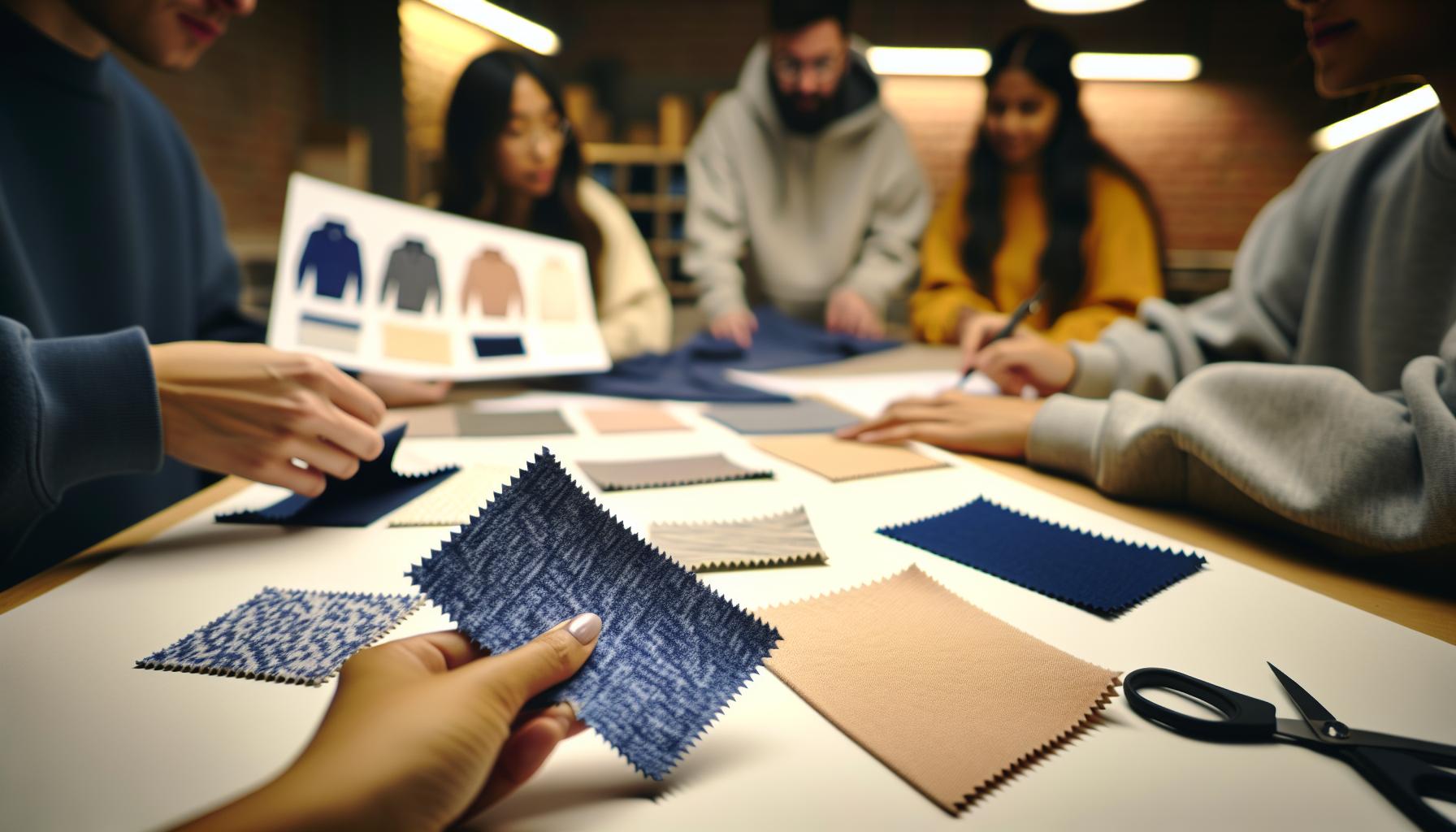
Unpacking the Fabric: Materials Used in Sweatshirts
The materials used in sweatshirts play a crucial role in their comfort, durability, and functionality, reflecting a blend of innovation and tradition that has evolved over decades. Originally crafted from basic cotton fabric, modern sweatshirts now incorporate a variety of materials designed to provide enhanced comfort and performance. The classic French terry often serves as the foundation, featuring looped threads on the inside that absorb moisture and keep wearers cozy during workouts or casual outings.
Common Fabrics Found in Sweatshirts
When shopping for a sweatshirt, it’s helpful to understand the materials you’ll come across:
- Cotton: Known for its softness and breathability, cotton sweatshirts are ideal for everyday comfort. Organic cotton options are increasingly popular, allowing consumers to wear eco-friendly apparel.
- Polyester: This synthetic fabric adds durability and resistance to wrinkling and shrinking. Polyester sweatshirts are often lightweight and moisture-wicking, making them perfect for athletic wear.
- Blends: Many sweatshirts combine both cotton and polyester to leverage the strengths of each material, offering a soft feel along with durability and stretch.
- Fleece: Typically made from brushed polyester, fleece sweatshirts are incredibly warm and soft. They are a go-to choice for layering during colder months.
The variety of materials also allows for diverse styling options. For example, a classic cotton sweatshirt is perfect for layering over a sleek top, while a lightweight polyester blend may be your pick for a morning run. Additionally, the construction of sweatshirts varies, with features like drawstrings, hoods, and pocket placements significantly impacting the overall style and function.
Care Considerations
To maintain your sweatshirt’s look and feel, following proper care instructions is vital. Washing your sweatshirt inside out with cold water helps preserve colors and fabrics, while avoiding fabric softeners can maintain the integrity of moisture-wicking materials. Here are some tips for keeping your favorite sweatshirts in top shape:
- Always check the care label for specific washing instructions.
- Use a gentle detergent to protect the fabric.
- Air dry when possible to avoid shrinkage; if using a dryer, select a low heat setting.
In conclusion, the materials used in sweatshirts not only determine their comfort and style but also influence how they fit into our daily lives. Whether you’re choosing a casual model for lounging or a more technical option for your workouts, understanding the fabric options available empowers you to make informed decisions that marry comfort with personal style.
The Journey of Sweatshirts: From Athletic Wear to Everyday Apparel
The evolution of the sweatshirt reflects not just changes in design and materials, but also a significant cultural shift in how we view athletic wear. Initially designed in the 1920s for athletes-particularly football players-sweatshirts emerged as a practical solution to keep athletes warm during practice and competition. Made from heavy cotton jersey, these garments were functional, offering comfort and insulation, thus earning the name “sweatshirt” due to their use during vigorous activity that induced sweat.
As time progressed, the versatility of sweatshirts began to shine. By the late 20th century, they transitioned from specialized athletic wear to mainstream fashion staples. The rise of streetwear culture in urban areas catalyzed this transformation, as young people embraced the comfort and casual vibe of sweatshirts, pairing them with jeans and sneakers. Iconic figures in music and film helped popularize the sweatshirt, making it an emblem of youth and rebellion. Brands began to incorporate stylish designs-graphic prints, logos, and even luxuriously soft fabrics-which further solidified their place in everyday wardrobes.
Today, the sweatshirt symbolizes more than just casual attire; it represents a blend of comfort and style. Embracing the athleisure trend, the sweatshirt now finds itself in a range of settings, from gym sessions to coffee dates. This adaptability has led to innovations in fabric technology, resulting in moisture-wicking and breathable designs that cater to both active and leisure pursuits. Consumers can choose from a myriad of options-from oversized fits for a laid-back look to tailored cuts suitable for a curated ensemble-showcasing the garment’s versatility and broad appeal.
When shopping for sweatshirts, consider how to style this iconic piece for various occasions. A classic crewneck can easily be dressed up with tailored pants or paired down with joggers, making it suitable for virtually any setting. For DIY enthusiasts, customizing your sweatshirt with tie-dye or embroidery can create a unique piece that reflects your personality. Remember, proper care is crucial-washing inside out in cold water and air drying keeps your sweatshirt looking fresh and prevents premature wear.
In essence, the sweatshirt’s journey from athletic necessity to fashion staple is a testament to its inherent comfort and limitless styling potential. Whether you’re cozying up at home or stepping out in style, this garment continues to adapt to our lifestyles, proving that comfort can indeed go hand in hand with trendiness.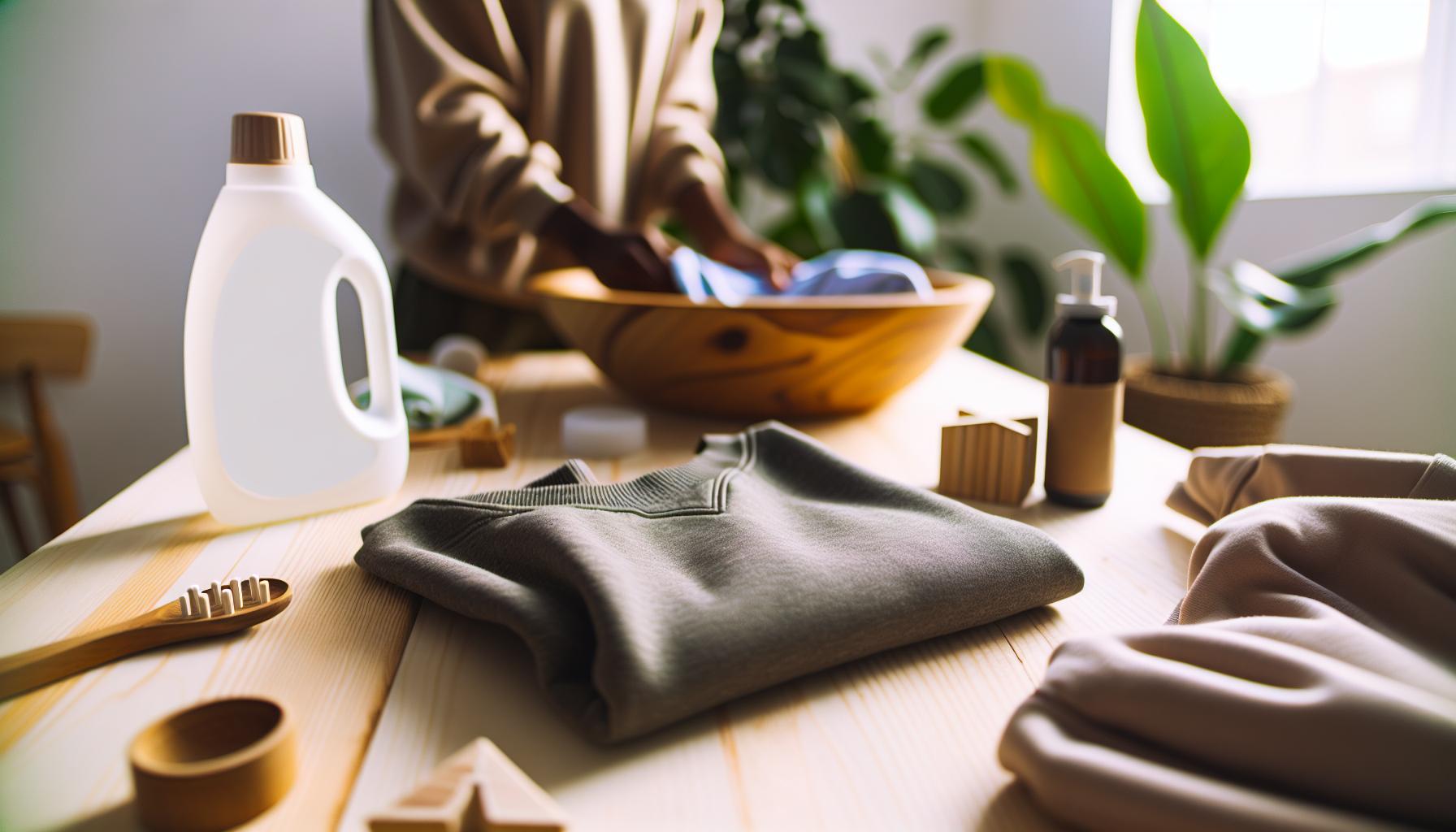
Why “Sweat” Matters: The Science Behind the Name
The term “sweatshirt” evokes images of comfort and casual style, but its origins are rooted deeply in athletic functionality and the human body’s response to exertion. The “sweat” in sweatshirt references the physiological phenomenon that occurs during physical activities. When athletes wear sweatshirts, the heavy cotton fabric and insulating design trap heat generated from their movements, which leads to perspiration. This feature was essential for athletes in the early 20th century who required warm layers to maintain body temperature during outdoor training sessions.
As sweat is produced, it plays a crucial role in thermoregulation-cooling the body down through evaporation. The fabric of basic sweatshirts absorbs moisture, allowing it to wick away from the skin, keeping the wearer comfortable even in exertive circumstances. Over time, innovative fabric technologies have enhanced this functionality. Today’s sweatshirts incorporate moisture-wicking materials and breathable fabrics that continue to serve the same purpose but elevate comfort and performance, blending the line between sportswear and everyday casual attire.
Additionally, the construction of sweatshirts plays a significant part in their utility. Designs often feature cuffs and waistbands that provide a snug fit, preventing cold air from entering while also allowing for ease of movement. This balance between shape and function not only supports athletic performance but also contributes to the casual look we love-making sweatshirts a staple in our wardrobes. While the name highlights their athletic roots, contemporary designs focus on versatility, allowing for a chic appearance regardless of the setting.
The significance of sweat in the context of these garments doesn’t merely lie in their original purpose; it speaks to a broader acceptance of casual wear in daily lifestyles, merging fashion with comfort. As culture evolves, sweatshirts remain uniquely positioned at the intersection of style and practicality, reminding us that our desire for comfort can indeed coexist with our fashion aspirations.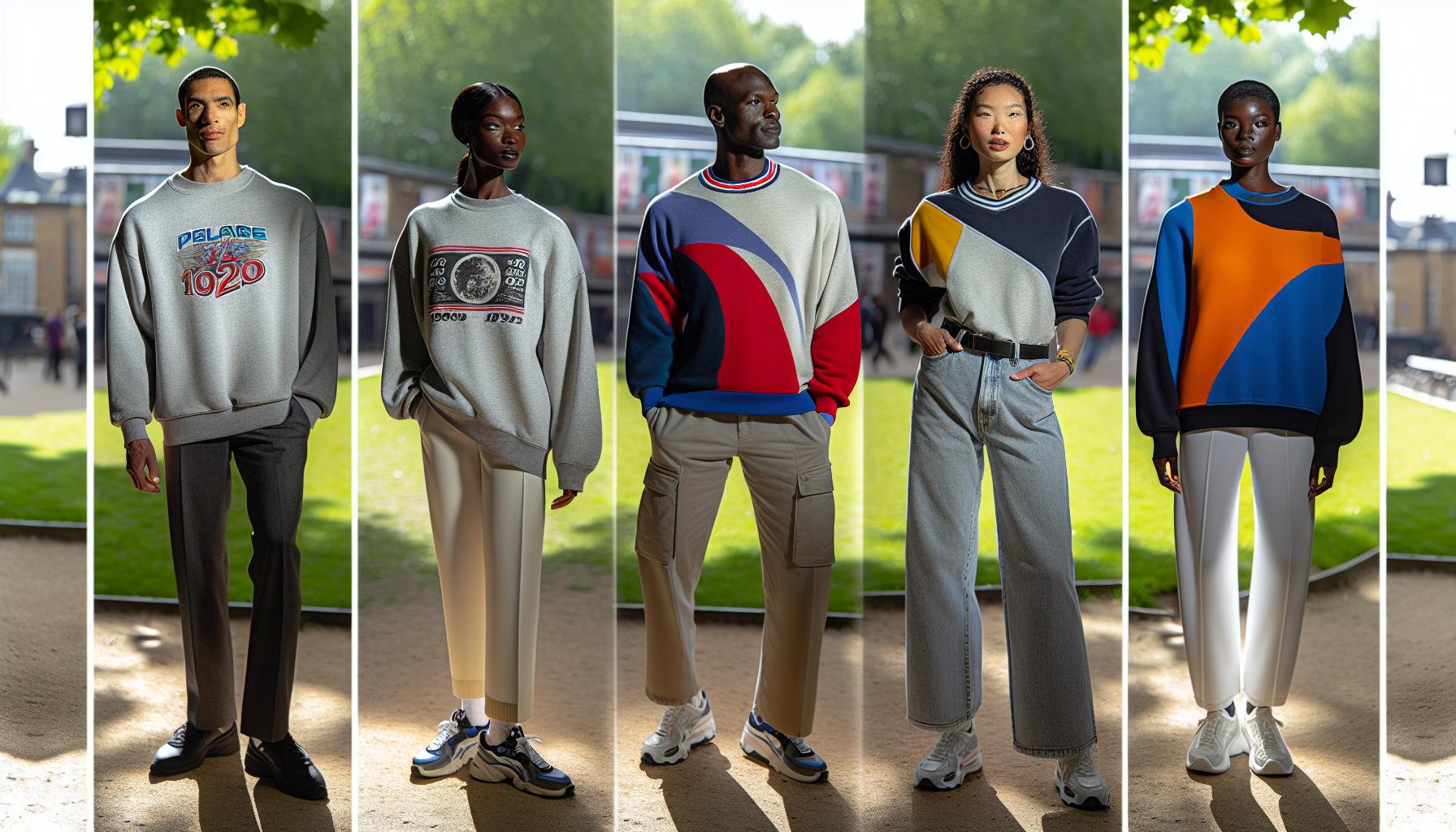
The Evolution of Sweatshirts: Key Milestones Over the Decades
Sweatshirts have undergone a remarkable transformation since their inception, evolving from utilitarian athletic wear to a fashion statement that embodies comfort and style for all ages. The roots of the sweatshirt trace back to the 1920s when French football players needed a lighter, less restrictive garment that could keep them warm without hindering performance. This marked the birth of the “sweatshirt,” a term derived from its ability to absorb and manage sweat during intense physical activity. Over the decades, this humble garment has firmly established itself not just in sports, but in everyday fashion.
In the 1930s, the sweatshirt made its way into American culture, largely thanks to the rise of colleges and universities championing athletic programs. Schools began to print their names and logos on sweatshirts, turning them into a symbol of school spirit. The ‘letterman’ sweatshirts became particularly popular among students. By the 1960s and 70s, counterculture movements adopted the sweatshirt as part of their uniform, further solidifying its status in the fashion world. This decade also saw the introduction of the hooded sweatshirt, often called the “hoodie,” which resonated with youth and became synonymous with rebellion and individuality.
Fast forward to the 1990s, when the hip-hop culture exploded onto the scene, embracing oversized sweatshirts as a staple of street style. Brands like Champion and Adidas began designing sweatshirts that merged both comfort and urban flair. This period not only advanced sweatshirt design but also expanded material options, introducing fleece and synthetic blends that offered new textures and performance capabilities.
Today, sweatshirts continue to evolve, reflecting both high fashion and casual wear trends. Designers have ventured into luxury renditions, incorporating embellishments, tailored fits, and avant-garde designs. The rise of athleisure has also played a crucial role in the resurgence of sweatshirts, promoting them as acceptable attire beyond the gym. Crafting your own style has never been easier, with endless possibilities for customization-such as DIY tie-dye and embroidery-allowing individuals to express their unique personality.
Understanding the rich history and cultural significance of sweatshirts can empower you to appreciate this versatile garment even more. Whether you’re layering it for a casual outing or dressing it up for a night out, knowing its evolution enhances your styling options while ensuring you’re part of a larger narrative celebrating comfort, identity, and self-expression.
Styling Your Sweatshirt: Tips for Every Occasion
The versatility of sweatshirts makes them an essential piece in any wardrobe, whether you’re dressing for a casual day out or a cozy night in. With the right styling, this once purely athletic garment can effortlessly transition from lounge wear to chic fashion statement. To elevate your sweatshirt game, consider experimenting with layering, accessories, and shoe choices to suit various occasions.
When aiming for a laid-back vibe, pair your sweatshirt with classic joggers or high-waisted jeans. This combination not only emphasizes comfort but also keeps the outfit looking polished. To add a touch of sophistication, layer with a tailored blazer or a longline cardigan. For a fun and sporty look, try matching your sweatshirt with chic sneakers or ankle boots. Don’t shy away from accessories; a statement necklace or a vibrant scarf can breathe fresh life into your outfit.
For those slightly dressier occasions, opt for a structured sweatshirt that features unique designs or embellishments. Pair it with a tailored skirt or sleek trousers, and finish the look with ankle boots or loafers. This approach allows you to maintain comfort while showcasing a fashionable edge. If you’re darting from day to night, consider a hooded sweatshirt with a streamlined silhouette that can easily transition under a casual jacket.
To personalize your style, don’t forget about DIY options! Customizing your sweatshirt with tie-dye techniques or simple embroidery can make your piece truly one of a kind. Not only will you enjoy a unique garment, but the process itself can be a fulfilling creative outlet. Additionally, knowing how to properly care for your sweatshirt-such as washing it inside out and avoiding fabric softeners-will help maintain its shape and color, ensuring it remains a staple in your wardrobe for years to come.
Overall, sweatshirts have come a long way from their humble athletic origins. They now represent a blend of comfort and fashion, allowing you to express your personal style effortlessly. Whether going for a sporty look or dressing up for an evening out, the key is to experiment and find what works best for you. Embrace the journey of styling, and let your creativity shine through!
DIY Customizations: Personalize Your Sweatshirt
Sweatshirts are not just comfortable staples in our wardrobes; they also offer endless opportunities for personalization that reflects your unique style. Customizing your sweatshirt can transform a basic garment into a statement piece, allowing you to express your creativity and personal flair. Whether you’re looking to bring a touch of artistry or simply make a garment that better suits your personality, DIY customizations can enrich the experience of your sweatshirt in ways you might not have imagined.
One of the most popular methods to personalize your sweatshirt is through tie-dye. This fun and colorful technique is as straightforward as it is enjoyable. Simply pick your favorite colors, rubber bands, and a spray bottle filled with water. The process starts with twisting or folding your sweatshirt to create different patterns and securing it with rubber bands. Then, apply dye in areas you desire, following the instructions provided with your dye kit. Once it’s been dyed and allowed to set, rinse it out in cold water and let it dry to reveal a unique masterpiece! This is a great way to breathe new life into a plain or faded sweatshirt.
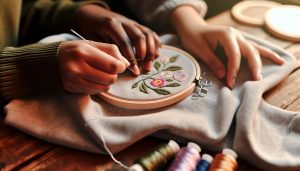
Embroidery is another personalized touch that can elevate your sweatshirt from casual to chic. All you need is some embroidery thread, a needle, and a bit of creativity! Start by sketching your design on paper. Choose a spot on your sweatshirt that feels appealing – perhaps on the sleeve or in the center. Carefully pierce the fabric with the needle, pulling the thread through to create your design. You can opt for simple letters, shapes, or intricate patterns. This method not only personalizes your garment but also gives it a handcrafted appeal, making it feel truly one-of-a-kind.
To keep your customized sweatshirt looking fresh, washing and care are important. Turn your sweatshirt inside out before washing to protect your designs, especially if you’ve incorporated fabric paint or embroidery. Use cold water and mild detergent to maintain the integrity of your materials. Avoid fabric softeners, as they can affect the vibrancy of colors and the overall feel of the fabric. For safe drying, hang your sweatshirt instead of using a dryer, which will help to prevent shrinkage and damage.
By personalizing your sweatshirt, you not only create a piece that resonates with your individual style but also engage in a rewarding creative activity. Whether you choose tie-dye or embroidery, the result will be a heartfelt addition to your wardrobe that tells a story and showcases your artistic side. So grab your supplies and let your imagination soar-the possibilities are endless!
Caring for Your Sweatshirt: Washing and Maintenance Tips
Caring for your sweatshirt isn’t just about keeping it clean-it’s about preserving the comfort and style that makes it a beloved wardrobe staple. Whether you’ve chosen a classic pullover or a trendy cropped style, understanding how to wash and maintain your sweatshirt can extend its life and keep it looking fresh.
First off, always check the care label on your sweatshirt for specific washing instructions. However, as a general rule, washing in cold water is ideal. Cold water helps to prevent fading and shrinkage, ensuring that your favorite hoodie retains its fit and color. Turn your sweatshirt inside out before washing to protect any customizations like prints or embroidery. Use a mild detergent and avoid bleach to maintain the fabric’s integrity and color vibrancy. For the best results, skip fabric softeners as they can create a waxy build-up, affecting both the look and feel of your sweatshirt.
Drying your sweatshirt properly is equally crucial. Air drying is your best bet to avoid shrinkage and damage. Simply hang it up or lay it flat on a clean surface. If you must use a dryer, opt for a low heat setting, but be aware that this can still lead to slight shrinkage and may wear out your sweatshirt fabric more quickly. Ensure that your sweatshirt is completely dry before putting it away to avoid musty odors and mildew.
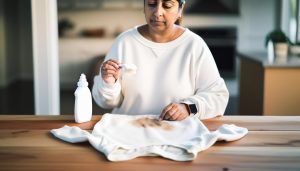
Finally, if you do happen to encounter stains, prompt action is key. Dab the stain gently with cold water and a mild detergent, and allow it to sit for about 5-10 minutes before rinsing. If the stain persists, consider using a specialized stain remover, but always test it on a hidden area first. By following these simple care and maintenance tips, you can keep your sweatshirt looking vibrant and cozy for years to come, allowing you to enjoy both its comfort and cultural significance in your everyday wardrobe.
Stain Removal Techniques: Keep Your Sweatshirt Looking Fresh
Sweatshirts boast a rich history and an unparalleled level of comfort, but nothing spoils that cozy vibe like a stubborn stain. Fortunately, with a few strategic techniques up your sleeve, you can keep your favorite hoodie looking fresh and ready for any casual outing. The key to effectively tackling stains lies in swift action and the right approach based on the type of stain you’re dealing with.
For routine spills, like coffee or juice, gently blot the stain with a clean cloth, absorbing as much liquid as possible without rubbing, which could spread the stain further. Follow this up with a solution of cold water and mild detergent. Apply the mixture directly to the stain and let it sit for about five minutes before rinsing thoroughly. This method works wonders for organic stains and will help maintain the fabric’s integrity. Here’s a quick guide for some common stains you might encounter:
- Grease: Sprinkle baking soda on the stain to absorb the oil, let it sit for at least 10 minutes, then brush off and wash as normal.
- Ink: Apply rubbing alcohol to the stain using a cotton ball, letting it soak in for about five minutes before rinsing.
- Food: Scrape off any excess and treat with a mixture of vinegar and water before washing.
After treating a stain, always check if it has been fully removed before putting your sweatshirt in the dryer, as heat can set the stain, making it nearly impossible to remove later. If a stain persists after washing, don’t hesitate to use a specialized stain remover, testing it first on a hidden area to ensure it won’t harm the fabric.
Remember, preventative measures can keep your sweatshirts in top shape. Consider wearing an apron while eating to shield your favorite hoodie from spills. Additionally, routine deep cleaning-like soaking and washing-can help combat the gradual buildup of stains from regular wear. By being proactive and employing these simple techniques, your sweatshirt can continue to be a stylish and comfortable wardrobe staple for years to come, all while celebrating its fascinating origin story.
Creative Projects: Tie-Dye and Embroidery for Sweatshirts
Transforming a plain sweatshirt into a personalized masterpiece is not only an expressive form of creativity but also a celebration of the garment’s storied past. The comfort and versatility of the sweatshirt have inspired countless DIY projects, with tie-dye and embroidery leading the charge. These trendy techniques enable you to reclaim your wardrobe while paying homage to the sweatshirt’s evolution from athletic wear to fashion staple.
Tie-dyeing is a fun and accessible project that allows you to infuse vibrant hues and unique patterns into your hoodie. The process begins with selecting your dye-a variety of colors are available in craft stores. Next, choose your desired style-spirals, stripes, or even splatter. To achieve a successful tie-dye effect, wet the sweatshirt first, then twist, fold, or bind sections with rubber bands or string to create patterns. Apply the dye on covered areas, let it soak, and then rinse. Afterward, wash your sweatshirt separately to ensure all excess dye is removed, preserving your other garments. The result? A one-of-a-kind piece that reflects your personality.
Embroider Your Expression
Beyond tie-dye, embroidery offers a sophisticated touch to your sweatshirt. This method allows you to create intricate designs, personalized names, or even meaningful quotes. Start by selecting an embroidery kit that matches your skill level. Beginners might find pre-made patches a great choice-simply iron or sew them onto your sweatshirt. For those looking to dive deeper, consider hand-embroidery techniques. Use a simple backstitch to outline your designs, and include vibrant threads for visual impact.
Tips for effective embroidery include choosing fabrics that are sturdy enough to handle stitching, ensuring your needle and thread are appropriate for the fabric type, and using a stabilizer if you encounter stretchy materials. Once you’re done, gently wash your sweatshirt inside out to protect your embroidery work, allowing it to stand out beautifully while maintaining the fabric’s integrity.
By engaging in creative projects like tie-dye and embroidery, you not only enhance your sweatshirt but also connect with its cultural significance. Each stitch and splash of color speaks to the journey of this beloved garment, from its origins in sportswear to its place in contemporary fashion. Whether you wear it while lounging at home or on a casual outing, a customized sweatshirt becomes a canvas for your individuality and a piece of art that tells your story.
Sizing and Fit: A Guide to Choosing the Right Sweatshirt
The right fit can make all the difference in how you feel and look in a sweatshirt. Choosing the perfect sweatshirt involves understanding both your body type and the style you’re going for, especially considering the journey this garment has taken from functional athletic wear to a beloved everyday staple. This highly versatile piece is designed for comfort, but to really elevate your hoodie game, it helps to know the ins and outs of sizing and fit.
When selecting a sweatshirt, start by considering the style you have in mind. For classic looks, a standard cut may suffice, but many contemporary designs offer a snug or oversized fit. Here’s a quick breakdown of fit styles and their characteristics:
- Classic Fit: A traditional silhouette that is neither too tight nor too loose, offering a relaxed but polished look.
- Oversized Fit: This modern trend provides ample room and a bold statement, perfect for layering or a streetwear aesthetic.
- Fitted: Tailored to hug the body, this style works well for a more athletic look or under layering pieces.
It’s also crucial to check the sizing chart provided by each brand, as measurements can fluctuate. Most brands will provide chest width, body length, and sleeve length. Measure your body accurately to align with these dimensions:
| Measurement | How to Measure |
|---|---|
| Chest Width | Measure around the fullest part of your chest, keeping the tape snug but not tight. |
| Body Length | Measure from the highest point of the shoulder down to where you want the sweatshirt to end. |
| Sleeve Length | Measure from the center back of your neck, over the shoulder, and down to your wrist. |
Aside from measurements, think about how you plan to wear your sweatshirt. If you enjoy layering, a looser fit or size up could add comfort, especially with long-sleeve tees or jackets underneath. On the flip side, if you prefer a streamlined silhouette for casual outings or workouts, opt for a more fitted design that won’t add unnecessary bulk.
In terms of fabric and construction, pay attention to the blend of materials since cotton-polyester mixes can affect stretch and drape. Be sure to also consider the presence of elements like drawstrings or ribbed cuffs, which can also influence fit and comfort. Ultimately, choosing the right sweatshirt is not just about size; it’s about finding a piece that reflects your personal style while delivering comfort and versatility, allowing you to celebrate the rich history of this quintessential garment.
The Economic Impact of Sweatshirts: Trends and Sales Insights
The humble sweatshirt, born from the need for functional athletic wear, has dramatically transformed into a fashion icon, influencing diverse markets and consumer habits. The evolution of sweatshirts reflects broader trends in lifestyle, comfort, and self-expression, making their economic impact substantial. As the demand for casual wear has surged, particularly in the wake of the global pandemic, sweatshirts have emerged as staples in contemporary wardrobes, leading to increased sales and varied market dynamics. The U.S. sweatshirt market alone is projected to reach billions in revenue, highlighting its role as a lucrative segment in the apparel industry.
- Shift to Casual Wear: Comfort-driven fashion has led to a consistent rise in sales for sweatshirts, with consumers favoring relaxed styles that blend seamlessly with remote work environments and casual outings.
- Diversity in Designs: Brands are capitalizing on the versatility of sweatshirts, launching lines that include oversized, cropped, and embellished options, catering to various demographics and personal styles.
- Sustainable Trends: An increasing consumer emphasis on sustainability has prompted brands to explore eco-friendly materials and production processes, appealing to environmentally conscious shoppers.
To make the most of this economic upswing, brands have embraced collaborations with artists and influencers, leading to limited-edition drops that create hype and urgency. Customized sweatshirts, often adorned with personal touches like tie-dye or embroidery, appeal to a younger demographic that values individuality and self-expression. Furthermore, the rise of e-commerce platforms has facilitated easy access to a wide array of sweatshirt options, expanding consumer choice and driving competition among brands.
When it comes to caring for these versatile pieces, proper maintenance not only extends their lifespan but also allows them to retain their appeal in an ever-competitive market. Regular washing with cold water and line drying can prevent shrinkage, while addressing stains promptly with gentle stain removers ensures they stay fresh. As sweatshirts continue to hold sway in the fashion world, understanding their economic significance alongside consumer preferences and maintenance strategies can lead to informed buying decisions and a more personalized style experience.
Faq
Q: Why is it called a sweatshirt?
A: The term “sweatshirt” derives from its original function as a garment designed for physical activity, which absorbs sweat. The soft, insulated fabric, typically cotton or a cotton blend, provides comfort while keeping the body warm during exercise.
Q: Who invented the sweatshirt?
A: The sweatshirt was invented in the 1920s by American garment worker Benjamin Russell Jr. He created it as a practical clothing option for athletes, paving the way for its popularity as casual wear and a fashion staple.
Q: What are the historical roots of the sweatshirt?
A: Sweatshirts emerged in the athletic wear sector, initially worn by football players. Over time, they transitioned into everyday fashion, influencing streetwear and representing comfort in casual attire across generations.
Q: How did sweatshirts become a fashion statement?
A: Sweatshirts gained fashion prominence in the 1980s with the rise of hip-hop culture and celebrities donning oversized styles. This shift redefined the sweatshirt’s image from purely athletic wear to a widely accepted casual attire.
Q: What materials are commonly used in hoodies and sweatshirts?
A: Sweatshirts are primarily made from cotton or cotton blends, providing softness and breathability. Some variants incorporate polyester for durability and moisture-wicking properties, appealing to both casual wearers and athletes.
Q: Can you customize a sweatshirt, and how?
A: Yes, sweatshirts can be customized through methods like tie-dyeing, embroidery, or adding patches. These DIY projects allow you to express personal style while rejuvenating an old favorite.
Q: What are popular styles of sweatshirts?
A: Popular sweatshirt styles include crewneck, hooded, and cropped designs. Each offers unique aesthetics and functionality, catering to various fashion preferences and occasions.
Q: How should I care for my sweatshirt?
A: To maintain your sweatshirt, wash it inside out in cold water and avoid bleach. Tumble dry on low or hang dry to preserve fabric integrity and design. For additional tips, refer to the “Caring for Your Sweatshirt” section in our article.
Feel free to explore more about styling, caring, or DIY tips for sweatshirts to enhance your wardrobe!
Closing Remarks
As we uncover the captivating history behind why it’s called a sweatshirt, remember that this cozy staple is not just about warmth-it’s about style and self-expression. Whether you’re looking to master care guides, dive into DIY customization, or explore trendy styling tips, our comprehensive resources are here to support you. Feeling inspired? Share your thoughts in the comments below and connect with fellow hoodie lovers!
Don’t miss out on our detailed articles on hoodie care and the art of tie-dyeing, available just a click away. Plus, subscribe to our newsletter for exclusive tips, tricks, and style advice that keep you ahead in hoodie culture. Embrace your unique hoodie journey-let’s celebrate comfort together!