Did you know that the humble sweatshirt has evolved from a simple athletic garment to a fashionable staple in closets around the world? Crafting your own sweatshirt not only allows you to personalize your style but also taps into the growing trend of sustainable fashion. In this “How to Make Your Own Sweatshirt: Design to Finish Tutorial,” we’ll guide you through each step of creating a custom hoodie that reflects your unique personality. Whether you want to try your hand at DIY customization, learn about fabric selection, or explore fun techniques like tie-dye and embroidery, this tutorial has you covered. By the end, you’ll not only have a cozy wardrobe essential but also the skills to care for it, ensuring it stays stylish for years. Ready to unleash your creativity? Let’s dive in and turn your vision into a reality!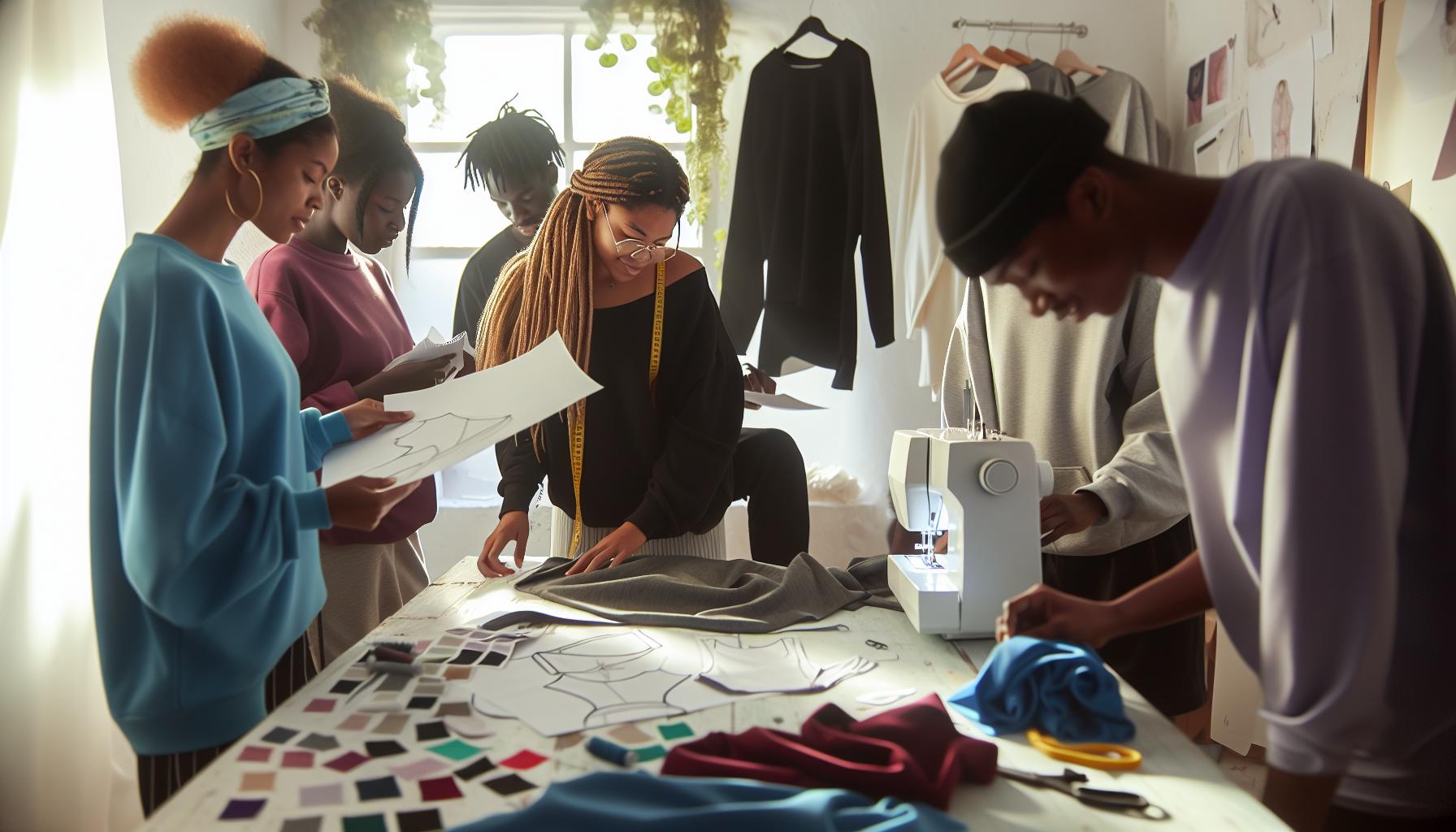
Choosing the Right Fabric for Your Sweatshirt
is a crucial step that can make or break your DIY project. Think of it as the foundation of a cozy and stylish creation. The fabric you choose impacts not only the look but also the comfort and durability of your final piece. Popular fabrics for sweatshirts include fleece, French terry, and cotton blends, each offering unique benefits that cater to different styles and uses.
When selecting your fabric, consider the following factors:
- Weight and Warmth: Heavier fabrics like fleece provide excellent warmth, making them ideal for colder climates. In contrast, lighter fabrics such as French terry are perfect for layering or for milder weather.
- Texture: Soft, brushed fabrics enhance the comfort of your sweatshirt. Look for materials that are gentle against your skin, especially if you plan on wearing your hoodie for extended periods.
- Stretch: Fabrics with some spandex or elastane allow for better movement and a snug fit, particularly important around the cuffs and the waistband.
- Washability: Cotton blends are generally easy to care for, but always check for washing instructions before finalizing your fabric choice. A fabric that can withstand frequent washing without losing shape or color will serve you better in the long run.
For vibrant styles, consider fabric with prints or colors that resonate with your personality. Additionally, don’t hesitate to explore sustainable options like organic cotton or recycled polyester, contributing to eco-friendly practices while crafting your unique sweatshirt. By thoughtfully selecting your fabric, you’ll set the stage for a cozy, stylish, and long-lasting wardrobe staple that reflects your personal flair.
Essential Tools for Making a Sweatshirt
Creating your very own sweatshirt can be an incredibly rewarding experience. Whether you’re looking to express your unique style or simply enjoy the cozy comfort of a homemade hoodie, having the right tools will make all the difference in ensuring your project is a success.
One essential item for making a sweatshirt is a sewing machine. A standard machine with a zigzag stitch option is sufficient; however, if you can access a serger, it will give your seams a professional finish while allowing for more stretch. Alongside your machine, you’ll need fabric scissors that are sharp enough to cut through multiple layers of fabric. Keeping a pair of small scissors or snips handy for cutting threads can also speed up your sewing process.
Measuring and cutting accurately is crucial, so invest in a good measuring tape and ruler for precise markings. Pins or fabric clips will help hold your layers together as you sew. If you plan to add details such as pockets or drawstrings, having a fabric marking tool (like a fabric pen or chalk) will help you note where these should go without leaving permanent marks on your fabric.
Lastly, don’t forget about notions like elastic for your cuffs or waistband, drawstrings, and any embellishments you might want-think fun buttons for a hoodie or patches that reflect your personality. These small extras can elevate your sweatshirt from simple to standout!
By gathering these essential tools beforehand, you’ll set yourself up for a smooth and enjoyable sewing experience. Now, you’re ready to jump into the creative process of making a sweatshirt that’s truly your own!
Step-by-Step Guide to Designing Your Hoodie
Designing your own hoodie is an exciting canvas for personal expression and creativity! The process allows you to create a garment that perfectly reflects your style, ensuring it’s as unique as you are. The first step in the design process is to gather inspiration. Consider browsing fashion websites, social media platforms like Instagram or Pinterest, or even vintage stores for ideas. Take note of elements that catch your eye-whether it’s a particular color palette, graphic designs, or the overall silhouette of the hoodie.
Once you have a vision, sketching it out can help you visualize your design. Start with a basic outline of the hoodie, then layer in your chosen details, such as pockets, the placement of drawstrings, and any graphic prints or text. Remember to consider the functionality of your design; think about how you want your hoodie to fit and how you’d like it to be worn. You might want a relaxed fit for lounging around or a more fitted look for outings.
Next, it’s time to choose your colors and fabric. The fabric you select can impact not just the look but also the feel and functionality of your hoodie. Consider soft, breathable materials like cotton blends for a comfortable wear, and remember that darker colors are fantastic for hiding stains, while lighter shades might require more maintenance in terms of care. Once you finalize your fabric choice, make sure to pre-wash it to prevent any shrinking after you’ve sewn it together.
During this process, incorporating technical details like the size and type of drawstrings will elevate your design. Decide if you want elastic cuffs or a straight hem, and choose whether your hoodie will have a kangaroo pocket or side pockets for added practicality. Each element you choose should reflect not only your aesthetic but also your comfort needs and lifestyle. With these considerations in play, you’ll be well on your way to creating a standout hoodie that you’ll love to wear!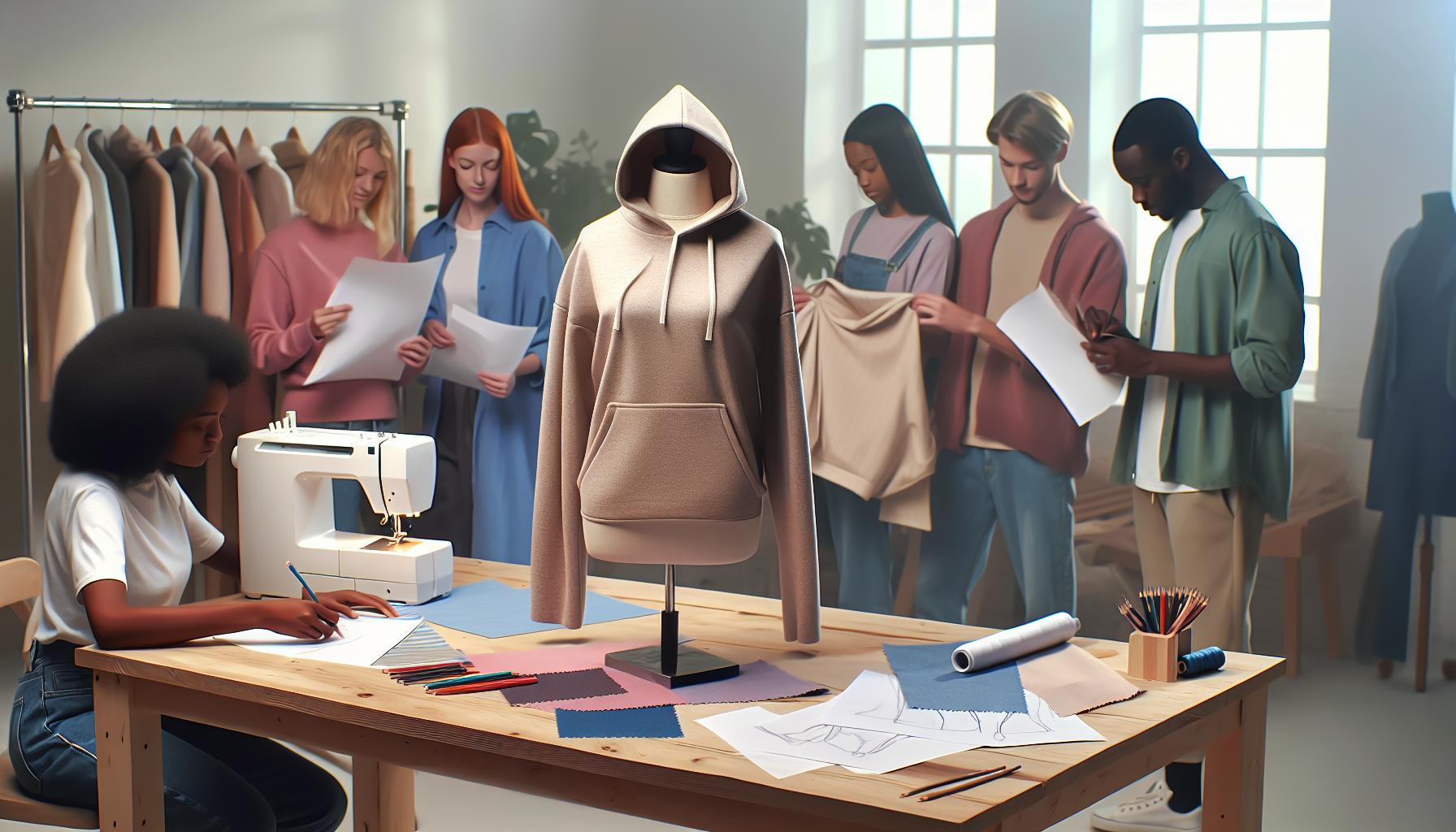
Cutting Patterns: Tips for Precision
When it comes to crafting your very own sweatshirt, precision in cutting patterns is crucial for achieving a polished final product. A single misstep in cutting can lead to uneven seams or misalignments that might compromise the overall fit and appearance of your garment. To avoid these pitfalls, take your time during the pattern cutting process, ensuring that every piece aligns perfectly with your design vision.
First and foremost, utilize quality materials for your patterns. Whether you opt for commercial pattern paper or create your own templates from sturdy paper, ensure they are durable enough to withstand multiple uses. When laying out your pattern pieces, use a large, flat surface to maintain order and visibility. Pin or weigh down the pattern pieces to prevent them from shifting while you cut. This ensures your cuts are accurate and uniform, which is particularly important around curves and corners.
Measuring and Marking
Accurate measurements are the backbone of precision cutting. Always take the time to re-measure your fabric and compare it against your pattern dimensions. A reliable tape measure is indispensable here. Once your measurements are confirmed, use tailors’ chalk or fabric markers to clearly trace the outline of each pattern piece onto your fabric. Remember, it’s better to use a cutting mat and rotary cutter for straight lines, while a sharp pair of fabric scissors can help manage intricate details and curves cleanly.
Strategies for Successful Cutting
Implementing a few strategic practices can significantly enhance your cutting precision:
- Cut in a single layer: For complex patterns, consider cutting in a single layer rather than folding the fabric. This approach minimizes the risk of inaccuracies caused by fabric slippage.
- Utilize a cutting guide: For long straight cuts, guiding your scissors or rotary cutter along a ruler can ensure a clean edge.
- Pause regularly: Stop to double-check your progress frequently. Not only does this help confirm you’re on track, but it can also catch any mistakes before they become more complex to resolve.
With these tips in hand, you’ll be well-equipped to tackle the cutting phase of your sweatshirt project, setting the stage for sewing success and a beautifully crafted piece that reflects your unique style!
Sewing Techniques for a Professional Finish
Sewing a sweatshirt is not just about putting it together; it’s about mastering techniques that make your creation look professional and stand out with style. Whether you’re a beginner or have some sewing experience, honing your sewing skills is essential for achieving a polished finish that rivals store-bought garments. One of the first things to consider is your choice of stitches. For a sweatshirt, a stretch stitch or a zigzag stitch will allow the seams to stretch without breaking, which is crucial for the comfort and fit of the final piece.
Another key aspect is the alignment and pinning of your pieces. Always pin your fabric panels together prior to sewing to ensure they stay aligned. This simple step can prevent distortion and uneven seams during the sewing process. As you sew, use a slightly longer stitch length for the seams to enhance flexibility and comfort in the finished sweatshirt; usually, a stitch length of 3-4 mm is ideal. Focus on sewing straight, even seams by maintaining a consistent distance from the edge of your fabric. Using a sewing foot guide can help keep your seam allowance uniform, contributing to a cleaner, more professional look.
Finishing Techniques
Once you’ve sewn the primary seams, finish the raw edges to prevent fraying. Depending on your sewing machine, you can use an overlock stitch or a zigzag stitch along the edges. If you want an extra touch, consider adding bias tape or fabric binding for a neat and polished interior look. Don’t forget about topstitching! A simple line of stitching on the right side of the fabric, parallel to the seam, not only reinforces the seam but can also add an attractive detail to your sweatshirt.
Considerations for Drawstrings and Hoods
If your sweatshirt design includes a hood or drawstrings, it’s essential to pay attention to these details during construction. When creating a hood, ensure that the seams are curved smoothly and are well-defined, giving the hood an attractive shape. For drawstrings, using a fabric that complements your sweatshirt can add a creative flair. Make sure to secure the ends properly to avoid fraying, and consider using a toggle lock for easy adjustments.
Embrace the opportunity to personalize your creation further! Adding unique touches, like contrasting fabric for the inner hood or embroidered logos, can set your sweatshirt apart. Remember, the beauty of crafting your own sweatshirt is in making it truly yours, ensuring it provides not just warmth but also a statement of your style!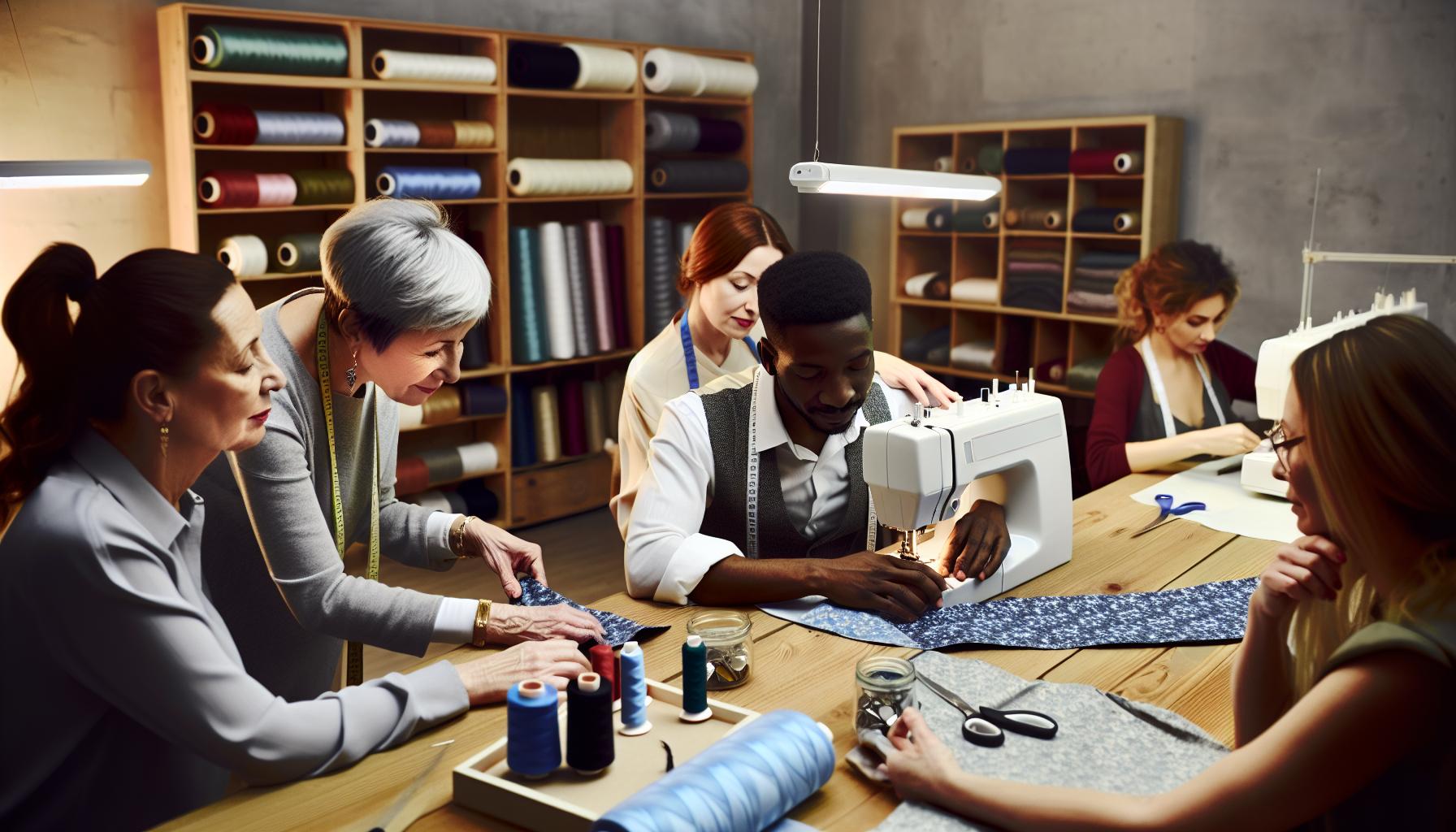
Adding Drawstrings and Other Details
Adding drawstrings to your sweatshirt not only elevates its visual appeal but also enhances functionality. When thoughtfully integrated, drawstrings can provide adjustable comfort, making your sweatshirt universally adaptable for various occasions. Whether you prefer a snug fit or a relaxed style, customizing the drawstrings can make all the difference.
To start, choose a fabric for your drawstrings that complements or contrasts beautifully with your main sweatshirt fabric. Popular choices include twill, cotton, or even a stretchy material for added comfort. Cut your drawstring to the desired length-usually around 4-6 feet is adequate for most hoods. After cutting, fold the fabric lengthwise and sew along the edge to create a tube, which can give the drawstring a polished look. For a professional finish, consider using a drawstring casing that allows the drawstring to slide smoothly.
In addition to drawstrings, embellishing your sweatshirt with additional details can truly set your creation apart. Think about adding functional elements like a front pocket or thumbholes at the cuffs. You might also explore decorative options such as contrasting stitching or embroidery. A simple, embroidered logo or pattern on the hood can add personality and make your sweatshirt unique.
When it comes to caring for your embellished sweatshirt, gentle washing is key to maintaining its integrity. Turn it inside out before tossing it in the washing machine to protect the surface details, and use cold water with a mild detergent. For stain removal, always treat spots promptly with a gentle stain remover, testing it on an inconspicuous area first to avoid discoloration. Embrace the nostalgia and culture that sweatshirts embody while ensuring your DIY piece remains vibrant and stylish for years to come.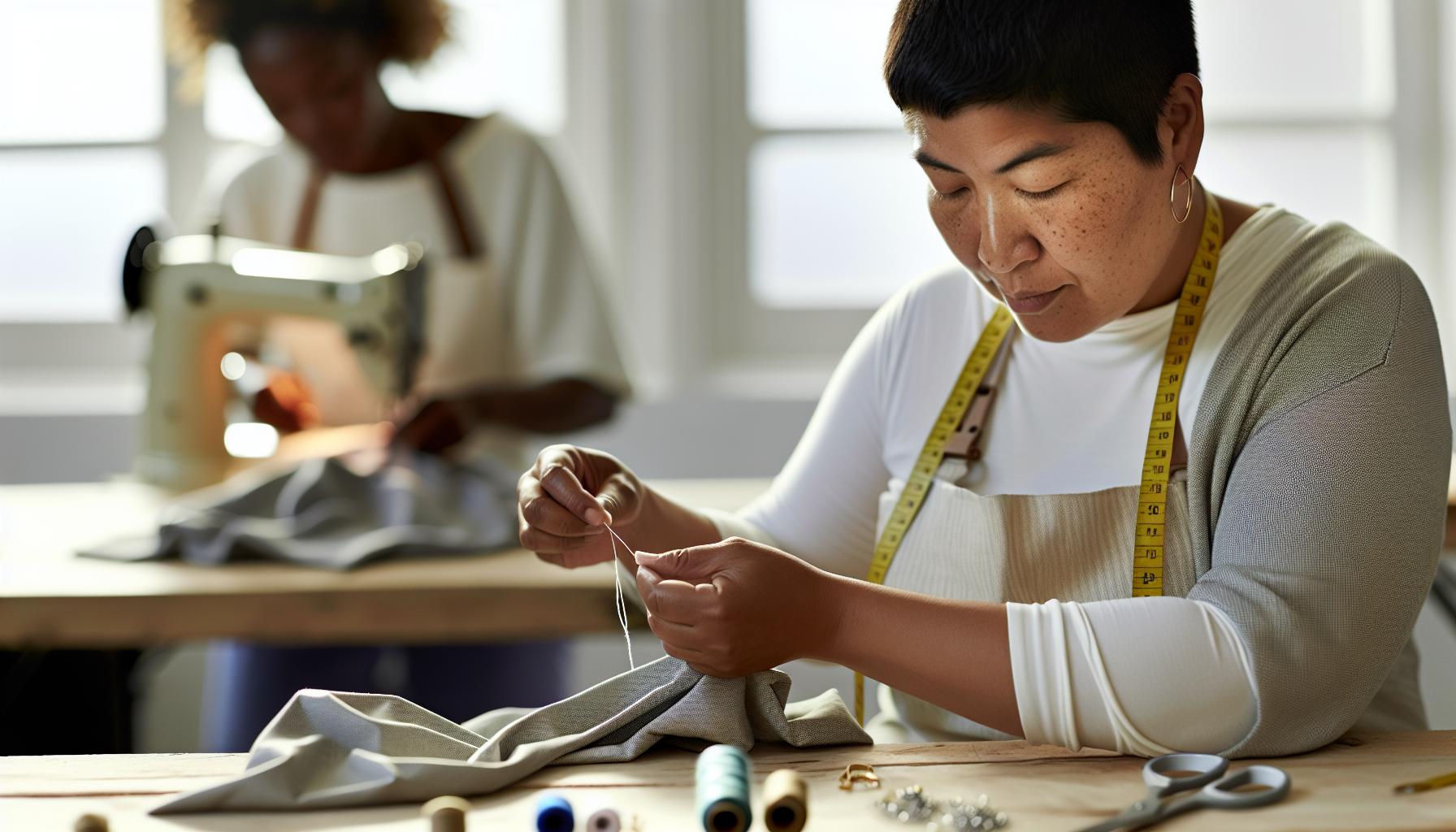
Creative Customization: Tie-Dye and Embroidery Ideas
There’s nothing quite like the thrill of transforming a simple sweatshirt into a true reflection of your personality through customization. Embracing the arts of tie-dye and embroidery not only brings a splash of color and flair to your favorite comfy wear but also showcases your creativity. Let’s explore some vibrant ideas to invigorate your DIY hoodie project and make it truly unique!
Start with tie-dye, a classic method that’s as easy as it is fun. Gather your supplies: a plain sweatshirt, fabric dye, rubber bands, and gloves. The beauty of tie-dye is in its spontaneity; you can create patterns like spirals, stripes, or even abstract swirls. To achieve the spirals, pinch the center of your sweatshirt and twist it to form a coil, securing segments with rubber bands. Then, apply different dye colors to various sections for a striking effect. Let your design set according to the dye instructions, and when you rinse it out, you’ll unveil a one-of-a-kind masterpiece that rocks the vibrant energy of the ’70s and modern indie culture alike!
Next, let’s elevate your hoodie with the art of embroidery. This method adds a touch of sophistication and personalization. Start small-your initials or a favorite symbol can serve as an excellent starter project. Use embroidery floss or thread and a basic needle; you can opt for hand stitching or a sewing machine if you’re more comfortable. Explore various stitches like satin, chain, or backstitch to create depth. For a trendy look, consider adding a floral motif on one sleeve or a witty phrase across the front. These subtle yet impactful details can make your sweatshirt feel like a designer piece!
Don’t forget to care for your newly customized hoodie! Always wash your sweatshirt inside out on a gentle cycle to protect the colors and designs. For stain removal, treat stains immediately with a non-bleach stain remover and wash promptly to preserve the vibrancy of your tie-dye or embroidery. Embrace these processes as part of your style journey, and wear your sweatshirt not just as clothing, but as a canvas of creativity and individuality!
How to Care for Your Sweatshirt Properly
There’s nothing worse than putting on your freshly customized sweatshirt only to find that it has lost its charm after a few washes. Keeping your hoodie looking vibrant and cozy is key to maintaining its unique personality. Here’s how to ensure your work of art remains a staple in your wardrobe for years to come!
To begin with, washing your sweatshirt properly is crucial. Always wash it inside out on a gentle cycle in cold water. This protects the printed designs, tie-dye effects, or any embroidery you’ve painstakingly applied. Using a mild detergent without bleach will also help maintain the fabric and colors. With darker colors, it’s advisable to wash with like colors to prevent any bleeding that could dull the hues of your design.
Stain Management
When it comes to stains-a common occurrence in any comfy wear-timely treatment is essential. Here are some effective stain removal tips:
- Act Fast: Treat stains immediately to avoid setting. Blot the area with a clean cloth to absorb excess liquid before applying a stain remover.
- Choose Wisely: Use a non-bleach stain remover or a gentle laundry detergent for best results.
- Test First: Always do a patch test on a hidden area of fabric to ensure that no discoloration occurs.
After treating a stain, wash the sweatshirt as previously mentioned, and double-check that the stain is completely gone before drying. Heat can set a stain, making it nearly impossible to remove.
Drying and Storing
Drying your hoodie properly is just as important as washing it. To avoid the wear and tear of a tumble dryer, which can lead to shrinkage and distortions, consider air drying. Hang your sweatshirt or lay it flat on a clean surface, away from direct sunlight to prevent fading. If you choose to use a dryer, select a low heat setting and remove your hoodie while slightly damp to reduce any potential shrinkage.
Finally, store your sweatshirt neatly. Avoid hanging it since this can stretch the fabric. Instead, fold it and place it in a drawer or shelf, ready for you to show off your creativity at any moment.
By following these care tips, you can ensure that your sweatshirt remains not just a stylish expression of your uniqueness, but also a lasting companion that continues to provide comfort and character long into the future.
Stain Removal Hacks for Your Hoodie
Stains on your hoodie can feel like a personal affront to your style, especially when you’re proud of your DIY creation. Whether it’s a drop of spaghetti sauce or a splash of coffee, knowing how to tackle these messes with ease is essential for maintaining that cozy, custom look. Fear not! With a few simple tricks, you can keep your favorite sweatshirt looking fresh and vibrant.
First and foremost, it’s all about speed. When disaster strikes, don’t just leave the spot to fester. Act fast: Use a clean cloth or paper towel to blot away excess liquid. Avoid rubbing, as this can push the stain deeper into the fabric. From there, move quickly to apply a stain remover, preferably one that’s free of bleach to prevent discoloration. If you’re unsure, test first on a hidden area to ensure your fabric remains intact.
For common stains like grease, apply a little dish soap to the affected area before rinsing with cold water. This simple hack works wonders at breaking down oils and can be a lifesaver for those unexpected splatters. For tougher stains like red wine or chocolate, mix equal parts of white vinegar and water and dab it onto the stain before washing the garment as you normally would. Letting it sit for just a few minutes can make a significant difference.
Lastly, always remember that heat is not your friend when it comes to stain removal. After washing, double-check to ensure the stain is completely gone before putting your hoodie in the dryer. Heat can lock in those pesky remnants, making them nearly impossible to eliminate. By incorporating these stain removal hacks into your routine, you can keep your hoodie looking as good as new, ready for whatever creative adventure you embark on next!
Styling Your DIY Sweatshirt for Any Occasion
Whether you’re cozying up for a night in or hitting the town, your DIY sweatshirt can be styled to suit any occasion. This versatile wardrobe staple has transcended its basic roots, becoming a canvas for personal expression. Not only does it provide unparalleled comfort, but when styled effectively, it can also be a standout piece that showcases your creativity and unique flair.
To elevate your sweatshirt game, consider layering it with other pieces. For a casual daytime look, try pairing your sweatshirt with high-waisted jeans or a denim skirt. Accessorizing with a belt can help define your waist and add dimension to your outfit. On chillier days, throw on a stylish bomber jacket or a long cardigan for added warmth and style. Don’t shy away from mixing textures-combine your cozy fabric with leather or textured leggings to create a visually interesting ensemble.
Accessorize Wisely
The right accessories can transform your DIY sweatshirt from simple to stylish. Consider these options:
- Footwear: Sneakers are a no-brainer, but ankle boots or even slip-on loafers can give an unexpected twist to your look.
- Jewelry: Layered necklaces or statement earrings can add a touch of elegance, while a chic scarf or beanie can lend a casual vibe.
- Handbags: A structured bag can elevate your outfit, helping create a balance between casual and put-together.
Creative Customization
Don’t forget the power of customization! Adding elements like tie-dye, embroidery, or even screen printing can make your sweatshirt truly one-of-a-kind. For a street-style approach, go bold with graphics or your favorite quotes. If you prefer a more subtle touch, simple embellishments like patches or badges sewn onto the hoodie can personalize it without overwhelming the overall look.
Remember, styling your DIY sweatshirt is all about confidence and comfort. Whether you’re dressing it up for brunch with friends or keeping it casual for errands, this piece can be transformed to fit the occasion with just a few strategic choices. Embrace your creative journey and let your sweatshirt reflect your individual style!
Sustainable Practices in DIY Sweatshirt Making
Creating your own sweatshirt can be a gratifying experience, and adding a sustainable approach makes it even more rewarding. Choosing eco-friendly materials not only helps the environment but also enhances your garment’s comfort and durability. Look for organic cotton, recycled polyester, or Tencel. These fabrics reduce harmful chemicals and water usage in their production processes, making them a healthier choice for both you and the planet. When selecting your fabric, consider sourcing from local suppliers or thrift stores-this not only promotes local economies but also gives new life to pre-loved materials.
Implementing sustainable practices goes beyond fabric selection. Reduce waste by planning your pattern layout carefully to maximize fabric use. If you’re sewing your hoodie, save any scrap fabric for creative projects, such as creating matching accessories like headbands or tote bags. Engaging in upcycling is another fantastic way to embrace sustainability; transforming old sweatshirts with unique designs can infuse your style with character while minimizing waste.
Caring for your sweatshirt in an environmentally friendly way is crucial as well. Washing your garments in cold water can significantly reduce energy consumption. Air drying can also prolong the life of your sweatshirt while cutting down on your carbon footprint. For stain removal, opt for natural solutions like vinegar or baking soda, steering clear of harsh chemicals that can harm the environment.
Finally, consider sharing your sustainable journey with others. Whether through DIY workshops or social media, inspire fellow makers to adopt eco-friendly practices. From fabric choice to cleaning habits, every small step contributes to a larger goal of environmental responsibility in the fashion industry. Your creativity in making and caring for your hoodie is a brilliant way to showcase personal style while making choices that are kinder to the Earth.
Troubleshooting Common Sewing Issues
Sewing your own sweatshirt can be an incredibly rewarding experience, but it’s not uncommon to encounter a few bumps along the way. Whether you’re a seasoned pro or a first-time sewer, knowing how to troubleshoot common issues can save your project and keep your creativity flowing. From fabric bunching to needle breakage, here are some tips to navigate potential sewing dilemmas with ease.
One of the most frequent problems arises from fabric bunching or puckering, especially around seams. This is often caused by using an incorrect thread tension or a needle that isn’t suitable for your fabric type. To fix this, first, ensure your machine’s tension settings are appropriate for the weight and stretch of the fabric you’re using. A general rule is to test on a scrap piece of fabric before committing to your garment. If the fabric still bunches, try using a walking foot, which helps feed multiple layers of fabric evenly through the sewing machine.
Another common issue is needle breakage, which can be frustrating and can interrupt your sewing flow. This usually happens for one of two reasons: using a damaged or dull needle or selecting the wrong type of needle for your fabric. Always check your needle for any bends or nicks and replace it if necessary. For stretch fabrics, make sure to use a ballpoint needle to avoid snags and tears. If you’re sewing through thick layers, a heavy-duty needle or a denim needle may be more suitable.
If you find that your seams are coming apart or unraveling, it might be due to an inadequate stitch length for the fabric type. For knit fabrics like sweatshirt fleece, a longer, zigzag stitch is preferable as it provides elasticity. Consequently, consider adjusting your stitch length to about 2.5-3mm and using a stretch stitch setting if available. This adjustment can make a significant difference in durability and longevity.
Lastly, don’t underestimate the power of proper finishing techniques to avoid future issues. Taking the time to finish seams with a serger or a zigzag stitch will help prevent fraying and give your sweatshirt a polished look. In addition, pressing seams flat as you go will not only improve the appearance of your sweatshirt but also help in identifying any potential mistakes early on.
By addressing these common sewing issues, you can work confidently and skillfully towards creating a sweatshirt that not only fits beautifully but also reflects your unique style. So roll up your sleeves and let your sewing adventures continue!
FAQ
Q: What materials do I need to make my own sweatshirt?
A: To make your own sweatshirt, you’ll need fabric such as fleece or cotton blend, a sewing machine, thread, scissors, a measuring tape, and optional embellishments like drawstrings or embroidery threads. Check the article’s “Choosing the Right Fabric for Your Sweatshirt” section for detailed fabric recommendations.
Q: How do I choose the right sweatshirt size when making it myself?
A: To select the right size for your DIY sweatshirt, take accurate body measurements, focusing on the bust, waist, and hip area. Refer to size charts, and consider a looser fit for a more relaxed, comfortable look. The article covers fitting tips in the “Step-by-Step Guide to Designing Your Hoodie” section.
Q: What sewing techniques should I learn for making a professional-looking sweatshirt?
A: Key sewing techniques include using a zigzag stitch for stretch fabrics, mastering the art of sewing curved seams, and finishing edges with a serger or zigzag stitch to prevent fraying. The article elaborates on these methods in the “Sewing Techniques for a Professional Finish” section.
Q: How can I customize my sweatshirt with designs?
A: You can customize your sweatshirt using methods like tie-dye, embroidery, or fabric paint. Adding unique elements like patches or appliques can further personalize your piece. Explore “Creative Customization: Tie-Dye and Embroidery Ideas” in the article for more inspiration.
Q: What are some common mistakes to avoid when making a sweatshirt?
A: Common mistakes include choosing the wrong fabric, not pre-washing materials, and underestimating the importance of accurate measurements. You can address these issues by following the detailed steps in the article’s “Troubleshooting Common Sewing Issues” section.
Q: How do I care for my DIY sweatshirt to ensure its longevity?
A: To care for your DIY sweatshirt, machine wash it in cold water, avoid bleach, and tumble dry on low to maintain its shape. For specific washing instructions, check the “How to Care for Your Sweatshirt Properly” section in the article.
Q: Can I make a sweatshirt from old clothing?
A: Yes, upcycling old clothing into a sweatshirt is a great sustainable practice. You can repurpose t-shirts or other fabric remnants to create unique designs. Refer to the article’s “Sustainable Practices in DIY Sweatshirt Making” section for tips on upcycling.
Q: What is the best way to add drawstrings to my sweatshirt?
A: To add drawstrings, sew channels into the fabric at the hood or waistband and thread the drawstring through using a safety pin or stick. Detailed instructions can be found in the “Adding Drawstrings and Other Details” section of the article.
The Conclusion
And there you have it-your complete guide on how to make your own sweatshirt from design to finish! We hope you’re inspired to unleash your creativity and craft a cozy piece that reflects your unique style. Don’t forget, the fun doesn’t stop here! Check out our articles on hoodie care guides and creative DIY customization ideas to keep your sweatshirt looking fresh and stylish. Plus, if you’re interested in advanced techniques like tie-dye and embroidery, we’ve got you covered!
Ready to take the next step? Subscribe to our newsletter for exclusive tips, project ideas, and special offers-it’s the best way to stay connected and never miss a beat in the world of sweatshirts and casual wear. We’d love to hear your thoughts, so drop a comment below about your own sweatshirt-making journey or share this tutorial with friends who might be inspired! Remember, every cozy closet starts with a handmade masterpiece. Happy crafting!