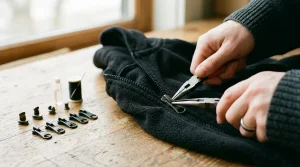
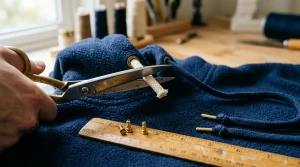
Sweatshirts have long been a wardrobe staple, loved for their comfort and versatility. But what if wearing one could also help you shed those extra pounds? Many people believe that donning a sweatshirt during workouts enhances calorie burn due to increased sweat, but is this actually true? In this article, we’ll uncover the facts behind this popular fitness myth, addressing common misconceptions and helping you understand how sweat, exercise, and weight loss truly intersect. Whether you’re a gym enthusiast or just enjoy a casual athleisure look, knowing the truth can influence how you approach your fitness goals. So, let’s dive deeper and bust this myth once and for all!
The Science Behind Sweatshirts and Weight Loss
Wearing a sweatshirt during workouts has long been associated with weight loss, particularly due to the belief that increased sweating equates to burning more fat. This common concept hinges on the body’s mechanism of thermoregulation: when you wear an insulating layer, your body heats up more quickly, which prompting sweat production in an effort to cool down. However, it’s crucial to understand that while sweat can indicate calorie expenditure, it primarily signifies water loss rather than fat loss. Thus, the effects of a sweatshirt on weight loss are often temporary and misleading, as the weight dropped through sweat can easily be regained once hydration is restored.
The notion that sweatshirts help with weight loss stems from a misunderstanding of how our bodies generate heat and expend energy. While it’s true that layering clothing can make workouts feel more intense, the added heat doesn’t necessarily contribute to fat burning in a meaningful way. Instead, actual weight loss occurs through calorie deficit, which means burning more calories than consumed over time. Wearers are encouraged to focus instead on consistent exercise and balanced nutrition rather than relying on the myth of sweat-inducing clothing for sustainable weight management.
It’s also important to note that thermal clothing can influence workout performance and safety. Excess heat can lead to dehydration, heat exhaustion, and heat-related illnesses if not properly managed. Therefore, while sweatshirts can provide comfort and warmth during colder workouts, it’s essential to strike a balance between staying cozy and avoiding overheating. Explorations into different workout gear-such as moisture-wicking fabrics-can help retain comfort without the potential negatives associated with heavy, insulating layers.
In conclusion, while sweatshirts may enhance the sensation of a strenuous workout, they do not inherently lead to increased fat loss. Focusing on effective training routines, proper hydration, and a healthy diet remain the most viable methods for achieving long-term weight loss goals.
Why Do People Believe This Fitness Myth?
The perception that wearing a sweatshirt can help in weight loss is a widespread belief fueled by the sight of people sweating profusely during their workouts. This phenomenon often misleads individuals into thinking that the more they sweat, the more fat they are burning. However, this association between sweat and weight loss is primarily rooted in misconceptions about body physiology and thermoregulation. It’s essential to distinguish between water loss, which occurs through sweating, and actual fat loss, which is the outcome of creating a caloric deficit.
When people exercise in sweat-inducing clothing like sweatshirts, they feel warmer and sweat more readily. This reactive cycle contributes to the popular narrative that sweating equals weight loss. In reality, while sweat can indicate that the body is exerting itself, it doesn’t provide an accurate measure of fat being burned. The water weight lost through sweat can easily be regained upon rehydration, leading individuals to falsely believe they’ve achieved lasting weight loss.
Understanding this myth requires exploring cultural influences as well-many fitness enthusiasts and even celebrity endorsements suggest that sweating profusely is a badge of honor during workouts. This cultural narrative often prioritizes the visible signs of effort over the actual mechanics of weight loss. Many influencers share images or stories of their intense sweat sessions, further embedding the idea that sweat is synonymous with success in weight management.
Therefore, emphasizing education on what constitutes effective weight loss is crucial. A shift in focus toward achieving a balanced diet, maintaining consistent exercise, and understanding body processes can empower individuals to set realistic and sustainable health goals, rather than relying on the fallacy of sweat-inducing apparel. Embracing knowledge about caloric expenditure and body mechanics is the real key to effective weight management, overshadowing the allure of quick fixes like oversized sweats.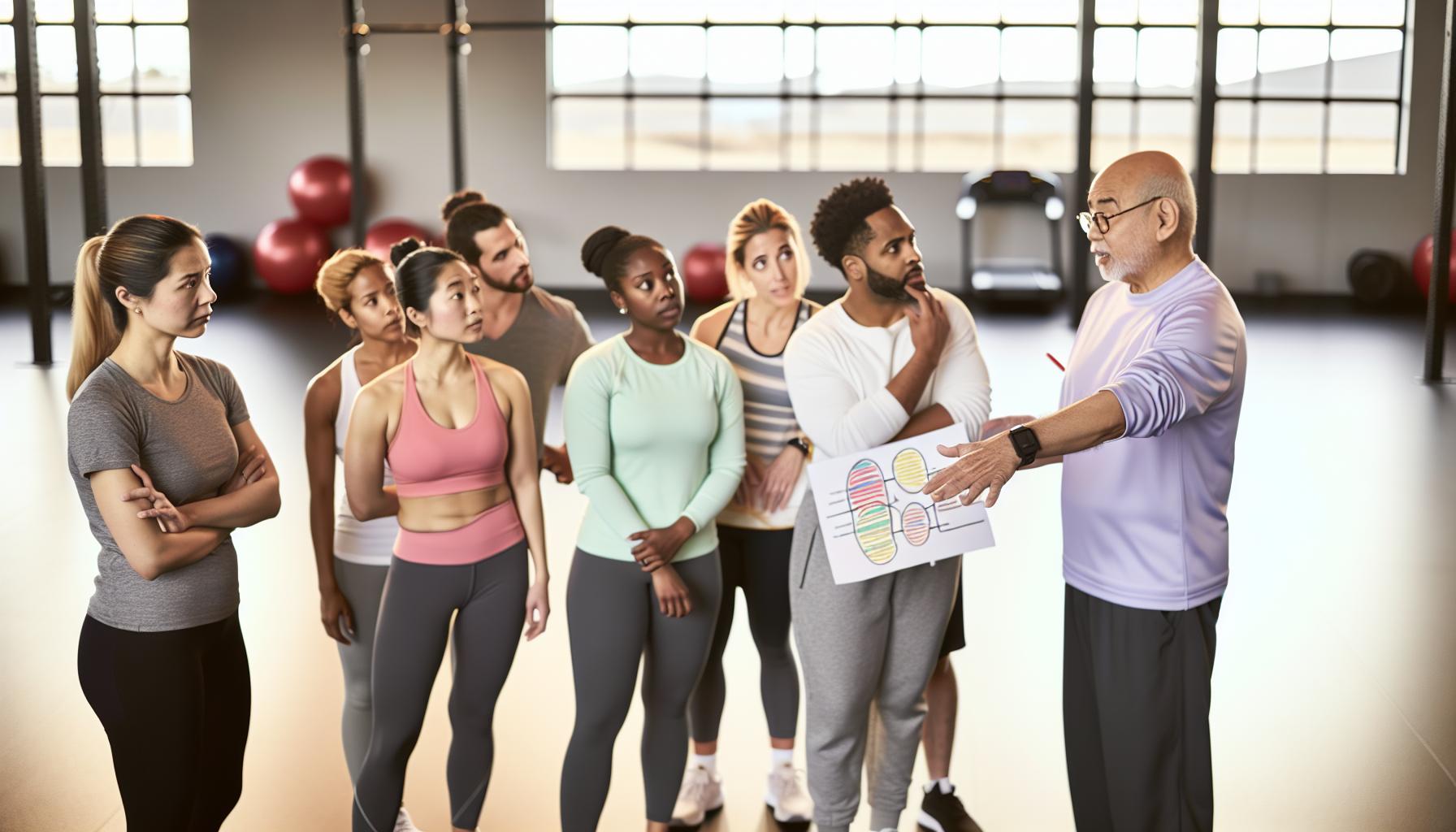
The Role of Sweat and Fat Loss Explained
When you see someone working out in a sweatshirt, it’s easy to assume that the visible signs of sweat indicate an effective workout, potentially leading to fat loss. However, it’s crucial to understand that sweat is primarily water and doesn’t correlate directly with fat loss. The role of sweat in weight management is often misunderstood, with many people mistaking the act of sweating for a reliable measure of calories burned. In reality, sweating is your body’s way of cooling itself down, not a direct gauge of fat oxidation or energy expenditure.
One key factor to clarify is that sweating causes the body to lose water, which can result in lower body weight on the scale, but this loss is transient and quickly reversed through rehydration. True fat loss occurs when you create a caloric deficit-burning more calories than you consume over time. A person might sweat profusely during an intense workout, but if their overall caloric intake exceeds their caloric expenditure, weight loss will not occur. Instead, the feeling of warmth and an increase in sweat levels can lead to a false sense of achievement as individuals equate their intense sweating with effective fat-burning.
To maximize the effectiveness of workouts-whether in a sweatshirt or standard workout gear-it’s essential to focus on a holistic approach that includes a balanced diet and consistent exercise. Incorporating a mix of cardiovascular exercises and strength training while being mindful of nutritional intake will yield better results for fat loss than merely relying on sweat as an indicator of workout efficacy.
In summary, while sweat can be a sign of effort, it is not synonymous with fat loss, and understanding this distinction can help readers set realistic fitness goals and adopt healthier long-term strategies. By moving beyond this fitness myth, individuals can create more effective and sustainable exercise habits that truly contribute to their health and fitness objectives.
How Thermal Clothing Impacts Your Workout
Thermal clothing, like sweatshirts, can significantly influence your workout experience, leading to various misconceptions about their role in weight loss. Many people assume that wearing warmer, thicker layers helps them lose more weight simply because they sweat more. While it’s true that thermal garments can increase body temperature and lead to more sweating, this doesn’t equate to fat loss. Instead, it’s essential to understand the functional benefits of such clothing during physical activities.
When you wear thermal clothing, your body retains heat, which can help keep your muscles loose and warm. This is particularly beneficial during colder months or in air-conditioned gyms, as it can reduce the risk of strains or injuries. A pre-warmed body often leads to better performance, allowing you to push through workouts more effectively. Additionally, thermal layers can help maintain an optimal body temperature, enabling improved blood flow and oxygen delivery to muscles. Here’s why that matters:
- Increased Blood Flow: Retaining warmth can enhance circulation, which is crucial for better athletic performance and quicker recovery.
- Muscle Protection: Warm muscles are less likely to suffer from injuries, making thermal clothing an excellent choice for pre-exercise layering.
- Comfort: Staying warm improves comfort levels during outdoor workouts, potentially allowing for longer, more effective sessions.
To maximize the effectiveness of thermal clothing, you should pair it with appropriate moisture-wicking base layers. This combination helps to manage sweat levels and keeps you comfortable throughout your workout. For those looking to personalize their sweatshirts, simple DIY projects like adding embroidery or using tie-dye can make your workout gear not only functional but stylish as well. Just remember to wash these garments according to their care labels to maintain their shape and performance; cold wash and hang dry keep them looking fresh without compromising the fabric.
In summary, while thermal clothing can enhance your workout experience by keeping your muscles warm and possibly allowing for longer sessions, it does not directly contribute to weight loss through sweat alone. Focus on incorporating various elements into your fitness routine to ensure optimal health and effective fat loss strategies while enjoying the cozy comfort of your favorite sweatshirt.
Understanding Caloric Burn: Facts and Misconceptions
Understanding the nuances of caloric burn is essential for anyone looking to optimize their fitness routine, especially when myths about clothing and weight loss can easily muddle the facts. It’s commonly believed that wearing a thicker layer, like a sweatshirt, leads to more calories burned simply because it induces more sweating. However, this perspective overlooks the fundamental mechanics of how our bodies use energy. The truth is, while sweating is your body’s way of regulating temperature, it does not directly correlate with fat loss.
When you exercise, your body burns calories based on the intensity and duration of the activity, not merely the amount of sweat produced. For example, a brisk 30-minute walk will burn calories regardless of whether you’re wearing a t-shirt or a sweatshirt. In fact, research suggests that the total caloric expenditure is more influenced by metabolic rates and muscle engagement than heat retention from clothing. Thus, relying solely on sweat as a metric for weight loss can be misleading.
To put it into perspective, consider this: a 155-pound person burns approximately 167 calories in 30 minutes of moderate-intensity exercise, like cycling, regardless of what they are wearing. This points to the significance of choosing the right activity over focusing on the effects of your clothing. Instead of fixating on how much you sweat, aim for a balanced approach that includes various cardiovascular and strength-training exercises suited to your fitness level and preferences.
If you enjoy the comfort of sweatshirts during your workouts, that’s wonderful! Just remember their primary role is to provide warmth and comfort rather than to act as a weight-loss tool. To further enhance your routine, incorporate activities that raise your heart rate and engage your muscles effectively. By combining the cozy familiarity of your beloved sweatshirt with strategic exercises, you can create a fulfilling workout regimen that prioritizes health and well-being over mere perspiration.
Alternatives to Sweatshirts for Weight Loss
Wearing a sweatshirt while exercising might feel cozy and comforting, but it’s essential to explore other options that can support your fitness goals more effectively. When it comes to optimizing workouts and aiding weight loss, there are various forms of clothing and gear that can enhance performance without the reliance on warmth and heavy fabric, which can sometimes impede movement.
For instance, performance fabrics designed specifically for physical activity offer breathability and moisture-wicking properties, which keep you cool and dry during workouts. These materials can help regulate your body temperature better than traditional cotton sweatshirts. Look for options made from synthetic blends that are lightweight, stretchable, and designed to improve your range of motion without causing overheating. Brands like Under Armour and Nike have excellent selections that prioritize comfort and functionality.
Comfort doesn’t have to be sacrificed for performance. Layering effectively can be a fantastic alternative. Start with a fitted, moisture-wicking base layer that sits close to the skin and wicks sweat away. Add a lightweight, breathable outer layer, like a zip-up hoodie or a vest, which can be removed as your body warms up during exercise. This way, you maintain the luxury of comfort while choosing materials that enhance your workout.
If you love the aesthetic of sweatshirts but want to avoid some downsides during your sweat sessions, consider styling hoodie-inspired tops that utilize these advanced materials. There are plenty of stylish options available, such as cropped hoodies or lightweight pullovers that provide the look you love while ensuring better performance. Additionally, many brands offer customizable options, so you can still showcase your personality while making fitness a priority.
Finally, don’t forget about the power of activewear bottoms. Invest in well-fitted leggings or shorts that offer support and flexibility. They can significantly enhance your workout experience. Look for options with features like high waistbands for added comfort, pockets for convenience, and antimicrobial treatments that keep odors at bay. A holistic approach to outfit selection can lead to a more enjoyable and effective workout environment, maximizing both comfort and performance.
Do Sweatshirts Offer Any Health Benefits?
Wearing a sweatshirt may conjure images of warmth and comfort, but it also raises questions about its health benefits, especially in the realm of fitness. While the common misconception is that sweatshirts help you lose weight simply by making you sweat, the reality is much more nuanced. In fact, the benefits of sweatshirts can be multifaceted, including aspects of physical well-being and mental comfort that support a healthier lifestyle.
One potential benefit of wearing sweatshirts during exercise is thermoregulation. During physical activities, particularly in cooler environments, a sweatshirt can help maintain your body heat. This can prevent injuries associated with sudden temperature drops and support joint health. Additionally, if you choose a sweatshirt made from moisture-wicking materials, it can reduce skin irritation and enhance your comfort by keeping you dry, allowing for a more focused and productive workout.
Moreover, the psychological comfort of wearing a favorite sweatshirt can enhance your motivation to exercise. The familiarity and coziness of your go-to hoodie can create a sense of belonging and positivity, making you more likely to engage in physical activity regularly. This emotional aspect shouldn’t be underestimated; when you feel good in what you’re wearing, you’re more likely to show up for workouts and stay committed to your fitness goals.
For those looking to make the most out of their sweatshirts, consider customization options to express your personality while remaining functional. Personalized hoodies can increase your emotional attachment to your workout gear, enhancing your overall experience. Plus, caring for your sweatshirt properly can prolong its life, ensuring you continue to enjoy its comforts for years to come. Regular washing at appropriate temperatures, avoiding fabric softeners, and using gentle detergents will keep your sweatshirts looking fresh and feeling great.
In essence, while the links between sweatshirts and weight loss may be tenuous, the health benefits they can offer-be it comfort, motivation, or thermoregulation-make them a valuable addition to any fitness wardrobe. Embracing the cozy culture of hoodies not only adds a layer of style to your exercise routine but also supports a balanced, health-conscious lifestyle.
Debunking Other Common Fitness Myths
Many enthusiasts might wonder if they can shed pounds simply by sporting sweatshirts. However, this belief sits at the crossroads of fashion and fitness myths, often leading people to overlook the real science behind weight loss. One common misconception is that wearing a heavy sweatshirt during workouts inherently boosts calorie burn. In truth, while the act of sweating might give the illusion of weight loss, it primarily results in the loss of water weight rather than fat. Once hydrated again, that weight comes right back, making it essential to focus on sustainable exercise habits and a balanced diet.
Additionally, there’s a frustrating myth that light clothing equates to less effective workouts. On the contrary, wearing a comfortable, well-fitting sweatshirt can enhance performance. When you feel relaxed and confident in your gear, you’re more inclined to push through those tough sets or long runs. The familiar softness of your favorite hoodie can transform a mundane workout into an empowering experience, providing you with both physical comfort and psychological reassurance.
To truly harness the power of your workout attire, consider these tips for customizing and caring for your sweatshirts:
- DIY Customization: Try tie-dying for a vibrant splash of color or embroidering your hoodie to express individuality.
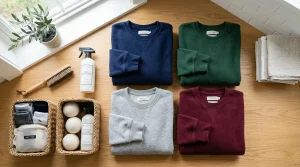
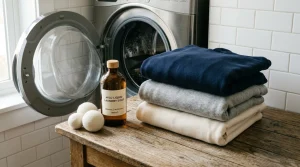
- Extension of Life: Wash sweatshirts in cold water, avoid fabric softeners, and hang them to dry to maintain their shape and quality.
- Stain Removal: For stubborn stains, pre-treat with a mixture of baking soda and water before washing.
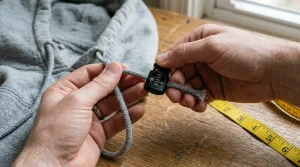
- Sizing Tips: Measure at the chest and length before buying to ensure a perfect fit, especially if layering clothing.
- Drawstring Care: Ensure drawstrings are properly secured during washing to avoid fraying or tangling.
In the end, focusing on workout quality over the fabric we wear is crucial. Embracing the cozy culture of hoodies to fortify your commitment to fitness is a fantastic way to blend comfort with style, aiding both physical performance and mental resilience on your wellness journey.
Expert Opinions: What Trainers Really Think
Fitness professionals often emphasize that while snug, insulated clothing can be beneficial during workouts, it is essential to differentiate between the myths surrounding weight loss and the reality of effective exercise regimes. Trainers agree that wearing a sweatshirt may create a sensation of warmth and allow the body to sweat profusely, but this doesn’t equate to actual fat loss. It’s primarily about how you feel; a comfortable sweatshirt can enhance motivation and confidence, encouraging you to engage more intensely in your workouts.
Many trainers recommend focusing on practicality and comfort in your workout attire. For example, a well-fitted sweatshirt allows freedom of movement and can help regulate body temperature, creating a more enjoyable workout experience. “When clients feel comfortable in their gym clothes, they’re more likely to perform better and stay longer in their sessions,” one trainer notes. This highlights the psychological aspect of fitness-if wearing a cozy hoodie makes a workout more enjoyable, it can lead to more consistent training.
From a practical standpoint, trainers also advocate for customizing your sweatshirts to increase their versatility and appeal. DIY projects like tie-dying or personalizing with embroidery not only help your hoodie stand out but also allow for a sense of ownership over your fitness gear. Not only can this build confidence, but it also adds a touch of fun to your fitness journey.
When it comes to maintaining your hoodie, trainers advise washing it in cold water and air-drying to keep it in peak condition. Stain removal techniques, such as using a baking soda paste for stubborn spots, are also invaluable. Keeping your sweatshirt vibrant and functional not only serves aesthetic purposes but also reinforces its value as a core part of your workout routine. By treating your wardrobe with care-focusing on both the form and function of your gear-you’ll enhance your fitness experience and ensure you’re always ready to tackle your goals with enthusiasm.
User Experiences: Real Stories and Insights
Many people have shared their personal experiences regarding the effectiveness of wearing sweatshirts during workouts, often revealing mixed perspectives that highlight both the fun and the misconceptions surrounding this beloved piece of clothing. One fitness enthusiast, Jenna, recounts how slipping into her favorite oversized sweatshirt gives her an immediate boost of motivation. “It’s like a warm hug every time I put it on,” she says. This kind of mental comfort can encourage longer and more effective workouts, showing how psychological factors play into exercise motivation-though it doesn’t replace the necessity of a solid workout regime.
Several gym-goers also share that they feel invigorated when working out in sweatshirts, particularly during cooler months. They report that the added layer helps them feel more comfortable and warmed up, which can sometimes enhance performance in strength training or during outdoor runs. Nick, a longtime runner, emphasizes that while he’s aware the extra sweating doesn’t equate to fat loss, the snug fit and warmth of his hoodie allows him to push through those colder morning runs with ease. “It doesn’t magically burn fat, but it makes my experience much more enjoyable,” he affirms.
Care and Customization
Not only has the emotional connection to sweatshirts been beneficial, but community members also demonstrate innovative ways to customize and maintain their favorite pieces. DIY projects like tie-dye or personal embroidery not only breathe new life into older sweatshirts but also create a sense of ownership. Sarah shared her transformation of a plain sweatshirt into a fashionable statement piece via a simple tie-dye project. “I love how creative I can be with my workout clothes. It makes me excited to slip them on,” she notes.
Proper care is equally important in maintaining the longevity of these cherished garments. Users recommend washing sweatshirts in cold water and avoiding the dryer whenever possible to keep them looking crisp. For stubborn stains, using a baking soda paste can be a life-saver. By nurturing their favorite hoodies, fitness enthusiasts ensure they continue to enjoy the comfort and style they bring to their workouts, turning each gym session into a more enjoyable experience.
In the realm of fitness culture, these heartfelt stories and practices around sweatshirts highlight the intersection of comfort, creativity, and motivation. These garments may not inherently lead to weight loss, but their role in boosting self-esteem and enhancing workout enjoyment cannot be understated.
Tips for Effective Weight Loss Strategies
Sweatshirts are not only a cozy addition to any workout gear, but they can also play a significant role in enhancing your weight loss journey. While wearing a sweatshirt doesn’t inherently burn fat, it creates a comfortable environment that can contribute to longer and more effective workouts. To maximize the effectiveness of your fitness routine and truly harness the motivational power of your favorite hoodie, here are some actionable tips.
First and foremost, focus on the right balance of exercise and comfort. Wearing a sweatshirt during cooler months can help maintain body warmth, enabling you to perform better, especially for outdoor activities. Ensure that your hoodie fits well-not too tight to restrict movement, but snug enough to keep you warm. Look for options with adjustable drawstrings at the hood and hem to tailor the fit to your liking, providing both comfort and style.
Next, incorporate a variety of workout strategies into your routine alongside your beloved sweatshirt. Regular strength training and cardiovascular exercises not only help burn calories but also build muscle, which can increase your basal metabolic rate. For instance, consider scheduling interval training sessions paired with your favorite sweatshirt for that extra boost in motivation. You can also mix in activities like yoga or pilates, as the flexibility of the fabric allows for a full range of motion.
To maintain the longevity and look of your sweatshirt-ensuring it remains a staple in your wardrobe-there are simple care guides you should follow. Always wash your sweatshirts in cold water to preserve the fabric, and air dry whenever possible to prevent shrinkage. Stubborn stains can be tackled with a baking soda paste applied directly before washing. These care tips not only keep your sweatshirt looking sharp but also enhance your confidence when you wear it, making workouts feel even more enjoyable.
Lastly, embrace your creativity with DIY customization projects. Adding personal touches like tie-dye or embroidery can transform your sweatshirt into a unique piece that reflects your personality. Engaging in creative activities has been shown to improve mood, making it easier to stay committed to your fitness goals. So, whether it’s through expressing yourself or simply enjoying the comfort of your favorite hoodie, remember that every step you take leads to a healthier you.
Your Ultimate Guide to Staying Fit and Comfortable
Wearing a sweatshirt isn’t just about staying warm; it’s also about feeling good and looking stylish while you exercise. If you want to take your workout gear to the next level, let’s explore how to make the most of your favorite hoodie, from care tips to unique DIY projects you can tackle at home.
To keep your sweatshirt in top shape for all those post-workout selfies, here are some essential care guidelines to follow:
- Always wash your sweatshirts in cold water to maintain fabric integrity and color vibrancy.
- Avoid the dryer when possible; instead, air dry your hoodies to prevent shrinkage.
- For stains, try using a baking soda paste directly on the affected area before washing.
Following these tips will not only ensure your sweatshirt lasts longer but also keeps you looking great every time you wear it.
Now, let’s talk about making your hoodie uniquely yours. Whether you want to show off your creative spirit or simply stand out at the gym, DIY customization is the way to go. Some fun projects you might consider include:
Creative DIY Ideas
- Tie-Dye: Inject a burst of color into your sweatshirt with a tie-dye kit available at craft stores. This fun project can transform a plain hoodie into a vibrant fashion statement.
- Embroidery: Add personal touches by stitching initials, motivational quotes, or even simple designs using embroidery thread.
- Patchwork: Sew on patches of your favorite bands, movies, or even quirky designs to give your sweatshirt character.
These customizations not only enhance your hoodie but can also make you feel more confident and motivated during workouts.
Finally, if you’re shopping for a new hoodie, be sure to consider fit and functionality. Look for features like adjustable drawstrings for a customizable fit, and ensure that you pick a size that allows for comfortable movement. Consider options with moisture-wicking fabrics, which can help keep you dry and comfortable during intense workouts.
Incorporating these tips will not only elevate your comfort level while you get fit but also allow you to celebrate your individual style. Sweatshirts are a staple for a reason-embrace them fully as you pursue your fitness journey!
FAQ
Q: Does wearing a sweatshirt during exercise help burn more calories?
A: Wearing a sweatshirt can enhance warmth and induce more sweating, but it doesn’t directly increase calorie burn. The primary factor for weight loss is maintaining a caloric deficit through diet and activity. Focus on sustainable exercise and nutrition for effective weight management.
Q: Can thermal clothing boost my fitness performance?
A: While thermal clothing can keep you warm and potentially improve comfort during workouts, its impact on performance varies by individual. It’s essential to choose the right gear that suits your workout environment and helps you stay active. Explore tips on maximizing workout efficiency in the section “How Thermal Clothing Impacts Your Workout.”
Q: Is sweating more a sign of a better workout?
A: Increased sweating doesn’t necessarily equate to a better workout. It often depends on environmental conditions and individual physiology. Instead, focus on exercise intensity and duration, as outlined in “Understanding Caloric Burn: Facts and Misconceptions.”
Q: What are effective alternatives to sweatshirts for weight loss?
A: Alternatives like moisture-wicking fabrics or compression gear can promote comfort and performance without trapping heat excessively. These help regulate body temperature during workouts. See “Alternatives to Sweatshirts for Weight Loss” for detailed options.
Q: When is it best to wear a sweatshirt for workouts?
A: A sweatshirt is best worn in colder conditions or during outdoor activities. However, for indoor workouts, opt for breathable fabrics to avoid overheating. Consider your workout environment when choosing clothing, as discussed in the article.
Q: Why do people think wearing sweatshirts helps with weight loss?
A: The myth stems from the idea that excess sweating leads to fat loss. However, it’s primarily fluid loss, which is regained after hydration. Understanding the role of sweat in weight loss can clarify these misconceptions, as explored in “The Role of Sweat and Fat Loss Explained.”
Q: How do experts view the effectiveness of sweat-enhancing gear?
A: Experts often emphasize that while sweat-enhancing gear may lead to temporary weight loss from fluid loss, it doesn’t contribute to fat loss. They recommend focusing on comprehensive fitness routines instead. Find insights in “Expert Opinions: What Trainers Really Think.”
Q: What should I look for in comfortable workout clothing?
A: Look for breathable, moisture-wicking fabrics that allow for easy movement. Comfort and flexibility are key to an effective workout. For styling tips and guidance, check out the article’s sections on practical hoodie content and care.
Closing Remarks
Now that we’ve debunked the myth surrounding sweatshirts and weight loss, remember that true fitness progress comes from a balanced diet and regular exercise, not from fashion choices alone. If you’re looking to enhance your workout experience, consider exploring our articles on the best clothing for workouts and tips for maintaining your activewear in top shape.
Don’t miss our guide on stylish ways to customize your hoodie, perfect for personal expression while you sweat it out! Join our community by signing up for our newsletter for the latest tips and insights on fitness and fashion-your journey awaits, and we’re here to support you every step of the way!
As always, your thoughts matter-share your insights or questions in the comments below, and check out our DIY projects on tie-dye and embroidery to put your unique spin on your favorite sweatshirts! Remember, comfort is key, and your style can empower your fitness journey. Now, let’s keep moving forward together!
Get our latest guides, news, and insights highlighted in your Google Search & AI Overviews.