✨ This article was AI edited. Editorial responsibility: CoolestHoodies.com.
Produced with AI. This article was artificially generated. Editorial responsibility: CoolestHoodies.com.
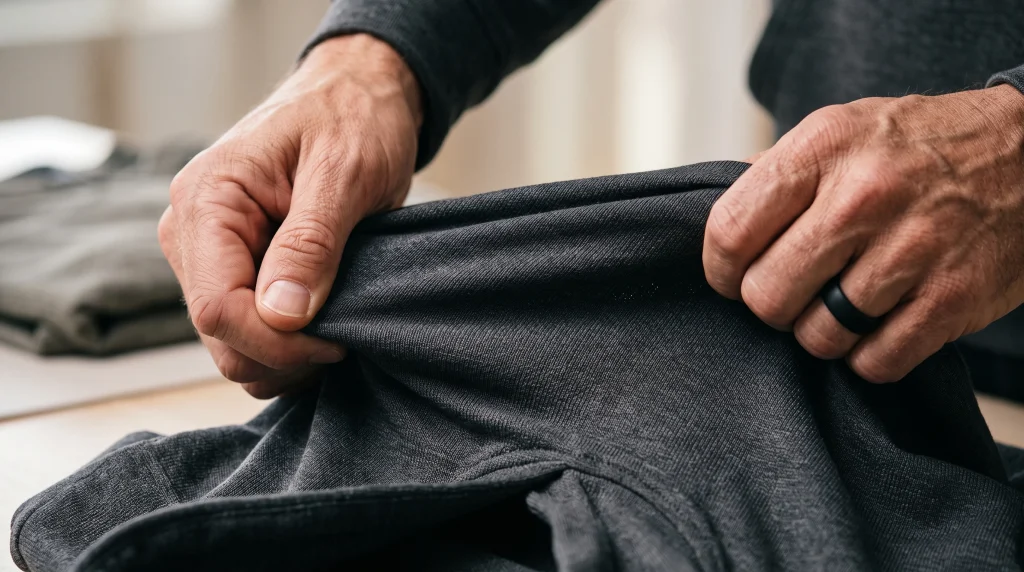
What are stretch hoodies? Stretch hoodies are performance-engineered sweatshirts constructed by blending natural cotton fibers with elastane polymers (such as Spandex, Lycra, or elastomultiester in 4% to 15% concentrations). Unlike traditional rigid 100% cotton fleece, stretch hoodies feature multi-directional mechanical elongation (2-way or 4-way stretch), allowing uninhibited athletic mobility, tailored body-contouring fits, and rapid shape recovery without bagging at the elbows or sagging at the waistband.
For decades, the classic hooded sweatshirt was defined by heavy, boxy cotton terry designed purely for warmth and post-workout insulation. However, as modern athleisure and technical performance wear reshaped contemporary fashion, traditional fleece revealed its physical limitations: it restricts overhead shoulder movement, bunches uncomfortably across the chest, and permanently stretches out into saggy elbows after repeated wear. The advent of stretch hoodies solved these engineering problems through polymer textile science.
Whether you need an athletic hoodie for cold-weather marathon training, a travel pullover that won’t wrinkle on long flights, or a sleek tailored layering piece for a smart-casual office wardrobe, choosing the right stretch hoodie requires understanding knit construction, synthetic ratios, and fabric care. Below is the definitive guide to stretch hoodie performance, fabric mechanics, and maintenance.
The Textile Engineering Behind Stretch Hoodies
To understand why a stretch hoodie behaves differently from standard cotton fleece, you have to look at the microscopic yarn construction. Manufacturers engineer stretch through two primary methodologies:
1. Corespun Elastane Blends (4-Way Stretch)
In high-end performance hoodies (such as Vuori, Lululemon, and Rhone), spinning mills use corespun yarn technology. A continuous filament of polyurethane elastane (Spandex or Lycra) forms the internal core of the yarn, which is then helically wrapped with fine combed cotton or micro-modal fibers. This provides the soft, natural, breathable touch of cotton on the outside while maintaining an internal elastic spring that stretches both crosswise (horizontally) and lengthwise (vertically).
2. Mechanical Knit Geometry (2-Way Stretch)
Budget or lifestyle stretch sweatshirts achieve mild elasticity not through synthetic elastane, but through rib-knit weave geometry or circular knitting techniques. By alternating knit and purl stitches or utilizing interlock looping, the fabric expands horizontally across the chest when stressed, but offers minimal vertical stretch along the torso and sleeves.
| Stretch Mechanism | Fabric Composition | Elongation Capacity | Shape Recovery Speed | Best Use Case |
|---|---|---|---|---|
| 4-Way Active Stretch | 88% Polyester / Nylon, 12% Spandex | Up to 40% in all directions | Instantaneous (Zero bagging) | HIIT workouts, running, cycling, climbing |
| Corespun Luxury Fleece | 68% Cotton, 26% Modal, 6% Elastane | 20% to 25% horizontal & vertical | High (Maintains tailored silhouette) | Travel, everyday commuting, smart casual |
| Mechanical Loopback Terry | 95% Cotton, 5% Polyurethane Ribbing | 10% to 15% cross-grain only | Moderate (Prone to elbow deformation over time) | Classic streetwear, lounging, weekend errands |
Key Advantages of Choosing a Stretch Hoodie
Investing in a performance stretch hoodie delivers several decisive advantages over traditional heavyweight cotton:
- Unrestricted Range of Motion: Standard cotton fleece binds across the upper back and armpits when reaching forward or lifting weights overhead. 4-way elastane moves synchronously with the shoulder scapula and deltoids.
- Elimination of “Baggy Elbows”: The most common failure of 100% cotton sweatshirts is elbow bagging—permanent fabric distension caused by bending your arms while typing at a desk or driving. Elastane polymers snap fibers back into resting alignment instantly.
- Moisture Management and Faster Drying: Stretch blends almost always incorporate synthetic micro-polyester or nylon filaments alongside elastane. These non-porous synthetic channels wick perspiration outward 300% faster than dense cotton loops.
- Wrinkle Resistance for Travel: The elastic tension inherent in spandex resists creasing. You can pack a stretch hoodie into a compact carry-on backpack, pull it out hours later, and wear it immediately with zero ironing.
How to Choose the Right Stretch Ratio for Your Lifestyle
Not all stretch hoodies are built for the same physical demands. Use this buyer’s rubric to calibrate the elastane percentage to your specific needs:
1. High-Performance Athletics (10% to 16% Spandex)
If you plan to run, train in the gym, or practice yoga, seek out hoodies featuring double-knit synthetic construction with double-digit spandex percentages. These garments feel light as air, fit close to the musculature without restricting blood flow, and feature flatlock anti-chafing seams.
2. The Modern Hybrid Commuter (4% to 8% Elastane)
For office wear, dinner dates, or city travel, a 100% synthetic athletic hoodie looks too casual and sporty. Look for tri-blend French terry (cotton, modal, and 5% elastane). This provides the matte visual texture and sophisticated drape of luxury cotton while granting all-day comfort during transit.
3. Vintage Heavyweight Loiterers (Under 3% Elastane)
If you love the hefty, substantial feel of a 450+ GSM vintage collegiate sweatshirt, pure cotton or minimal elastane (2% to 3% in the side gussets and wrist cuffs) is optimal. This preserves the rugged, structured streetwear boxiness that oversized fashion enthusiasts prefer.
How to Wash and Care for Stretch Hoodies Without Ruining the Elasticity
While stretch hoodies are remarkably durable against daily wear, they have one fatal weakness: heat. Polyurethane elastane filaments are thermoplastic polymers that degrade and snap when exposed to high temperatures. Follow this strict care SOP:
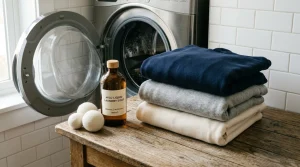
- Wash in Cold Water: Always set the washing machine to cold (under 85°F / 30°C). Hot water relaxes the synthetic polymer chains prematurely.
- Skip Liquid Fabric Softeners: Liquid fabric softeners deposit a fatty silicone residue that coats synthetic stretch channels, clogging breathability and ruining the elastane’s snap-back memory. Use 1/2 cup distilled white vinegar in the rinse cycle instead.
- Zero High-Heat Tumble Drying: Never put a high-spandex hoodie into a hot commercial dryer. Heat snaps the microscopic rubber fibers, resulting in wavy, puckered zippers, loose cuffs, and fuzzy white elastane “hairs” poking through the fabric surface. Lay flat or hang on a wide wooden bar to air dry.
For deeper insights into hoodie care and lifestyle styling, explore our authoritative tutorials on how to wear a hoodie, learn the risks of heat cycles in does alo shrink in the dryer, check washing cadences in how often should you wash hoodies, and master closet organization in should you hang or fold hoodies.
Frequently Asked Questions
Do stretch hoodies shrink in the wash?
Stretch hoodies with high synthetic content (polyester/nylon/spandex) resist shrinkage significantly better than 100% cotton garments. However, if the stretch hoodie is primarily cotton-based (e.g., 95% cotton, 5% spandex), washing in hot water or drying on high heat will still shrink the cotton portion by 3% to 5% while permanently damaging the elastane.
Can you unstretch a stretched-out hoodie cuff or waistband?
Yes. If the cotton ribbed waistband or wrist cuffs of your hoodie have become loose and wavy, dip the cuffs into a bowl of near-boiling water for 60 seconds to cause the relaxed cotton yarns to contract. Gently pat dry with a towel, reshape into place, and blast with a hot hairdryer for 2 to 3 minutes. For synthetic spandex cuffs that have melted, however, the damage is structural and cannot be reversed.
What is the difference between 2-way and 4-way stretch in hoodies?
A 2-way stretch hoodie only stretches in one single direction (usually horizontally from side to side across the chest), which allows comfortable chest breathing but resists vertical movement. A 4-way stretch hoodie stretches both crosswise (horizontally) and lengthwise (vertically), allowing freedom of movement in any direction without tugging at the waist hem or wrist cuffs.
Why are white fuzzy rubber fibers sticking out of my stretch hoodie?
Tiny white fibers protruding from your sweatshirt are snapped elastane (spandex) filaments. This occurs when a stretch garment has been subjected to excessive heat in an electric dryer or exposed to harsh chlorine bleach. Once elastane cores snap, they recoil and poke through the woven face fabric, indicating irreversible fiber breakdown.
Is a stretch hoodie warm enough for winter?
Yes, provided you choose a stretch hoodie featuring an insulating interior finish. Brushed thermal stretch fleece (featuring a micro-fleece or grid-fleece backing) traps warm boundary air against your body while maintaining complete physical flexibility, making it an exceptional thermal mid-layer beneath a winter parka.
Get our latest guides, news, and insights highlighted in your Google Search & AI Overviews.