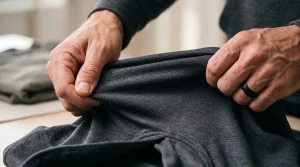
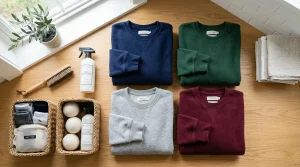
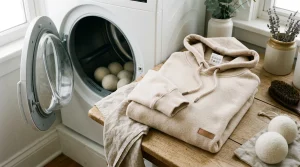
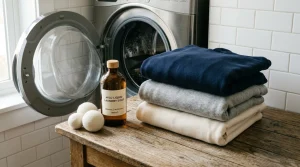
Did you know that the weight of a hoodie can significantly impact your comfort and style? Whether you’re braving a chilly day or lounging at home, understanding how much hoodies weigh and the materials they’re made from is crucial for smart shopping. With so many options out there, consumers often feel overwhelmed when choosing the perfect hoodie to suit their lifestyle. By learning about different fabrics, we can make more informed choices that align with our personal tastes and needs. This guide not only unveils the average weights of various hoodie materials but also provides practical tips on styling, customizing, and caring for your favorite pieces. So, if you’re ready to elevate your hoodie game and make the most of your wardrobe, keep reading to discover how you can shop smarter and wear your hoodies with confidence!
How Hoodie Materials Affect Weight
Understanding the link between hoodie materials and their weight can significantly impact your shopping experience. Different fabrics contribute not just to the feel and look of the hoodie, but also to its overall heft. For instance, cotton is a popular choice for its softness and breathability, but it tends to be heavier compared to polyester or blended fabrics. A typical cotton hoodie might weigh around 20% more than its polyester counterparts, which are often lighter and designed for moisture-wicking.
The fabric blend also plays a crucial role in how lightweight or heavy a hoodie feels. Fleece-lined options provide additional warmth but can add considerable weight, making them ideal for colder climates, whereas lighter versions made from jersey fabric offer more comfort during transitional weather. This means if you’re shopping for a versatile piece, consider the fabric composition; a cotton-polyester fleece will offer a great balance of durability and weight for various occasions.
Furthermore, the weight can be influenced by additional features such as zippers, pockets, and even the size of the hoodie itself. The more complex the design with these added elements, the more the overall weight may vary. To ensure you’re picking the right hoodie for your needs, think about where and when you’ll be wearing it. For instance, opting for a lightweight hoodie for workouts is practical, while a heavier one will be perfect for lounging or chilly nights out. Always remember to check the product details for the specific material and weight, as this can greatly help in your decision-making process when shopping.
Essential Measurements: Hoodie Sizes Explained

Finding the perfect fit in a hoodie can elevate not just your style but also your comfort during wear. Each brand may have slightly different sizing charts, so it’s crucial to know your measurements and understand how they translate to hoodie sizes. Typically, hoodie sizes range from small to XXL and beyond, accommodating a variety of body types. It’s not just about the size, though; the fit can drastically change based on the style. For example, a fitted hoodie offers a more tailored look, while an oversized option provides extra room for layering and a relaxed vibe.
To ensure you choose the right size, you’ll want to focus on a few essential measurements:
- Chest Width: Measure around the fullest part of your chest, making sure the tape is level across your back.
- Body Length: This is the distance from the highest point of the shoulder down to the hem. It ensures the hoodie covers enough of your torso.
- Sleeve Length: From the shoulder seam to the wrist, this measurement dictates how long the sleeves will be, so you’re not left with cold wrists.
- Shoulder Width: Measure from shoulder seam to shoulder seam across the back. This is especially important in fitted styles to prevent tightness.
To help guide your choices, here’s a simple sizing chart for commonly sized hoodies:
| Size | Chest Width (inches) | Body Length (inches) | Sleeve Length (inches) |
|---|---|---|---|
| Small | 34-36 | 26 | 34 |
| Medium | 38-40 | 27 | 35 |
| Large | 42-44 | 28 | 36 |
| XL | 46-48 | 29 | 37 |
| XXL | 50-52 | 30 | 38 |
When your hoodie fits well, it not only enhances your style but also feels great to wear. This will enable you to layer effectively and reach for your favorite hoodie time and again, whether you’re lounging at home, running errands, or heading out for an adventure. Before making a purchase, don’t hesitate to take your own measurements and compare them to the brand’s sizing guide to ensure the best fit. This small step can make a significant difference in how much you’ll enjoy your new hoodie!
Lightweight vs. Heavyweight: Choosing the Right Hoodie
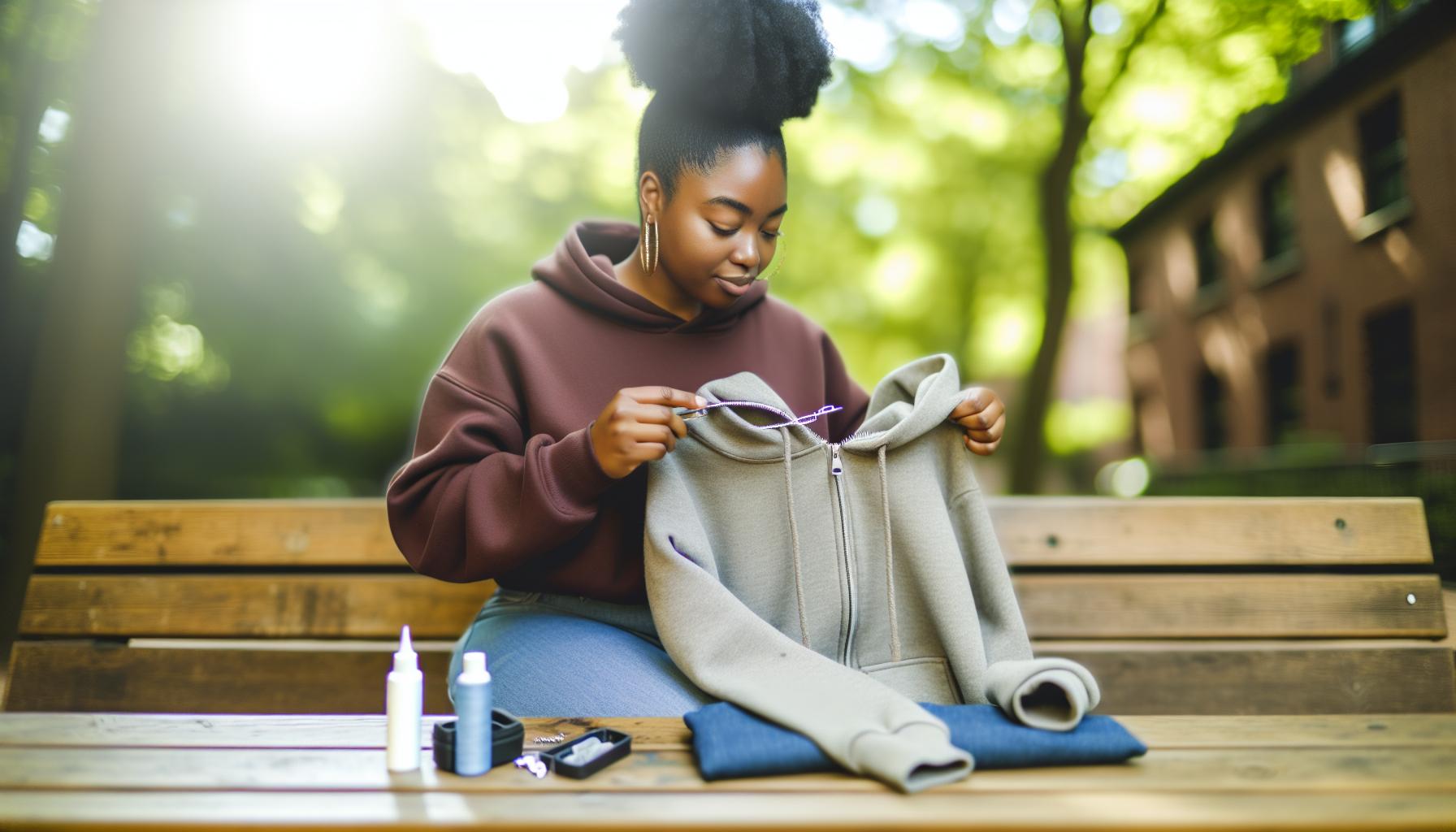
When it comes to choosing a hoodie, understanding the difference between lightweight and heavyweight options is crucial for making an informed purchase. Lightweight hoodies, typically made from thinner materials, are perfect for layering or cool, breezy days. They offer great versatility and can be easily packed away, making them ideal for travel or spontaneous outings. This style allows for breathability and comfort, especially in warmer months when you still want that cozy feel without overheating. Imagine grabbing a lightweight hoodie for a morning jog or a casual meet-up at the café-it strikes that perfect balance between style and function.
On the other hand, heavyweight hoodies are designed for warmth and durability. Crafted from thicker fabrics, these hoodies provide that reassuring bulk you want during chilly evenings or winter months. They often have a structured feel and hold up well over time, making them a favorite for those who appreciate quality craftsmanship. Heavyweight options are ideal for lounging on the couch or heading out for a crisp walk, especially when paired with your favorite sweatpants. The snug fit and warmth they offer can make those winter days much more enjoyable.
To make your choice easier, consider the following factors:
- Purpose: Determine when and where you plan to wear the hoodie. If it’s for casual outings or layering, a lightweight hoodie is a good pick. For cooler weather, opt for heavyweight.
- Material: Besides weight, look at the fabric composition. Cotton blends may provide more stretch and comfort, while fleece-lined options can enhance warmth in heavyweight hoodies.
- Fit: Lightweight hoodies may have a more relaxed fit, while heavyweight versions often come in a structured style that hugs the torso, offering a different aesthetic.
- Style: Both types offer various styles-pullovers, zip-ups, and more. Choose what aligns with your personal style and the functionalities you need.
By weighing these considerations, you can effectively select a hoodie that not only meets your fabric and weight preferences but also aligns with your lifestyle needs, ensuring you stay comfortable and stylish no matter the occasion. Whether you enjoy the soft embrace of a lightweight option or the sturdy warmth of a heavyweight hoodie, there’s no wrong choice-just one that suits you best!
Understanding Hoodie Construction: What Matters Most
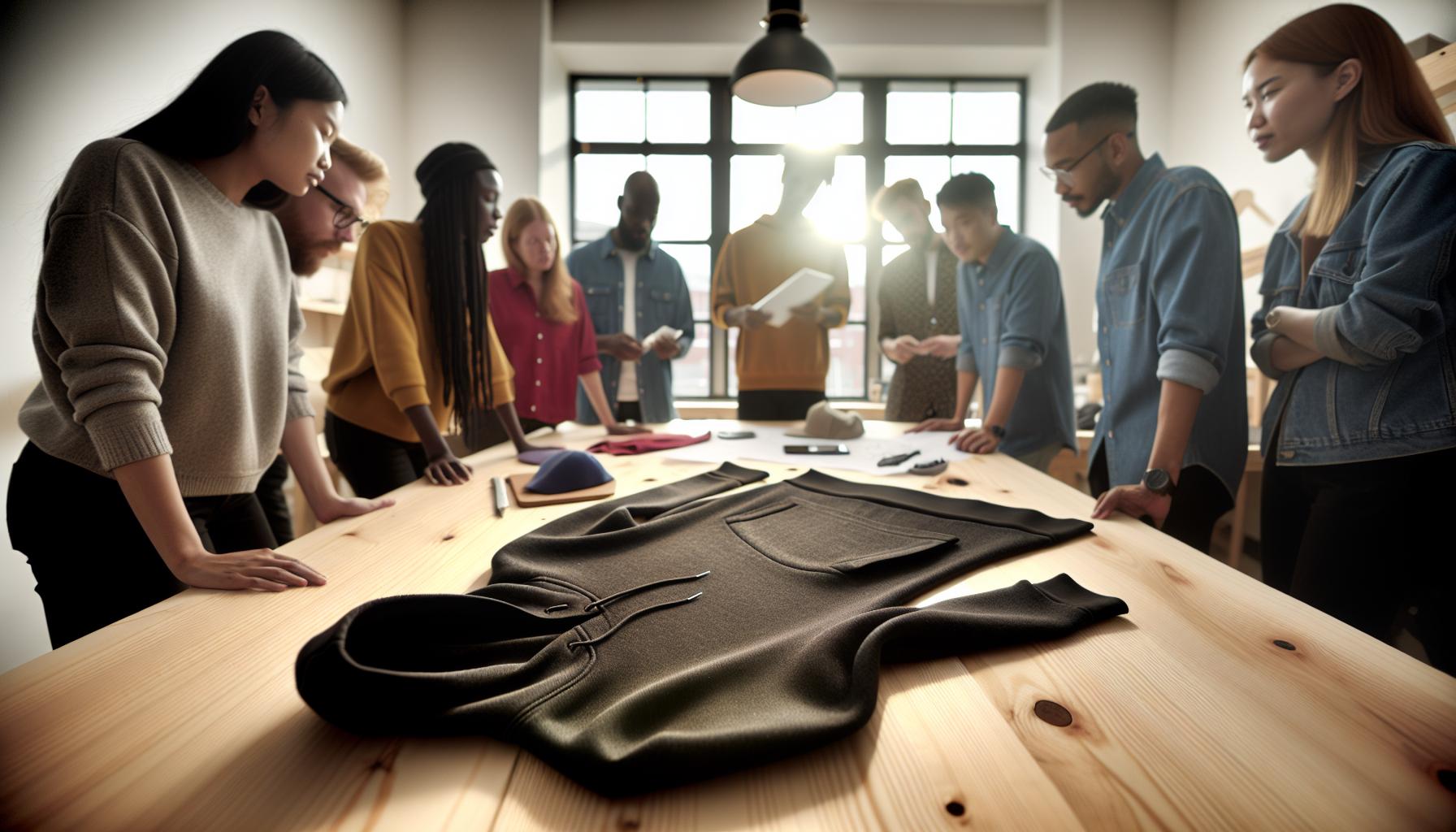
The construction of a hoodie plays a pivotal role in its overall comfort, durability, and appearance. Understanding the elements that go into making a quality hoodie not only helps you choose wisely but also empowers you to personalize it to suit your style. From the fabric to the stitching and finishing touches, each detail contributes to how your hoodie looks and feels on your body.
A prominent feature of hoodie construction is the type of fabric used. The most common materials are cotton, polyester, and fleece, each offering unique benefits. Cotton is soft and breathable, perfect for casual wear, while polyester provides durability and moisture-wicking properties, making it ideal for active lifestyles. Fleece-lined hoodies add an extra layer of warmth, great for chilly days. To achieve the best results, many manufacturers blend these materials; a cotton-polyester blend, for instance, combines comfort with strength, offering the best of both worlds.
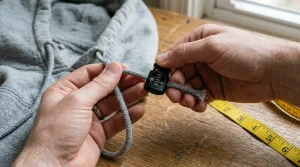
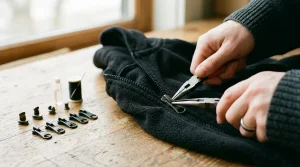
The method of construction, including the stitching used, is another crucial factor. The typical hoodie employs a combination of flatlock and double-needle stitching, which enhances the garment’s durability and stretch. Flatlock seams lie flat against the skin, minimizing irritation-a comfort factor if you wear your hoodie for extended periods. In addition, pay attention to the hardware: a quality zipper should glide smoothly without snagging, and drawstrings should be robust yet soft, ensuring you can adjust your fit perfectly without discomfort.
For the finishing touches, elements like ribbed cuffs and waistbands are not just for style; they also help maintain the shape of your hoodie and keep out drafts. Consider how well a hoodie retains its form after multiple washes; quality construction ensures that your favorite piece remains a staple in your wardrobe for years to come.
In summary, when shopping for a hoodie, remember that the construction details significantly impact your overall experience. Prioritize the fabric, stitching, and design features that resonate with your lifestyle needs. Not only will this knowledge enhance your shopping strategy, but it will also enable you to wear your hoodie with the kind of confidence that celebrates comfort and individuality.
Care Tips: Keeping Your Hoodie in Shape
Keeping your favorite hoodie in top condition is not just about maintaining its appearance; it’s also about preserving that cozy feeling we all love. A well-cared-for hoodie can last for years, making it a staple in your wardrobe, so let’s dive into some essential tips for maintaining its shape and comfort.
Washing Your Hoodie
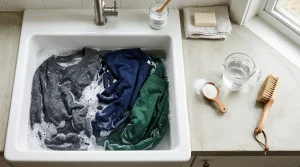
It all starts with washing. To keep your hoodie looking fresh, wash it inside out on a gentle cycle with cold water. This protects the fabric and colors from fading. Opt for a mild detergent to avoid harsh chemicals that can wear down the material over time. Avoid fabric softeners, as they can leave a residue that diminishes the moisture-wicking capabilities of materials like polyester.
Drying and Storing
When it comes to drying, the best practice is to air dry. Hang your hoodie on a clothesline or lay it flat on a drying rack to maintain its shape. If you must use a dryer, choose a low heat setting, as high temperatures can shrink or distort the fabric. Store your hoodie folded neatly in a drawer rather than hanging it, as this helps prevent stretching in the shoulder area.
Stain Removal Techniques
Accidental spills and stains are part of life, but tackling them quickly can ensure your hoodie stays looking sharp. Blot spills with a clean cloth to absorb excess liquid, then apply a mixture of mild detergent and cold water directly onto the stain. Let it sit for about five minutes before rinsing with cold water. For tougher stains, consider a gentle stain remover, always testing it on an inconspicuous area first.
Customization and Repairs
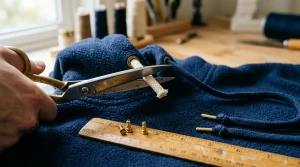
An added layer of personal care can come from customizing or repairing your hoodie. Simple DIY projects like tie-dye can breathe new life into an old garment. Consider adding personal touches through easy embroidery-whether it’s your initials or a fun design, these small embellishments not only enhance your hoodie’s uniqueness but can also conceal small wear spots. If you notice a small hole or loose thread, don’t hesitate to mend it promptly to prevent further damage.
Maintaining your hoodie is all about love and care; these steps will help you keep your favorite piece looking and feeling great for years to come. With a little attention, your hoodie can remain a reliable companion for all your cozy adventures!
Stain Removal Techniques for Hoodies
Accidental spills and stains on your beloved hoodie can feel like a fashion disaster, but with the right techniques, you can tackle them efficiently and keep your favorite piece looking fresh. Whether it’s a dribble of coffee during your morning commute or a splash of sauce from a lunchtime snack, quick action can make all the difference. By understanding the right methods to treat different types of stains, you’ll not only preserve the quality of your hoodie but also enhance its longevity.
Start by addressing any spills immediately. Use a clean cloth or paper towel to blot the stain gently-avoid rubbing, as this can spread the stain further into the fabric. Once you’ve removed the excess liquid, create a simple cleaning solution with mild detergent and cold water. Apply this mixture directly to the stained area and let it sit for about five minutes. This allows the detergent to penetrate and lift the stain from the fabric. Afterward, rinse with cold water to remove the detergent, ensuring that no residue is left behind.
For more stubborn stains, like grease or ink, you may need a specialized stain remover. However, before using any commercial product, always test it on a hidden area of the hoodie to ensure it doesn’t affect the color or fabric integrity. In case of very tough stains, consider creating a paste from baking soda and water; this can be effective against various spills. Apply it to the stain, let it sit for about half an hour, and then wash it out as per your usual routine.
Keeping your hoodie in pristine condition is essential, especially for those made from lighter materials, which can show stains more easily. By following these simple stain removal techniques and acting fast, you’ll not only maintain the aesthetic of your hoodie but also enjoy wearing it for countless cozy adventures ahead!
DIY Tie-Dye: Make Your Hoodie Unique
Transforming a simple hoodie into a unique fashion statement is not only fun but also an expression of your personal style. Tie-dyeing is a creative way to breathe new life into an old, plain hoodie, and it can be a rewarding DIY project that yields incredible results. From vibrant swirls of color to subtle pastels, the possibilities are endless, and with the right techniques, you can easily customize your hoodie to reflect your personality.
To get started, gather your materials: a plain hoodie (preferably made from cotton for the best results), fabric dye (in your favorite colors), rubber bands or string, plastic squeeze bottles, and gloves to protect your hands. You’ll also need a bucket or plastic tablecloth to keep your workspace tidy. The beauty of tie-dye lies in its unpredictability, so don’t be afraid to experiment with different folding and tying techniques. Popular methods include the spiral, the crumple, and the accordion fold, each creating a distinct pattern.
Once you’ve prepared your hoodie, it’s time to apply the dye. Use rubber bands to secure sections of the fabric before applying the dye, as this will create striking white lines in your design. Dip or squirt the fabric with dye, ensuring even coverage but leaving some areas lighter for contrast. After you’re satisfied with your color application, wrap the hoodie in plastic wrap or place it in a plastic bag to allow the dye to set. This usually takes several hours to overnight, depending on how vibrant you want the colors to be.
After the dyeing process is complete, rinse your hoodie in cold water until the water runs clear, then wash it separately in cold water with mild detergent to remove any excess dye. Always read the dye instructions for specific washing details, as some dyes may require additional steps. Remember to air dry to avoid damaging the fabric and maintain the integrity of your unique design. By adding your personal touch through tie-dye, not only do you create a stylish piece to wear, but you also gain a sense of accomplishment from crafting something all your own!
Easy Embroidery Ideas for Personalization
Personalizing your hoodie with embroidery is not only a creative venture but also a fantastic way to make a fashion statement that’s uniquely yours. Unlike the mass-produced sweatshirts you’ll find in stores, embroidered designs infuse a personal touch, showcasing your individual style and interests. Even if you’re new to sewing, simple embroidery techniques can transform your hoodie from basic to breathtaking with just a bit of effort and creativity.
To get started, consider some easy designs that can elevate your hoodie. One popular choice is monograms, where you can stitch your initials in a bold or elegant font. This not only adds a personal flair but also makes your hoodie easily identifiable, helping to prevent mix-ups with friends or family. You might also want to experiment with simple images or symbols-think hearts, stars, or even small animals. These motifs can add a touch of whimsy without requiring advanced sewing skills. For those with a bit more experience, creating a phrase or quote that resonates with you can turn your hoodie into an inspiring piece of wearable art.
Essential Tools and Techniques
Before diving in, gather your tools: an embroidery hoop, needle, embroidery thread, scissors, and fabric stabilizer are essential for achieving neat, lasting results. If your hoodie fabric is stretchy, using a stabilizer will help maintain the fabric’s shape while you stitch. Start by sketching your design onto a piece of paper, then transfer it lightly onto the hoodie using fabric chalk or a disappearing ink pen. After securing your fabric in the hoop, use basic stitches like the backstitch, satin stitch, or chain stitch to bring your design to life.
To make the process even smoother, consider using pre-made embroidery patches. These can be heat-pressed or sewn onto your hoodie, allowing you to easily customize without the need for intricate stitching. Additionally, if you’re feeling adventurous, why not host a fun embroidery party with friends? You can all create matching designs and enjoy some quality time together.
Lastly, to keep your embroidered hoodie looking fresh, wash it inside out in cold water and air dry, which will help prevent fading and maintain the integrity of your stitching. By taking the time to personalize your hoodie, you’re not just crafting a piece of clothing-you’re making a statement that reflects your unique personality and style. Now, grab your supplies and get ready to transform that cozy hoodie into a canvas for your creativity!
Styling Your Hoodie: From Casual to Chic
Transforming your hoodie from a basic piece of loungewear to a chic statement outfit is easier than you might think! These versatile garments can adapt to various styles, making them a wardrobe essential for both comfort and flair. Whether you’re heading to a casual brunch, a night out, or just running errands, a hoodie can complement your look in unexpected ways.
Start by considering the material of your hoodie, as different fabrics can drastically change your outfit’s vibe. Lightweight cotton hoodies, for instance, give a relaxed yet polished look, ideal for pairing with tailored jeans and stylish sneakers. On the other hand, heavier fleece hoodies can offer a cozy and laid-back feel when matched with joggers or lounge pants, perfect for chilling at home or taking a brisk walk.
To elevate your hoodie style even further, accessorize thoughtfully. Adding a statement necklace or a pair of stylish earrings can draw attention and enhance the outfit. Layering is another secret weapon in your styling toolkit-try wearing a fitted shirt or turtleneck underneath your hoodie for a contemporary layered look. Pair this combo with high-waisted jeans or a sleek skirt to achieve an effortlessly chic appearance. Don’t forget to experiment with your footwear: swapping out casual sneakers for ankle boots or sleek loafers can instantly elevate the ensemble.
Ultimately, the key to styling a hoodie lies in balancing comfort with chicness. Embrace the versatility a hoodie offers by experimenting with colors, fits, and accessories to express your unique style while maintaining that cozy, casual essence. Remember, it’s not just about how much your hoodie weighs or fits, but how creatively you can make it yours!
Smart Shopping: Finding the Perfect Hoodie
When it comes to shopping for the ideal hoodie, understanding the nuances of materials and styles can make all the difference. Hoodies are not just about keeping warm; they serve as a canvas for personal expression and comfort. Here’s how to navigate the variety of options available, ensuring you find one that fits your lifestyle, style, and need for mobility.
One crucial aspect to consider is the hoodie’s weight, which often correlates with the material. Lightweight hoodies crafted from breathable cotton are fantastic for layering and warmer days, providing flexibility without compromising comfort. In contrast, heavyweight options, typically made from fleece or thicker blends, are perfect for cold weather and lounging at home. Each has its place in a well-rounded wardrobe, so think about when and where you’ll be wearing your hoodie. If you plan to wear it during outdoor activities, opting for lighter materials that allow for movement and breathability can be beneficial. Conversely, if it’s more of a stay-at-home style staple, a heavyweight option might serve you best.
Fabric Matters
Different fabrics can greatly affect not only the weight but also the overall feel of your hoodie. Here are some common materials and their characteristics:
- Cotton: Soft, breathable, and comfortable; ideal for casual wear and easy to care for.
- Polyester: Durable, moisture-wicking, and often used in sporty or technical hoodies. Keeps its shape well.
- Fleece: Warm and cozy, great for winter and lounging, but can be bulkier.
- Blends: Look for hoodies combining cotton and synthetic fibers for a mix of comfort, durability, and performance.
Fit and Functionality
Pay attention to sizing and fit as well. A hoodie that’s too tight may limit movement, while one that’s too loose can create bulk. Check the sizing charts for brands, as they can vary significantly. Additionally, consider functional features like drawstrings for adjustment, kangaroo pockets for handy storage, and ribbed cuffs for a snug fit.
Always look for care recommendations when purchasing. Most hoodies are machine washable but consider air drying to maintain shape and fabric integrity. Frequent washing can wear down materials, so finding a hoodie that can handle repeated washes while retaining its original charm is essential.
In this era of customization, don’t shy away from personalizing your hoodie through DIY projects like tie-dye or embroidery. Not only does this make your hoodie unique, but it also adds a fun, creative touch that expresses your personal style. The key to smart shopping is balancing these considerations, ensuring your hoodie meets your comfort needs while being a stylish addition to your everyday look.
Sustainable Hoodie Options for Eco-Conscious Buyers
When considering a new hoodie, eco-conscious buyers are increasingly drawn to sustainable options that lessen environmental impact while offering the same comfort and style. Did you know that the fashion industry has a significant carbon footprint, and choosing sustainable materials can help mitigate that? Many brands are now focusing on sustainable practices by sourcing materials responsibly and employing eco-friendly production methods. This not only supports planet-friendly initiatives but also ensures that your hoodie is made to last.
One popular sustainable material used in hoodies is organic cotton. This type of cotton is grown without harmful pesticides and chemicals, making it a safer choice for both the planet and cotton farmers. Organic cotton hoodies are usually lightweight, super soft, and breathable, making them perfect for casual wear. Additionally, look for materials like recycled polyester, which repurposes plastic bottles into durable fabric. This minimizes waste and provides a sturdy hoodie option that can withstand frequent wear without compromising on comfort.
Brands Leading the Way
Several brands are at the forefront of the sustainable fashion wave, offering stylish hoodies without sacrificing ethical standards. Here are some examples:
- PATAGONIA: Known for its commitment to environmental responsibility, Patagonia offers hoodies made from recycled materials and organic cotton. Plus, they advocate for repairing gear over buying new, promoting a lifecycle approach.
- ALLBIRDS: This footwear brand expanded into clothing with hoodies made from Merino wool and eucalyptus tree fiber, combining comfort with sustainability in a look that’s perfect for everyday wear.
- ESA YETI: The brand focuses on using organic cotton and low-impact dyes. Every purchase also contributes to reforestation initiatives, aligning customer choices with global impact.
What to Look For
When shopping for sustainable hoodies, consider checking the following:
- Material Labels: Look for certifications like GOTS (Global Organic Textile Standard) or OEKO-TEX, which indicate eco-friendly practices.
- Durability: Choose higher-quality fabrics that will last longer, reducing your need for frequent replacements.
- Ethical Production: Research brands that prioritize fair labor practices in their manufacturing processes.
Ultimately, opting for sustainable hoodie options signifies a conscientious effort to invest in fashion that respects both people and the planet. Whether you prefer lightweight styles for layering or cozy, heavyweight pieces for comfort, there’s a sustainable choice available that aligns with your aesthetic and ethical values. Embrace comfort with a conscience, knowing that your fashion choices contribute positively to the environment.
Hoodie Trends: What’s Hot This Season
With the changing seasons come fresh trends in hoodie fashion that keep our wardrobes lively and relevant. This season, comfort meets creativity, as hoodies have transformed into versatile staples that can easily transition from lounging at home to making a statement on the streets. One of the most exciting trends this year is the rise of bold colors and prints. From vibrant tie-dye patterns to eye-catching graphic designs, there’s a hoodie for every personality. These lively pieces not only add flair to casual outfits but also reflect a playful spirit in fashion.
Sustainable fashion continues to hold its ground as a vital trend, and hoodies are no exception. More brands are focusing on eco-friendly materials and ethical production practices, making them attractive choices for environmentally conscious consumers. Look for hoodies crafted from organic cotton, recycled polyester, or eco-friendly blends that not only provide comfort but also lessen harmful impacts on the planet. With brands like Patagonia and Allbirds leading the charge, eco-conscious fashionistas can express their style while championing sustainability.
Customization is another hot topic this season, empowering hoodie lovers to express their uniqueness. Whether it’s through DIY tie-dye, embroidery, or adding patches, the possibilities for personalization are endless. Many enthusiasts are turning to simple online tutorials to learn easy sewing techniques or exploring fabric paint to create one-of-a-kind designs. This trend reflects a broader cultural movement towards self-expression and individuality in fashion, with hoodies serving as the perfect canvas for creativity.
Finally, layering remains essential as we transition into cooler weather. This season, oversized hoodies paired with fitted jackets or classic denim are incredibly chic. They not only offer the perfect balance between comfort and style but also create an effortlessly cool look. Don’t forget to accessorize with sleek sneakers or chunky boots for a well-rounded outfit. Hoodies are no longer just cozy but have evolved into a fashion statement that allows personal style to shine through while feeling snug and stylish.
Faq
Q: How much does an average hoodie weigh?
A: An average hoodie typically weighs between 12 to 20 ounces (340 to 570 grams), depending on the material and size. For a lighter option, consider hoodies made from cotton blends or lightweight fleece.
Q: What factors affect the weight of a hoodie?
A: The weight of a hoodie is influenced by its material, thickness, and design features such as pockets and lining. Heavier fabrics like heavyweight fleece will weigh more compared to lighter cotton or jersey blends.
Q: Are heavier hoodies warmer than lighter ones?
A: Generally, heavier hoodies provide more insulation and can be warmer than lighter ones. However, fabric type and fit also play a crucial role in warmth, as some lighter materials may offer better moisture-wicking properties.
Q: How do different materials impact hoodie weights?
A: Materials such as cotton, polyester, and fleece each contribute differently to hoodie weight. For instance, a cotton hoodie will typically weigh less than one made of heavyweight fleece, impacting your choice based on desired warmth and comfort.
Q: What is the standard weight for a hoodie fabric?
A: A standard hoodie fabric weight ranges from 8 to 12 oz per square yard for mid-weight options. This allows for durability and comfort, making it ideal for everyday wear.
Q: How can I determine the best hoodie weight for my needs?
A: Consider your climate and intended use. For year-round comfort, a mid-weight hoodie is versatile, while a heavyweight option is best for colder conditions. Always check material compositions to ensure they match your requirements.
Q: Do stylish hoodies sacrifice comfort for weight?
A: Not necessarily! Many stylish hoodies are designed with comfort in mind and feature lightweight materials that still provide a cozy feel. Look for designs that use breathable fabrics for the best of both worlds.
Q: Are heavier hoodies better for customization?
A: Heavier hoodies can be more suitable for customization, as their sturdy fabric holds embroidery and prints better. Consider this when choosing a hoodie for DIY projects like tie-dying or applying patches.
These answers offer clear, concise information while encouraging further exploration of hoodie options and care tips. For detailed care advice, check our sections on maintaining and personalizing your hoodies!
In Summary
Now that you know the ins and outs of hoodie weights and materials, it’s time to make informed choices that fit your lifestyle. Whether you’re looking for the perfect lightweight option for layering or a plush, heavy hoodie for chilly days, you’ve got the knowledge to shop smart. Don’t forget to check out our guides on Hoodie Care Tips and DIY Customization Projects for more ways to elevate your hoodie game!
As you explore further, consider signing up for our newsletter to stay updated on the latest trends and tips in casual wear and style. Have questions or want to share your own styling experiences? Leave a comment below – we’d love to hear from you! Your perfect casual look is just a few clicks away, so dive deeper into our content and discover how to truly make your hoodies your own!
Get our latest guides, news, and insights highlighted in your Google Search & AI Overviews.