How much does a sweatshirt weigh? A standard adult sweatshirt weighs between 14 and 18 ounces (0.85 to 1.1 lbs), lightweight athletic pullovers weigh 10 to 12 ounces, and heavyweight streetwear hoodies exceed 24 to 36 ounces (1.5 to 2.25 lbs).
Did you know that a sweatshirt’s weight can significantly impact how you style and wear it? Understanding how much a sweatshirt weighs isn’t merely a matter of curiosity; it directly affects comfort, layering, and even how you care for your favorite pieces. With a range from lightweight options perfect for layering to heavier styles ideal for colder months, knowing the weight of your sweatshirt can help you make informed choices that suit your lifestyle. Whether you’re looking to customize, maintain, or simply enjoy your sweatshirts, grasping this aspect can enhance your overall experience. Dive deeper as we unpack surprising facts about sweatshirt weights, essential for anyone passionate about comfortable, stylish casual wear!
How the Weight of a Sweatshirt Affects Comfort
The weight of a sweatshirt can play a pivotal role in defining your comfort level, and surprisingly, it’s not just about warmth. Heavier sweatshirts often provide a cozy, enveloping feeling that many find comforting, much like a warm hug on a chilly day. However, comfort is subjective and can vary significantly based on personal preferences and the intended use of the sweatshirt. For instance, a hoodie designed with added weight might be ideal for lounging at home or participating in outdoor activities during cooler weather, whereas a lighter sweatshirt may be more suitable for layering or a brisk run.
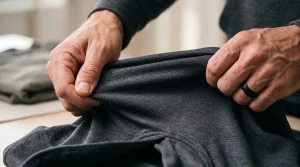
When selecting a sweatshirt, the materials and design influence not only the weight but also the overall feel. Sweatshirts made from heavier fabrics, such as fleece or a blend with cotton, generally offer more insulation, which can be beneficial for colder climates. On the other hand, a lightweight cotton or jersey blend provides breathability and is better suited for transitional seasons and active wear. Understanding these distinctions helps you make informed decisions about what to wear depending on your day’s activities or the weather.
In addition to the weight itself, the construction features like ribbed cuffs and hems can affect how a sweatshirt fits and feels. A snug fit at the hem or cuffs can create a more secure feeling, while a loose fit may contribute to a sense of freedom of movement. Moreover, how a sweatshirt drapes on your body can change your perception of comfort drastically.
While a heavier sweatshirt might seem appealing for its plushness, it’s essential to consider its practical implications too. Heavier materials can retain more heat, which might be uncomfortable in warmer conditions or during vigorous activities. Thus, striking a balance between weight and intended use is key. For those involved in physical activities, opting for a midweight option can provide a happy medium-offering warmth without overheating.
So, before diving into your next sweatshirt purchase, consider how weight affects your comfort and functionality. Choose wisely based on your lifestyle, preferences, and the climate where you live, and you’ll find the perfect fit that feels just right!
Factors Influencing Sweatshirt Weight: Materials and Design
The material and design of a sweatshirt can greatly influence its weight, ultimately affecting both comfort and functionality. When choosing a sweatshirt, understanding the different fabric compositions is crucial. For instance, sweatshirts made from heavier materials like fleece or thick cotton blends usually weigh more, often reaching between 12 to 14 ounces, which contributes to increased warmth and durability-ideal for colder months or casual lounging. In contrast, lightweight options, such as those made from 100% cotton or jersey, typically weigh less (around 0.5 to 1.7 pounds) and are designed for breathability, making them suitable for layering or physical activities in milder weather conditions.
Material Insights
The choice of fabric goes beyond mere weight; it affects the overall feel and performance of the sweatshirt. Here are some common materials and their impact on weight and comfort:
- Cotton: Soft and breathable but varying in weight based on the thickness; light cotton is great for warm weather, while heavier cotton provides more insulation.
- Polyester: Often blended with cotton to add durability and moisture-wicking properties, leading to a lightweight feel suitable for activewear.
- Fleece: A heavier option that traps heat well; perfect for chilly days but can feel bulky if you’re looking for a more streamlined fit.
- Blends: Combining materials, like cotton-polyester blends, can strike a balance between comfort and durability while affecting the weight based on the proportions used.
Design Features that Affect Weight
Aside from materials, the design and construction of a sweatshirt influence its weight. Key factors include:
- Construction Details: Ribbed hems and cuffs not only provide a snug fit but can add to the weight. The choice of stitching can also play a role; double-stitched seams are typically more durable and may weigh slightly more.
- Lining Options: Some sweatshirts feature thermal or sherpa linings, significantly increasing weight while enhancing warmth.
- Style Variations: Crewnecks typically weigh less than hoodies due to the absence of hoods and additional fabric. However, hoodies with drawstrings can add extra weight.
By understanding how materials and design impact sweatshirt weight, you can choose garments that not only fit your style preferences but also suit your lifestyle needs. Embrace the cozy comfort of your sweatshirt by selecting the right weight for every occasion-whether you need something lightweight for layering or a heavier option for added warmth.
Comparing Sweatshirt Weights: Hoodies vs. Crewnecks
When it comes to choosing between hoodies and crewnecks, understanding their weight differences can significantly impact your comfort and style choices. Hoodies typically weigh more than crewnecks due to the additional fabric required for the hood and often the drawstrings. On average, a hoodie might range from 12 to 20 ounces, making it a solid pick for colder climates, where the added coverage is essential. In contrast, crewnecks often weigh less, generally falling between 10 to 16 ounces, making them lightweight and breathable options for milder weather.
Why the Weight Matters
The weight of a sweatshirt not only dictates how warm it will keep you but also how comfortable it feels while wearing it. Heavier hoodies envelop you in warmth, ideal for lounging at home or for outdoor adventures when layering is key. However, their bulk can sometimes feel restrictive, especially if you’re looking for versatility. Crewnecks, being lighter, lend themselves well to a more relaxed and unencumbered feel, perfect for layering under jackets or wearing on their own during transitional seasons.
- Hoodies: Best for warmth and outdoor activities; they often include features like kangaroo pockets and zippers, adding to their functionality.
- Crewnecks: Simpler design, excellent for layering, and offer a more classic look that pairs well with almost any outfit.
Understanding the weight differences helps in selecting the perfect top for various scenarios. If you’re hitting the trails or having a bonfire, invest in a cozy hoodie. For a casual day out or a quick trip to the grocery store, a lighter crewneck will keep you looking sharp and feeling comfortable without the bulk.
Stylish Customization
Both options are also canvases for personalization. Consider adding some flair to your hoodies or crewnecks with DIY projects like tie-dye, embroidery, or fabric paint. Remember to wash them carefully! Always check the care label, use cold water, and avoid fabric softeners to maintain their fit and structure. For stain removal, act quickly with a mix of detergent and water, dabbing gently to keep your favorite garments looking fresh and vibrant.
Ultimately, choosing between hoodies and crewnecks comes down to your lifestyle and aesthetic preferences. Whether you lean towards the snug embrace of a hoodie or the classic simplicity of a crewneck, both options provide comfort and can be easily styled for any occasion.
Average Weight of Popular Sweatshirt Styles
Sweatshirt weights can surprise many, especially when you realize how this seemingly simple factor can influence your comfort and style. On average, hoodies tend to be a bit heftier than their crewneck counterparts, largely due to the additional fabric required for the hood, drawstrings, and sometimes even features like pockets. Most hoodies range from 12 to 20 ounces (about 340 to 570 grams), making them perfect for colder days or outdoor activities where warmth is key.
In contrast, crewnecks typically weigh between 10 to 16 ounces (approximately 280 to 450 grams). This lighter weight makes them versatile and easy to layer under jackets or over shirts for a casual yet polished look. Choosing between a hoodie and a crewneck can come down to personal preference and intended use; for cold evenings, opt for the coziness of a hoodie, while for a breezy afternoon, you might prefer the lighter feel of a crewneck.
Here’s a quick comparison to give you an idea of what to expect when shopping for popular sweatshirt styles:
| Sweatshirt Style | Average Weight |
|---|---|
| Hoodie | 12 to 20 ounces (340 to 570 grams) |
| Crewneck | 10 to 16 ounces (280 to 450 grams) |
| Zip-Up Hoodie | 14 to 22 ounces (400 to 620 grams) |
| Crop Hoodie | 8 to 14 ounces (225 to 400 grams) |
When it comes to care, heavier sweatshirts can be more forgiving in cooler weather as they tend to hold warmth better. However, regardless of weight, proper washing techniques are essential to keeping your sweatshirts looking fresh and feeling comfortable. Always wash in cold water, avoid fabric softeners, and hang dry when possible to maintain their fit and structure. With so many styles and weights to choose from, there’s a perfect sweatshirt for every occasion, ensuring you can stay cozy without sacrificing style!
Lightweight, Midweight, and Heavyweight Sweatshirts Explained
When it comes to sweatshirts, understanding the distinctions between lightweight, midweight, and heavyweight options is essential for finding the perfect fit for your lifestyle. Lightweight sweatshirts, typically weighing between 250 and 300 GSM (grams per square meter), are ideal for layering or moderate weather. They offer breathability and comfort, making them great for jogs or casual outings during spring or fall. Their thinner fabric allows for easy movement and can be paired effortlessly with jeans or shorts.
In contrast, midweight sweatshirts range from 300 to 350 GSM and strike a balance between warmth and versatility. They provide more insulation without being overly bulky, making them suitable for cooler temperatures. These sweatshirts are perfect for lounging at home or running errands in slightly chilly weather. You can wear them on their own or layer them under a jacket for extra warmth on particularly brisk days.
Lastly, heavyweight sweatshirts, exceeding 350 GSM, are the champions of warmth and structure. Ranging from about 350 to even 770 grams, they are designed to provide maximum comfort in cold conditions. Heavier fabrics not only insulate better but also tend to be more durable, standing up to the rigors of daily wear. These are your go-to choices for winter outings, sporting events, or simply curling up at home with a good book.
Understanding the weight and fabric of your sweatshirt can elevate your comfort and style game. Each weight category has its unique benefits, enabling you to choose based on the weather, occasion, or personal preference. Whether you’re cozied up at home or out with friends, knowing which sweatshirt weight suits your needs will ensure you look and feel your best.
The Impact of Sweatshirt Weight on Fit and Fashion
The weight of a sweatshirt plays a surprisingly pivotal role in how it fits and feels, influencing both comfort and style. A snug, lightweight hoodie may feel breezy and great for athletic activities, but once the temperature drops, a heavyweight option can deliver that cozy embrace that wraps you in warmth. Sweatshirt weight can dramatically affect not just how you experience the fabric against your skin, but also how it drapes and moves with you, adding character to your outfit and style.
When choosing a sweatshirt, consider how the weight impacts fit. Lightweight sweatshirts, generally between 250-300 GSM, offer a relaxed fit that’s perfect for layering. They are ideal for transitional weather, allowing for easy movement without the bulk, making them a favored choice for running errands or casual outings. In contrast, midweight and heavyweight options-over 350 GSM-often feature a more structured silhouette. This weight results in a snugger fit around the shoulders and chest, exuding a tailored look while still providing comfort for a range of activities, from lounging at home to heading out with friends.
Moreover, sweatshirt weight affects fashion versatility. Heavier fabrics can enhance the overall aesthetic, lending itself well to streetwear styles when paired with jeans or joggers, creating a confident and relaxed vibe. Meanwhile, lightweight sweatshirts pair seamlessly with layered looks or even smart casual attire, allowing for creative combinations. The beauty of a sweatshirt lies not only in its fabric but also in how you choose to wear it; with heavier options, think about styling with high-waisted jeans or layering over a collared shirt for an elevated twist.
To keep your sweatshirts looking good while maintaining their fit, remember these care tips: wash on a gentle cycle with cold water to prevent shrinkage and fading, and always air dry for best results. For a DIY touch, consider customizing your sweatshirt with tie-dye or embroidery, which not only adds a unique flair but can also make use of any old or plain sweatshirt you have lying around. With a little creativity and understanding of sweatshirt weight, you can enjoy the perfect blend of comfort and style, uplifting your wardrobe with pieces that feel as good as they look.
Care Tips: Washing and Drying Without Losing Fit
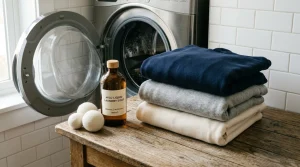
Taking care of your sweatshirts doesn’t just prolong their life; it ensures they retain that perfect fit and cozy feel we all love. Imagine your favorite hoodie maintaining its snug contour and rich color after countless adventures-this is all within your reach with the right washing and drying techniques.
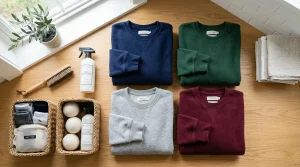
To begin, always check the care labels on your sweatshirts for specific washing instructions, but generally, here are some best practices to maintain fit and fabric integrity:
- Wash in Cold Water: Use cold water to wash your sweatshirts. This helps to preserve the color and prevent shrinkage.
- Gentle Cycle: Opt for a gentle cycle to reduce agitation. This is particularly important for avoiding fabric pilling and preserving the knit structure.
- Turn Inside Out: Before tossing your sweatshirt into the washer, turn it inside out. This simple step minimizes friction on the outer surface, keeping graphics and fabric smooth.
- Use a Laundry Bag: For added protection, especially if your sweatshirt has decorative elements, use a mesh laundry bag. This helps prevent snagging and tangling with other items.
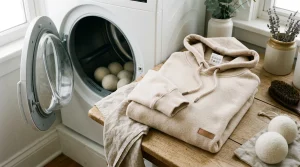
When it comes to drying, resist the temptation to toss your favorite hoodie into the dryer. The heat can cause significant shrinkage and change the fit. Instead, here’s what to do:
- Air Dry: Lay your sweatshirt flat on a clean, dry towel or a drying rack. This helps retain its shape while preventing stretching.
- Avoid Hang Drying: If you hang it, the weight of the damp fabric can stretch it out, so opt for flat drying whenever possible.
Stains? Don’t fret! For spot cleaning, a gentle dab with a mix of mild detergent and water can work wonders, allowing you to address messes without a full wash. As for customization, consider fun DIY projects like tie-dye or embroidery. These can breathe new life into old sweatshirts and express your unique style.
By following these tips, not only will your sweatshirts look great, but they will also stay true to their original fit and texture, allowing you to enjoy them season after season.
DIY Customization Ideas for Your Sweatshirt
There’s something inherently satisfying about taking a simple sweatshirt and transforming it into a personalized masterpiece. Not only does DIY customization breathe new life into old or plain garments, but it also allows you to showcase your unique style-potentially redefining how a sweatshirt feels and looks. Whether you’re seeking creative projects to do at home or ideas to jazz up your wardrobe, these customization tips will help you make your hoodies truly yours.
Creative Customization Techniques
One popular trend is tie-dyeing, a process that brings vibrant hues and funky patterns to your sweatshirt. Start with a white or light-colored hoodie, gather some fabric dye, rubber bands, and gloves. You can create spirals, stripes, or random patterns depending on how you twist and bind the fabric. After dying, ensure to rinse it thoroughly and let it dry flat to preserve its shape.
Another exciting option is to use iron-on patches. This easy method allows you to add personality without the mess of sewing. Search for patches that resonate with your interests or aesthetics, such as vintage logos, favorite animals, or funny quotes. Simply position the patches on your sweatshirt and use an iron to adhere them according to package instructions. Pants, bags, or even hats can also be customized in this way, allowing for a cohesive look.
For those who enjoy sewing, consider incorporating embroidery for a more refined, textured finish. You can hand-stitch small motifs or bigger designs to bring flair to your hoodie. Start with simple designs like flowers or geometric shapes and gradually work your way up. Embroidery not only enhances appearance but also reinforces fabric durability.
Upcycling and Repairing
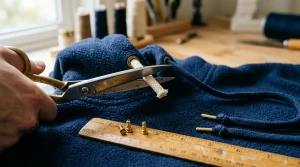
If your sweatshirt has seen better days, think about upcycling it into something new. Cut-off sleeves can be fashioned into a tank top, or you could add a contrasting fabric patch to cover a stain. This approach not only prolongs the life of your garment but also turns potential waste into fashion uniqueness.
In addition to customization, washing and care are vital to maintain your design. Always wash your customized sweatshirts inside out in cold water. Avoid using bleach-based products that may wreak havoc on your creative designs. Air drying is also the best practice to prevent your hoodie from shrinking or losing its shape, keeping those unique designs intact for longer.
By embracing these DIY projects, you’re not just wearing a hoodie-you’re wearing a story, a piece of art that radiates your personal style and creativity. So grab your supplies and let your imagination soar, transforming ordinary sweatshirts into extraordinary statements!
Styling Your Sweatshirt for Different Occasions
Crafting the perfect look with a sweatshirt can turn cozy comfort into a stylish statement suitable for various occasions. Whether you’re heading to a casual brunch, running errands, or even attending a relaxed evening gathering, there’s a way to elevate your sweatshirt game. Understanding how to style different weights and designs of sweatshirts can ensure that you appear effortlessly chic while staying comfortable.
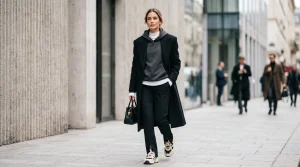
For a casual daytime look, consider pairing a lightweight hoodie with high-waisted jeans and sneakers. This combination is perfect for running errands or meeting friends for coffee. Opt for a trendy print or your favorite band tee for a vintage-inspired flair. Don’t forget to accessorize with a crossbody bag to keep your essentials handy and stylish. If the weather is chilly, layering a denim jacket over your sweatshirt can add depth and a touch of cool ruggedness to your outfit.
When it comes to work-from-home attire, the focus can shift to both comfort and professionalism. A midweight crewneck sweatshirt can be the perfect choice here. Stick with neutral colors or subdued shades to make it more office-appropriate when paired with tailored lounge pants or joggers. You can enhance this look with elegant jewelry-like hoops or a simple necklace-and have your hair pulled back for a polished appearance while enjoying the casual feel of your favorite sweatshirt.
Even in the evening, sweatshirts can shine with a little creativity. For a night out or a more formal gathering, choose a heavyweight sweatshirt that offers structure and warmth. Pair it with a sleek midi skirt and ankle boots for a contrast of sporty and chic. Adding a leather jacket can elevate the entire feel, making it perfect for a casual dinner or drinks with friends. A stylish clutch can also replace the classic backpack to keep the vibe sophisticated.
In a more relaxed social setting, like a backyard gathering or a cozy movie night, don’t shy away from expressing your personality. Customizing your sweatshirt with fun DIY techniques like tie-dye or iron-on patches can make it a unique conversation starter. Wear it with comfy joggers or even shorts, depending on the weather, to emphasize comfort while showcasing your creativity.
By thoughtfully considering how to style your sweatshirts, you can enhance their versatility and integrate them seamlessly into your life, adapting to every occasion without sacrificing comfort. With the right accessories and outfit choices, your favorite wardrobe staple can transition from a simple garment to a key player in your personal style arsenal.
Understanding Sweatshirt Construction: Key Components
When considering the world of sweatshirts, the construction details can dramatically impact both comfort and functionality, making it crucial to understand the key components that contribute to their overall feel and fit. The weight of a sweatshirt is not just a number; it’s a reflection of its materials, design, and intended use. Numerous factors come into play, translating into different experiences when wearing a hoodie or a sweatshirt.
Materials play a significant role in sweatshirt construction. Most sweatshirts are crafted from blends of cotton and polyester, which provide a balance of softness and durability. Premium heavyweight fleece, for example, is known for its plush texture and long-lasting wear, offering unparalleled comfort that hugs the body. Meanwhile, lighter fabrics can provide breathability and flexibility, making them ideal for active pursuits or warmer climates.
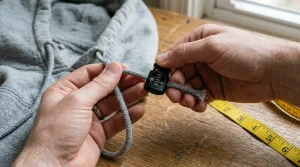
Design elements also influence how a sweatshirt feels against the skin. Key features to consider include the weight of the fabric, the construction technique, and additional details like drawstrings, cuffs, and hems. A hooded design often includes adjustable drawstrings that allow for a customizable fit, while ribbed cuffs can help retain warmth and prevent stretching over time. Moreover, stitches used in construction can either enhance durability or offer a more relaxed silhouette; flatlock stitching, for instance, reduces bulk and irritation, offering comfort for all-day wear.
Practical Considerations in Sweatshirt Care
Taking care of your sweatshirt properly can prolong its life, ensuring the materials stay soft and colors vibrant. Here are a few practical tips:
- Washing: Cold wash is your best friend! Use a gentle cycle to help maintain the fabric’s integrity.
- Stain removal: Treat stains promptly with a mild detergent before washing. For stubborn stains, consider a stain remover specific for your fabric type.
- Drying: Air dry when possible. If using a dryer, opt for a low heat setting to avoid shrinking and damaging the fabric.
Understanding these foundational elements of sweatshirt construction empowers you to make better buying choices and tailor your sweatshirts to fit your lifestyle. Whether you prefer a lightweight option for summer layering or a heavyweight fleece for cozy winter days, knowing the intricate details can elevate your hoodie game. Plus, with some creativity, you can even personalize your sweatshirts through DIY techniques like embroidery or tie-dye, highlighting your personal style while enjoying maximum comfort.
Innovative Uses for Old Sweatshirts Beyond Fashion
Old sweatshirts provide an incredible opportunity for creativity that goes beyond their original purpose as cozy garments. Instead of tossing out those worn-out favorites, consider transforming them into something entirely new and functional. Not only does this breathe new life into an otherwise neglected item, but it also aligns with sustainable practices, helping to reduce waste while still embracing that comfy aesthetic.
One fantastic idea is to repurpose your sweatshirt into a stylish tote bag. By cutting off the sleeves and cinching the bottom, you can create a unique, pockets-included carryall that’s perfect for grocery shopping or a day at the beach. For those who enjoy sewing, consider adding a lining for added durability or even embellishing the exterior with patches or fabric paint to make it truly one-of-a-kind!
Another innovative use is turning sweatshirts into pillows or cushions. Simply cut and fill the sweatshirt with stuffing or old fabric scraps, then sew or tie the opening shut. This is not only a fun project but also an excellent way to add a personalized touch to your home décor. For a cozy movie night, having these unique, comfortable pillows can elevate the experience.
If you’re looking for a fun DIY project, consider adding a hoodie to your workout routine! Transform an old sweatshirt into a workout headband or wristbands by cutting and sewing the fabric to fit snugly on your head or wrists. This not only gives your attire a sporty edge but also allows you to repurpose fabric that might otherwise go unused.
Additionally, consider turning that old sweatshirt into a cuddly pet bed. Just cut part of the fabric and stitch or tie together the edges, leaving one side open for your pet to climb in. It’s a snuggly way to ensure your furry friend stays comfortable while giving new purpose to your old favorite.
With these innovative uses, old sweatshirts can find new life as functional, creative projects while adding a personal touch to your lifestyle. Embrace the DIY spirit and let your imagination run wild-there’s so much potential in that everyday comfort wear!
Sweatshirt Weight FAQs: Common Questions Answered
Understanding sweatshirt weight can significantly improve your comfort and style choices. Curious about how much your favorite sweatshirt might weigh? It’s worth noting that the weight of sweatshirts can vary greatly due to several factors, including fabric type, design elements, and additional features. Here are some common questions and essential insights to help you navigate the world of sweatshirt weights.
What is the average weight of a sweatshirt?
Typically, sweatshirts weigh between 10 to 24 ounces. The average crewneck or hoodie generally falls into the midweight category of around 16 to 20 ounces, providing a cozy feel without being overly bulky. Heavier options, often dubbed heavyweight, can go beyond 20 ounces, offering extra warmth, perfect for cooler climates or layering under a jacket.
How does sweatshirt weight affect comfort?
The weight of a sweatshirt can greatly influence its comfort and wearability. Lightweight sweatshirts (around 10-14 ounces) are great for milder weather, giving you breathability and ease of movement. Midweight options are versatile, suitable for transitional seasons, while heavyweight sweatshirts offer robust warmth ideal for cold days. However, the fit and fabric type also play significant roles; a well-fitted heavyweight sweatshirt can feel just as comfortable as a lightweight one if made from soft, high-quality materials.
Can I customize the weight of my sweatshirt?
Absolutely! If you find sweatshirts with hoods that feel too heavy, you can lighten them by trimming excess fabric or removing the hood altogether. Additionally, you can sew in lightweight inner linings or use various techniques to incorporate lighter materials, customizing your sweatshirt’s overall feel without sacrificing style.
What should I consider when washing and maintaining my sweatshirt?
To maintain the fabric’s integrity and avoid unnecessary weight fluctuations due to shrinkage, you should always wash your sweatshirt inside out in cold water. Avoid using bleach, and line drying is preferable to retain shape. If you choose to tumble dry, use a low heat setting. Regular care prevents excessive wear and keeps your sweatshirt feeling cozy and looking fresh longer-ensuring that you can enjoy your favorite piece in comfort and style for years to come.
Incorporating these insights will not only enhance your understanding of sweatshirt weights but also empower you to make confident choices in your casual wear collection. Whether you’re exploring customization options or ensuring the longevity of your favorite pieces, you can embrace sweatshirt culture with flair!
FAQ
Q: What is the average weight of a standard sweatshirt?
A: The average weight of a standard sweatshirt typically falls between 250 to 400 grams (8.8 to 14.1 ounces), depending on whether it is lightweight or heavyweight. Lighter options are great for layering, while heavier styles provide more warmth and structure, making them ideal for colder weather.
Q: How does the fabric type affect sweatshirt weight?
A: Fabric type significantly impacts sweatshirt weight. Cotton blends often weigh less, while fleece-lined or thicker fabrics can increase overall weight. When choosing a sweatshirt, consider the materials to ensure it meets your comfort and style preferences.
Q: Are there different weight categories for sweatshirts?
A: Yes, sweatshirts are usually categorized as lightweight (200-280 GSM), midweight (280-350 GSM), and heavyweight (350-400 GSM). Each category serves different purposes, from relaxed fit for layering to thicker options for warmth.
Q: Does the weight of a sweatshirt influence its shrinkage potential?
A: Yes, the weight of a sweatshirt can influence its shrinkage. Heavier fabrics often shrink less due to denser fibers, while lighter materials may shrink more in wash. Always check care labels and wash with cold water to minimize shrinkage.
Q: How can I reduce the weight of my sweatshirt for travel?
A: To reduce the weight of your sweatshirt for travel, choose lightweight options, and consider packing methods like rolling instead of folding. Additionally, look for sweatshirts made from breathable, lightweight fabrics that still provide comfort without bulk.
Q: What maintenance tips can keep my sweatshirt weight consistent?
A: To maintain consistent weight, wash your sweatshirt inside out in cold water, and avoid high heat when drying. This prevents fabric breakdown and maintains shape, ensuring your sweatshirt stays comfortable and retains its intended weight.
Q: How does the weight of a sweatshirt impact its style versatility?
A: The weight of a sweatshirt greatly influences its style versatility. Lightweight options pair well with layering outfits for warmer days, while heavyweight sweatshirts offer a more structured look suitable for casual outings, providing flexibility for various occasions.
Q: Why is it important to consider sweatshirt weight when purchasing?
A: Considering sweatshirt weight is crucial as it affects comfort, warmth, and style. Heavier sweatshirts provide insulation for colder weather, while lighter ones are ideal for warmer temperatures and layering. This helps in choosing the right fit for different activities.
The Way Forward
Thanks for diving into our exploration of sweatshirt weights! Understanding how much a sweatshirt weighs not only helps you choose the right one for your needs but also opens the door to fun DIY projects and care tips. If you’re eager to enhance your hoodie collection, check out our guides on styling tips and washing instructions to keep them looking fresh. Don’t forget to explore our article on customization ideas for that unique touch!
Ready to make your sweatshirts work for you? Sign up for our newsletter for the latest insights on hoodie trends, care tips, and exclusive deals. Share your thoughts or questions in the comments below-we’d love to hear your experiences and tips! Keep your hoodie game strong, and remember, every great outfit deserves a comfortable and stylish sweatshirt!
How Much Does a Sweatshirt Weigh? Ounces, GSM & Shipping Charts
Whether calculating e-commerce postal shipping tiers or packing luggage for international travel, determining how much does a sweatshirt weight (grammatically searched as how much does a sweatshirt weigh) depends on fabric density, garment size, and hardware:
| Sweatshirt Category | Fabric GSM Density | Average Garment Weight (Ounces) | Typical Weight (Lbs / Grams) |
|---|---|---|---|
| Lightweight Terry Crewneck | 200 – 240 GSM | 10 – 12 oz | 0.65 – 0.75 lbs (280–340g) |
| Standard Midweight Fleece (Gildan 18000) | 270 – 300 GSM | 14 – 16 oz | 0.88 – 1.00 lbs (400–450g) |
| Midweight Hoodie with Pocket & Drawstrings | 300 – 350 GSM | 18 – 22 oz | 1.12 – 1.38 lbs (510–620g) |
| Heavyweight Streetwear (Reverse Weave / Yeezy) | 400 – 500+ GSM | 28 – 38 oz | 1.75 – 2.38 lbs (800–1080g) |
Lightweight French Terry vs Heavyweight Reverse Weave Fleet Specs
Shipping and postal packaging considerations:
- The USPS 1-Pound (16 oz) Postal Cliff: Lightweight crewnecks in poly mailers stay under 15.9 oz, qualifying for lower USPS Ground Advantage commercial rates, whereas heavy hoodies push into the 1.5–2.5 lb rate tier.
- Size Multiplier: A 3XL hoodie consumes nearly 40% more fleece yardage than an XS, adding approximately 4 to 6 ounces of total physical weight.
Get our latest guides, news, and insights highlighted in your Google Search & AI Overviews.