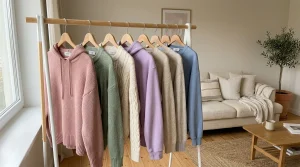
Is wearing a hoodie a sign of depression? While wearing hoodies constantly can serve as a subconscious coping mechanism for emotional shielding and social anxiety, it is primarily a comfort preference providing deep-pressure sensory grounding and casual physical relaxation.
Hoodies are more than just a cozy clothing choice; they have become cultural icons representing comfort and style. However, the often-discussed association between hoodies and mental health raises crucial questions about their role in expressing emotions and coping mechanisms. While wearing a hoodie can be a simple matter of choice, it’s important to explore the myths and realities surrounding this casual staple. Are they a reflection of inner struggles, or merely a fashion statement? By delving into this topic, we aim to provide clarity and understanding to those who might wonder about the deeper meanings behind hoodie-wearing habits. Join us as we unravel the complexities of hoodie culture and its potential links to mental well-being, fostering awareness and compassion along the way.
The Psychology Behind Casual Wear and Mental Health
The connection between casual wear, specifically hoodies, and mental health is more profound than many realize. Hoodies often represent comfort and safety, acting as a psychological armor for those who may be struggling. When people wear hoodies, it can provide a sense of anonymity and security, creating a buffer against the outside world. This feeling is particularly powerful for individuals facing anxiety or depression, as the cozy fabric and familiar style can evoke a sense of ease that combats overwhelming emotions.
Furthermore, hoodies can serve as a form of self-expression, allowing wearers to communicate their mood or identity without uttering a word. For instance, a brightly colored hoodie might signify a vibrant, spirited attitude, while darker shades may indicate a more introspective or somber mindset. By choosing different styles, colors, and even custom designs, individuals can tailor their hoodies to reflect their mental state or even help them cope with their feelings.
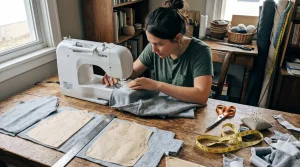
Caring for your hoodie extends beyond typical washing; it’s also about the experiences it collects along the way. Consider adding a personal touch through DIY projects like tie-dye or embroidery. Not only does this enhance the garment’s uniqueness, but it also turns the hoodie into a cherished item that holds memories, further enriching its comforting quality. Remember to wash your hoodie in cold water and hang it to dry to preserve those cherished designs and the feel of the fabric.
In sum, the psychology behind casual wear like hoodies intertwines closely with mental health, reflecting comfort, identity, and personal narratives. For many, it’s not just a piece of clothing; it’s a valued companion during both good and challenging times.
Common Myths About Hoodies and Depression
Wearing a hoodie can definitely spark conversations about mental health, often leading to misconceptions about its relationship to depression. One common myth suggests that anyone who wears a hoodie frequently is suffering from depression. However, this oversimplifies a complex issue. Hoodies can be a personal style choice rooted in comfort, fashion, or even cultural trends, rather than an indication of someone’s mental state. Many people enjoy the cozy embrace of a hoodie without it reflecting their emotional wellbeing.
Another misunderstanding is that hoodies are exclusively linked to negative mental health states. In reality, they can also represent empowerment and individuality. For instance, someone might wear a hoodie emblazoned with a favorite band or a motivational message, showcasing a positive self-image or a connection to their community. Conversely, just because someone prefers to wear hoodies often does not mean they are depressed. They might simply appreciate the comfort and versatility of the garment, using it as a canvas for self-expression through unique designs and creative customization.
To separate fact from fiction, it’s crucial to look beyond stereotypes. Here are essential points to keep in mind:
- Comfort vs. Mental State: Many people choose hoodies for their physical comfort, not as a reflection of their emotional struggles.
- Style as Expression: Hoodies can serve as a means of self-definition, showcasing personal interests or artistic flair.
- Community and Belonging: Wearing hoodies can symbolize belonging to subcultures or communities, adding layers to how we view this clothing choice.
When it comes to wearing and caring for hoodies, don’t hesitate to personalize them! Creative options like tie-dye and embroidery can transform a simple piece into a cherished item that resonates with your identity. For a beginner-friendly DIY project, try tie-dying with bright colors to express joy or using embroidery to add your initials or a meaningful quote. Maintain your hoodie’s quality by washing it in cold water and hanging it to dry, preserving those vibrant designs.
In essence, while hoodies may be associated with certain moods, they are also a versatile and beloved garment, reflecting trends, individuality, and comfort rather than serving solely as a sign of depression. Embracing hoodie culture means celebrating its positive aspects and recognizing the diverse stories behind them.
Signs of Depression: Understanding the Symptoms
Recognizing the signs of depression can be transformative, both for individuals who may be experiencing these feelings and for those who wish to support them. Depression is often not just a fleeting bad mood but a persistent condition characterized by various emotional and physical symptoms that impact daily life. This understanding can be particularly crucial when discussing attire choices, such as wearing hoodies, which can sometimes be perceived as indicators of one’s mental state.
Common symptoms of depression may include feelings of sadness or emptiness, a loss of interest in previously enjoyed activities, and difficulty concentrating. Individuals may also experience significant changes in appetite or sleep patterns-either a marked increase or decrease-leading to noticeable weight loss or gain. These shifts can create a cycle, as the consequences of poor self-care might lead to further withdrawal and negative self-perception. It’s essential to differentiate between these serious signs and the mere choice of wearing a comfy, cozy hoodie, as the latter simply may symbolize comfort or a personal style rather than an emotional cry for help.
Physical Symptoms to Watch For
Additionally, physical symptoms can manifest alongside emotional struggles. Fatigue and low energy levels are prevalent in those experiencing depression. It’s not uncommon for individuals to feel as though they are carrying a heavy burden, which might contribute to an inclination toward more comfortable clothing like hoodies. This, however, does not mean that wearing them is inherently linked to poor mental health; it could also signify a desire for comfort amidst stressful circumstances.
Creating a Supportive Environment
If you suspect someone might be experiencing depression, fostering a supportive environment can make a significant difference. Encourage open discussions about feelings and listen actively without judgment. Help them explore ways to engage in enjoyable activities that may reinforce their sense of self-worth and joy. Simple gestures, such as sending them a customized hoodie that resonates with their interests or values, might spark warmth and connection.
Recognizing the symptoms of depression is vital for early intervention and support. While a hoodie can offer comfort and a means of expression, it’s important to look deeper at the signs of emotional distress. Being aware and thoughtful about these differences encourages a more compassionate viewpoint that celebrates individuality, whether through clothing choices or emotional health journeys.
Hoodie Fashion: A Cultural Phenomenon
The hoodie has evolved from a simple piece of clothing into a powerful cultural symbol that resonates with various generations and subcultures. Originally designed for function-outfitted for athletes and laborers-it has since transcended its utilitarian roots to embody self-expression, comfort, and defiance. Among younger demographics, particularly, hoodies project a sense of belonging, identity, and sometimes even rebellion against societal norms. This garment speaks volumes, often signifying a laid-back lifestyle while also serving as a canvas for individual style and creativity.
For those looking to make their hoodies uniquely theirs, customization offers an exciting avenue. Think about introducing elements like tie-dye, embroidery, or even fabric patches that reflect personal interests and passions. Here are some tips on DIY customization:
- Tie-Dye: Use fabric-safe dye to create vibrant, swirling patterns. Secure sections of the hoodie with rubber bands to form unique designs.
- Embroidery: A few stitches can add character. Consider personalizing the hoodie with initials, meaningful symbols, or favorite quotes.
- Patches: Sew or iron on fabric patches that resonate with your personality or values; think logos, quotes, or images that inspire you.
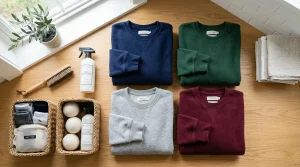
Taking care of your hoodie is equally important to maintain its fit and finish. Here are a few care tips:
Washing and Maintenance
- Washing: Turn your hoodie inside out to preserve graphics and colors. Use cold water and a gentle cycle to prevent distortion.
- Stain Removal: Treat stains with a mixture of baking soda and water before washing. Avoid bleach, which can damage the fabric.
- Drying: Air dry whenever possible to prevent shrinkage. If using a dryer, opt for a low heat setting.
As a fashion statement, hoodies can be paired with various outfits. They blend effortlessly into casual streetwear looks when thrown over jeans or leggings, while also fitting in with more polished outfits when layered under a trench or paired with tailored chinos. The versatility of the hoodie makes it a staple for all seasons, easily adaptable for layering or standing alone as a statement piece.
Overall, embracing hoodie culture allows individuals to celebrate comfort while also delving into personal style. Whether worn for warmth, fashion, or as a token of identity, hoodies connect diverse groups and inspire creativity, making them more than mere clothing-they are a cultural phenomenon worthy of appreciation and exploration.
When Comfort Becomes a Red Flag
For many, slipping into a favorite hoodie offers an instant sense of comfort, warm cocoon-like sensation, and escape from the world. However, when that comfort becomes a constant choice, especially during challenging times, it can signal something deeper. Hoodies, while often associated with relaxation and casual style, might also indicate when someone is grappling with their mental health. A dilemma arises when the solace provided by a hoodie transcends mere preference, integrating itself as a barrier to engagement with the outside world and genuine emotional expression.
Individuals facing mental health challenges, such as depression or anxiety, may find themselves turning to their hoodie for security, leading to an isolating cycle. Wearing the same hoodie daily can become a form of emotional camouflage, allowing one to withdraw from social interactions while creating a façade of normality. It’s crucial to discern whether this behavior stems from a desire for comfort or if it represents a growing detachment from life outside. Encouraging a friend or loved one to embrace different clothing choices can sometimes open the door to deeper conversations about their emotional state, fostering a supportive environment for healing.
When the act of wearing a hoodie becomes excessive-perhaps a refusal to wear anything else, or avoidance of social settings-it may be a red flag. Instead of a playful assertion of style, it can morph into a uniform of sadness. In these instances, it’s important to take note of accompanying symptoms such as lack of motivation, withdrawal from friends, or changes in sleeping or eating habits. While a hoodie may comfort one when times are tough, monitoring these patterns offers an opportunity for compassionate intervention.
To help navigate this delicate territory, approach the situation with understanding and open communication. Foster discussions about style preferences as part of a more prominent conversation about mental well-being. Suggest comfortable clothing choices that don’t confine them to the hoodie, such as lightweight jackets or layering options that maintain that cozy feel while inviting variety. Reinforcing the notion that change is okay and can be liberating may pave the way for exploration of new styles and ultimately a healthier mindset.
How to Differentiate Between Style and Signal
Wearing a hoodie is a beloved fashion choice for many, serving as a symbol of comfort, style, and individuality. However, distinguishing between wearing a hoodie as a personal preference and as a potential sign of emotional distress can be a nuanced endeavor. It’s essential to consider the context and the wearer’s overall behavior. For instance, while throwing on a hoodie may be a quick, effortless way to express one’s casual side, wearing it excessively or in isolating circumstances could suggest deeper issues at play.
To navigate this delicate balance, look for accompanying behaviors or changes in routine. If someone wears a hoodie consistently, paired with withdrawal from social activities, it may signal a desire to hide or escape from interactions. On the flip side, if a hoodie is stylishly integrated into an outfit, varied with accessories, or chosen for its aesthetic appeal rather than solely for comfort, it reflects a fashion-forward mindset. Pay attention to how the individual presents themselves; if their clothes reflect their personality and mood positively, they’re likely wearing them as a style statement rather than a signal of distress.
Embracing the culture of hoodies involves celebrating their versatility. They can be customized and styled in endless ways, from simple embroidery to bold tie-dye projects. This creativity can also serve as an expressive outlet, giving individuals a sense of control over their identities. Here are some practical tips for maximizing your hoodie wardrobe:
- Care Instructions: Always wash hoodies inside out in cold water to maintain color and softness. Avoid bleach and opt for gentle detergent to prevent fabric wear.
- Stain Removal: For stubborn stains, apply a small amount of dish soap directly to the stain and let it sit for 10 minutes before washing.
- DIY Customization: Try tie-dyeing your hoodie for a unique look-use rubber bands to create designs before adding dye, and follow with heat setting for vibrant colors.
- Styling Tips: Pair your hoodie with stylish joggers or distressed jeans for a laid-back vibe, and layer it under a denim or leather jacket for added flair.
Understanding the subtle differences between style and emotional signals is vital for fostering supportive environments. While hoodies bring comfort and are a canvas for self-expression, vigilance in recognizing excessiveness can lead to meaningful conversations. Engaging with someone about their fashion choices can open the door for deeper discussions about their mental state, making it an impactful avenue for support and understanding.
Positive Aspects of Wearing Hoodies
Wearing hoodies offers a multitude of benefits that reach far beyond mere comfort and style. For many, these garments evoke a sense of security and familiarity, acting as a warm embrace on chilly days or a cozy companion during stressful times. Hoodies can be an essential part of a balanced wardrobe, combining practicality with an opportunity for personal expression. Their versatility enables wearers to effortlessly transition from lounging at home to running errands or meeting friends, showcasing their individual style without sacrificing comfort.
One of the most appealing aspects of hoodies is their customization potential. Whether through DIY tie-dye projects, embroidery, or simple patches, individuals can transform a standard hoodie into a unique reflection of their personality. This can enhance self-esteem and foster creativity, providing a productive outlet for expression. Some popular DIY ideas include:
- Custom Tie-Dye: Create vibrant patterns using rubber bands and fabric dye. A step-by-step approach can lead to stunning results that make your hoodie stand out.
- Embroidery: Add personal messages or designs by hand or using a sewing machine for an elevated, personal touch.
- Patchwork: Sew on favorite patches or badges to infuse a sense of nostalgia or honor for hobbies and interests.
Wearers also appreciate the layered styling options a hoodie provides. It can be paired seamlessly with various garments such as jeans, leggings, or joggers, adapting to different styles for casual outings or even cozy nights in. For instance, layering a hoodie under a structured jacket adds dimension to an outfit while ensuring warmth. Additionally, opting for hoodies made from soft, breathable fabrics promotes comfort throughout the day, making them ideal clothing choices for work-from-home scenarios or outdoor activities.
In terms of care, keeping your hoodie in tip-top shape is straightforward. Always wash hoodies inside out in cold water to preserve colors and fabric integrity, and avoid using bleach, which can be harsh on the materials. To tackle stubborn stains effectively, simply apply a small amount of dish soap directly onto the area, let it sit for about 10 minutes, and then wash. These maintenance tips ensure that hoodies remain a reliable go-to in your wardrobe for years to come, supporting not only your style but your emotional well-being too.
Exploring Other Clothing Choices and Mental States
Wearing certain types of clothing can serve as a barometer for our emotional states, and hoodies are a prime example of this phenomenon. While hoodies are often synonymous with comfort and casual style, they can also be indicators of deeper emotional currents. Beyond the cozy fabric and relaxed fit, individuals may gravitate towards hoodies during challenging times as a protective layer, both physically and psychologically. This connection raises the question: What do other clothing choices reveal about mental states, and how do these garments serve different purposes?
Different types of clothing can evoke specific feelings and comfort levels. For instance, oversized garments often provide a sense of security and warmth, much like a gentle hug, while fitted clothing might encourage a sense of confidence or empowerment. Understanding these associations can be crucial for addressing emotional needs. Here are a few categories to consider:
- Comfort-Wear: Pajamas and sweats are ideal for relaxing and unwinding, often indicating a desire to escape stress.
- Active Wear: Clothing intended for exercise can be a sign of motivation and a proactive approach to mental health, promoting endorphins and self-care habits.
- Distressed or Vintage Styles: Clothing that features a worn-in look may reflect nostalgia or a personal narrative, revealing how past experiences shape present emotions.
When exploring why someone may lean towards specific styles, it’s essential to acknowledge the intent behind the choice. A colorful outfit might signal a desire to express joy, while muted tones and baggy fits might indicate a need for retreat or comfort. The act of choosing clothing can be an empowering form of self-expression, allowing individuals to navigate their mental landscapes with intention.
As you assess your wardrobe, consider what your clothing choices communicate about your mental state. Embrace the versatility of hoodies, not only as a comfortable staple but also as a canvas for creativity and expression. Engage in DIY projects to personalize your hoodies, reinforcing positive self-identity and connection. For example, using iron-on patches or fabric paint can transform a simple hoodie into a unique piece that tells your story. Remember, our clothing can be more than just fabric; it can be a reflection of our inner selves and a supportive tool in navigating our emotional journeys.
How to Support Someone Who Wears Hoodies
Supporting someone who frequently wears hoodies can be a nurturing and constructive experience, particularly if their choice of clothing serves as a comfort blanket during tough times. Hoodies are synonymous with warmth, both physically and emotionally, making them a common go-to for those seeking solace. Understanding how to approach and support a friend or loved one in this context can make a significant difference, showing them that you care while ensuring they feel safe and understood.
One of the most effective ways to connect with someone who gravitates towards hoodies is to engage in open dialogue. Encourage conversations about how they feel about their hoodie style and the comfort it brings them. Ask questions like, “What do you love most about your favorite hoodies?” or “Is there a particular moment when you find yourself reaching for your hoodie?” These inquiries can open avenues for deeper discussions about their emotional state. Furthermore, when you celebrate their style-whether it’s by complimenting a unique design or sharing ways to customize their hoodies-you can empower them to express themselves further through this comfortable medium.
While emotional support is paramount, practical assistance can also play a crucial role. Encourage them to personalize their hoodie collection through DIY projects, like tie-dye, embroidery, or adding patches. Not only does this foster creativity, but it can also enhance their sense of ownership and pride in their garments. Offer to organize a crafting day together, where you can dive into these projects-this shared experience can serve as a bonding moment and help them channel their emotions in a positive manner.
Moreover, it’s essential to recognize moments when their hoodie-wearing becomes excessive, potentially signaling a need for professional support. While a hoodie can be a comforting shield, it’s crucial to differentiate between a comforting choice and an emotional retreat. If you notice signs of withdrawal or persistent sadness, gently suggest engaging in activities outside of their comfort zone, reassuring them that taking small steps can lead to meaningful change. Ultimately, showing compassion and understanding while providing constructive support will create a safe space for them to navigate their emotions and find comfort in both their clothing and your friendship.
Expert Opinions: Psychologists Weigh In
Wearing hoodies has become a cultural phenomenon, transcending mere fashion to become an emotional crutch for many individuals. As experts weigh in on the relationship between hoodie-wearing and mental health, it’s vital to understand that the reasons someone may frequently don a hoodie can be multifaceted. While some may link it to signs of depression, psychologists emphasize that context matters. For many, a hoodie represents comfort and safety, akin to wrapping oneself in a protective layer during stressful times.
Psychologist Dr. Lisa James notes, “Hoodies can provide a sense of security. When individuals feel vulnerable, they might gravitate towards clothing that feels cozy and familiar.” This sense of protection can sometimes be misinterpreted as a sign of social withdrawal or deeper mental health issues. However, not every hoodie-wearer is struggling; often, it’s simply a choice of comfort and personal expression. A hoodie can symbolize a coping mechanism rather than an overt signal of distress.
Moreover, experts encourage open dialogue surrounding clothing choices. Dr. Michael Chen, a clinical psychologist, suggests asking questions to better understand the implications of a loved one’s hoodie-wearing habits. “Questions like ‘What do you feel when you wear that hoodie?’ can reveal deeper insights about comfort and emotional safety,” he asserts. This approach fosters an environment where feelings can be expressed without judgment.
In navigating the complexities of hoodie culture, embracing DIY customization can also play a role in self-expression. Adding patches, tie-dye techniques, or even embroidery allows individuals to personalize their hoodies, making them not just symbols of comfort but also unique representations of their persona. These creative outlets can enhance emotional well-being by channeling feelings into tangible projects, giving wearers a sense of autonomy and pride in their style. In summary, while hoodies can sometimes hint at underlying issues, they more often serve as expressions of comfort and individuality, inviting connections rather than assumptions.
The Role of Clothing in Self-Expression
Wearing a hoodie is not just about staying warm; it can reflect individuality and express personal style, serving as a canvas for self-expression. The versatility of hoodies allows for an endless spectrum of customization and styling, making them a popular choice for many. Whether adorned with personal art, clever phrases, or simply in a favorite color, how one styles a hoodie often communicates more than just comfort-it can represent moods, beliefs, or personal stories.
Crafting Your Identity Through Customization
One of the most exciting aspects of hoodie culture is the potential for DIY projects that cater to individual tastes. Consider these creative options to personalize your hoodie:
- Embroidery: Adding intricate designs or personal initials can transform a basic hoodie into a unique statement piece.
- Fabric Paint: Use fabric markers or paint for quick, customizable designs that reflect your unique personality.
- Patches: Sew or iron on patches that represent your interests or memories-these can be reminders of trips, hobbies, or favorite bands.
- Tie-Dye: A fun and messy way to turn a solid color hoodie into an explosion of colors and patterns, showcasing your playful side.
Practical Care Tips for Your Hoodies
To keep your hoodie looking fresh and vibrant, proper care is essential. Follow these simple tips:
- Washing Instructions: Always wash hoodies in cold water to prevent shrinkage and fading. Turn them inside out to protect the outer design.
- Stain Removal: For stubborn stains, pre-treat with a gentle stain remover and let it sit for about 10 minutes before washing.
- Drying: Air dry your hoodie to maintain its shape and prevent fabric wear. If using a dryer, opt for the lowest heat setting.
Styling Your Hoodie for Every Occasion
A hoodie can fit into almost any casual setting with simple tweaks. Here are some styling tips to elevate your hoodie look:
Layering: Pair your hoodie with a denim jacket or a long coat for a chic contrast.
Pairing: Combine your favorite hoodie with fitted jeans or joggers for a balanced silhouette. Accessorizing with a beanie or a cap can add a trendy twist.
Footwear: Sneakers are the classic choice, but consider ankle boots or slip-ons for a stylish variation that enhances your outfit’s vibe.
With these insights and tips, wearing a hoodie transcends simple comfort; it becomes an empowering act of self-expression. Whether you’re customizing, caring for, or styling your hoodie, it radiates a unique statement reflective of who you are. Embrace the hoodie culture, and let it speak to your individuality and comfort!
Creating a Balanced Approach to Mental Well-being
Wearing a hoodie can serve as more than just a way to stay warm; it can be a powerful tool for comfort and expression during times of stress or emotional upheaval. When navigating mental well-being, it’s essential to find balance in how we dress and care for ourselves. Understanding the psychological implications of clothing choices, such as hoodies, allows individuals to create a supportive environment that fosters positive mental health.
Finding balance involves recognizing both the comfort that casual wear provides and ensuring it doesn’t become a hiding place. While hoodies can symbolize a safe space to retreat when feeling overwhelmed, it’s vital to also engage with the world outside of that comfort zone. This means occasionally stepping out of our go-to outfits and experimenting with styles that encourage emotional well-being. For instance, wearing vibrant colors or patterns can uplift mood and foster a sense of engagement with life.
Practical Tips for Maintaining Balance
through clothing includes practical steps for care and customization that enhance personal expression:
- Routine Check-Ins: Regularly assess not just your emotional state but also how your wardrobe choices reflect it. If you find yourself only reaching for hoodies, consider introducing pieces that challenge your comfort zone.
- Incorporate Color: Experiment with colorful accessories or detailed patterns in your hoodies to brighten your outlook and infuse energy into your wardrobe.
- DIY Customization: Engaging in hands-on projects like tie-dying or embroidery can be cathartic and a wonderful way to personalize your attire, turning what you wear into a reflection of your unique identity.
Understanding Emotional Signals
As hoodies are often associated with comfort, being mindful of when and why we choose them can help in understanding our mental states. If you find yourself gravitating towards a hoodie on particularly tough days, it may be beneficial to explore those feelings thoughtfully. Keeping a journal or sharing experiences with a friend can open pathways to understanding whether hoodies are a therapeutic escape or a signal to seek additional support.
Incorporating self-care routines that include how we dress can transform our everyday experience. While hoodies symbolize comfort, remember that balance nurtures growth. Experimenting with styles, materials, and colors allows for a richer self-expression that aligns with emerging moods and emotional states, reinforcing a more profound understanding of personal well-being. Embrace the power of clothing-make it an ally in your journey towards a healthier mindset.
Q&A
Q: What does wearing a hoodie signify about someone’s mental health?
A: Wearing a hoodie can suggest a desire for comfort and security, which may be related to emotional states. However, it does not necessarily indicate depression. It’s important to consider additional signs and context rather than drawing conclusions based solely on clothing choices.
Q: How can I tell if someone is using a hoodie as a coping mechanism?
A: Look for behaviors such as frequent withdrawal from social situations, a marked change in clothing style, or an increase in hoodie wear during stressful times. These could indicate an emotional coping mechanism, but it’s vital to approach the subject sensitively.
Q: Can wearing hoodies promote mental well-being?
A: Yes! Hoodies often provide a sense of comfort and protection, which can be beneficial for mental well-being. Choose soft, well-fitting hoodies that make you feel good, and consider incorporating them as part of a cozy self-care routine.
Q: Are there specific hoodies that promote awareness of mental health issues?
A: Absolutely! Many brands offer hoodies designed to raise awareness of mental health issues, featuring inspirational messages or symbols. These can serve as conversation starters and help reduce stigma surrounding mental health.
Q: Is it common for teenagers to wear hoodies during periods of depression?
A: Yes, teenagers often wear hoodies to cope with feelings of insecurity, isolation, or depression. The comfort and anonymity provided by hoodies can be appealing during tough emotional phases, but it’s essential to remain attentive to other signs of distress.
Q: What are some stylish alternatives to hoodies for expressing emotions?
A: If you’re looking for alternatives, consider oversized sweaters, cardigans, or layered clothing that can provide similar comfort. Fabrics like fleece or soft cotton also maintain a casual look while allowing for personal expression and emotional comfort.
Q: How should one approach a friend who wears hoodies frequently?
A: Engage in a supportive conversation. Ask how they are feeling and listen without judgment. Encourage open dialogue about emotions and offer to spend time together in a comforting setting. Let them know that wearing a hoodie is perfectly fine, but their mental health is what matters.
Q: Could cultural factors influence hoodie-wearing trends concerning mental health?
A: Yes, cultural perceptions can significantly affect hoodie-wearing trends. In some cultures, hoodies may symbolize rebellion or counterculture, while in others, they represent comfort and casualness. Understanding these contexts can shed light on the deeper meanings behind this attire.
The Way Forward
As we’ve explored, wearing a hoodie isn’t a clear-cut indicator of depression; it can be a means of comfort for many. Understanding the nuances around clothing choices can empower you to express yourself freely while keeping your mental health in mind. If you’ve enjoyed this discussion, consider checking out our resources on mental health awareness and styling tips for hoodies that celebrate this versatile piece of clothing!
Don’t forget to share your thoughts or experiences in the comments below – your voice matters! For those looking to dive deeper into ways to care for and personalize your hoodies, we have detailed guides on DIY customization and proper washing techniques. Remember, whether you wear a hoodie out of style or comfort, embrace it fully! For more engaging content like this, subscribe to our newsletter and stay connected to a community that values both mental well-being and personal expression. Your next favorite hoodie adventure is just a click away!
Is Constantly Wearing a Hoodie a Sign of Depression? Psychology Explored
In school hallways, remote work desks, and public transit, oversized hoodies have become the uniform of an entire generation. When parents or friends ask is constantly wearing a hoodie a sign of depression?, mental health clinicians identify several intersecting behavioral drivers:
| Psychological Dimension | Underlying Behavioral Mechanism | Clinical vs Everyday Interpretation |
|---|---|---|
| Sensory Grounding | Enclosed fleece replicates Deep Touch Pressure (DTP) therapy | Normal calming mechanism; reduces nervous system hyperarousal |
| Social Armor / Concealment | Puffed hood and deep pocket hide facial cues and body contours | Common in introversion and social anxiety; acts as a visual shield |
| Depressive Fatigue Coping | Eliminates cognitive burden of wardrobe decisions (“decision fatigue”) | Often paired with lethargy, social withdrawal, and low motivation |
| Body Image / Dysmorphia | Oversized boxy cut obscures physical weight or silhouette | Coping mechanism for body dysmorphic disorder (BDD) discomfort |
Sensory Processing Comfort, Social Armor, & Body Dysmorphia Realities
Distinguishing between fashion comfort and mental health concerns:
- The Neurodivergent “Safe Garment”: Individuals with Autism spectrum traits or ADHD frequently adopt hoodies as sensory regulation tools, using soft textures to block out overwhelming ambient stimuli.
- When to Seek Support: If hoodie wear is accompanied by persistent refusal to leave home, poor hygiene, hopelessness, or abandoning previously loved activities, seek guidance from a licensed therapist.
Get our latest guides, news, and insights highlighted in your Google Search & AI Overviews.