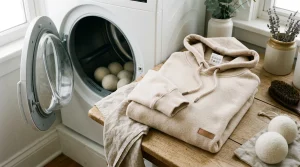
Is sweatshirt material considered fleece? Yes, standard sweatshirt fabric is categorized as brushed fleece knit; it is constructed with smooth jersey knitting on the exterior face and looped yarns on the interior that are mechanically napped and wire-brushed to create soft, insulating fleece pile.
Did you know that the type of fabric your favorite sweatshirt is made from can significantly affect its comfort, durability, and style? Understanding sweatshirt fabric is essential for making informed choices about what to wear, how to care for your garments, and even how to customize them. Whether you’re snuggling up at home or heading out for a casual day, knowing the difference between fleece, cotton blends, and polyester can enhance your overall experience. In this ultimate material guide, we’ll dive into the various fabrics used in sweatshirts, explore their benefits, and offer practical advice on how to style, care for, and personalize your casual wear. By the end, you’ll not only appreciate the cozy culture of sweatshirts but also feel empowered to choose and maintain your attire with confidence. Let’s explore the wonderful world of sweatshirt fabrics together!
What Types of Fabrics Are Used for Sweatshirts?

Sweatshirts are a quintessential piece of casual wear, combining style and comfort in one cozy package. But have you ever wondered what makes them so soft and warm? The answer lies in the types of fabrics used to craft these beloved garments. Understanding these fabric options can help you make informed choices when it comes to style, comfort, and care.
The most common fabric used in sweatshirts is cotton, prized for its breathability and softness. Cotton sweatshirts offer a comfortable fit and excellent moisture absorption, making them ideal for both lounging and active wear. For an added layer of warmth and a slight stretch, many sweatshirts incorporate polyester or a cotton-poly blend. These synthetic fibers not only enhance durability but also help maintain the sweatshirt’s shape and resist wrinkles, making them perfect for everyday wear.
Another popular choice is fleece, a soft, plush fabric that provides superior insulation. Fleece sweatshirts are perfect for colder weather, offering unmatched warmth without the weight. For those who want sustainable options, many brands now offer sweatshirts made from recycled materials, including post-consumer plastic bottles. These eco-friendly options not only help reduce waste but also come in a variety of stylish designs, allowing you to stay fashionable while being kind to the planet.
When choosing the right fabric for your sweatshirt, consider factors like climate, intended use, and personal comfort preferences. Whether you prefer the natural softness of cotton, the durability of polyester blends, or the warmth of fleece, there’s a sweatshirt out there that perfectly suits your lifestyle. Remember, a good sweatshirt is not just a piece of clothing; it’s a versatile wardrobe staple that offers warmth, style, and endless possibilities for customization and personal expression.
The Science Behind Sweatshirt Fabric Composition
Sweatshirts meld comfort and functionality into an everyday staple, and understanding the science of their fabric composition can elevate your wearing experience. Ranging from soft cotton to insulating fleece, each material plays a vital role in how the sweatshirt feels, performs, and lasts over time. The fabric not only dictates your comfort level but also influences care methods, customization options, and even the versatility of styling for all occasions.
One of the primary constituents is cotton, known for its breathability and soft touch. This natural fiber is favored for sweatshirts because of its ability to wick away moisture, keeping you dry and comfortable during various activities. However, cotton alone may not provide much stretch or durability, which is why many manufacturers blend it with polyester. This combination retains the cotton’s softness while leveraging polyester’s resilience, which helps sweatshirts maintain their shape through countless wears and washes. The result is a fabric that feels familiar yet withstands the rigors of daily life.
Other advanced materials like fleece have gained popularity due to their excellent insulation properties. Soft and plush, fleece sweatshirts are perfect for chilly evenings or outdoor adventures. Unlike traditional cotton, fleece is often made from synthetic fibers, which can provide additional warmth without the bulk. Plus, eco-conscious consumers can opt for fleece made from recycled plastics, supporting sustainability while enjoying a cozy garment. When considering your sweatshirt, think about what each fabric offers in terms of climate adaptability and personal activity levels.
Understanding this fabric composition is essential for selecting the perfect sweatshirt for your lifestyle. Caring for your sweatshirt also varies by material, so always check care labels to avoid shrinking or fading. Customization techniques like tie-dye or embroidery can also take advantage of the fabric’s characteristics-soft cotton absorbs dyes beautifully, while polyester blends might hold patterns longer. A well-chosen sweatshirt serves as the canvas for your style, offering endless potential for creativity and expression in a comfortable package.
Understanding Fabric Blends: Why They Matter

When it comes to sweatshirts, understanding fabric blends is key to finding the perfect fit for your lifestyle and comfort needs. A popular choice among brands is the blend of cotton and polyester, harmoniously combining the best attributes of both materials. Cotton provides breathability and a soft feel against the skin, making it ideal for casual wear. Polyester, on the other hand, enhances durability and shape retention, ensuring that your sweatshirt looks great even after numerous washes. This synergy results in a fabric that feels soft and cozy while being resilient enough to handle everyday wear.
Beyond the cotton-polyester combo, various other blends can enhance performance. For instance, adding spandex to a fabric blend not only increases stretch but also allows for a greater range of motion-perfect for active lifestyles. Meanwhile, fleece, often made from polyester, offers incredible warmth without bulk, catering to those chilly nights. Pairing fleece with cotton can add softness, making it a popular choice for relaxed leisurewear. Always consider how the weight and feel of different blends can impact your experience, especially for seasonal wear.
When selecting a sweatshirt, think about what activities you’ll engage in most often. If you plan to wear your sweatshirt during workouts, look for blends with moisture-wicking properties or those that include performance fabrics. On the flip side, if you’re after a cozy evening at home, a heavier cotton fleece blend may be your best bet. Recognizing these nuances can elevate your comfort level, allowing you to enjoy your favorite piece of clothing to its fullest potential.
To keep your sweatshirt looking its best, always pay attention to care instructions associated with specific fabric blends. Most cotton-polyester blends can be machine washed and dried, but air-drying can prolong their lifespan. For fleece or specialized performance fabrics, consider more delicate cleaning methods to maintain their structure and warmth. This attention to detail not only ensures the longevity of your sweatshirt but also enhances your overall wearing experience, making every outing or cozy night in a pleasurable one.
How to Choose the Right Sweatshirt Material
Choosing the right material for your sweatshirt can transform both your comfort and style. Whether you’re snuggling up on a couch or out and about, the fabric plays a crucial role in how you feel. Cotton is a go-to for its softness and breathability, making it perfect for lounging. If you’re looking for something that retains its shape and withstands frequent washes, consider polyester or poly-cotton blends. These fabrics not only provide durability but can also offer a sleek look that pairs well with various outfits.
When selecting your sweatshirt, it’s essential to think about how you’ll use it. Are you planning on wearing it during workouts? Look for materials that boast moisture-wicking capabilities to keep you dry. Fleece-lined options are perfect for colder days, offering warmth without excessive bulk. If you’re after something versatile, choosing a blend that includes a bit of spandex can enhance comfort and flexibility, making it ideal for both active and casual wear.
Another great aspect of modern sweatshirt fabrics is the range of textures available. You can find options like brushed fleece for an ultra-soft feel or loopback cotton for a lighter, airy experience. These subtle differences can enhance your overall experience and allow you to express your personal style. Don’t forget to consider weight; lighter materials are ideal for layering, while heavier fabrics may be better suited for standalone pieces during chilly weather.
Finally, don’t underestimate the power of customization. Sweatshirts made of softer, more pliable materials lend themselves well to DIY projects-think tie-dye or embroidery. When you choose your fabric, consider how it will perform not only in wear but also in care. Most sweatshirt materials can be machine washed, but always check the care label. For longevity, stick with cold water washes and avoid high-heat drying to keep those fibers intact. A little attention to detail goes a long way in maintaining the look and feel of your cherished sweatshirts!
Care Tips for Maintaining Your Sweatshirt’s Fabric
Maintaining the fabric of your sweatshirt isn’t just about keeping it clean-it’s an essential step to preserving the style and comfort that makes it an everyday favorite. Fabrics like cotton, polyester, and blends each have their characteristics, and knowing how to care for them can significantly extend their lifespan. For instance, cotton is beloved for its soft, breathable qualities but can shrink if not washed correctly. Polyester offers durability but is prone to static and pilling. Understanding these nuances is your secret weapon for sweatshirt longevity!
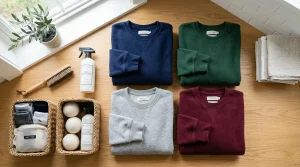
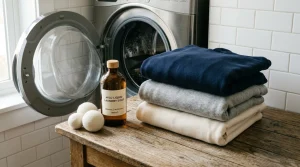
To keep your sweatshirt looking fresh and feeling cozy, follow these care tips:
Washing Instructions
- Machine Wash Cold: Always opt for a cold water cycle to prevent shrinking and fading. Hot water can cause damage and set stains.
- Gentle Cycle: Use the gentle cycle to minimize wear and tear on the fabric. This setting keeps your sweatshirt looking new for longer.
- Avoid Fabric Softeners: These can leave residues that impact moisture-wicking properties, especially in technical fabrics designed for workouts.
Drying and Storage
- Air Dry When Possible: Rather than tossing your sweatshirt in the dryer, air dry it on a flat surface. Hang it up only if you’re confident it won’t stretch out of shape.
- Use Low Heat: If you must use a dryer, opt for a low heat setting to avoid shrinking and damage to any prints or embellishments.
- Store Properly: Fold your sweatshirt to prevent stretching, and store it in a cool, dry place to avoid moisture buildup and potential mildew.
Stain Removal Techniques
- Act Quickly: The sooner you treat a stain, the better. Blot gently with a clean cloth-not rub-to avoid spreading the stain.
- Use Mild Detergent: For oil or grease stains, apply a little dish soap directly to the stain, let it sit for a few minutes, then wash as usual.
- Test First: Always test any stain removal product on a small, inconspicuous area of the fabric before applying it to the stain itself.
Pro tip: Your sweatshirt is a canvas for personal expression. If you’re contemplating customization-like tie-dye or embroidery-opt for softer materials that handle such projects well. Not only does this add a unique touch, but caring for customized clothing often means selecting appropriate wash settings that preserve the integrity of the embellishments.
A thoughtful approach to laundry and care can keep your sweatshirt feeling and looking fabulous, making it the well-loved piece in your wardrobe for years to come!
Stain Removal Techniques for Different Fabrics
Maintaining the pristine look of your favorite sweatshirt can feel like a challenge when stains threaten its cozy charm. However, knowing the right techniques for removing stains based on different fabric types empowers you to keep your casual wear fresh and stylish. Sweatshirts made from popular materials like cotton, polyester, and blends each require tailored approaches to effectively banish blemishes without causing further damage.
For cotton sweatshirts, the secret lies in acting swiftly. Blot any excess liquid with a clean, dry cloth before treating the area. Use cold water and a gentle detergent for washing; for tougher stains, a mixture of baking soda and water can work wonders as a paste, applied directly to the stain and left to sit for about 15 minutes before washing. Remember, avoid using hot water, as it can set the stain permanently and shrink the fabric.
When tackling stains on polyester, the first step is to assess the nature of the stain. For oil-based stains, sprinkle some baby powder or cornstarch to absorb excess grease. After letting it sit for a few minutes, brush it off and wash the area with a mix of dish soap and cold water. Polyester is resilient, but be cautious-high heats can cause it to melt or warp, so always stick to cold washes and air drying when possible.
Quick Stain Removal Guide
- Cotton: Blot, apply baking soda paste, wash with cold water.
- Polyester: Absorb grease, use dish soap solution, wash in cold water.
- Blends: Identify predominant fabric; follow specific care tips for cotton or polyester as needed.
Embracing the individual care needs of sweatshirt fabrics not only ensures they stay looking great but also enhances their overall lifespan. Whether you’re layering up for chilly days or showcasing your creativity with DIY projects like tie-dye or embroidery, mastering stain removal techniques will keep your hoodies as vibrant as your style. So next time you spill that morning coffee or catch a splash from lunch, don’t fret-just remember these handy tips and get back to rocking your favorite sweatshirt with confidence!
DIY Customization Ideas for Your Sweatshirt
Transforming a plain sweatshirt into a personalized piece is not only a fun activity but also a great way to express your creativity and unique style. There’s something incredibly satisfying about taking a cozy, everyday item and turning it into a one-of-a-kind statement piece that reflects who you are. From simple embellishments to bold designs, the customization possibilities are endless.
One popular method is tie-dyeing, which can add vibrant colors and patterns to your sweatshirt. It’s an easy process that requires fabric dye, rubber bands, and gloves. Start by dampening your sweatshirt, then twist and bind it with rubber bands in sections. Apply the dye in the desired colors, let it sit according to the dye instructions, and rinse once you’re happy with the intensity. The result will be a beautifully swirled or patterned garment that feels fresh and unique. If you’re looking for something less messy, consider fabric paint. You can use stencils or freehand designs to create everything from simple shapes to intricate artwork. Just make sure to set the paint according to package instructions to ensure longevity.
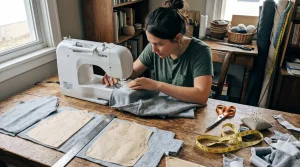
Another playful idea is to add embroidered patches. Not only do these add personality, but they can also cover any stains or holes. Choose patches that resonate with your interests-like animals, favorite phrases, or symbols. Sew or iron them onto your sweatshirt wherever you feel it adds flair. If you are handy with a sewing needle, consider embroidery for more intricate designs. Creating your designs can be a calming and fulfilling endeavor. Start small with your initials or a favorite design, and as you gain confidence, you can tackle larger images.
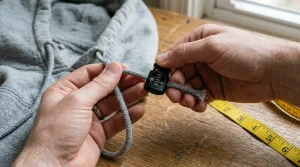
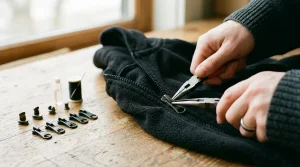
For those who aren’t quite ready for a full DIY composition, adding decorative elements like drawstrings, fabric appliqués, or even fabric glue can elevate your sweatshirt’s look. Use sewing kits to replace or embellish the drawstrings for a pop of color or a contrasting texture.
Whichever method you choose, remember to wash and care for your customized sweatshirt according to its material. Always use cold water and a gentle detergent to maintain the integrity of your designs while ensuring it remains soft and comfortable. With just a bit of creativity and effort, your sweatshirt can narrate your unique style story!
Styling Tips: How to Wear Sweatshirts Like a Pro
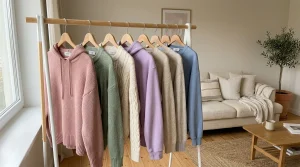
Wearing a sweatshirt doesn’t mean sacrificing style for comfort. In fact, hoodies and sweatshirts can be versatile staples that elevate your casual look. To wear them like a pro, consider playing with proportions and layering. Pair an oversized sweatshirt with fitted jeans or leggings for a balanced silhouette. You can also opt for a cropped hoodie with a high-waisted skirt, giving a trendy flair to your ensemble. This mix of shapes not only flatters your figure but also adds a stylish edge to your outfit.
Accessorizing is another powerful way to enhance your sweatshirt look. Try throwing on a statement necklace or bold earrings to bring attention upward. For a more casual vibe, layer a denim or leather jacket over your sweatshirt. Additionally, don’t shy away from shoes: chunky sneakers can provide an athleisure vibe, while ankle boots can make your outfit feel more polished. A crossbody bag or backpack can complete the look, adding functionality without compromising style.
Consider the fabric of your sweatshirt as well. Lightweight cotton is great for layering, while fleece-lined varieties are perfect for colder days. This choice can affect how you style your look. For example, a soft, cozy sweatshirt pairs beautifully with joggers for a relaxed day at home, or you can dress it up with tailored trousers for a coffee date. Remember to think about color and patterns too. A plain hoodie can be effortlessly styled with printed bottoms, whereas a patterned sweatshirt might work best with solid colors to keep the focus on your top.
Ultimately, confidence is key when wearing a sweatshirt. Embrace the comfort and flexibility that this beloved piece offers. Experiment with your style-don’t be afraid to mix and match, layer, and accessorize. The more you play with your outfit, the more you’ll discover the endless possibilities that sweatshirts can provide for a chic and comfortable wardrobe!
Buying Guide: What to Look for in Sweatshirt Fabric
When it comes to selecting the perfect sweatshirt, understanding the fabric is crucial to ensuring comfort, durability, and style. The fabric directly influences how your sweatshirt feels against your skin, how well it retains heat, and how easy it is to care for. Here are some essential factors to consider when you’re on the hunt for the right sweatshirt fabric.
- Cotton: A classic choice, cotton is soft, breathable, and naturally hypoallergenic. Look for 100% cotton for a plush feel, or opt for a cotton blend for added durability, as blended fabrics can resist shrinking and wrinkling.
- Fleece: This fabric is often made from polyester and provides excellent insulation, making it ideal for colder weather. Fleece-lined sweatshirts are especially comfy, but check the weight of the fleece-lighter options can be great for layering, while heavier ones are perfect for warmth.
- French Terry: This fabric has small loops on one side, offering a unique blend of softness and stretch. It’s moisture-wicking, making it a great choice for workouts or chilly evenings.
- Polyester: Known for its durability and resistance to stretching, polyester is often blended with other fabrics. Lightweight and moisture-wicking, polyester sweatshirts are perfect for active lifestyles.
- Eco-Friendly Fabrics: If sustainability is a priority, look for sweatshirts made from organic cotton, recycled polyester, or bamboo. These materials not only minimize environmental impact but also tend to offer unique texture and comfort.
Consider the Weight and Feel
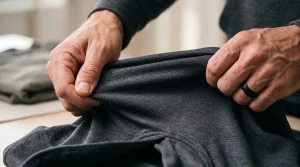
The weight of the fabric can greatly affect your overall experience. Lightweight options are more versatile for layering, while heavier fabrics provide warmth. It’s also essential to pay attention to the texture; some fabrics can irritate sensitive skin. Always check for details like brushed interiors for added comfort.
The Construction Matters
Pay attention to details like stitching and the presence of drawstrings or elastic cuffs. High-quality stitching signifies durability, so inspect for reinforced seams. Additionally, adjustable drawstrings can help customize the fit around your hood, while ribbed cuffs and hems can help keep warmth in.
When choosing your next sweatshirt, remember these factors not only enhance your comfort but also ensure your style game is on point. With the right fabric and construction, your sweatshirt can quickly become a staple in your wardrobe, adaptable for various occasions and activities. Whether you’re layering for a cozy day in or heading out for a casual meet-up, the perfect sweatshirt fabric will keep you feeling and looking great.
The Evolution of Sweatshirt Fabrics Over the Years
From cozy winter nights to casual brunches, sweatshirts have become a staple in wardrobes around the globe. But have you ever considered how these comfy garments have evolved over the years? The history of sweatshirt fabrics is a fascinating journey that reflects both technological advancements and changing fashion trends.
Initially, sweatshirts were primarily made from simple cotton fabric. This early version was practical but not necessarily stylish. However, as athletic wear gained popularity in the mid-20th century, manufacturers began to experiment with other materials. The introduction of polyester and blends of cotton and polyester revolutionized sweatshirts by enhancing durability and reducing shrinkage, making them more suitable for an active lifestyle. These innovations allowed for the creation of lighter, moisture-wicking options, perfect for workouts and leisurely activities alike.
As the 21st century progressed, sustainability became a focal point in fashion. This shift led to the emergence of eco-friendly fabrics such as organic cotton and recycled polyester. These materials not only help reduce waste and environmental impact but also offer unique textures and comfort, appealing to eco-conscious consumers. Brands have embraced these eco-friendly fabrics, promoting them as fashionable choices that align with a more sustainable lifestyle.
Today, we not only enjoy various fabric options like fleece, French terry, and performance blends but also have access to customization techniques. Creative projects such as tie-dye, embroidery, and screen printing have enabled sweatshirt wearers to express their individuality. As we embrace the sweatshirt’s legacy, we look forward to further innovations that combine comfort, style, and sustainability to cater to our ever-evolving fashion preferences.
How to Measure and Fit Your Sweatshirt Properly
Measuring and fitting your sweatshirt properly can transform your casual wear from just comfortable to exceptionally stylish. A well-fitted sweatshirt not only enhances your look but also maximizes your comfort. Whether you’re opting for that classic crewneck or a trendy hoodie, getting the right fit requires a few straightforward steps that can easily be tackled at home.
Start by gathering your tools; you’ll need a measuring tape, a notepad, and possibly a friend to assist you. When measuring, it’s essential to note the following dimensions:
- Chest Width: Measure around the fullest part of your chest, just under your armpits. Keep the tape level and relaxed.
- Length: Measure from the highest point of your shoulder down to where you want the hem to fall. This can vary based on preference-some prefer a longer fit while others favor a cropped look.
- Shoulder Width: Measure from the edge of one shoulder to the edge of the other, ensuring the tape follows the natural curve of your shoulders.
- Sleeve Length: With your arm slightly bent, measure from the center back of your neck, across your shoulder, and down to your wrist.
Choosing between a loose and a more fitted style can influence your measurements too. For a relaxed fit, add an inch or two to your chest measurement to ensure comfort when layering. Conversely, if you’re going for a sleeker silhouette, stick closely to your actual measurements.
Once you have your dimensions, compare them to the sizing chart provided by the brand, as sizes can vary significantly between manufacturers. When you try on your sweatshirt, check the fit around the shoulders and chest; it should allow for movement without being overly baggy or tight. Pay attention to the sleeve length as well; it should ideally fall just past the wrist while allowing for comfortable arm movement.
Finally, remember that fabric type plays a role in how a sweatshirt fits. Materials like cotton can stretch and may shrink after washing, while polyester blends tend to maintain their shape. Always consider the material when deciding on your size to ensure your sweatshirt fits well both initially and after multiple washes. With these tips, you’re well on your way to finding that perfect fit that combines comfort and style!
Exploring Sustainable Sweatshirt Fabric Options
With growing awareness of environmental issues, sustainable fabric options for sweatshirts are becoming increasingly sought after. Modern consumers are not just looking for comfort and style; they want to make choices that reflect their values and reduce their ecological footprint. This movement is influencing brands to explore innovative materials that not only feel great but also do good for the planet.
A popular option in the realm of sustainable fabrics is organic cotton. Unlike conventional cotton, which often involves harmful pesticides and synthetic fertilizers, organic cotton is cultivated using eco-friendly practices that are better for the environment. This fabric is soft, breathable, and durable, making it a fantastic choice for sweatshirts that you’ll want to wear time and again. Additionally, many brands now offer sweatshirts made from recycled materials-such as recycled polyester, which takes plastic bottles and turns them into a cozy, stylish garment. This not only helps to reduce waste but also conserves resources by cutting down on new raw materials.
Exploring Alternative Materials
Another eco-conscious choice gaining traction is Tencel, made from sustainable wood sources. This fabric uses a closed-loop system that recycles water and solvents, making the production process significantly less taxing on the environment. Tencel is known for its softness and moisture-wicking properties, perfect for sweatshirts designed for both lounging and active wear. Additionally, hemp is making a strong comeback as a sustainable fabric. It grows quickly and requires minimal water and pesticides, creating a lower environmental impact. Hemp sweatshirts are not only durable but become softer with each wash, offering long-lasting comfort.
For a chic and unique touch, consider brands that incorporate plant-based dyes into their sweatshirt designs. These natural dyes are derived from fruits, vegetables, and minerals, providing beautiful color options without the harmful chemicals found in synthetic dyes. If you’re feeling creative, you can also customize your own sweatshirt using DIY methods like tie-dyeing or embroidery with natural threads to further the sustainability journey.
In summary, when choosing sweatshirts, look for materials that are produced sustainably, like organic cotton, recycled polyester, Tencel, or hemp. Not only will you be making a positive impact on the environment, but you’ll also be investing in quality garments that offer style, comfort, and longevity. Being conscious in your choices allows you to enjoy your casual wear while contributing to a healthier planet.
Frequently Asked Questions
Q: What types of sweatshirt fabrics are the most popular?
A: The most popular sweatshirt fabrics include cotton, polyester, and fleece. Cotton offers breathability, polyester adds durability and moisture-wicking properties, while fleece provides warmth and softness. Each fabric has unique benefits, making them ideal for different styles and purposes. For more details, check our section on fabric types.
Q: How does the fabric of a sweatshirt affect its comfort?
A: The comfort of a sweatshirt’s fabric is influenced by its softness, breathability, and stretch. Fabrics like cotton and fleece are generally softer and more comfortable against the skin. Choosing the right blend can also enhance flexibility and moisture management. Learn more about choosing materials in our relevant section.
Q: Can I use fabric softener on sweatshirt fabric?
A: Yes, you can use fabric softener on sweatshirt fabric, but sparingly. It can enhance softness, but overuse may diminish the fabric’s moisture-wicking properties. Always check the care label for specific instructions to keep your sweatshirt in top shape.
Q: What are the best materials for eco-friendly sweatshirts?
A: Eco-friendly sweatshirt materials include organic cotton, bamboo, and recycled polyester. These fabrics reduce environmental impact while still providing comfort. For a deeper dive into sustainable options, explore our section on exploring sustainable sweatshirt options.
Q: How do I know if my sweatshirt fabric is high quality?
A: High-quality sweatshirt fabric typically feels soft, has a good weight, and maintains its shape after washing. Look for fabrics that resist pilling and fading. You can refer to our buying guide for practical tips on identifying quality materials.
Q: What is the difference between fleece and French terry fabrics?
A: Fleece is a soft, warm fabric typically used for insulation, while French terry is a knit fabric with loops on one side, providing comfort and breathability. Both serve different purposes in sweatshirts. Discover more about fabric types in our article.
Q: How can I customize the fabric of my sweatshirt?
A: You can customize your sweatshirt’s fabric through techniques like tie-dye, embroidery, or fabric patches. Each method allows you to personalize your design while enhancing your streetwear style. Check our DIY customization ideas for inspiration.
Q: What should I look for in a sweatshirt’s fabric label?
A: When reading a sweatshirt’s fabric label, check for fiber content, care instructions, and any sustainable certifications. This information helps you choose the right material based on comfort, durability, and environmental impact. For further insights, refer to our care tips section.
Future Outlook
Now that you’ve mastered the essentials of sweatshirt fabric, it’s time to unleash your creativity! Whether you’re looking to customize your favorite hoodie with a unique design or seeking tips on how to keep it looking fresh and stylish, we’ve got you covered. Don’t forget to explore our guides on DIY tie-dye techniques and expert care tips to ensure your hoodies last through countless adventures.
Feeling inspired? Dive deeper into our articles on hoodie styling tips and practical buying advice to elevate your wardrobe. Join our community by signing up for our newsletter, where you’ll receive exclusive updates and ideas directly in your inbox! Remember, comfortable and stylish casual wear is just a few clicks away. Share your own hoodie stories and customization attempts in the comments below-we love hearing from you! Keep rocking those hoodies, and let’s continue this journey of fashion and function together!
Is Sweatshirt Material Considered Fleece? Technical Fabric Differences
Textile terminology frequently blurs the line between everyday consumer labels and textile engineering standards. When questioning is sweatshirt material considered fleece, understanding how knit construction differs from synthetic outdoor fabrics provides clarity:
| Fabric Designation | Manufacturing Technique | Primary Fiber Makeup | Thermal & Moisture Characteristics |
|---|---|---|---|
| Brushed Sweatshirt Fleece | Circular knit; interior terry loops brushed into fuzzy pile | Cotton / Polyester blend | High thermal insulation; soft against bare skin; moderate breathability |
| French Terry | Circular knit; interior loops left unbrushed and flat | 100% Cotton or Rayon blend | Moisture wicking; breathable; ideal for spring & summer layering |
| Polar Fleece (Synthetic) | Two-sided napped polyester microfiber pile | 100% Polyethylene terephthalate (PET) | Hydrophobic (repels water); highly insulating; lightweight outdoor wear |
| Sherpa Fleece / Faux Shearling | Knitted polyester mimicking curly sheep’s wool | Synthetic polyester acrylic | Maximum loft and heat retention; used primarily for jacket linings |
Brushed Fleece, French Terry Loops, and Polar Fleece Explained
How the napping wire-brush process works:
- The Mechanical Napping Process: During textile finishing, revolving cylinders covered in fine wire bristles pass over the backing loops of French terry fabric. These wires pull and tear microscopic fibers from the yarn, blooming them into a continuous, soft cloud of fleece.
- Preventing Fleece Matting: Over time, friction and heat can cause the brushed pile to twist together and form pills. Washing garments inside out in cold water preserves that cloud-like interior fluff.
Get our latest guides, news, and insights highlighted in your Google Search & AI Overviews.