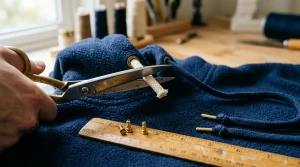
Did you know that the cozy sweatshirt has roots dating back to the 1920s when it was designed for athletes? This iconic piece of casual wear has become a staple in nearly everyone’s wardrobe, symbolizing comfort and personal style. Understanding who invented sweatshirts not only sheds light on its significant place in fashion history but also inspires us to embrace its versatility today. As you explore this topic, you’ll discover how sweatshirts evolved from sports gear to a canvas for expression, allowing for DIY customization and unique styling opportunities. Dive in to learn about the origins of this beloved garment and how you can enhance your own sweatshirt collection with tips on care, customization, and creative styling!
Who Really Invented the Sweatshirt?
The origins of the sweatshirt trace back to the 1920s when a forward-thinking sportswear company began catering to the specific needs of athletes. Designed for both comfort and utility, the sweatshirt was originally created by Benjamin Russell Jr., whose father owned a textile mill. Frustrated by the scratchy wool uniforms worn by football players, he engineered a softer, more flexible fabric made from cotton, which would eventually become the standard for sweatshirts. This pioneering design featured a simple pullover style, allowing athletes to move freely while maintaining warmth during outdoor activities.
As the sweatshirt gained popularity in athletic circles, it quickly transitioned into everyday wear, thanks to its versatile nature. The simple, enduring design resonated not only with athletes but also with the general public, establishing the sweatshirt as a staple in casual fashion. Over time, it evolved with variations like the hooded sweatshirt and different materials, but the core concept of comfort remained unchanged. The arrival of brands like Champion in the 1930s further solidified the sweatshirt’s place in popular culture, making it a symbol of relaxation and a representation of youthful spirit.
As sweatshirts proliferated, their usage expanded beyond the realm of sports and into the worlds of music, film, and street fashion. Iconic figures sported them both on and off the field, reinforcing the sweatshirt’s status as more than just athletic wear; it became a canvas for self-expression through customization and fashion-forward styling. Today, the sweatshirt stands as a powerful emblem of comfort and versatility, bridging the gap between casual athleticism and high-fashion streetwear. This rich history not only highlights its evolution but also emphasizes the cultural significance of what began as a simple athletic necessity.
Tracing the Evolution of Sweatshirt Design
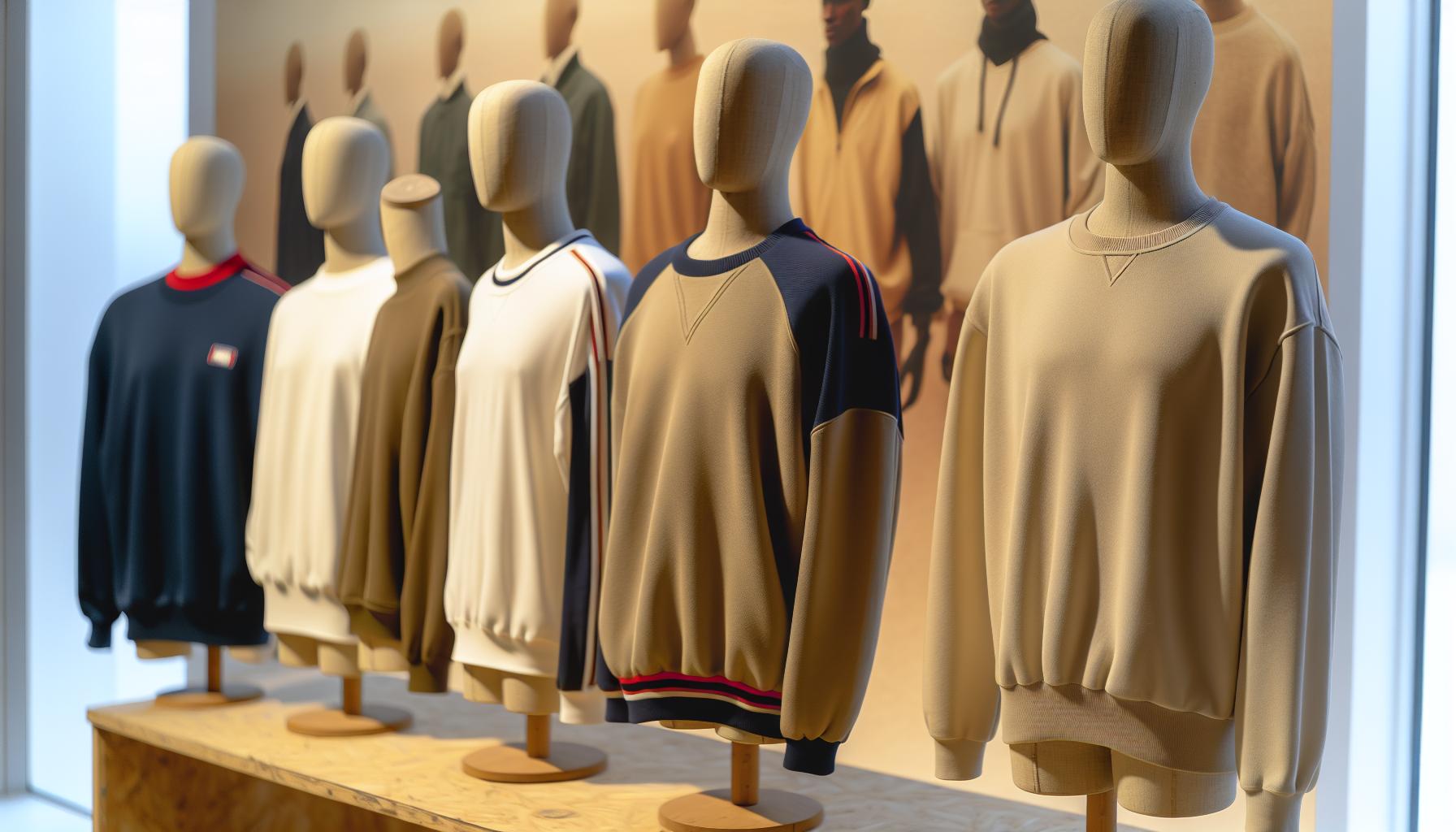
The sweatshirt’s journey from a practical athletic necessity to a versatile fashion staple is a remarkable one, marked by innovation, cultural shifts, and creative expressions. Originally designed in the 1920s by Benjamin Russell Jr., the sweatshirt introduced a new level of comfort through its cotton fabric, replacing the uncomfortable woolen uniforms athletes had worn. This revolutionary approach not only allowed players to perform better but also set the stage for an enduring piece of apparel that would transcend its original purpose.
As the years went by, the sweatshirt evolved both in design and function. In the 1930s, brands like Champion played a pivotal role in popularizing the sweatshirt, introducing various styles and engaging in community initiatives, such as college sports partnerships. This created an association between sweatshirts and school pride, solidifying their status in American culture. The introduction of hooded sweatshirts in the 1930s added a layer of warmth and became another favorite among athletes and casual wear enthusiasts alike.
Throughout the 1960s and 70s, as counterculture movements emerged, the sweatshirt became a canvas for self-expression. Artists, musicians, and students began customizing their sweatshirts, using tie-dye techniques and graphic prints to convey personal messages and identities. This not only enhanced the garment’s appeal but also linked it to burgeoning movements in art and music, reinforcing the sweatshirt’s transition from sportswear to streetwear.
Today, the evolution of sweatshirt design continues, with innovative materials and sustainable practices reshaping the landscape. Advanced fabrics are not only more comfortable but also more environmentally friendly, reflecting a growing awareness in the fashion industry. Whether it’s a classic pullover or a sleek zip-up, sweatshirts now cater to varied tastes and lifestyles, reinforcing their place as a staple in wardrobes around the globe. Adapting to trends, the sweatshirt remains a beloved item for all ages, inviting creativity in styling and personalization that reflects individual tastes.
Key Brands that Shaped Sweatshirt Culture
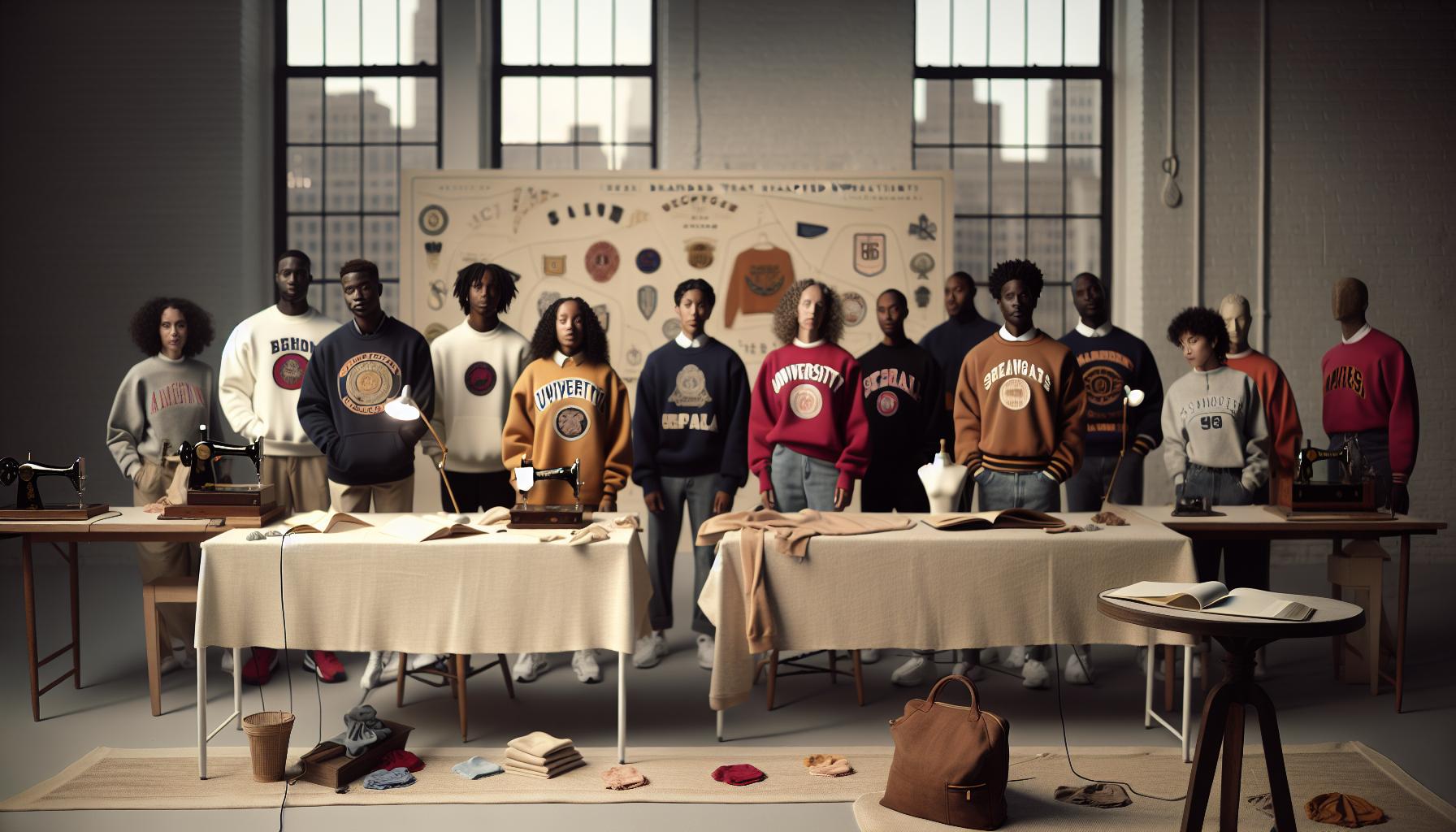
Sweatshirts have become a cultural phenomenon, largely due to the influence of key brands that have shaped not just their designs but the entire landscape of casual wear. One of the most significant players in this arena is Champion, a brand that has a storied history with the sweatshirt. Emerging in the 1930s, Champion pioneered the college sweatshirt, which quickly became a symbol of school spirit and athletic pride, thus embedding sweatshirts deeply into American collegiate culture. Their innovative reverse weave technique also ensured that sweatshirts would maintain their shape and withstand the rigors of active life, making them a go-to for athletes and casual wearers alike.
Another brand that has made a substantial impact on sweatshirt culture is Nike. Known for its performance apparel, Nike has elevated the sweatshirt into a stylish piece that straddles the line between sportswear and high fashion. Their collaborations with designers and celebrities have transformed the traditional sweatshirt into a must-have item that reflects current trends while maintaining functionality. The iconic swoosh logo has become synonymous with quality and style, demonstrating how a brand can redefine a classic garment.
H&M and Zara have also played pivotal roles in making sweatshirts accessible to a broader audience. With their emphasis on fast fashion, these brands have introduced an array of styles, patterns, and colors that cater to ever-changing tastes. Their ability to quickly adapt to trends allows them to remain relevant in a highly competitive market, encouraging consumers to view sweatshirts not just as cozy apparel but as versatile fashion statements.
Lastly, streetwear brands like Supreme and Off-White have contributed to elevating the sweatshirt into a high-fashion realm. The use of bold graphics, unique cuts, and distinct branding has redefined what a sweatshirt can represent in contemporary culture. These brands have cultivated a sense of exclusivity around their designs, transforming everyday sweatshirts into coveted collector’s items.
In summary, the sweatshirt’s journey from a simple athletic necessity to a fashion-forward staple has been paved by influential brands that continually innovate, influence styling, and resonate with a diverse audience. By blending comfort with style, these brands empower wearers to express their individuality through their sweatshirts, ensuring that this beloved garment remains an essential part of modern wardrobes.
The Impact of Athletes on Sweatshirt Popularity
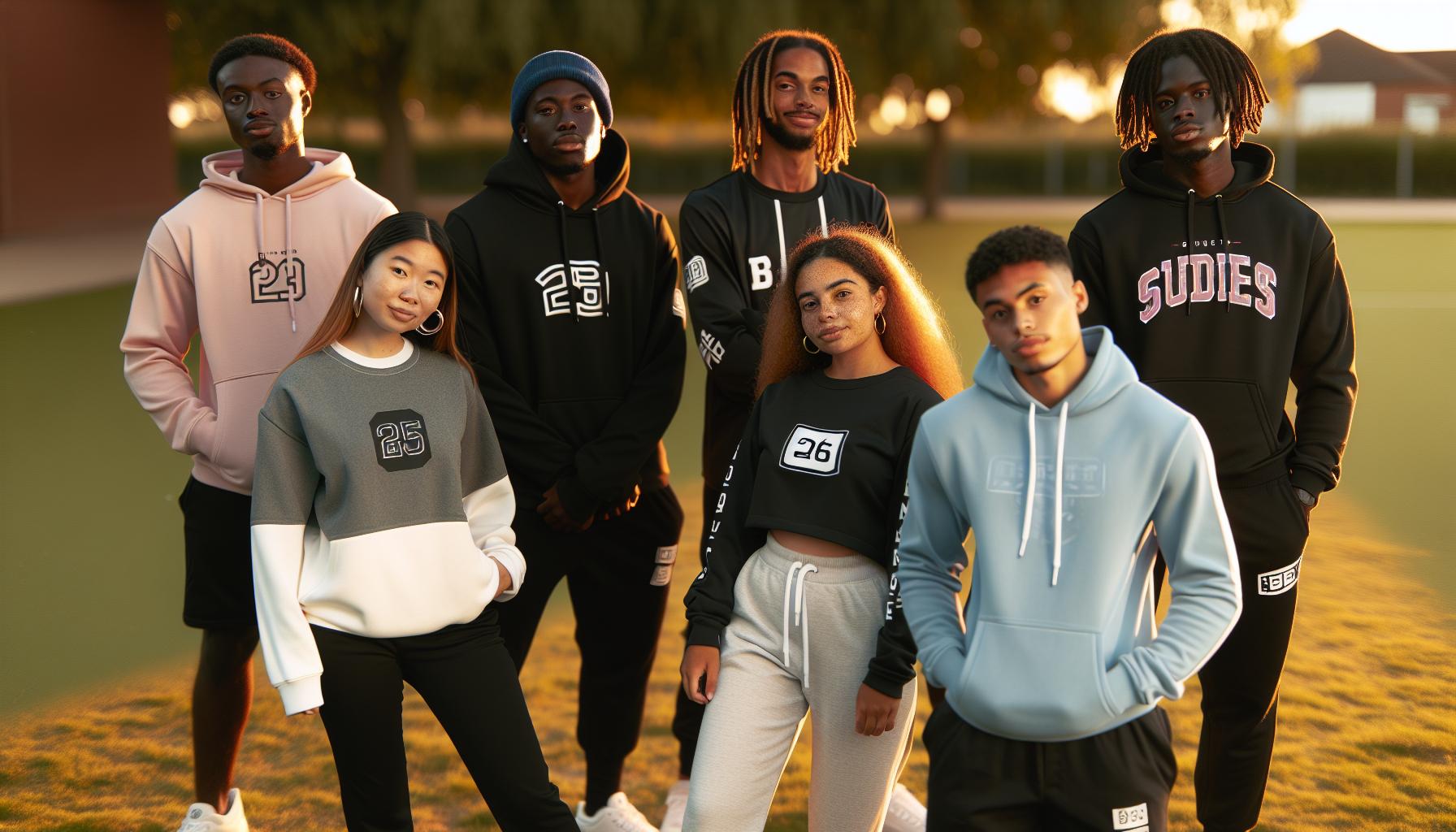
Athletes have had a profound impact on the popularity of sweatshirts, cementing them as not just functional attire but also a vital part of contemporary fashion. Initially designed for comfort and performance, the sweatshirt seamlessly transitioned into a symbol of athletic excellence and casual chic. Iconic moments, such as an athlete wearing a branded sweatshirt during a major event or on the cover of a magazine, have the power to propel this garment into the mainstream. With their high visibility and cultural relevancy, athletes have transformed sweatshirts from mere gym wear into everyday staples that resonate with fans and fashion enthusiasts alike.
One example of this phenomenon is the rise of collegiate athletics, which saw sweatshirts adorned with university names and logos become a necessary part of school spirit gear. Athletes sporting these hoodies not only showcased their allegiance to their schools but also influenced trends among students and fans, creating a unique identity associated with sports events. As sweatshirts transitioned from the locker room to the street, they became synonymous with youth culture and urban style. Athletes like Michael Jordan, who popularized the NBA jersey and sweatshirt combo in the ’90s, played a pivotal role in this shift, and we can see their lasting influence in modern streetwear.
Moreover, brands have embraced the influence of athletic figures to market sweatshirts, often collaborating with them for exclusive collections that blend sports and fashion. For instance, Nike has partnered with numerous athletes to design sweatshirts that incorporate both style and function, proving that these garments are versatile enough for both workout regimes and casual outings. This creative incorporation not only boosts the brand’s profile but also elevates the sweatshirt as a fashion statement, proving it can be rooted in both heritage and contemporary trends.
To maintain the longevity and appeal of your sweatshirt collection, consider incorporating simple care practices. Always wash your sweatshirts inside out to preserve their colors and prints, using cold water to prevent shrinking. If a stain arises, treat it quickly with a mild detergent or a dedicated stain remover before laundering. For those feeling crafty, customizing your sweatshirts through DIY projects, such as tie-dye or embroidery, allows for personal expression while keeping the beloved garment fresh and unique. Athletes not only drive sweatshirt popularity but also inspire fans to engage creatively with this iconic piece of apparel.
The Role of Sweatshirts in Streetwear Fashion
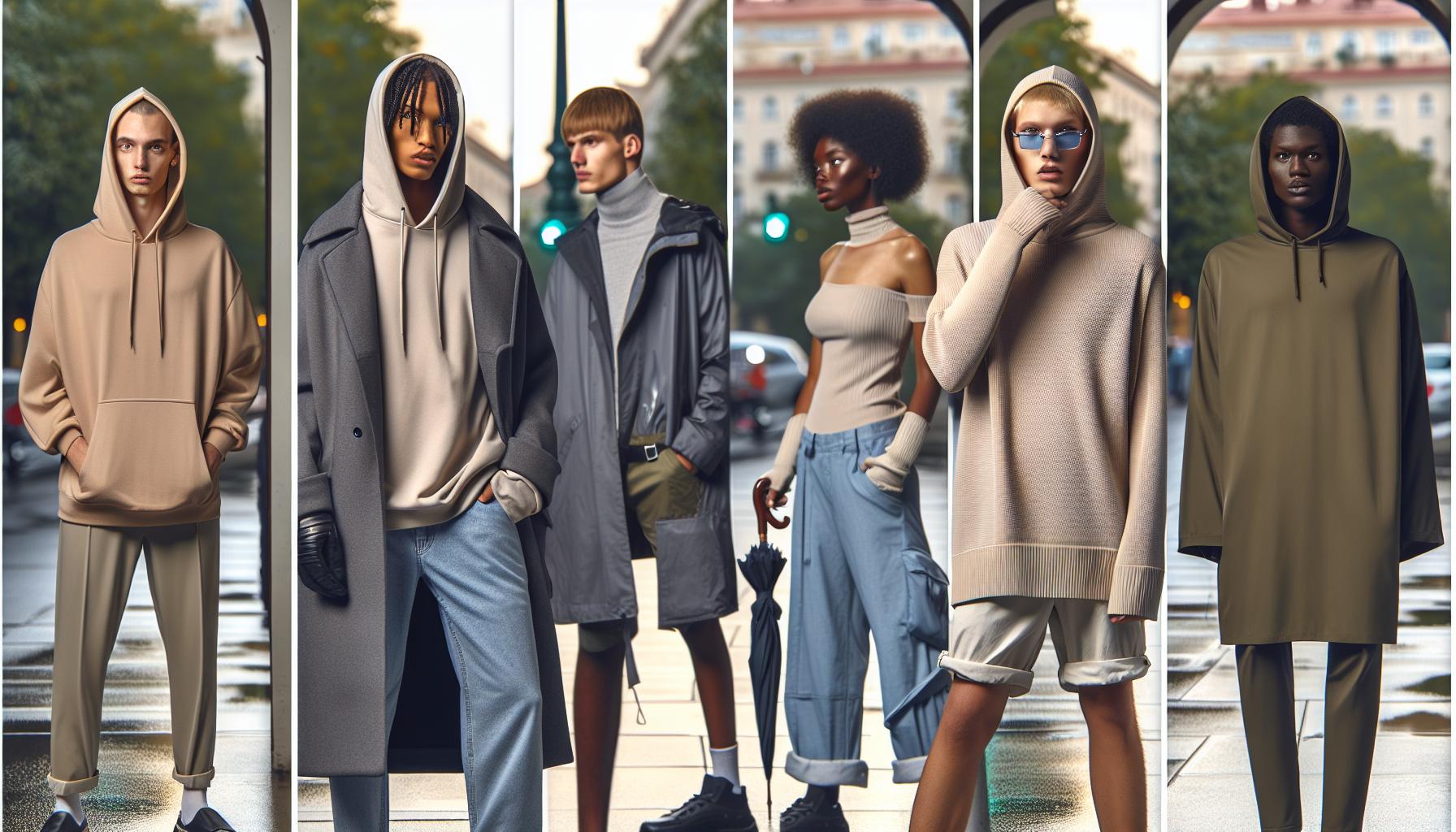
Sweatshirts have firmly established themselves as a central pillar of streetwear fashion, evolving from basic athletic gear to statement pieces that emphasize comfort, individuality, and creativity. The beauty of sweatshirts lies not only in their versatility but also in their ability to bridge the gap between casual and curated fashion looks. From the oversized fits of the ’90s to fitted styles favored today, these garments adapt seamlessly into any wardrobe, allowing anyone to express their personality and style.
One key element that has propelled sweatshirts into the forefront of streetwear is their ability to serve as a canvas for customization. DIY alterations such as tie-dye, embroidery, and screen printing offer a unique avenue for personal expression. Whether you choose to pepper your favorite piece with a collection of patches or experiment with colorful spirals, the customization possibilities are endless. Not only does this creative outlet elevate a simple sweatshirt into a personalized masterpiece, but it also taps into a broader cultural movement where individualism is celebrated.
Styling Tips for Your Streetwear Sweatshirt
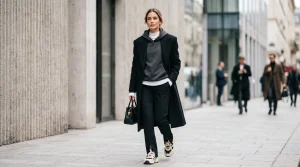
To truly harness the streetwear vibe, consider these styling tips that play with proportions and balance:
- Layering: Combine your sweatshirt with oversized outerwear or a sleek bomber jacket for a laid-back vibe.
- Build Around Colors: Use complementary colors in your accessories or lower layers to create a cohesive look.
- Mix Textures: Pair your cotton sweatshirt with denim or leather pants to create a rich textural contrast.
- Footwear Choices: Sneakers are a classic choice, but try combat boots or sleek loafers to elevate your outfit.
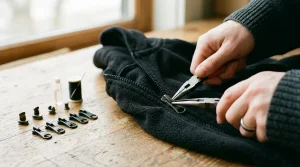
Maintaining your streetwear sweatshirt is equally as important as styling it. Always wash your sweatshirts inside out in cold water to preserve prints and colors, and avoid the dryer to prevent shrinking. In case of stubborn stains, consider pre-treating the area with a mild detergent before washing. Should you desire to give your sweatshirt a fresh look, simple DIY projects like adding a hood or reshaping the hem can breathe new life into your favorite piece.
With their roots deeply embedded in athletic and casual wear, sweatshirts continue to symbolize not just comfort but also the spirit of street culture. Whether you’re at a music festival, out with friends, or lounging at home, they effortlessly adapt to any scenario, making them a timeless staple in both streetwear and everyday fashion.
How Sweatshirts Became a Wardrobe Staple
The sweatshirt has seamlessly transitioned from its humble origins as athletic wear to an essential staple in modern wardrobes. Initially designed for athletes as a means to keep warm during training, the sweatshirt quickly gained popularity beyond the sports field, becoming a go-to garment for comfort and style. This evolution was driven by a convergence of cultural shifts, consumer preferences for casual attire, and the rise of streetwear.
One significant factor contributing to the sweatshirt’s prominence is its versatility. Whether worn for workouts, lounging at home, or as part of a trendy outfit, sweatshirts cater to a wide range of lifestyle activities. The ability to layer them effortlessly with other clothing, combined with a variety of styles-from fitted designs to oversized silhouettes-has made them appealing across generations.
Additionally, the rise of influential icons in music and film has elevated the sweatshirt’s status in fashion. Celebrities often sport sweatshirts, whether emblazoned with logos or adorned with unique graphics, creating aspirational trends. Brands have capitalized on this appeal, offering everything from high-fashion iterations to budget-friendly options, fostering a culture that encourages wearing sweatshirts for practically any occasion.
To maintain the longevity of your sweatshirt and keep it looking fresh, follow these essential care tips: wash inside out in cold water to protect prints, air dry to avoid shrinkage, and if a stain occurs, tackle it immediately using a mix of mild detergent and water. For those looking to add a personal flair, think about DIY projects such as tie-dye or embroidery. These techniques not only provide a creative outlet but also ensure your sweatshirt truly reflects your individuality.
The adaptability, comfort, and DIY potential of sweatshirts have firmly established them as a vital piece of everyday fashion, allowing wearers to express their personalities while enjoying the snug embrace of this beloved garment.
Exploring Fabric Choices for Sweatshirts
The fabric choice for sweatshirts significantly impacts their comfort, durability, and style, making it essential to understand the differences before you buy. Most sweatshirts predominantly feature fabrics like cotton, polyester, or cotton-poly blends. Cotton is the classic choice, known for its softness and breathability, making it perfect for casual wear and layering. It feels great against the skin and absorbs moisture, increasing comfort during activities. However, 100% cotton sweatshirts can shrink over time, so consider those that include a bit of synthetic fiber for added durability and shape retention.
Polyester, on the other hand, boasts excellent moisture-wicking properties, making it a popular choice for athletic wear. Many brands innovate with lightweight polyester blends that help regulate body temperature during workouts. This fabric is usually quick-drying and resistant to wrinkles, which is a plus for those who appreciate a low-maintenance garment. If you’re looking for something that merges both worlds, a cotton-poly blend combines the softness of cotton and the durability of polyester, offering comfort with easy care.
Understanding Different Fabrics
When shopping for your next sweatshirt, consider these key fabric types:
- Cotton: Soft, breathable, and comfortable; ideal for casual wear.
- Polyester: Quick-drying and moisture-wicking; great for athletic activities.
- Cotton-Polyester Blend: Combines the comfort of cotton with the durability of polyester.
- Fleece: A soft and cozy option, perfect for colder climates.
Caring for Your Sweatshirt
To maintain the integrity of your sweatshirt, regardless of fabric, follow these caring tips:
- Washing: Always wash your sweatshirt inside out in cold water to protect any prints or designs.
- Drying: Air dry to prevent shrinkage and maintain the fabric’s shape. If using a dryer, select low heat.
- Stain Removal: Act quickly! Use a mild detergent mixed with cold water to treat stains before they set. For tougher stains, a little baking soda can work wonders.
Creative Customization
If you’re feeling creative, there are numerous DIY projects to personalize your sweatshirt. Tie-dyeing is a popular method, giving a vibrant and unique flair. Grab some fabric dye, rubber bands, and unleash your artistic side! Alternatively, consider embroidery for a more sophisticated finish. Simple stitches can add initials or quirky designs, making your sweatshirt uniquely yours.
With these fabric insights and care tips, you can confidently choose and maintain the perfect sweatshirt that complements your style and lifestyle!
Customizing Your Sweatshirt: Tips and Tricks
The beauty of sweatshirts lies not just in their comfort but also in their versatility for customization. With a few creative touches, you can transform a simple sweatshirt into a unique expression of your style. Whether you’re aiming for something fun, artistic, or personalized, the options are endless and can cater to any aesthetic. The culture surrounding hoodies champions individuality and self-expression, making customization a core element of their allure.
One of the most popular ways to personalize a sweatshirt is through tie-dyeing. This process allows you to experiment with colors and patterns, making your piece truly one-of-a-kind. Start by gathering your materials: fabric dye, rubber bands, and gloves. Twist or fold your sweatshirt and secure it with rubber bands to create different patterns. Immerse the sections in various dye colors and let them develop for several hours or overnight, depending on your desired vibrancy. Rinse and wash it separately afterward to set the colors and prevent bleeding.
For those leaning toward a more refined approach, consider embroidery. It’s a superb way to add initials, favorite phrases, or creative designs to your sweatshirt. You only need some embroidery floss, a needle, and a little patience. Start with simple designs like hearts or stars, or explore intricate patterns as your skills improve. Not only does embroidery add depth to your sweatshirt, but it also creates a tactile element that elevates its appearance.
Beyond these methods, you can also explore fabric paint or iron-on patches to add flair to your sweatshirt. Fabric paint allows for freeform designs, while patches let you incorporate graphics or motifs you love without the need for sewing skills. If you ever feel like changing things up, these additions can easily be removed or altered, keeping your sweatshirt fresh and exciting.
No matter how you choose to customize, ensure that your creativity reflects your personality-after all, sweatshirts are more than just clothing; they’re a canvas for your self-expression!
Caring for Your Sweatshirt: Washing and Maintenance
Caring for your sweatshirt is essential to keep it looking fresh and extend its lifespan, especially given how beloved these cozy garments are in our wardrobes. Did you know that proper washing and maintenance can significantly improve the comfort and fit of your hoodie? Understanding how to care for your sweatshirts will not only help preserve their quality but also retain their shape and color, ensuring they remain a staple in your everyday outfits.
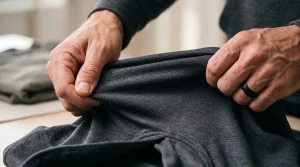
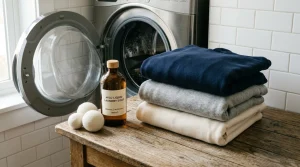
To begin with, always check the care label on your sweatshirt for specific washing instructions, as different fabrics may require unique care. Generally, it’s advisable to wash your sweatshirts inside out to protect any printed designs or embellishments. Use cold water settings to prevent shrinkage and fading and choose a gentle cycle for the best results. When it comes to detergent, opt for a mild one; harsh chemicals can wear down the fabric’s fibers over time. Avoid fabric softeners, as they can leave a residue that makes the fabric feel greasy or lessen its moisture-wicking properties.
Drying Techniques
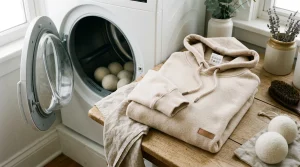
After washing, how you dry your sweatshirt is just as critical as the washing process. Air drying is the preferred method; simply lay your sweatshirt flat on a clean, dry surface away from direct sunlight to avoid any fading or stretching. If you must use a dryer, select a low-heat setting and remove it while still slightly damp to minimize wrinkles and shrinking.
To keep your sweatshirt looking stylish, consider these additional maintenance tips:
- Pilling: Use a fabric shaver or a lint roller to remove any pilling that occurs over time.
- Stain Treatment: For stains, apply a small amount of detergent directly on the stain before washing, and let it sit for 15 minutes.
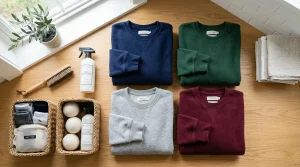
- Storage: Store your sweatshirts in a cool, dry place, either hanging or folded, to maintain their shape.
With these simple steps, you can ensure your beloved sweatshirt stays cozy and stylish for years to come, reflecting both your personality and the comfort it brings to your day-to-day life!
Stain Removal Strategies for Sweatshirts
Stains on your favorite sweatshirt can feel like a personal affront, especially when that piece embodies the perfect blend of comfort and style. The good news is that tackling these marks doesn’t have to be a losing battle. With a few straightforward strategies, you can keep your cozy garment looking fresh and ready for its next casual outing. Whether it’s a coffee spill, an unfortunate dirt mark, or the remnants of a delicious meal, knowing how to act quickly can save your beloved sweatshirt.
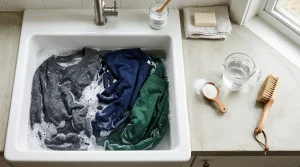
First, always respond to the stain as soon as you can. The longer it sits, the harder it becomes to remove. For most fresh stains, blotting with a clean cloth will do wonders-avoid rubbing as this can push the stain deeper into the fibers. For oil-based stains such as grease or makeup, sprinkle a bit of baking soda on the area to absorb excess oil before rinsing it out with warm water. If you’ve faced fruit juice or red wine spills, try dabbing the area with a mix of white vinegar and water (1 part vinegar to 2 parts water) before laundering.
When it comes to fabric-specific stains, keep in mind that some strategies work better for certain types. For ink stains, rubbing alcohol can work wonders; simply apply it to a cotton ball, blot the stain, and wash as usual. For tough food stains, a paste of baking soda and water can help lift the discoloration when applied and left to sit for about 30 minutes before rinsing. Always check the care label of your sweatshirt prior to applying any treatment to ensure the success of your cleaning endeavors.
After treating the stain, proceed to wash your sweatshirt according to its care instructions, ideally in cold water to preserve its fabric and color. Inspect the fabric before drying; if the stain persists, do not dry it, as heat can set the stain in permanently. Instead, repeat the stain removal process until the fabric is clear. With these methods in your arsenal, you can maintain your sweatshirt’s appearance and longevity while continuing to enjoy its soft embrace!
DIY Projects: Creative Sweatshirt Transformations
Transforming a standard sweatshirt into a unique statement piece can be incredibly satisfying and fun. With the rise of DIY culture, it’s easier than ever to express your creativity and personalize your wardrobe. Whether you want to breathe new life into an old sweatshirt or simply create something that’s truly your own, there are countless ways to customize and transform these comfy staples.
One popular method is tie-dyeing, which allows for an explosion of color and creativity. You can use a variety of dye types, from traditional fabric dye to more accessible options like food coloring or watercolor paint. To begin, gather your materials: rubber bands, a squeeze bottle for the dye, gloves to protect your hands, and, of course, your sweatshirt. Pre-soak your sweatshirt in a mixture of water and salt to help the dye set. Then, twist or scrunch sections of the fabric and secure them with rubber bands before applying your dye. Once you achieve your desired look, wrap it in plastic and let the dye set according to the dye’s instructions before rinsing and drying.
Another fantastic way to personalize your sweatshirt is through embroidery or appliqué. This technique can add texture and visual interest. Start by sketching a design on paper, then transfer it to your sweatshirt using fabric chalk. Use embroidery floss or fabric scraps to stitch or iron-on your designs. Not only does this enhance your sweatshirt’s aesthetic, but it also allows you to incorporate personal symbols, quotes, or imagery that reflects your personality.
Essential DIY Tips:
- Always pre-wash your sweatshirt to remove sizing and improve dye adherence.
- Experiment with different materials; lace, patches, and even studs can give a fun new look.
- Watch for special fabric types! Fleece and blends require different care than cotton.
Once you’ve completed your favorite transformations, be sure to care for your newly customized piece. Always wash your sweatshirt inside out in cold water to maintain the longevity of your designs and colors. Keep your sweatshirts looking fresh and stylish while ensuring your one-of-a-kind creations remain part of your wardrobe rotation for years to come. Embrace the process, as each stitch and color adds to the story behind your favorite comfy wear!
The Future of Sweatshirts in Fashion Trends
As fashion continues to evolve, the sweatshirt remains a fixture while adapting to new trends and cultural movements. Originally designed for athletic wear, sweatshirts have transcended their utilitarian roots to become a beloved staple in casual and streetwear fashion. Their evolution shows no signs of slowing down, with several key trends shaping their future.
One significant trend is the rise of sustainable fashion, pushing brands to reconsider materials and production methods. More consumers are favoring eco-friendly fabrics, such as organic cotton or recycled polyester, which reduces environmental impact. Brands that prioritize sustainability are not only attracting environmentally-conscious consumers but also setting new industry standards. Expect to see more collaborations focused on ethical production and transparency in the manufacturing process.
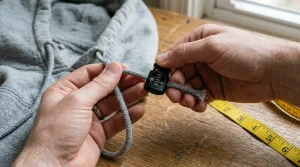
Another noteworthy shift is the merging of functionality and style. Upcoming sweatshirt designs reflect an increased demand for versatility, which allows wearers to transition seamlessly between lounging at home and stepping out for casual outings. Features like adjustable drawstrings, unique cuts, and innovative closures are evolving the classic silhouette into something that is both practical and chic. Streetwear enthusiasts are increasingly adopting oversized styles, layering them with athleisure and tailored pieces, illustrating the sweatshirt’s adaptability in various contexts.
Customization and Personalization
As DIY culture continues to thrive, the future of sweatshirts will likely incorporate even more opportunities for personalization. Consumers are seeking clothing that tells a story, and sweatshirts provide the perfect canvas for individuality through techniques like tie-dye, screen printing, and embroidery. This personalization trend not only enhances the emotional connection between the wearer and their clothing but also caters to the blend of comfort and self-expression.
Incorporating smart technology could also shape the next generation of sweatshirts. With an increase in smart textiles, expect innovations like moisture-wicking fabrics, temperature regulation, and even built-in health monitoring capabilities. These advancements promise to merge comfort with cutting-edge technology, further revolutionizing how we think about casual wear.
In summary, sits at the intersection of sustainability, functionality, personalization, and technology. As this beloved garment continues to adapt to contemporary needs and preferences, enthusiasts can look forward to a fresh and exciting chapter in sweatshirt culture, ensuring their place as a wardrobe essential for both comfort and style.
Frequently asked questions
Q: What are the key features of a modern sweatshirt?
A: Modern sweatshirts often feature a relaxed fit, fleece lining, and materials like cotton or polyester for comfort. They may include design elements such as hoods, pockets, and various graphic prints, making them versatile for casual wear. For care tips, check our Washing and Maintenance section.
Q: How did sweatshirts evolve over time?
A: Sweatshirts evolved from athletic wear in the early 20th century to become a fashion staple, influenced by culture and trends. Initially designed for warmth and protection in sports, they now incorporate diverse styles, fabrics, and uses, as discussed in our Tracing the Evolution of Sweatshirt Design section.
Q: Why are sweatshirts popular in streetwear?
A: Sweatshirts gained popularity in streetwear due to their comfort, style, and ability to make a statement. They serve as a canvas for bold graphics and designs, allowing individuals to express their personality. Explore more about this in our Role of Sweatshirts in Streetwear Fashion section.
Q: What materials are commonly used for sweatshirts?
A: Common materials for sweatshirts include cotton, polyester, and blends that provide comfort and durability. The choice of fabric can affect both the feel and maintenance. Learn more in our Exploring Fabric Choices for Sweatshirts section.
Q: Can I customize my sweatshirt?
A: Yes, customizing your sweatshirt is a fun way to add a personal touch! Techniques like tie-dye, embroidery, or fabric paint can transform it into a unique piece. Check our Customizing Your Sweatshirt: Tips and Tricks section for ideas and inspiration.
Q: How should I wash my sweatshirt?
A: To ensure your sweatshirt stays looking fresh, wash it in cold water on a gentle cycle. Avoid bleach and use mild detergent. For specific stain removal strategies and washing instructions, refer to our Caring for Your Sweatshirt: Washing and Maintenance section.
Q: What are some DIY projects for sweatshirts?
A: DIY projects for sweatshirts can include customizing with patches, altering hems, or creating designs like tie-dye. These projects can revitalize old sweatshirts easily! For detailed ideas, see our DIY Projects: Creative Sweatshirt Transformations section.
Q: How can I keep my sweatshirt looking new?
A: To keep your sweatshirt looking new, wash it carefully, avoid excessive heat in the dryer, and store it properly. Implementing the right care techniques is crucial; more tips are available in our Stain Removal Strategies for Sweatshirts section.
Insights and Conclusions
As we unravel the fascinating history of sweatshirts, it’s clear they’ve evolved far beyond their athletic origins into a timeless staple of casual fashion. Now that you know who invented sweatshirts and how they’ve shaped style, why not take the next step in your hoodie journey? Explore our essential guides on hoodie care and customization tips to keep your favorite pieces looking fresh and unique. Whether it’s mastering washing techniques or diving into DIY projects like tie-dye or embroidery, there’s always more to discover and create!
Don’t miss out! Sign up for our newsletter to receive exclusive styling tips directly to your inbox or check out our buying guide for the perfect hoodie. Your wardrobe deserves a boost, and we’re here to help you embrace hoodie culture with confidence. Share your thoughts on your favorite hoodie styles in the comments below, and let’s keep the conversation going!
Get our latest guides, news, and insights highlighted in your Google Search & AI Overviews.