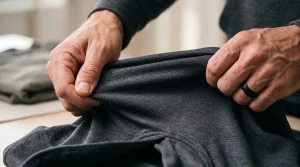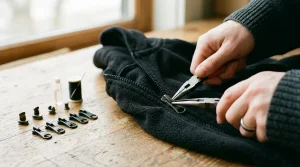
How much does a hoodie weigh? An average adult hooded sweatshirt weighs between 16 and 25 ounces (1.0 to 1.56 lbs / 450 to 710 grams), varying based on fabric density (GSM), garment size, and hardware features like metal zippers and aglets.
Did you know that the average hoodie can weigh anywhere from 16 to 30 ounces, depending on its size and fabric? This weight can significantly impact shipping costs, comfort, and how you choose to layer it with your wardrobe. Understanding the weight of a hoodie is essential, not just for online shopping but also for caring for your favorite comfy staple. Whether you’re a seasoned hoodie enthusiast or just looking to add some versatile pieces to your closet, knowing how different materials and styles affect weight can help you make informed decisions. From lightweight cotton blends perfect for layering to heavier fleece options ideal for chilly days, this guide will break down the weight of hoodies across various materials and sizes. So, let’s dive in and explore how to find the perfect balance of style, comfort, and practicality in your hoodie collection!
How Hoodie Weight Varies by Material
Hoodies are one of the most cherished pieces of casual wear, and understanding how their weight varies based on material can significantly enhance your shopping and styling experience. Just like your mood can change with the weather, so too can your choice of hoodie weight depending on its fabric. Whether you’re looking for something lightweight to wear during those balmy summer nights or a heavyweight option for winter warmth, the material composition plays a crucial role.
Different fabrics bring unique characteristics to hoodie weight. For instance, cotton hoodies typically weigh less, averaging around 340 grams (12 ounces), making them a perfect choice for layering or those cool spring days. In contrast, heavier materials like fleece or blended fabrics can tip the scales anywhere from 450 grams (16 ounces) to over 680 grams (24 ounces). These heavyweight options excel in insulation, keeping you cozy during chilly evenings while adding a touch of style.
When considering a hoodie, it’s essential to think about the fabric’s weave and density too. For example, a French terry hoodie will feel lighter on your skin and have excellent breathability compared to a brushed fleece, which provides maximum warmth but with added bulk. As you explore hoodie materials, remember that the impact on weight also varies with other elements such as size and design features like drawstrings or extra pockets. Always check product descriptions for weight specifications, especially if you’re seeking a specific feel or look.
Ultimately, your choice of hoodie weight can dramatically influence both comfort and style. Lighter hoodies are perfect for layering over t-shirts, while heavier options can stand as the centerpiece of your outfit. By understanding how material variations affect hoodie weight, you empower yourself to make informed choices that match your lifestyle, climate, and personal style preferences.
Understanding the Weight of Different Hoodie Fabrics

When it comes to hoodies, the variety of fabric weights can make a significant impact on your overall comfort and style. Ever noticed how a cozy fleece hoodie can feel like a warm hug on a chilly day while a lightweight cotton version is perfect for breezy summer evenings? Understanding the weight differences among various hoodie fabrics is key to enhancing your wardrobe and ensuring you choose the right piece for any occasion.
Cotton, often regarded as a staple in hoodie fabrics, typically weighs in around 340 grams (12 ounces), making it an excellent choice for casual wear and layering. This soft, breathable material is perfect for springtime outings or a relaxing day at home. On the other end of the spectrum, heavyweight hoodies can exceed 450 grams (16 ounces) and reach up to 680 grams (24 ounces) or more, particularly when constructed from dense fleece or a fabric blend. These options offer superior insulation, ideal for those cold winter days where warmth is paramount.
Moreover, the texture and construction of the fabric can greatly affect how it feels and functions. For instance, a French terry hoodie provides a nice balance between weight and breathability, making it suitable for active use without feeling overly bulky. In contrast, a brushed fleece hoodie is thicker and serves as a snug layer to fend off the chill. When selecting a hoodie, consider the attributes of fabric types such as weight, weave, and intended use. Always verify weight specifications in product descriptions to ensure you’re getting the feel you desire.
In summary, understanding how fabric weight affects your hoodie choice allows you to make informed decisions that not only align with your style but also fit your lifestyle needs. When choosing a hoodie, think about its intended use, the season, and how you plan to wear it. Crafting an outfit around different hoodie weights can elevate your casual wear, turning a simple piece into a style statement that showcases your unique personality.
Lightweight vs. Heavyweight Hoodies: Key Differences
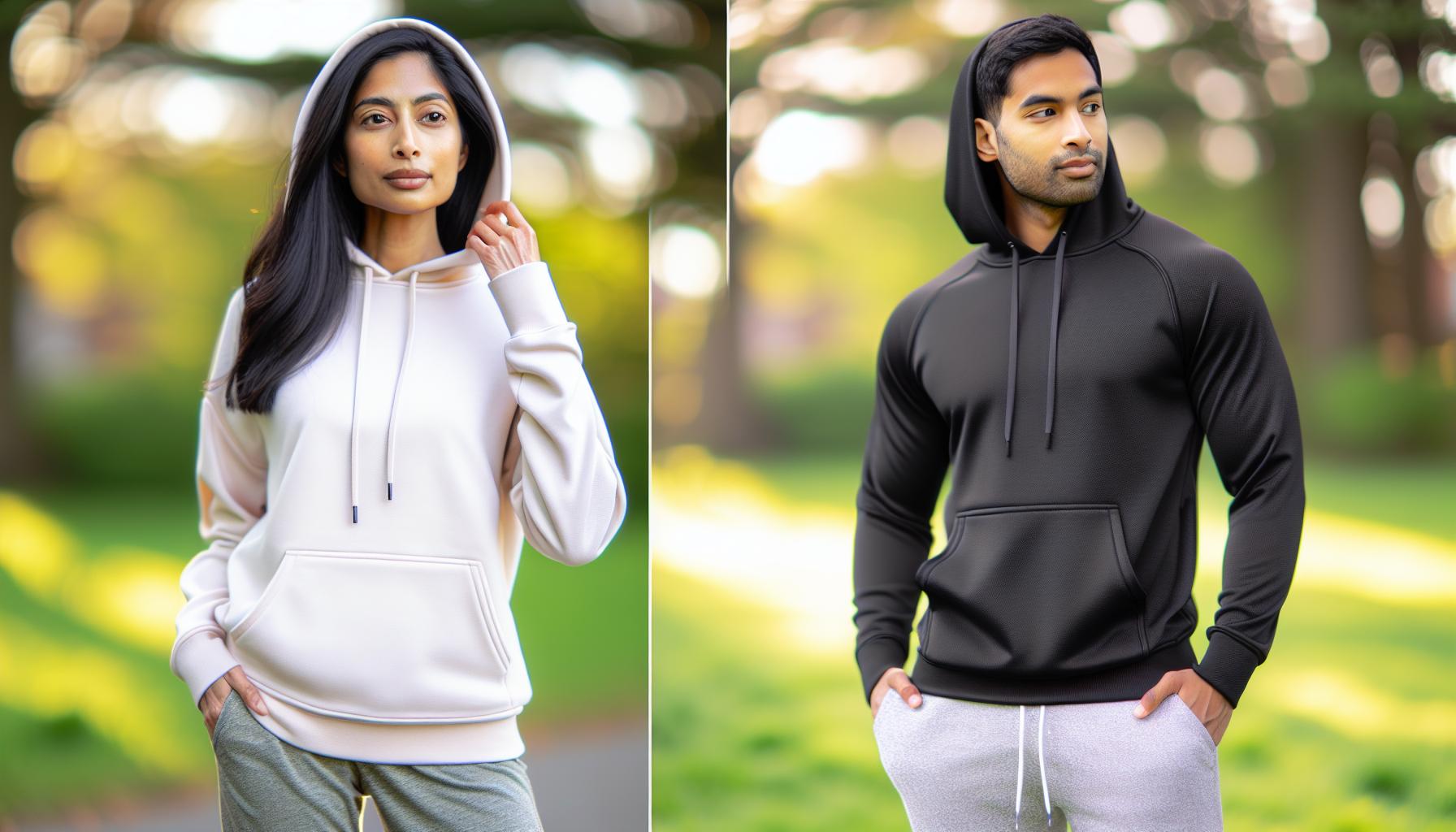
When you think about comfort and style, the choice between lightweight and heavyweight hoodies can significantly influence your hoodie-wearing experience. Lightweight hoodies typically range from about 340 grams (12 ounces) to around 450 grams (16 ounces) and are perfect for layering or those breezy days when a little warmth is needed. They often feature breathable fabrics like cotton or lighter blends, making them an excellent choice for spring or summer outings, where you want to stay comfortable without overheating.
On the other hand, heavyweight hoodies can exceed 450 grams, with some ultra-heavy options reaching up to680 grams (24 ounces) or more. These are crafted from denser materials, such as thicker fleece, providing superior insulation during the colder months. If you’re looking for a cozy, warm layer to combat harsh winter chill, a heavyweight hoodie is your best bet. Not only do these hoodies keep you snug, but they also have a certain style that evokes a casual and relaxed vibe, perfect for cozy nights out or lounging at home.
When it comes to styling, consider the fabric procurement of your hoodie as well. Lightweight options are great for layering under a denim jacket or over a fitted tee, allowing you to play with different textures and colors. Heavyweight hoodies, with their bulkier nature, can stand alone as statement pieces. They’re especially trendy when paired with joggers or loose-fit jeans, giving you that effortlessly chic street style.
Moreover, be mindful of the care involved with each type. Heavyweight hoodies may require more careful washing to maintain their shape and feel-consider cold washes and air drying to prevent shrinkage. Lightweight hoodies, while more forgiving, still benefit from gentle cycles and low-heat drying to keep them looking fresh. Whether you’re crafting your hoodie into a unique fashion piece via DIY tie-dye or simply enjoying its comfy embrace, understanding the weight and fabric of your hoodie is essential for making the most of this versatile wardrobe staple.
How to Measure Hoodie Weight Accurately

Measuring the weight of a hoodie accurately can be both an art and a science, especially when you’re navigating the world of comfortable casual wear. Whether you’re customizing your own design or selecting a perfect fit from the store, understanding this measurement aids in making informed purchases. To get the most precise measurement, you’ll want to gather a few essential tools: a digital scale, a flat surface, and, of course, the hoodie itself.
Start by laying your hoodie flat on a clean, stable surface. This ensures that the weight you measure is not affected by any unevenness that could skew the results. Next, ensure the scale is set to zero before placing the hoodie on it. This will help eliminate any weight discrepancies from the scale itself. Some might wonder about the best way to measure if the hoodie has functional features like drawstrings or zippers-these should be included in the total weight, as they add to the overall bulk and material used.
When measuring, be sure to consider the fabric type as well. Lightweight options often weigh less due to their material, while heavyweight hoodies, constructed from thicker fabrics such as fleece or French terry, will naturally tip the scale higher. Keeping track of different weights can help inform your decision on what style to wear for specific occasions or seasons. For instance, a lighter hoodie is ideal for spring outings while opting for heavyweight materials could be more effective during winter months for maximum warmth.
Also, remember that adding embellishments or layers can influence the weight. If you’re considering DIY projects, such as embroidery or fabric patches, think about how these additions might affect the overall feel and functionality of the hoodie. The beauty of hoodie culture is that it’s as much about personal expression as it is about comfort. Understanding how to measure weight helps ensure you’re choosing the right hoodie for your needs, maximizing both style and wearability.
The Impact of Hoodie Size on Overall Weight
When considering a hoodie, it’s not just about the style or brand; the size plays a crucial role in determining its overall weight. You might be surprised to learn that the dimensions of your hoodie can significantly affect how much it weighs, which can impact comfort, functionality, and even shipping costs.
Hoodies come in various sizes, ranging from small to plus-size options. Generally, a standard adult hoodie weighs between 16 to 25 ounces (454 to 709 grams), while plus-size hoodies can tip the scales at 25 to 30 ounces (709 to 850 grams) due to the additional fabric used in their construction. This increase in weight can influence how the hoodie drapes on your body and how it feels when layered with other clothing. For instance, an oversized hoodie can provide a cozy, relaxed fit perfect for lounging, but you may want to consider its heft if you’re planning to wear it for extended periods.
Another interesting factor is the relationship between size and fabric choice. A larger size may not only use more material but can also lead to varying weights depending on the fabric composition. For example, a heavyweight fleece hoodie will feel bulkier and warmer than a lightweight cotton blend, even if the sizes are the same. Therefore, understanding how different sizes correlate with the fabric’s weight can help you make informed decisions when shopping or customizing your hoodie to fit both your style and your seasonal needs.
Lastly, sizing also affects care details and storage. Heavier, larger hoodies might require more space in your wardrobe and can be slightly cumbersome in a laundry load. Be mindful when washing; follow care instructions closely as heavyweight materials often prefer a gentle cycle and air drying to maintain their structure and warmth. With these considerations in mind, you’ll not only enjoy a hoodie that fits but one that complements your lifestyle beautifully.
Factors Influencing Hoodie Fabric Weight
The weight of a hoodie isn’t just a matter of how warm it keeps you; it reflects the intricate interplay of various factors, particularly the materials used in its construction. Whether you’re choosing a cozy fleece for winter or a light cotton blend for spring, understanding the influences on weight can significantly enhance your hoodie experience. For example, the fiber content, weave density, and design elements all play critical roles in determining the overall heft of your favorite hoodie.
Material Composition
Hoodies are primarily crafted from several types of materials, and each brings its unique weight characteristics:
- Cotton: A classic choice, cotton is breathable and soft, but its weight can vary widely based on the blend and weave. Lightweight cotton hoodies might weigh as little as 8 ounces, while heavier varieties can approach 19 ounces.
- Polyester: Often used in blends, polyester can add durability without significantly increasing weight. It helps create a lighter feel, making these hoodies ideal for athletic wear.
- Fleece: Heavier fleece materials can contribute to a bulkier feel and added warmth, with weights ranging from 12 ounces for lighter fleece to 22 ounces or more for heavyweight styles.
- Blends: Many hoodies combine materials like cotton and polyester to optimize comfort and weight balance. The blend ratio can dramatically affect the final weight, with a higher cotton content generally leading to added heft.
Fabric Structure and Weave
The construction method of the fabric also impacts weight. Hoodies made from densely woven fabrics are typically heavier due to the amount of material used and the tightness of the weave. Conversely, a looser knit or weave allows for lighter garments, enhancing breathability but reducing warmth. Look out for details like the thickness of the yarn and additional linings-like fleece or thermal layers-that will add weight and alter the feel of the hoodie.
Design Features
Features like drawstrings, pockets, linings, and even embellishments (like embroidery or appliques) can incrementally increase a hoodie’s weight. A fully lined hoodie may weigh more than a standard pullover purely because of the additional material. If you’re customizing a hoodie, these design choices can also influence the final weight; heavier accents will make for a bulkier end product.
Understanding these factors not only helps in choosing the perfect hoodie but also aids in care and maintenance. For instance, heavier hoodies might need more careful washing to retain their structure, while lighter options can be machine washed without as much concern for distortion. Embrace the world of hoodies with confidence, knowing that the right material and design will keep you cozy, stylish, and perfectly weighted for any season!
Hoodie Weight for Seasonal Wear: What to Consider
The changing seasons bring diverse challenges and opportunities when it comes to choosing the right hoodie. Selecting the appropriate weight of fabric can elevate your wardrobe, ensuring you stay comfortable in varying temperatures while also maintaining your signature style. As a general rule, a heavier hoodie is ideal for colder climates, while lighter options are perfect for milder weather. Here’s how to navigate your hoodie choices based on seasonal wear.
For chilly autumn and winter months, heavier hoodies made from materials like fleece or thick cotton blends are your best bet. These typically weigh in the range of 12 to 22 ounces and provide the warmth you need without compromising on comfort. A heavyweight fleece hoodie, for instance, not only shields you from the cold but also feels luxuriously soft against your skin. When selecting a heavier option, consider features such as a full lining or adjustable drawstrings, which can enhance insulation and adapt to your preferences.
As the temperatures rise in spring and summer, lighter hoodies come into play. A hoodie weighted around 8 to 12 ounces made from breathable cotton or moisture-wicking polyester ensures that you stay cool while enjoying those breezy evenings. Look for hoodies with a looser weave or lighter fabric density for enhanced airflow. These lightweight options are great for layering; you can easily throw one over a t-shirt without feeling weighed down.
Consideration for Style and Functionality
When choosing your hoodie for a specific season, it’s also essential to consider your activity level. If you’re planning on engaging in outdoor sports or workouts, a mid-weight hoodie (about 10 to 14 ounces) may provide the perfect balance between breathability and warmth. Also, since heavier materials can trap more heat, opting for lighter fabrics with built-in UV protection can be beneficial during sunny days.
Finally, remember that weight isn’t solely about warmth; it also affects fit and how you might style your hoodie. A heavyweight option might fit snugly, lending itself to a more structured look, while lighter hoodies can drape more loosely for a casual vibe. This versatility enables you to express your personal style while enjoying the practical benefits of your favorite cozy attire.
Being informed about the right weight of your hoodie not only improves your comfort during seasonal shifts but also enhances your overall experience of wearing this beloved garment. Enjoy the journey of discovering which hoodies work best for you as seasons change!
Caring for Your Hoodie: Weight-Specific Washing Tips
Caring for your hoodie goes beyond simple washing; it significantly impacts the longevity and look of your favorite piece of comfort. Understanding how to clean your hoodie based on its weight and fabric type is essential for preserving both its structure and cozy charm. Heavier hoodies, such as those made from fleece or thick cotton, generally require different care compared to lighter options made from fine cotton blends or moisture-wicking materials.
When it comes to heavyweight fabrics, hand washing or using a gentle cycle in cold water is ideal. This gentle treatment helps maintain the fabric’s integrity and prevents pilling, which can occur with heavier materials over time. For optimal results, avoid bleach and instead, use a mild detergent designed for darker fabrics, especially if your hoodie features rich colors. After washing, always opt for air drying rather than using a dryer, as the heat can lead to shrinkage and can damage the fibers.
Lightweight hoodies, while easier to clean, also deserve careful treatment. For these, machine wash on a gentle cycle with cold water to preserve breathability and color. If your lightweight hoodie has moisture-wicking properties or special treatments, it’s wise to check the care label for specific instructions. As a rule of thumb, line drying or tumble drying on low heat is recommended to maintain their shape and functionality.
Stain Removal Tips
Accidents happen, but quick action can save your hoodie from permanent stains. Here are a few strategies based on hoodie weight and fabric type:
- For Heavyweight Fleece: Apply a paste of baking soda and water to the stain, let it sit for 30 minutes, then wash as per the guidelines above.
- For Lightweight Cotton: Treat stains with a mixture of vinegar and water before laundering, which can help lift pigments without harming the fabric.
Don’t forget about the customization possibilities! Once you’ve mastered care techniques, consider personalizing your hoodie with DIY projects like tie-dye or embroidery. Just remember to wash your newly customized hoodie carefully, following the same weight-specific washing tips to ensure your designs stay vibrant and intact.
By maintaining the proper washing techniques for your hoodie’s weight and material, you ensure that this beloved garment remains a staple in your wardrobe for years to come, celebrating the casual style and comfort that a hoodie represents.
Hoodie Crafting Ideas: Weight Considerations for Customization
Crafting your own hoodie can be a rewarding endeavor, allowing you to express your personal style while considering the unique qualities of different fabric weights. The right weight of fabric can significantly influence the outcome and durability of your customized hoodie. Whether you opt for a lightweight, breathable blend for a comfortable layer or a heavyweight fleece for cozy warmth, each choice presents exciting customization opportunities.
When you’re ready to customize your hoodie, consider the weight of the fabric. Lightweight hoodies, typically weighing between 340 and 450 grams, are perfect for projects like tie-dye or screen printing, as their soft texture allows for vivid color retention and easy application of designs. These hoodies can be enhanced with simple fabric paint or bleach techniques for a trendy, personalized look. Consider adding embellishments like patches or embroidery, as lighter materials tend to hold these additions well without compromising wearability.
On the flip side, heavyweight hoodies provide a more robust canvas for customization. Their dense fabric structure invites durable techniques like applique or even sewing in custom patches. Ideal for more intensive projects, such as adding zippers or transforming the hoodie into a cropped style, heavyweight options often provide the added benefit of longevity. Just remember that heavier fabrics may require specialized needles and threads when sewing to ensure your project looks polished and professional.
As you embark on your crafting journey, also pay attention to the care of your customized creation. The way you modify your hoodie can affect its maintenance. For instance, heavyweight fabrics should be treated gently during washing to avoid pilling, while lightweight hoodies are more prone to snags and should be washed on a gentle cycle. Always consider customizing with the fabric’s weight in mind, ensuring your hoodie remains a cherished part of your wardrobe for years to come.
By embracing the nuances of hoodie weights in your crafting projects, you’re not just enhancing a piece of clothing-you’re creating a wearable expression of your unique style and comfort.
Styling Your Hoodie: How Weight Affects Fit and Look
Choosing the right hoodie isn’t just about style; it’s also about how the weight of the fabric can shape your look and comfort. Lightweight hoodies, often crafted from softer materials like cotton or cotton blends, provide an effortlessly casual vibe, making them ideal for layering or wearing on warmer days. These hoodies drape beautifully without adding bulk, allowing for a more streamlined silhouette that pairs well with everything from joggers to skirts. Their featherlight feel also makes them perfect for active adventures; whether you’re out for a run or lounging at home, the breathable fabric keeps you cool and comfortable.
In contrast, heavyweight hoodies, typically made from thicker materials like fleece or blended fabrics, offer a snug and cozy fit that is perfect for colder climates. The added weight provides warmth, making them a popular choice for fall and winter styling. However, the thicker fabric can create a chunkier appearance, which may affect the outfit’s overall balance. To counteract this, consider pairing heavyweight hoodies with slimmer-fitting pants, such as skinny jeans or leggings, to maintain a harmonious silhouette. Furthermore, adding a structured outer layer, like a denim jacket or a tailored trench coat, can elevate the look while still keeping you warm.
When it comes to DIY customization, the weight of the hoodie significantly influences your design choices. Lighter fabrics are fantastic for techniques like tie-dye or delicate embroidery, where fine detail is key. On the other hand, if you’re looking to apply patches or larger designs, heavier fabrics stand up better to such alterations, maintaining their shape over time. Regardless of weight, always consider the hoodie’s fit; a cropped heavyweight hoodie can create an edgy look, while an oversized lightweight style can lend a cozy, laid-back aesthetic.
Care is also vital in maintaining the look of your hoodie. For heavyweight options, a gentle wash and air drying can prevent pilling and help preserve the fabric structure. Lightweight hoodies, while easier to handle, may require special attention to avoid snags during washing. Remember, no matter the weight, the goal is to showcase your personal style while enjoying the ultimate comfort that hoodies can offer!
Exploring Popular Hoodie Materials: Pros and Cons
In the world of hoodies, the choice of fabric is fundamental, not only shaping the feel and warmth of the garment but also defining its longevity and versatility. Each material comes with its own set of strengths and weaknesses, influencing not just comfort but also how you might style or maintain your favorite hoodies. Knowing the pros and cons of popular hoodie materials can empower you to select the right one for your needs, enabling you to showcase your personal style while enjoying maximum comfort.
Cotton
Cotton remains a go-to hoodie material for many enthusiasts due to its natural softness and breathability, making it perfect for everyday wear. The lightweight nature keeps you comfortable in mild weather, but it can lose structure and warmth in colder temperatures. To keep your cotton hoodies looking fresh, machine wash them in cold water and tumble dry on a low setting to avoid shrinking.
Fleece
Fleece is adored for its plush feel and excellent insulation, ideal for those chilly days. The synthetic fibers tend to wick moisture away, keeping you dry and cozy. However, this material can attract lint and pilling over time, so be wary during washing. Opt for gentle cycles and air drying when possible to maintain its soft texture.
Cotton-Polyester Blends
A popular choice for custom designs, cotton-polyester blends marry the best of both worlds – the breathability of cotton with the durability of polyester. They resist wrinkles, making them a smart alternative for those on the go. However, they may not be as warm as 100% fleece hoodies. Wash them in cold water to preserve their vibrant colors and comfortable fit.
Jersey Knit
Jersey knit fabric is synonymous with comfort and flexibility, providing lightweight options that drape beautifully. These hoodies are great for layering and work well in active settings. Just keep in mind that they may not offer the same warmth as thicker options. For care, wash jersey knit in a gentle cycle and avoid high heat in the dryer to retain its shape.
Consider how each material fits into your wardrobe – whether it’s the day-to-day ease of cotton, the cozy embrace of fleece, or the versatile durability of blends. Personal care routines can enhance the longevity of your hoodies, keeping them in style for years to come. Your choice in fabric can significantly affect not only your comfort but also your confidence in styling these timeless pieces!
Choosing the Right Hoodie: Weight and Functionality Guide
Choosing the right hoodie involves more than just picking a color or design; it’s essential to consider the weight of the fabric, as it directly impacts functionality and comfort. The variance in hoodie weights can affect how you wear it, the occasions it’s suited for, and even its care. For example, lightweight hoodies, typically weighing between 340 to 450 grams (12 to 16 ounces), are perfect for transitional weather. They provide just enough warmth without feeling bulky, making them ideal for layering during cooler mornings and evenings. Incorporating features like kangaroo pockets or drawstrings can enhance their usability without compromising the overall feel.
Heavyweight hoodies, on the other hand, can weigh significantly more, and they excel when the temperatures drop. These hoodies often feature dense, durable fabrics, such as cotton-polyester blends or fleece, which add an extra layer of insulation. Not only do they keep you warm, but they also stand up well against wear and tear. If you’re planning to spend time outdoors in colder weather or if you simply prefer the cozy embrace of a thicker fabric, opting for a heavyweight option is a smart choice. When shopping, always check the product specifications for weight information, as it can provide insight into what to expect in terms of comfort and durability.
Maintaining your hoodie’s shape and feel over time is another vital aspect of functionality. Washing instructions should align with the specific weight and material of the hoodie. For lighter fabrics like jersey knit, a gentle cycle in cold water followed by air drying can help preserve elasticity and prevent shrinking. In contrast, heavier fleece or cotton blends may benefit from a low heat tumble dry to retain that plush feel. Remember to check for care labels and consider using fabric softener for cuddly fleece options or stain removers for those moments when your favorite snack unexpectedly lands on your lap.
Ultimately, understanding hoodie weight gives you the power to select a piece that not only reflects your style but also caters to your lifestyle. Whether you’re customizing with embroidery or planning a DIY tie-dye project, keep in mind the weight and material characteristics to ensure your creative endeavors turn out just as you envision. A well-chosen hoodie is a versatile wardrobe staple that you can confidently wear in various settings, from cozy nights in to adventurous outings.
FAQ
Q: How do hoodie weights compare between different materials?
A: Hoodie weights vary significantly based on the fabric used. For instance, cotton blends are usually heavier (340-450 grams) compared to lightweight options like polyester or fleece, typically ranging from 200-280 grams. Choosing the right material impacts comfort and temperature regulation.[[1]].
Q: What is the average weight range for hoodies?
A: Most hoodies fall within the weight range of 340 to 450 grams (12 to 16 ounces), while lighter styles can weigh between 200-300 grams largely depending on the material and thickness. Always consider your intended use when selecting a weight. [[2]].
Q: Are there weight recommendations based on seasons for hoodies?
A: Yes, for seasonal wear, lightweight hoodies (200-300 grams) are ideal for spring and cool summer evenings, while heavyweight options (400-500 grams) offer more warmth for winter use. Consider layering options if you’re transitioning between seasons.[[3]].
Q: How does the size of a hoodie affect its weight?
A: A larger hoodie generally weighs more than a smaller one due to increased fabric usage. For precise calculations, consider measuring the weight of different sizes in the same material to assess how size impacts overall weight.[[1]].
Q: What should I look for in a heavy-duty hoodie?
A: For a durable, heavy-duty hoodie, seek materials like thick cotton or fleece that weigh around 450 grams. Look for reinforced stitching and a higher GSM (grams per square meter) rating for better resilience. This is crucial for activities in demanding conditions.[[2]].
Q: Why is fabric weight important when choosing a hoodie?
A: Fabric weight affects not just the warmth and comfort but also the drape and fit of a hoodie. Heavier fabrics provide more structure, whereas lighter ones are more versatile for layering and casual wear. Choose based on your style preference and activity.[[3]].
Q: How can I measure the weight of my hoodie?
A: To measure a hoodie’s weight accurately, use a digital scale. Remove any accessories, then hang or lay the hoodie flat while ensuring it isn’t crumpled. This will give you the most precise weight for comparison.[[1]].
Q: Are there specific care instructions for different hoodie weights?
A: Yes, heavier hoodies may require more delicate washing settings to maintain shape and structure, while lighter ones can often endure standard cycles. Always check labels for specific care instructions to prolong their life and maintain fit.[[3]].
This FAQ section is designed to optimize user engagement and enhance SEO performance by addressing common queries while encouraging further exploration of hoodie care and customization topics.
Key Takeaways
Now that you’ve discovered the various weights of hoodies based on materials and styles, you’re equipped to make informed decisions for your wardrobe or business. Whether you’re considering a lightweight option for layering or a cozy heavyweight for chilly days, understanding hoodie weights is essential for comfort and utility. Don’t forget to explore our practical care guides, DIY customization tips, and styling advice to unlock the full potential of your hoodies!
Ready to dive deeper? Check out our articles on washing instructions to extend the life of your favorite piece, and get inspired with creative projects like tie-dye or embroidery. If you found this guide helpful, please share it with others who might benefit, and consider subscribing to our newsletter for regular updates on the latest hoodie trends and tips. Your next favorite hoodie awaits-let’s make it uniquely yours!
How Much Does a Hoodie Weigh? Weight by GSM and Fabric Type
Whether you are calculating e-commerce shipping postage, packing luggage for budget airline carry-on limits, or shopping for winter outerwear warmth, understanding how much does a hoodie weigh comes down to grams per square meter (GSM) of fleece:
| Fleece Category | Fabric GSM Density | Average Medium Weight (Ounces / Lbs) | Typical Brand Example |
|---|---|---|---|
| Lightweight Summer Layer | 180 – 240 GSM | 11 – 15 oz (0.7 – 0.9 lbs) | Alternative Apparel, Bella+Canvas |
| Midweight Standard Everyday | 260 – 320 GSM | 16 – 21 oz (1.0 – 1.3 lbs) | Gildan Heavy Blend, Nike Club Fleece |
| Heavyweight Premium Streetwear | 350 – 420 GSM | 22 – 28 oz (1.4 – 1.75 lbs) | Champion Reverse Weave, Carhartt Midweight |
| Ultra-Heavyweight Luxury Fleece | 450 – 550+ GSM | 30 – 38 oz (1.9 – 2.4 lbs) | Yeezy Gap, Supreme Box Logo, Camber 132 |
Shipping Costs & Packing Weights for Sweats
When fulfilling online apparel orders or packing travel suitcases:
- USPS Weight Thresholds: Sweats over 16 oz (1 lb) cannot ship via standard First-Class mail and automatically transition into USPS Ground Advantage (1 to 2 lb tier) or Priority Mail Flat Rate padded envelopes.
- Hardware Weight Impact: Full-zip hoodies with heavy #8 brass metal zippers and metallic aglets add 3 to 4 ounces of weight compared to equivalent pullover models.
Get our latest guides, news, and insights highlighted in your Google Search & AI Overviews.