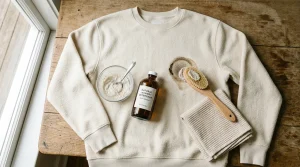
The hoodie has become a must-have staple in modern fashion, but have you ever wondered why some hoodies come with hefty price tags? Understanding the relationship between quality and price in this beloved garment reveals not only the craftsmanship behind it but also the materials that ensure durability and comfort. As you navigate your choices, it’s essential to consider factors such as fabric quality, construction techniques, and design innovations that contribute to a hoodie’s overall value. From cozy pullover styles to trendy graphic prints, knowing what drives quality can empower you to make informed purchases that blend style with functionality. Join us as we delve deeper into the intriguing world of hoodies, exploring why investing in the right piece can elevate your comfort and style game.
Why Quality Matters in Hoodie Pricing
Investing in a quality hoodie can transform your wardrobe experience, elevating comfort and durability while enhancing your overall style. High-quality hoodies not only feel better against your skin, but they also feature superior craftsmanship that leads to a longer lifespan. This is why many consumers are willing to spend more on hoodies-they recognize that quality translates to lasting value. When a hoodie is crafted from premium materials and designed for longevity, it becomes a staple that withstands wear and washes, retaining its shape and softness over time.
The materials used in hoodies significantly impact their pricing. For instance, hoodies made from organic cotton, merino wool, or innovative blends like moisture-wicking fabrics generally cost more due to their sourcing and processing methods. Moreover, the construction techniques employed-like double stitching and reinforced seams-add to the durability but also to the cost. A well-constructed hoodie is less likely to suffer from fabric pilling, fading, or unraveling, meaning you’ll spend less on replacements in the long run. By choosing a quality hoodie, you’re not just purchasing a piece of clothing; you’re investing in comfort and sustainability.
Furthermore, as consumers become more conscious of ethical production and sustainable practices, brands that prioritize these values often reflect this commitment in their pricing. Quality matters not only in how a hoodie feels but also in how it aligns with contemporary values of environmental responsibility and fair labor practices. Emphasizing these quality aspects can also help shoppers understand that spending a bit more upfront can lead to better overall experiences-both for themselves and for the planet. So, the next time you consider the price tag of a hoodie, remember that quality can mean comfort, durability, and peace of mind.
The Materials That Raise Hoodie Costs
Investing in a hoodie often means balancing comfort with the price tag, and one of the most significant factors influencing that tag is the materials used in its creation. High-quality fabrics not only deliver on feel and appearance but also contribute to the garment’s longevity. For instance, hoodies crafted from organic cotton or Tencel not only promise superior softness and breathability but also reflect a commitment to environmentally sustainable practices, which often justifies their higher cost.
When exploring premium materials, merino wool deserves a mention. This natural fiber is renowned for its moisture-wicking properties and temperature control, making it a perfect choice for hoodies intended for both indoor lounging and outdoor adventures. Likewise, blends that incorporate synthetic fabrics like polyester or nylon can enhance durability and stretch. Such materials often employ advanced technologies like moisture-wicking or anti-odor treatments, which are investment-worthy elements for those who lead active lifestyles.
Key Factors Affecting Material Costs
- Sourcing: Organic and sustainably sourced materials typically cost more than conventional options due to the farming and processing methods involved.
- Processing: Unique finishing processes-such as garment dyeing or eco-friendly treatments-enhance the fabric but increase costs.
- Fabric construction: Thicker, plush fabrics require more raw materials, while intricate weaves or knits can demand greater labor input.
These investments in premium materials resonate with an audience increasingly concerned about ethical fashion. When brands prioritize quality and transparency in sourcing, consumers are often willing to pay a premium. They recognize that such choices do not just improve comfort and fit but also align with values of sustainability and fair labor practices. Thus, the materials that elevate a hoodie from average to exceptional not only notate a higher price point but also represent a thoughtful choice in creating a meaningful wardrobe staple.
In conclusion, understanding the choice of materials plays a pivotal role in hoodie pricing. Whether it’s the luxurious feel of organic cotton against your skin or the long-lasting durability of high-performance blends, it’s essential to appreciate how these elements contribute to the overall value of your investment. Opting for well-constructed hoodies with quality materials means you’re not just buying clothing; you’re making a smart choice that pays off with comfort and style for years to come.
Understanding Hoodie Construction Techniques
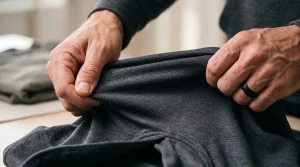
The intricate art of hoodie construction plays a vital role in determining not just the overall quality but also the price point of these beloved garments. Unlike basic sweatshirts, a well-constructed hoodie incorporates a variety of techniques that enhance its durability, comfort, and style. It begins with the choice of stitching methods: reinforced seams not only add robustness but also prevent fraying, which is particularly important for those who frequently wear their hoodies on the go. Look for options with flatlock or double-stitched seams, as these techniques eliminate bulky seam allowances and provide a more finished look.
In addition to stitching, the fabric weight is crucial. Hoodies can vary widely in heaviness, often indicated in grams per square meter (GSM). A heavier fabric typically offers better insulation and longevity, making it more expensive. However, lightweight hoodies are often more breathable and suitable for layering. When shopping, consider the fabric density that best fits your climate and lifestyle needs. Moreover, the cut and fit of a hoodie also significantly contribute to its construction quality. Options like tapered fits can provide a modern silhouette, while oversized styles offer comfort and trendiness.
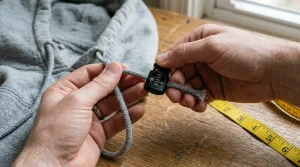
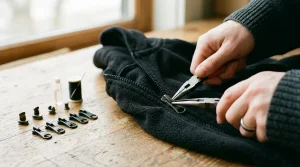
Another key feature frequently overlooked is the finishing techniques employed on the fabric. Garment dyeing and enzyme washes create unique textures and colors that can elevate a straightforward hoodie to a fashion statement. Such processes require additional resources and time, naturally increasing the final cost. Furthermore, consider the hardware elements like drawstrings, zippers, and even pocket placements; their quality can make a substantial difference in both functionality and aesthetics. Opting for hoodies with durable metal tips on drawstrings or sturdy zippers instead of plastic ones can often reflect a commitment to higher construction standards.
Finally, don’t forget about the lining and inner finishes. A soft fleece lining, while certainly a comfort feature, can also hint at a higher level of craftsmanship. Well-constructed hoodies are designed to catch your eye and feel incredible against your skin, embodying the perfect blend of function and style. By understanding these nuances in construction techniques, you’re better equipped to appreciate the value behind the price tag of quality hoodies, leading to smarter choices in your casualwear collection.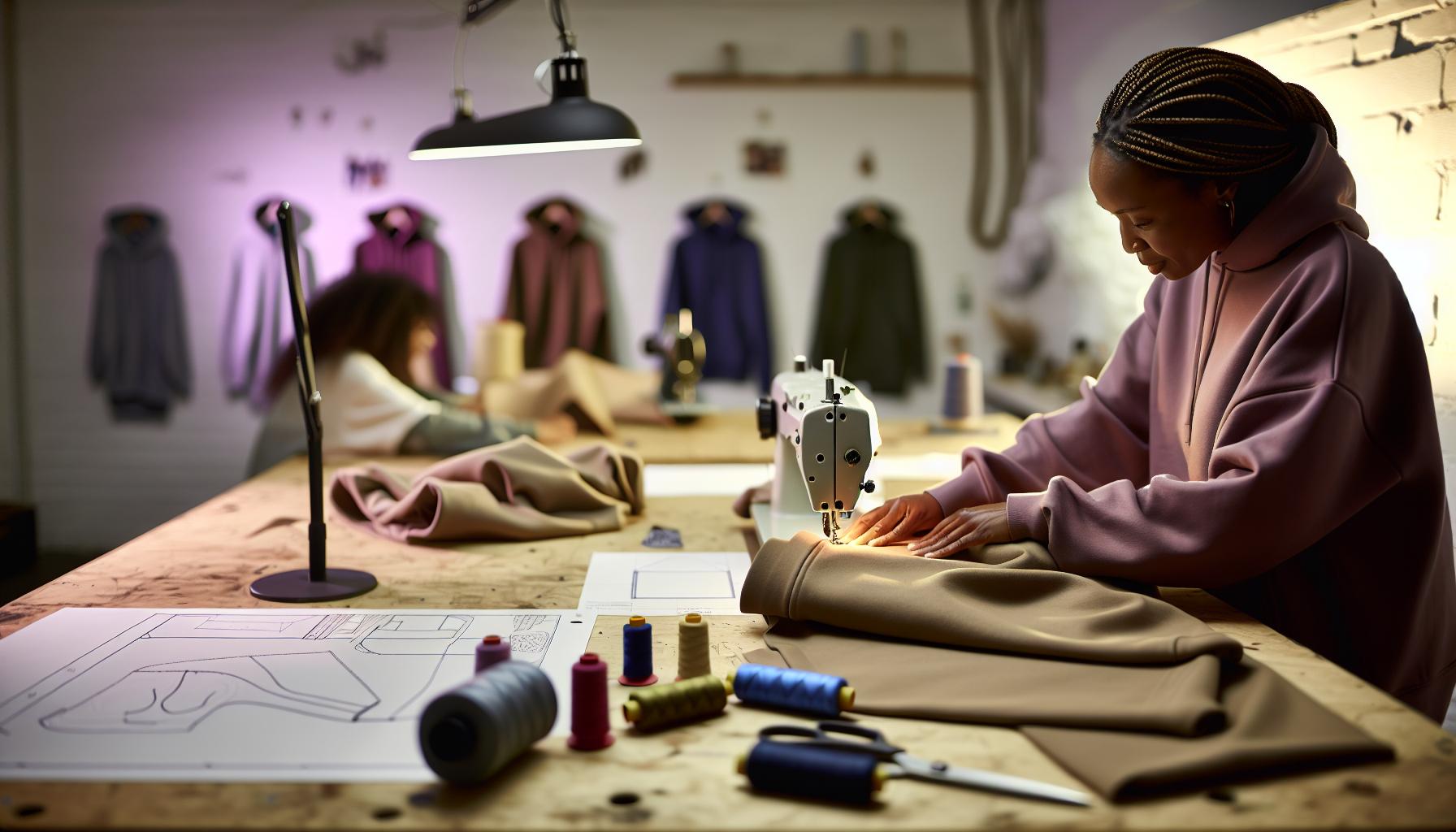
Hoodie Durability: Worth the Investment?
Investing in a high-quality hoodie may seem like a splurge, but consider this: a durable hoodie can be your go-to layer for years, making it not just a fashionable choice but a smart economic one. Quality hoodies are designed to withstand the rigors of daily wear, from outings with friends to cozy evenings at home. Unlike cheaper alternatives that may pill or lose shape after a few washes, a well-constructed hoodie maintains its fit, color, and comfort, providing you with reliable wear season after season.
To evaluate hoodie durability, pay close attention to the materials used. Fabrics like heavy cotton blends or quality fleece not only feel luxurious against the skin but also stand the test of time better than flimsy polyesters. Hoodies featuring reinforced stitching techniques such as double-stitching or flatlock seams are less likely to fray and tear, ensuring you don’t have to replace them frequently. An investment in a durable hoodie means embarking on adventures, lounging at home, or heading out in style without the concern of premature wear and tear.
Care Tips for Longevity
Proper care is essential to extend the lifespan of your favorite hoodie. Here are some tips to help you keep it looking and feeling great:
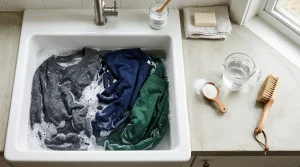
- Washing: Always check the care label. Most hoodies benefit from cold washing on a gentle cycle to prevent shrinking and fading.
- Stain Removal: For tough stains, treat them promptly with a mild detergent or a dedicated stain remover. Avoid bleach, as it can damage the fabric.
- Drying: Air dry your hoodie instead of using a dryer to maintain its shape and fabric integrity. If you must use a dryer, choose a low heat setting.
DIY Customization to Enhance Value
Adding a personal touch can also extend your hoodie’s appeal. Consider creative DIY projects like:
- Tie-Dye: This classic method not only freshens up an old piece but adds a unique flair to your wardrobe.
- Embroidery: Simple embroidered designs can transform a basic hoodie into a personalized statement piece.
These enhancements can make your hoodie more than just a clothing item; they can create something uniquely yours, further affirming its value in your collection.
When you weigh the initial cost against the quality, comfort, and versatility offered by durable hoodies, the investment becomes clear. A well-made hoodie not only keeps you cozy but also stands as a testament to your style choices and appreciation for lasting quality.
The Influence of Brand Reputation on Pricing
In the world of fashion, the brand behind the product often speaks volumes about its quality and pricing. Renowned brands have built a reputation over years, sometimes decades, for offering superior materials, craftsmanship, and style. This reputation isn’t just a marketing strategy; it reflects a commitment to quality that can justify higher price points. When you purchase a hoodie from a recognized label, you’re not just buying a piece of clothing; you’re investing in the trust and assurance that it meets – and often exceeds – certain expectations regarding durability and style.
Brand reputation influences pricing in more ways than one. Companies like Nike or Champion often utilize premium materials and advanced fabrication technologies, which may return dividends in durability and performance. For instance, Nike’s Dri-FIT fabric helps wick moisture away from the body, making it an ideal choice for active lifestyles. In contrast, lesser-known brands might not have the same level of investment in fabric technology, leading to cheaper, less durable options. This disparity shows that when you buy from established brands, a portion of the price reflects the innovation and expertise that has gone into developing their products.
Moreover, brand loyalty plays a significant role in pricing dynamics. Customers are often willing to spend more on brands they trust, perceiving higher-priced items as indicators of superior quality. For example, a hoodie priced at $70 from a high-end brand may attract a lot of attention not just due to its fabric and design, but also because consumers associate the brand with quality, style, and reliability. In this sense, pricing often becomes less about the physical product and more about the status and identity the brand represents.
Ultimately, understanding can help consumers make informed purchasing decisions. While it’s tempting to opt for cheaper alternatives, it’s essential to consider the long-term value. A well-priced, high-quality hoodie from a reputable brand can prove to be a worthy addition to your wardrobe, providing both comfort and style that stands the test of time.
Comparing Affordable Vs. High-End Hoodies
When choosing between affordable and high-end hoodies, the differences can extend beyond just the price tag. Affordable hoodies may pique interest due to their budget-friendly nature, often appealing to younger audiences or those who prioritize value over brand prestige. However, high-end hoodies come with attributes that can significantly enhance your wearing experience and longevity of the garment. Understanding these differences can help you make an informed decision that aligns with your own preferences and lifestyle.
High-end hoodies typically utilize superior materials, such as premium cotton blends or innovative fabrics that provide better breathability and moisture control. This can lead to improved comfort, especially in active situations. In contrast, budget-friendly options often rely on basic materials that may be more prone to fading or losing shape after a few washes, leading to hidden costs down the line. To compare:
Features to Consider
| Feature | Affordable Hoodies | High-End Hoodies |
|---|---|---|
| Material Quality | Basic cotton or polyester blends | Premium cotton and advanced fabrics |
| Durability | May wear out quickly | Designed for long-lasting wear |
| Fit | Often standard fit | Tailored and specialized fits available |
| Design & Features | Simple, basic designs | Stylish accents, detailed construction |
When it comes to style, high-end brands often excel in offering a variety of designs, including unique graphics, custom embroideries, or even collaborations with artists. This not only enhances their aesthetic appeal but also elevates their status as fashion pieces. For instance, hoodies from established brands are often staples in streetwear culture, making them coveted items that reflect personal style.
On the other hand, if you’re looking solely for functionality or simply a piece to lounge around in, an affordable hoodie can certainly do the job. They can be a canvas for DIY projects like custom tie-dye or embroidery, allowing for self-expression without a hefty investment. This versatile nature of affordable hoodies means they can meet casual wear needs and also serve as a starting point for creative endeavors.
Ultimately, determining which hoodie is right for you involves assessing your needs: Do you prioritize quality and longevity, or are you looking for casual apparel that fits your budget? Understanding this balance empowers you to shop smartly while expounding your personal style. Whether you invest in the premium piece or find joy in budget-friendly options, both choices can play a role in your wardrobe’s versatility.
Care Tips to Extend Your Hoodie’s Lifespan
Investing in high-quality hoodies can be a fulfilling decision, especially when you consider the styles and comfort they bring. However, to truly make the most of that investment, knowing how to properly care for your hoodie is crucial. Regular maintenance can extend the lifespan of your garment, keeping it looking fresh and vibrant wash after wash. Here are some essential tips to help you care for your hoodies, ensuring that you enjoy them for years to come.
Start with the washing process-it’s important to read the care label for specific instructions, but generally, washing your hoodie in cold water is best. This helps preserve the fabric’s color and fibers. Use a gentle cycle to avoid unnecessary agitation that can lead to pilling. When it comes to detergent, opt for one that is free of harsh chemicals to maintain the integrity of the fabric.
Drying and Storage
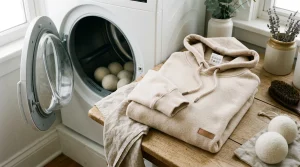
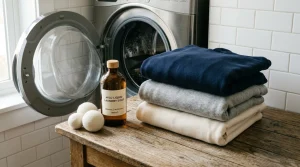
After washing, consider air drying your hoodies instead of tossing them in the dryer, as high heat can cause shrinkage and damage to the fabric. If you must use a dryer, select a low heat setting and remove the hoodie while it’s still slightly damp to prevent over-drying.
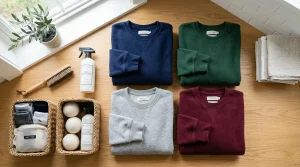
When it’s time to store your hoodies, folding them rather than hanging can help avoid stretching, especially in the shoulders. Keep them in a cool, dry place to prevent moisture buildup, which can lead to mildew and odors. To combat any lingering smells, toss in a dryer sheet or use cedar blocks to keep them smelling fresh.
Stain Removal and DIY Customization
Accidents happen, but with immediate attention, you can often remove pesky stains. Blot the stain gently with a clean cloth soaked in cold water before applying a small amount of mild detergent. Avoid rubbing, as this can worsen the stain. For a fun twist, consider DIY customization! Try tie-dyeing an old hoodie or adding an embroidered patch for a personalized touch. Custom projects not only express your creativity but can rejuvenate a fading hoodie, giving it a new lease on life.
By following these care tips and engaging in creative projects, you can keep your hoodies in excellent condition while celebrating your individuality. With a little commitment, your favorite comfy layer can remain a key player in your wardrobe, merging quality with your unique style.
DIY Customization Ideas for Unique Hoodies
There’s something truly special about wearing a hoodie that reflects your personal style. Customizing your hoodie not only transforms it into a unique piece but also adds a sense of individuality and creativity to your wardrobe. Given the diverse range of hoodies available, investing in high-quality pieces can further amplify the joy of personalization while highlighting the difference between budget and premium options. Here are some fun and impactful DIY customization ideas to breathe new life into your favorite hoodies.
One popular method is tie-dye, which can infuse vibrant colors and patterns into a plain hoodie. Here’s how to do it:
Simple Tie-Dye Steps
- Gather supplies: a plain hoodie, fabric dye (or tie-dye kit), rubber bands, gloves, and a plastic squeeze bottle.
- Wet the hoodie and wring out excess water.
- Twist or crumple parts of the fabric and secure with rubber bands.
- Apply dye using the squeeze bottle to your desired areas.
- Let it sit for several hours or overnight, rinse, and then dry it in the shade.
In addition to tie-dyeing, adding embroidered patches can further enhance your hoodie’s appeal while also allowing you to showcase your personality. These patches come in various themes, from vintage to pop culture references. Simply select a few patches that resonate with you, and sew or iron them onto your hoodie, turning it into a canvas for your interests.
Embroidery Techniques
- Choose a design or monogram that speaks to you.
- Use an embroidery hoop to keep fabric taut.
- Pick contrasting thread colors to make the design pop.
- Sew it on carefully, or consider using an iron-on transfer for ease.
Another exciting avenue for customization is through fabric paints, which allow you to create your own graphics or stencil designs. This approach gives you the freedom to express yourself in a more artistic way. Whether you opt for simple shapes or complex images, the only limit is your imagination.
Lastly, consider personalizing with prints or patches representing causes you care about. This not only customizes your hoodie but also turns it into a statement piece. Supporting local artists for prints can also reinforce your community connection while showcasing unique designs.
Ultimately, customizing your hoodie is a fantastic way to celebrate your individuality while distinguishing your style amid a sea of off-the-rack options. Not only do these creative projects breathe new life into your hoodies, but they also maximize the value of quality investment pieces by ensuring they remain fresh and distinctive, embodying the essence of what makes hoodie culture so special.
Styling Your Hoodie: From Casual to Chic
There’s a reason why hoodies have transcended their humble beginnings as cozy loungewear to become stylish staples in both casual and chic outfits. The beauty of a well-chosen hoodie lies in its versatility-this beloved piece can seamlessly transition from a comfy day in to a polished night out with just a few thoughtful styling tweaks. To elevate your hoodie game, consider pairing it with a variety of complementary items that enhance its innate comfort while showcasing your unique style.
For a classic casual look, team your hoodie with high-waisted jeans or joggers. This combination not only maximizes comfort but also adds a trendy edge. Accessorizing is key-a structured handbag and a pair of chic sneakers will keep the outfit grounded yet stylish. When it comes to layering, a tailored blazer or oversized denim jacket can instantly add sophistication. The contrast between the relaxed hoodie and the more polished outerwear creates a balanced ensemble that’s perfect for brunch or casual Fridays at work.
To elevate your hoodie into a more chic realm, opt for luxe fabrics and neutral tones. Pair a neutral-toned cashmere hoodie with tailored trousers or a leather midi skirt. This juxtaposition of textures and silhouettes offers a refined look that’s still inviting. Consider adding statement accessories like bold earrings or a sleek belt to help define your waist and accentuate your style. Footwear can also significantly impact the vibe: ankle boots or sleek mules can transform your hoodie outfit from laid-back to sophisticated in a heartbeat.
Additional Styling Tips:
- Experiment with Layers: Don’t hesitate to layer your hoodie under a long coat or over a turtleneck for added warmth and dimension.
- Color Coordination: Play with color palettes; a vibrant hoodie can pop against darker bottoms for a lively contrast.
- Fit Matters: Oversized hoodies can provide a relaxed vibe, while fitted options can create a more polished silhouette.
By thoughtfully integrating your hoodie into your outfit, you not only showcase your creativity but also embrace the comfort that this versatile piece offers. Whether you’re heading for a casual outing or a chic gathering, the key lies in how you style it and the accessories you choose, turning what was once seen as simple loungewear into a canvas for personal expression.
The Role of Trends in Hoodie Pricing
Trends play a significant role in shaping hoodie pricing, reflecting not only the fashion landscape but also consumer demand for certain styles and brand narratives. In recent years, hoodies have transitioned from mere comfort clothing to essential fashion statements, often leading to an increase in prices. Popular figures and influencers donning high-end or designer hoodies can drive up demand, making these pieces not just functional but also aspirational. As a result, brands capitalize on this trend, pricing their hoodies to reflect the perceived value and cultural significance associated with their designs.
The materials and designs aligned with current trends can significantly influence hoodie costs. For example, sustainable fabrics and innovative features like moisture-wicking or cooling technologies command higher prices. Brands that emphasize eco-friendly practices, such as using organic cotton or recycled materials, often tag their products with premium prices. This trend towards sustainability resonates with environmentally conscious consumers, who are willing to pay more for a product that aligns with their values. Moreover, unique customization options and limited-edition releases can generate a sense of exclusivity, allowing brands to justify higher price points.
Consumer behavior is also influenced by the latest fashion trends that dictate what styles are considered “in.” For instance, the shift towards oversized fits and vintage aesthetics has led many brands to innovate their hoodies with trendy cuts, colors, and graphics. This need to stay current with fashion movements forces brands to continually update their collections, contributing to increased production costs and, ultimately, higher prices. The influence of streetwear culture, particularly, has made certain hoodies iconic pieces; designers can charge a premium for the brand recognition associated with these items.
Ultimately, shoppers can navigate the dynamic pricing landscape by staying informed about both fashion trends and material quality. Understanding that price often reflects not only the fabric and construction but also current style influences can empower consumers to make informed purchasing decisions. Whether seeking a trendy statement piece or a classic staple, recognizing the interplay between trends and pricing helps shape a satisfying shopping experience while ensuring that investment in hoodies is worth the cost.
How to Shop Smart for Quality Hoodies
When it comes to shopping for quality hoodies, knowledge is your best asset. A well-made hoodie not only keeps you cozy but also enhances your style, making it worth the investment. Start by considering the fabric; materials like organic cotton, fleece, and brushed cotton provide comfort and durability. Look for hoodies with a higher cotton content, as they are usually softer and more breathable. For added versatility, opt for hoodies with a blend of polyester and spandex, which can maintain shape and resist wrinkles.
Pay Attention to Construction Details
Inspect the construction details of potential hoodies before purchasing. Features that enhance both durability and comfort include:
- Double-stitching: This technique reinforces seams, preventing fraying and extending the life of the hoodie.
- Drawstrings: A good hoodie should have sturdy drawstrings that allow for adjustment without pulling out easily.
- Ribbed cuffs and hem: These will help the hoodie retain its shape and fit better over time.
Taking note of these details can ensure you choose a hoodie that withstands the tests of time and wear.
Care and Maintenance Tips
Once you’ve found the perfect hoodie, taking proper care of it is essential to prolong its lifespan. Here are some simple yet effective care tips:
- Washing: Always turn your hoodie inside out before washing, using cold water to prevent fading. Avoid fabric softeners, as they can affect moisture-wicking and breathability.
- Stain removal: Act quickly-dab stains with a mild detergent before washing. For tough stains, consider using a diluted vinegar solution.
- Drying: Air dry your hoodie whenever possible. If you must use a dryer, opt for low heat to avoid shrinkage.
By adopting these care practices, your hoodie can remain vibrant and cozy through many seasons.
Customization and Styling
For those wanting to stand out, consider DIY customization projects. Personalizing a plain hoodie can make it uniquely yours. Some fun options include:
- Embroidery: Adding initials or patches can create an eye-catching look.
- Fabric paint: Use stencils or freehand your designs for a playful touch.
- Tie-dye: A classic way to make your hoodie pop with color and individuality.
In terms of styling, consider pairing your hoodie with tailored joggers or distressed jeans for a casual-chic look. Layering a fitted jacket over it can also elevate your outfit while keeping you warm.
Adopting these shopping strategies ensures you find quality hoodies that offer comfort, durability, and unique personalization. Happy hoodie hunting!
The Environmental Impact of Hoodie Production
The production of hoodies has a significant environmental impact, and understanding this can help consumers make more informed choices. The fashion industry, particularly clothing production, is notorious for its carbon footprint and resource consumption. For instance, the textile industry is responsible for approximately 10% of global greenhouse gas emissions, and a single cotton hoodie can consume over 2,700 liters of water in its production-equivalent to what one person drinks in about three years.
To mitigate , many brands are adopting sustainable practices. Look for hoodies made from organic cotton or recycled materials, as these options not only reduce water usage and chemical pollutants but also decrease the amount of textile waste. Some companies are opting for closed-loop production processes, where materials are recycled back into the production cycle, thereby minimizing waste.
Why Sustainable Choices Matter
Choosing sustainable hoodies is not just about trendiness; it also supports responsible manufacturing that conserves resources and reduces environmental pollution. Here are some practical tips for making eco-friendly purchases:
- Research Brands: Look for companies that prioritize ethical labor practices and sustainable materials in their production.
- Choose Quality Over Quantity: Investing in a few high-quality, durable hoodies means you’ll need to replace them less often, ultimately reducing waste.
- Support Local Makers: Purchasing from local artisans or small businesses can reduce the carbon footprint associated with shipping and promote local economies.
Innovations for the Future
With the rise of eco-conscious consumers, advancements in textile technology are paving the way for a more sustainable future. Innovations like biodegradable fabrics and eco-friendly dyes can help minimize the environmental damage associated with traditional hoodie production. It’s an exciting time in fashion, where consumers can advocate for change by choosing items that align with their values.
By understanding these factors, you not only enhance your own wardrobe with stylish and sustainable options but also contribute to a movement that champions environmental stewardship. The next time you pick out a hoodie, consider its journey from raw material to finished product and let that guide your choices!
Faq
Q: Why do some hoodies cost more than others?
A: The cost of hoodies varies due to differences in fabric quality, construction techniques, and brand reputation. High-end materials and advanced manufacturing methods enhance durability and comfort, leading to higher prices. For a deeper insight, check out our section on “How Quality Matters in Hoodie Pricing.”
Q: What materials make a hoodie expensive?
A: Hoodies made from premium materials like organic cotton, merino wool, or technical fabrics often carry a higher price tag due to their durability, comfort, and performance features. Understanding the materials can help you choose a hoodie that fits your needs. Explore more in “The Materials That Raise Hoodie Costs.”
Q: Are expensive hoodies worth the investment?
A: Expensive hoodies can be worth the investment if they offer exceptional quality, longevity, and comfort. They may be more durable, retaining their shape and feel after multiple washes. Consider your daily wear to determine if a higher price aligns with your usage. See “Hoodie Durability: Worth the Investment?” for more details.
Q: How can I tell if a hoodie is of high quality?
A: You can assess hoodie quality by examining the fabric’s feel, stitching quality, and construction details like seams and lining. High-quality hoodies often have reinforced seams and soft finishes. For more tips, refer to our article section “Understanding Hoodie Construction Techniques.”
Q: What is the impact of brand reputation on hoodie prices?
A: Brand reputation significantly influences hoodie prices, as established brands may charge more based on perceived value and trust. Consumers are often willing to pay a premium for brands known for quality and sustainability. Learn more in “The Influence of Brand Reputation on Pricing.”
Q: How can I extend the lifespan of my hoodie?
A: To extend your hoodie’s lifespan, wash it in cold water, avoid frequent machine drying, and store it properly. Regular care can help maintain its quality and appearance longer. For detailed care tips, see our section on “Care Tips to Extend Your Hoodie’s Lifespan.”
Q: Why do fashion trends affect hoodie prices?
A: Fashion trends can impact hoodie pricing as demand rises for certain styles or collaborations, often leading to higher prices. Seasonal designs and limited editions can also contribute to increased costs. Check out “The Role of Trends in Hoodie Pricing” for a deeper dive.
Q: What are the environmental factors affecting hoodie prices?
A: Environmental factors like sustainable sourcing and eco-friendly materials often increase hoodie prices. Brands committed to reducing their environmental impact may use more costly processes. For more on this, reference “The Environmental Impact of Hoodie Production.”
In Retrospect
Now that you understand the reasons behind the price of hoodies, it’s time to make a wise investment in high-quality pieces that reflect your personal style. Remember, when looking for the ideal hoodie, consider factors like fabric quality, construction details, and even customization options to truly make it your own! If you’re eager to learn more, check out our guides on hoodie care and styling tips to keep your favorite garments looking fresh and showing off your unique flair.
Don’t miss out-explore our collection of premium hoodies at Nordstrom or DICK’S Sporting Goods to find the perfect match today! Lastly, make sure to subscribe to our newsletter for exclusive offers and updates, and feel free to leave your comments below about your favorite hoodie styles or any questions you may have! Your journey into the world of hoodies doesn’t end here, so keep exploring and expressing yourself through this timeless staple!
Get our latest guides, news, and insights highlighted in your Google Search & AI Overviews.