Have you ever wondered how much your favorite hoodie weighs? Understanding the weight of different hoodie styles isn’t just a fun fact-it’s crucial for choosing the right one for your needs, whether you want something lightweight for layering or a heavier option for warmth. Each hoodie carries its own charm, from the comforting embrace of a classic sweatshirt to the cozy feel of an oversized hoodie. As you explore our weight guide, you’ll not only discover the specifics of each style but also get insights on how to care for, style, and even customize your hoodies. Get ready to dive deeper into the world of hoodies, where comfort meets culture!
Understanding Hoodie Weight: What to Consider
When it comes to hoodies, weight is a critical factor that influences not only how comfortable they are but also how they fit into your lifestyle. Generally, the weight of a hoodie can range from lightweight options perfect for layering to heavier versions designed for warmth during cooler months. Understanding this aspect helps you make informed choices based on your personal needs and preferences.
Several factors determine the weight of a hoodie, including its fabric, style, and added features like zippers and pockets. Fabrics like cotton or fleece can vary; a garment made from a lighter cotton blend will weigh less than one crafted from thick, brushed fleece. Hoodies designed for athletic activities often prioritize lightweight materials for breathability and movement, while casual styles might employ heavier fabric to convey a cozier feel. Your intended use is a significant consideration-do you need extra warmth for chilly nights, or are you looking for something airy to wear at the gym?
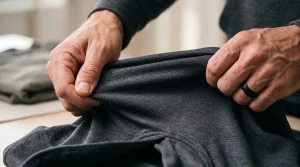
Moreover, measuring a hoodie’s weight accurately is straightforward. You can use a simple kitchen scale-just hang the hoodie on a hook and weigh it. For hoodies designed for specific seasons, consider the fabric’s properties as well. For example, a summer hoodie might be around 200-300 grams, whereas a winter version could range from 400 grams and above, depending on the insulation and material.
Ultimately, choosing the right weight for your needs can enhance your overall comfort and satisfaction with your hoodie collection. Think about how you integrate hoodies into your lifestyle-layering for transitional weather, casual wear during relaxed outings, or tackling outdoor adventures-and pick accordingly to ensure you always have the perfect piece on hand. With the right approach, your hoodie can become a versatile staple that not only feels great but also fits seamlessly into your wardrobe.
Different Hoodie Styles and Their Weights
While hoodies are celebrated for their comfort and versatility, not all hoodies are created equal in terms of weight. The style of a hoodie plays a significant role in its overall heft, which can ultimately influence how you wear and care for it. Let’s dive into some popular hoodie styles and their typical weight ranges, so you can make informed choices suited to your lifestyle.
Hooded sweatshirts are often the classic choice, made primarily from cotton or fleece. These typically weigh between 350 to 600 grams. They provide a cozy, relaxed fit-ideal for lounging or casual outings. On the lighter side, you have hoodies made from lightweight cotton blends or performance fabrics that may weigh around 200 to 300 grams. These are fantastic for layering and can breathe well during workouts or warmer weather.
For those who crave extra warmth, consider oversized or heavy-duty hoodies. These can be designed with thicker fabric, sometimes weighing up to 800 grams or more, making them perfect for chilly evenings or winter adventures. Many brands have also introduced styles with added insulation, like sherpa-lined or down-filled hoodies, which combine weight with warmth, weighing in excess of 1 kilogram.
Popular Hoodie Styles and Weights
| Hoodie Style | Weight Range | Best Uses |
|---|---|---|
| Lightweight Hoodies | 200-300 grams | Layering, workouts, mild weather |
| Classic Hooded Sweatshirts | 350-600 grams | Casual wear, lounging |
| Heavy-Duty Hoodies | 600-800 grams | Winter wear, extremely cold conditions |
| Insulated Hoodies | 800+ grams | Outdoor sports, extreme weather |
Understanding the weight of different hoodie styles can help you choose the right one for your needs. Moreover, if you wish to customize your hoodie or take care of its fabric, consider that heavier materials might require different washing techniques-always check care labels and remember to avoid high heat, which can compromise fibers. Whether you’re picking out your next favorite hoodie for lounging at home or an outdoor adventure, knowing these details will enhance your hoodie experience!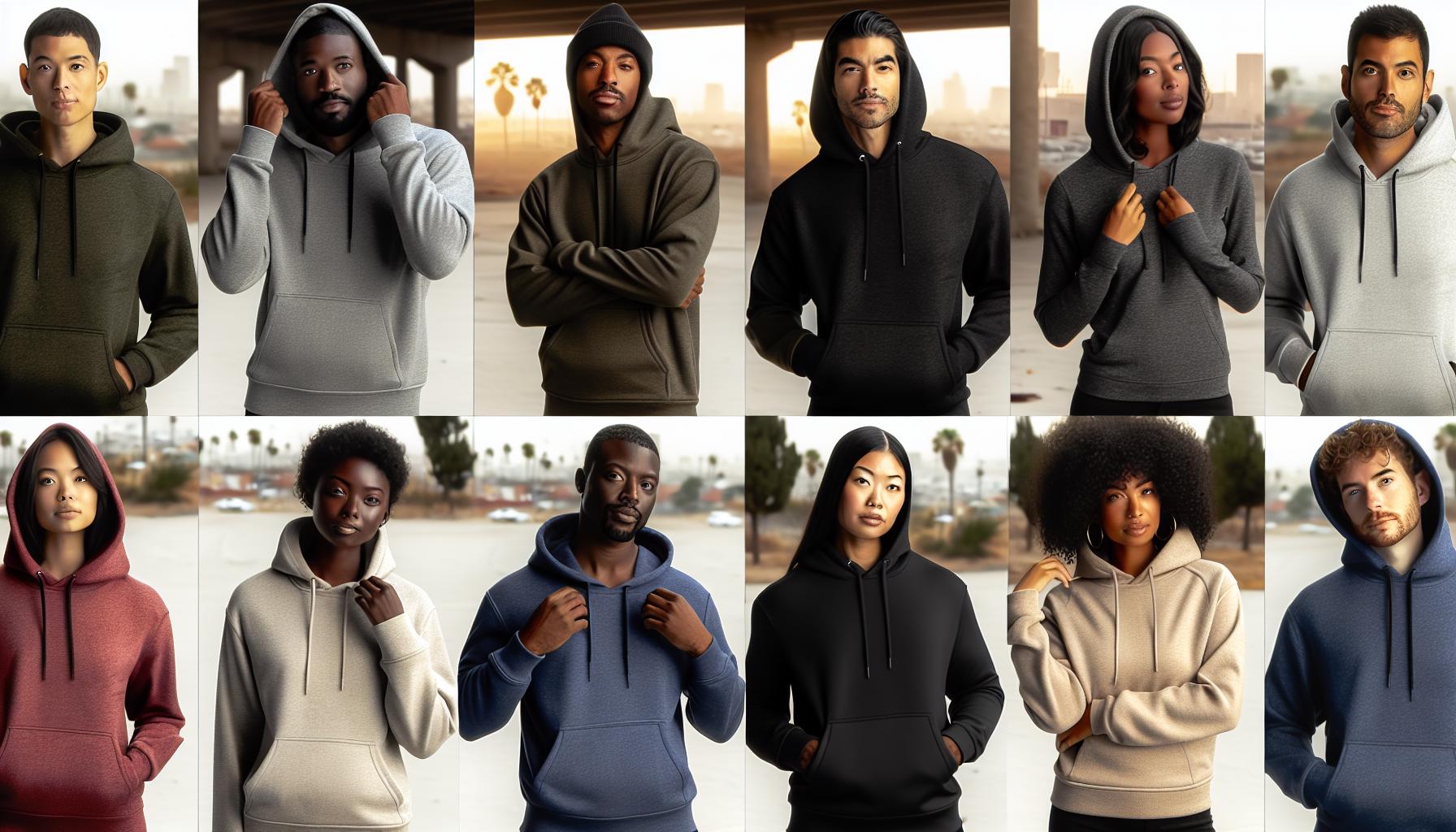
Factors Influencing Hoodie Weight
Understanding the nuances of hoodie weight is crucial for making the right choice for your lifestyle. Several factors come into play when determining how much a hoodie weighs, including materials used, construction techniques, design features, and intended use. By examining these elements, you can better match your hoodie selection to your specific needs and preferences.
The material is perhaps the most significant factor influencing weight. Hoodies made from heavier fabrics like fleece, wool, or substantial cotton tend to weigh more and provide increased warmth and durability. Conversely, lighter options using cotton blends or innovative materials, such as polyester, are designed for breathability and comfort, appealing for workouts or layered outfits. When shopping, look for designations like “midweight” or “lightweight” on labels, which can help guide your decisions based on your intended activity level.
Another aspect to consider is the hoodie’s construction. Features like linings, added insulation, or double-layer fabric can significantly increase weight. For example, a hoodie designed for winter sports may include additional materials for insulation, making it bulkier but perfect for frigid temperatures. In contrast, a minimalist hoodie intended for casual wear might be unlined and made from a single layer of lightweight fabric, emphasizing ease of movement and comfort.
Lastly, design elements such as pockets, zippers, and drawstrings can also add incremental weight to a hoodie. While these features can enhance versatility, they can contribute to the overall heft, potentially affecting your comfort depending on your usage. Opting for a sleek design without unnecessary embellishments may benefit those looking to minimize weight for travel or active pursuits. Always check the specifications when buying to ensure that your hoodie meets your expectations for both style and functionality.
In considering these factors, you’ll find that selecting the right hoodie goes beyond mere aesthetics-it’s about finding the ideal balance between style, comfort, and practical functionality for your unique lifestyle.
How to Measure Your Hoodie’s Weight
To ensure you select the perfect hoodie for your needs, understanding how to measure its weight is essential. Weight plays a key role in determining comfort, warmth, and overall usability. A straightforward method to gauge the weight of a hoodie is to use a digital kitchen scale. Simply hang the hoodie by the neck or lay it flat on the scale to get an accurate measurement in grams or ounces.
When measuring, consider the size of the hoodie as well. Different sizes can significantly vary in weight, not just because of increased material but also due to additional features like larger hoods or pockets. It’s worth noting that lightweight hoodies (around 200-400 grams) are typically better suited for layering or warmer days, while heavyweight options (over 700 grams) offer more warmth and durability, making them ideal for colder weather.
It can also be helpful to compare your measurements against standard weight categories. For instance, light hoodies often weigh between 250-350 grams, midweight varieties range from 350-600 grams, and heavyweight styles typically clock in at over 600 grams. This categorization can guide your selection process based on your intended activity-whether you’re dressing casually, hitting the gym, or gearing up for outdoor adventures.
Keep in mind that weight isn’t just about measurement; it also informs your hoodie experience. A heavier hoodie might provide that extra warmth and durability for cold weather but can feel bulky. On the other hand, a lighter hoodie might be versatile and easy to wear but might not offer the same level of insulation during chilly conditions. Choose based on your lifestyle and how you envision incorporating your hoodie into your everyday outfit!
Choosing the Right Weight for Your Needs
Choosing the right weight of a hoodie is more than just a matter of preference; it’s a key factor in how comfortable and versatile the hoodie will be for your lifestyle. Did you know that the weight of a hoodie can deeply influence how you feel when wearing it? A light, airy hoodie might feel like a soft embrace on a summer evening, whereas a heavy sweatshirt can become your best friend during the chill of winter. Knowing the various weights available can help you make an informed choice tailored to your activities and climate.
When selecting the perfect hoodie weight, consider the activities you plan to engage in and the weather conditions typical to your area. For layering during those chilly months, a midweight hoodie (around 350-600 grams) provides warmth without excessive bulk-a fantastic option for both outdoor adventures and lazy afternoons at home. On warmer days or for physical activities like running or hiking, lightweight hoodies (around 200-400 grams) are less constricting and highly breathable. These can keep you comfortable without overheating, making them perfect for layering under jackets when needed.
Factors to Consider
- Climate: If you live in a temperate zone, having both lightweight and heavyweight options could be beneficial.
- Style: Consider how you plan to wear your hoodie. Oversized styles tend to feel heavier due to additional fabric, while fitted options may weigh less.
- Material: Fabric types, such as fleece, cotton, or blends, significantly affect weight. A cotton blend might be lighter than a pure fleece hoodie.
- Features: Hoods, pockets, and zippers can add weight. Decide if these features enhance your experience or if you prefer a minimalist approach.
Examples for Every Need
If you’re looking for something that provides a snug layer for cold days, opt for heavyweight hoodies, which typically weigh over 700 grams. Think about cozy nights by the fire or outdoor activities that demand robustness. Conversely, for those spontaneous beach trips or warm summer nights, lightweight hoodies can be effortlessly stashed in your bag without taking up much space.
In essence, your choice should reflect how you envision incorporating your hoodie into your wardrobe. With the right balance of weight and function, you can confidently style, customize, and elevate your hoodie game, ensuring you are prepared for every occasion. Happy shopping and styling!
Hoodie Fabric Types and Their Characteristics
When it comes to selecting the perfect hoodie, understanding different fabric types is essential for ensuring comfort, style, and functionality. Various materials not only contribute to the overall weight of the hoodie but also affect how it feels against your skin, how it performs in different weather conditions, and how easy it is to care for. Here’s a closer look at some popular hoodie fabrics and their characteristics, so you can make an informed decision that aligns with your lifestyle.
The classic choice for hoodies is cotton. Renowned for its softness and breathability, cotton offers a lightweight feel, making it ideal for everyday casual wear. Cotton hoodies generally fall into the lightweight category (200-400 grams), perfect for layering or wearing during mild weather. They tend to wick moisture, keeping you comfortable during small bursts of activity, although they may not provide the same insulating warmth as heavier fabrics. For those who value eco-friendliness, organic cotton hoodies are increasingly popular, allowing you to enjoy comfort while supporting sustainable practices.
In contrast, fleece hoodies are typically heavier (often exceeding 600 grams) and built for warmth, making them perfect companions for colder weather. Fleece is made from synthetic materials like polyester, offering excellent insulation while remaining lightweight. Its fluffy texture feels cozy, but it may not be as breathable as cotton. If you’re looking for durability and resistance to wear and tear, consider fleece options-ideal for outdoor activities or casual lounging. However, keep in mind that fleece can attract lint and pet hair, so a lint roller may be a handy addition to your care kit.
For those searching for a balance of warmth and weight, cotton-polyester blends often emerge as the best of both worlds. Combining the natural softness of cotton with the durability and moisture-wicking properties of polyester, these hoodies generally range from midweight (350-600 grams) to heavyweight. They provide versatility, making them suitable for various climates and activities. Plus, they often retain their shape better after washing and exhibit less shrinkage compared to pure cotton.
Lastly, if you’re looking for an extra touch of flair, graphic or printed hoodies can add style without significantly impacting weight. These hoodies can be made from a variety of base fabrics but feature designs or prints that might influence the hoodie’s overall feel and layering potential. Just ensure you follow specific care instructions to keep those graphics looking fresh.
In summary, the fabric you choose for your hoodie plays a pivotal role in determining its weight, comfort, and suitability for your activities. Lightweight cotton is excellent for casual wear, fleece offers warmth for chilly days, and blended fabrics present a versatile option for various occasions. By understanding these characteristics, you can confidently select a hoodie that enhances your wardrobe while meeting your functional needs. Happy wearing!
Impact of Hoodie Features on Weight
When considering how much a hoodie weighs, it’s essential to recognize that specific features can significantly impact its overall weight. For instance, the inclusion of elements such as pockets, zippers, and drawstrings can add grams-or even ounces-to the garment, altering its feel and performance. This nuance is particularly important for enthusiasts who appreciate both function and style in their casual wear.
Pockets and Zippers
Hoodies equipped with front pockets are a popular choice for convenience, but they also add extra weight, especially if the pockets are lined or made of heavy fabric. Zippered hoodies typically weigh more than pullover styles due to the added zipper mechanism. Consider the materials used in these features as well; for example, metallic zippers tend to be heavier than plastic ones. If portability and lightness are your goals, you might gravitate toward minimalist designs that forgo these additional features.
Layering and Construction Details
The construction of a hoodie affects both its weight and functionality. Features like ribbed cuffs, hems, or a double-lined hood may provide enhanced comfort and style but can add to the total weight as well. For those planning to layer items for warmth, it’s essential to assess how these construction details might impact overall bulk. A well-constructed hoodie can still provide a snug fit without feeling excessively heavy, making it an excellent choice for cool weather ensembles.
Tech Features
For active individuals, many modern hoodies come with technical upgrades such as moisture-wicking fabrics or built-in insulation. While these materials often enhance functionality by providing better thermal regulation, they can also contribute to weight. Consider if these added features align with your activity level and intended use; a lighter hoodie might suffice for casual outings, while a heavier performance version may be necessary for outdoor adventures.
Ultimately, understanding how various features influence hoodie weight allows you to make an informed decision tailored to your lifestyle. Whether you prioritize warmth, style, or practicality, being aware of these elements will help you choose a hoodie that not only fits perfectly but also feels just right in any situation. Happy styling!
Hoodie Weight vs. Warmth: What You Need to Know
When selecting a hoodie, understanding the balance between weight and warmth is crucial for ensuring maximum comfort and functionality. A heavier hoodie often feels warmer, thanks to the thermal properties of its thicker fabric. However, that doesn’t mean lighter options should be dismissed. Many modern materials are designed to provide excellent insulation without the bulk, making them suitable for various activities and climates. This means you can enjoy the best of both worlds-comfort and practicality-by considering what you value most in your hoodie experience.
Weight Isn’t Everything
It’s important to note that warmth is not solely dictated by weight. Consider the hoodie’s fabric type: fleece, for example, is lightweight yet retains heat, while heavier options like terry cloth may feel cozier but can also be cumbersome. If you’re looking for versatility, consider hoodies created from blended fabrics that incorporate both weight and breathability. These can keep you warm during chilly outings without causing overheating or discomfort when indoors.
Layering Strategy
Your choice of hoodie also depends on how you plan to layer it. For activities in varying temperatures, opt for medium-weight hoodies that provide enough warmth but still allow for layering with other clothing items such as t-shirts or light jackets. This strategy not only maximizes warmth but also enhances your style. You’ll find that hoodies with a snug fit enhance both comfort and style when layered correctly, preventing bulkiness while still ensuring you stay warm.
Choosing Based on Activity
Consider your activities. For instance, if you’re heading out for a brisk walk or outdoor sports, a lighter, moisture-wicking hoodie can keep you feeling cozy without adding excess weight. On the other hand, for lounging or casual outings on chilly days, a heavier, plush-lined hoodie might be your best bet. By factoring in the intended use, you can select the right hoodie that fits seamlessly into your lifestyle.
Ultimately, being mindful of how weight influences warmth allows you to make better choices that enhance your wardrobe and comfort. Pay attention to the fabric, construction, and your layering techniques to find a hoodie that feels terrific no matter where your day takes you. Happy hoodie hunting!
Caring for Your Hoodie: Weight Considerations
When it comes to caring for your hoodie, understanding how weight influences its care regimen is essential for maintaining both its appearance and comfort. The weight of a hoodie can dictate how it reacts to washing, drying, and even storage. Heavier fabrics, while cozy and plush, may require more delicate handling as they can be prone to stretching or losing shape if not washed correctly. Conversely, lighter hoodies often dry quicker but may be susceptible to pilling. This delicate balance between weight and care can significantly affect the longevity of your favorite casual wear.
Washing Instructions
To keep your hoodies in top condition, follow these essential washing guidelines based on their weight and fabric type:
- Heavyweight Hoodies: For thicker fabrics, use cold water and a gentle cycle to minimize stretching. Avoid fabric softeners as they can break down fibers over time.
- Lightweight Hoodies: Wash in cold water on a regular cycle to preserve fit and avoid excessive wrinkling.
- Fleece or Sherpa: These soft, heavyweight options should be washed separately to avoid lint transfer and pilling. Hang dry or tumble dry on a low setting to prevent shrinkage.
Stain Removal and Maintenance
Accidents happen! Here are some practical tips for stain removal tailored to the weight of your hoodie:
- For Heavy Stains: Apply a stain remover directly to the area. Let it sit for at least 10 minutes before washing to ensure effectiveness without compromising fabric integrity.
- For Light Stains: Often, a mixture of water and mild detergent rubbed gently into the stain can work wonders, especially on lightweight fabrics.
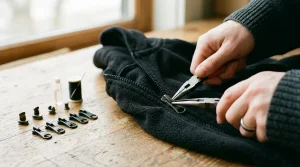
- General Maintenance: Regularly check for loose threads or areas where the fabric may be wearing thin, particularly in heavier hoodies, and make small repairs to extend their life.
Customization can also be an exciting way to add personal flair without affecting weight significantly. Techniques like tie-dye or embroidery can breathe new life into an old hoodie. Just ensure that any added decorations don’t compromise the fabric weight that you enjoy! For instance, if you embroider onto a lightweight hoodie, be cautious of how it might affect the drape and overall comfort.
Ultimately, paying attention to the weight and fabric type of your hoodie while caring for it can ensure it remains a staple in your wardrobe for years to come. So go ahead-wear it, care for it, and embrace the cozy lifestyle that hoodies represent!
DIY Customization Ideas Without Adding Weight
Customization can transform a plain hoodie into a personalized masterpiece, allowing you to express your unique style without significantly increasing its weight. Engaging in light customization techniques not only breathes new life into your beloved hoodie but also helps in maintaining its comfort and drape. One of the best methods for customization is tie-dye. By using fabric-safe dyes, you can create stunning patterns that infuse vibrancy without the need for heavy embellishments. Experiment with different folding techniques-like the classic spiral or accordion fold-to see how the dye interacts with the fabric.
Another great option is embroidery, which adds a touch of elegance and personal flair. When selecting embroidery designs, opt for smaller motifs or initials to avoid weighing down the fabric. Choose lightweight threads, such as cotton or polyester, to keep the overall feel of your hoodie airy and breathable. Simple designs placed on the chest or sleeve can create a chic look without compromising comfort.
If you prefer a no-sew approach, consider using fabric paint or markers to create custom graphics or quotes. This technique not only allows for maximum creativity but also keeps the weight distribution even throughout the garment. Just remember to let the paint dry completely and follow the heat-setting instructions to ensure your artwork lasts through washes.
Finally, adding patches is a fun way to customize without bulk. Look for iron-on patches that match your personal interests-nature scenes, pop culture references, or abstract designs can add a layer of character. Just be mindful of the placement; ensuring that patches are strategically placed can prevent your hoodie from feeling overloaded. Embrace these DIY ideas to give your hoodie a fresh look while keeping it lightweight and comfortable for daily wear.
The Best Hoodies for Layering: Weight Factor
When it comes to layering your outfits, the weight of your hoodie plays a crucial role in balancing comfort and style. Lighter hoodies, typically made from thinner materials like cotton blends or jersey fabric, are ideal for layering under jackets or over long-sleeve shirts. They provide an extra layer of warmth without feeling bulky, allowing for easy movement and versatility throughout the day. Think about how effortlessly you can integrate a lightweight zip-up hoodie into your favorite fall outfit, or how a pullover can snugly fit beneath a chic trench coat without adding unnecessary bulk.
Choosing the Right Weight for Layering
For those chilly mornings that turn into warm afternoons, medium-weight hoodies serve as the perfect transitional layer. These often consist of a slightly thicker fabric, offering warmth yet remaining breathable. When selecting a medium-weight hoodie, pay attention to the fabric’s breathability and moisture-wicking properties; this ensures you remain comfortable as the temperature fluctuates. Popular fabric choices include French terry or mid-weight fleece, which provide enough insulation for layering without compromising mobility.
Examples of Layer-Friendly Hoodies
Here are a few styles to consider when selecting the best hoodies for layering:
- Fringe Terry Pullover: Lightweight and breathable, perfect for layering under a bomber jacket.
- French Terry Zip Hoodie: Offers flexibility, allowing you to zip it up for warmth or unzip it as temperatures rise.
- Lightweight Graphic Hoodie: Adds flair to your outfit without being cumbersome, making it ideal for casual outings.
When choosing hoodies for layering, also consider features like drawstrings and ribbed cuffs, which not only enhance style but also create better insulation when layered. Lastly, always check the care instructions; lighter materials may have different washing requirements than thicker materials, ensuring your hoodie retains its shape and feel season after season. Prioritize hoodies that maintain their comfort and drape after washing to support your layered looks effortlessly.
Traveling with Hoodies: Weight and Packing Tips
When embarking on an adventure, packing light can be a game changer, especially when it comes to your trusty hoodies. These beloved staples can be surprisingly heavy, depending on their style and fabric. To ensure you have the perfect balance of warmth and convenience during your travels, it’s essential to choose the right hoodie and know how to pack it effectively.
For traveling, lightweight hoodies are your best friend. They offer warmth without much bulk, making them easy to stow away in your bag. Consider opting for those made from materials like jersey or thin cotton blends, which typically weigh less and are easy to layer. If you want extra versatility, choose a zip-up style that allows you to regulate your temperature easily. When it comes to packing, try rolling your hoodie instead of folding it; this not only saves space but helps prevent creases.
Packing Tips for Your Hoodie
Here are some practical tips to keep your hoodie ready and in top shape for your travels:
- Roll, Don’t Fold: This minimizes creasing and maximizes space.
- Wear It: If you have a heavier hoodie, consider wearing it during travel to save on space in your luggage.
- Check the Weather: Bring a lightweight hoodie for mild conditions and a medium-weight one for colder climates. This strategic choice can prevent you from overpacking.
- Keep It Accessible: Pack your hoodie at the top of your bag or in a side pocket, so it’s easy to grab when you need an extra layer.
Lastly, remember to check your hoodie’s care instructions before you travel. Some materials may require specific washing techniques, so make sure to follow them to keep your hoodie looking fresh and feeling cozy on your journey. Traveling with hoodies can enhance your comfort and style; with the right approach, you can effortlessly rock this casual wear while keeping your luggage in check.
FAQ
Q: What is the average weight of a hoodie?
A: The average weight of a hoodie typically ranges from 14 to 24 ounces (400 to 680 grams). Factors such as material, thickness, and added features influence this weight. Lighter hoodies made of cotton blends are on the lower end, while thicker fleece options weigh more.
Q: How do I know if a hoodie is too heavy for me?
A: To determine if a hoodie is too heavy, consider your intended use. If you need warmth for outdoor activities, heavier hoodies may be suitable. For everyday wear or layering, choose lighter options. Comfort is key, so try it on to assess the fit and feel.
Q: Are lighter hoodies less warm than heavier ones?
A: Lighter hoodies can be less warm than heavier ones, but fabric type matters. Thin hoodies made from fleece or cotton blends can offer good insulation. For cold weather, look for hoodies with thermal properties, regardless of weight, to help retain warmth.
Q: What hoodie styles are the heaviest?
A: The heaviest hoodie styles are typically oversized fleece hoodies, sherpa-lined options, and those with multiple features like zippers and pockets. These designs often use thicker materials, resulting in increased weight while providing extra warmth and comfort.
Q: Can I customize a heavy hoodie without adding too much weight?
A: Yes, you can customize a heavy hoodie without adding significant weight by choosing lightweight embellishments like embroidery or fabric paint. Avoid heavy patches or additional layers that can increase the overall weight while maintaining the hoodie’s comfort and wearability.
Q: What factors affect the weight of a hoodie?
A: The weight of a hoodie is influenced by factors such as fabric type, thickness, style, and additional features like pockets or linings. Understanding these elements helps you choose a hoodie that fits your style and practical needs.
Q: Why do some hoodies feel heavier even if they weigh the same?
A: Some hoodies may feel heavier due to their design, density of the fabric, or added features like drawstrings and zippers. Additionally, how the fabric drapes and fits can affect the wearer’s perception of weight.
Q: How should I care for my hoodie to maintain its weight and comfort?
A: To maintain your hoodie’s weight and comfort, wash it inside out in cold water and tumble dry on low heat. Avoid fabric softeners, which can break down fibers over time, ultimately affecting the weight and warmth. Regular care ensures longevity without adding weight.
In Summary
Now that you know how much hoodies weigh and how that can influence your choice, it’s time to take action! Whether you’re looking to purchase a cozy layer or customize your existing hoodie, the knowledge you’ve gained here empowers you to make smart decisions. Remember, a well-chosen hoodie is not just a fashion statement; it’s a canvas for your creativity!
Explore our care guides for maintaining your favorite pieces, DIY tips for customization like tie-dye or embroidery, and styling advice to elevate your look. Don’t forget to check out our comprehensive buying advice to ensure you find the perfect hoodie for your needs. Share your thoughts and experiences in the comments below, and consider subscribing to our newsletter for more style tips and exclusive offers.
Your next stylish, comfortable hoodie is just a click away-delve into our collection now to elevate your casual wardrobe and embrace the ultimate in hoodie culture!
Get our latest guides, news, and insights highlighted in your Google Search & AI Overviews.